
 Ammar Sabilarrohman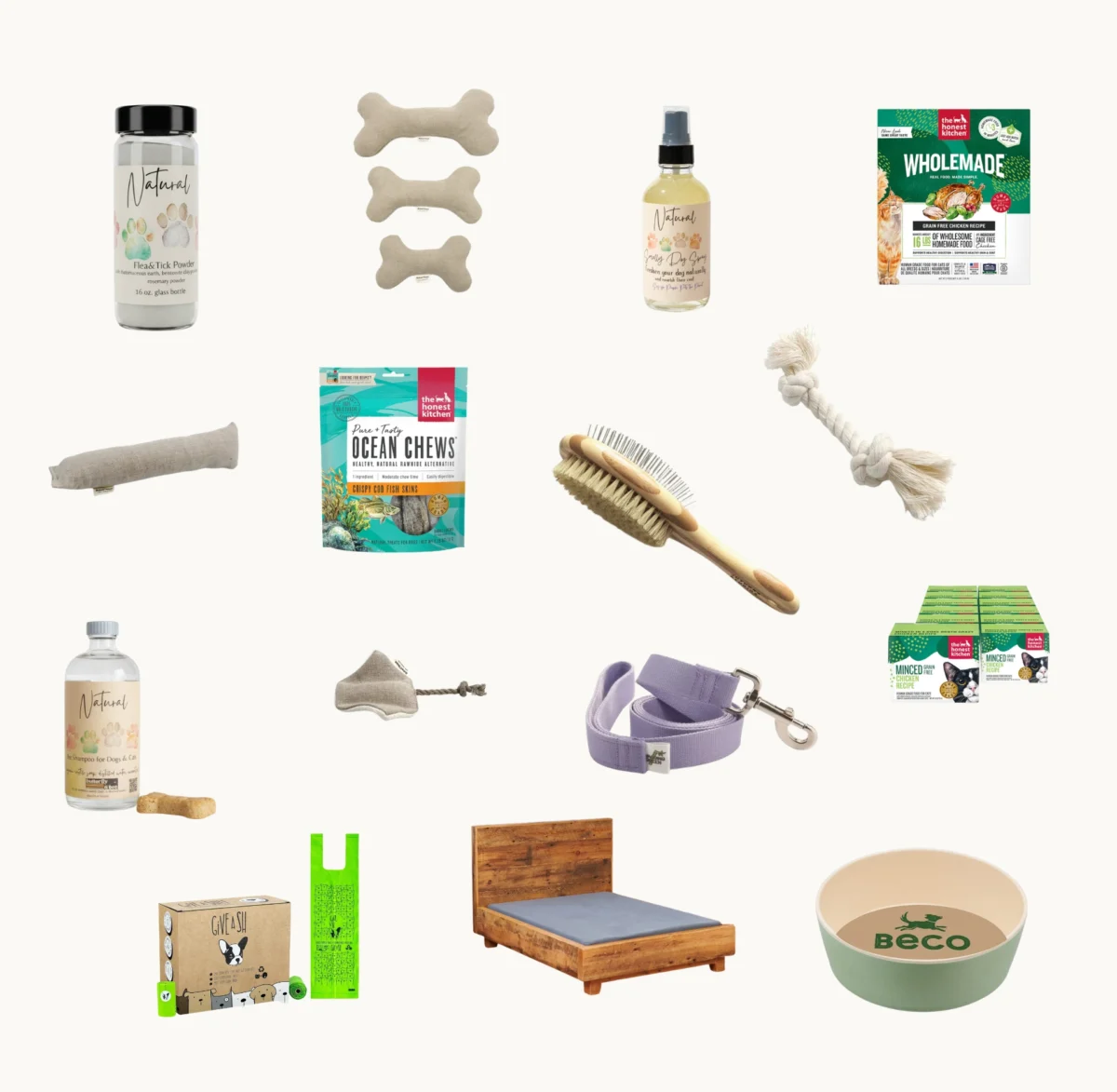
The modern pet care industry is undergoing a radical transformation. Once a sector dominated by convenience-driven plastics and mass-produced meat byproducts, it is now being reshaped by a new generation of "conscious pet parents." As the environmental movement matures, the focus has shifted from the human dinner table to the pet bowl and the dog bed.
Recent data highlights the urgency of this shift. According to a peer-reviewed study published in PLOS One, dogs and cats in the United States alone are responsible for approximately 25% to 30% of the environmental impact of meat consumption. This translates to roughly 64 million tons of CO2 emissions annually—a carbon footprint equivalent to driving 13.6 million cars for a year. When combined with the millions of tons of plastic waste generated by toys, grooming bottles, and non-biodegradable waste bags, the "paw print" of our furry companions becomes impossible to ignore.
Main Facts: The Scope of the Sustainable Pet Revolution
The move toward eco-friendly pet products is no longer a niche market; it is a fundamental shift in how consumers view animal husbandry. The core of this revolution lies in three primary pillars: material transparency, supply chain ethics, and waste reduction.
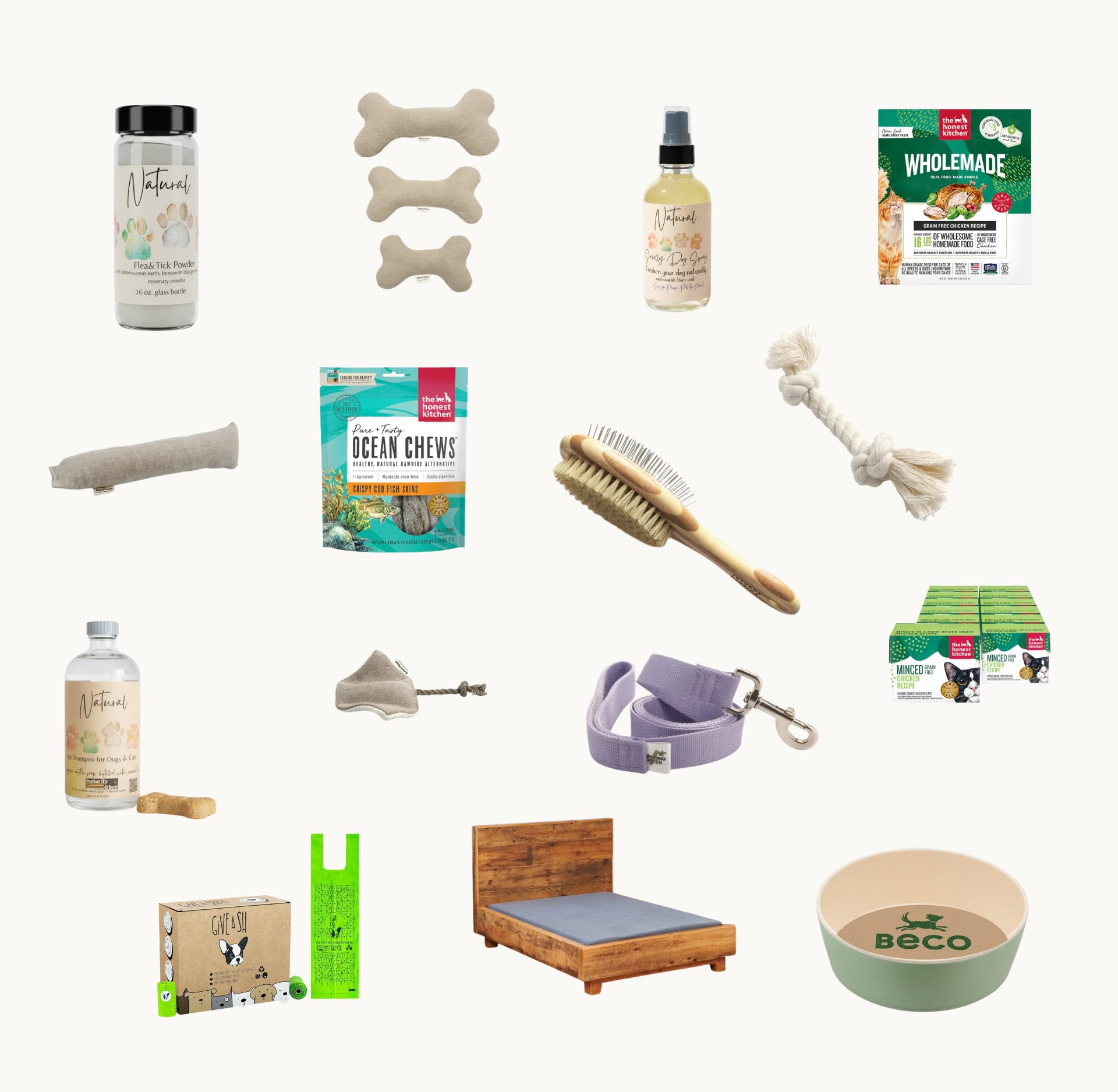
Industry leaders are now prioritizing materials that were previously reserved for high-end human sustainable fashion and home goods. These include:
- Organic Textiles: GOTS-certified organic cotton and hemp are replacing synthetic polyesters in toys and bedding.
- Natural Rubber: Tapped from Hevea brasiliensis trees, providing a biodegradable alternative to petroleum-based plastics.
- Upcycled Food Waste: Repurposing agricultural byproducts, such as tofu fibers for cat litter or "ugly" produce for pet treats.
- Circular Manufacturing: Brands like West Paw are implementing "closed-loop" systems where old products are returned, sanitized, and remolded into new ones.
Chronology: From "Humanization" to "Conscious Stewardship"
To understand the current state of eco-friendly pet care, one must look at the evolution of the pet-owner relationship over the last three decades.
1990s–2000s: The Era of Convenience
During this period, the pet industry focused on mass-market accessibility. Plastic toys became the norm, and "kibble" was formulated primarily for shelf-life and cost-efficiency. Environmental impact was rarely a consideration for the average consumer.

2010s: The Humanization Trend
The mid-2010s saw the rise of the "pet humanization" trend. Owners began treating pets as family members, leading to a demand for "human-grade" food and high-design accessories. This period laid the groundwork for sustainability, as consumers began questioning the ingredients and chemicals in their pets’ products.
2020–Present: The Sustainability Mandate
The COVID-19 pandemic accelerated pet ownership and, simultaneously, a global awareness of climate change. By 2024, the industry hit a tipping point. Leading organizations like the Pet Sustainability Coalition (PSC) began holding brands accountable, and third-party certifications—such as B Corp and Climate Neutral—became the gold standard for pet product manufacturers.
Supporting Data: The Environmental and Health Costs of Convention
The push for sustainability is driven by more than just altruism; it is backed by sobering data regarding health and environmental safety.
The Chemical Burden
A study published in Chemosphere revealed that chemicals such as phthalates and Bisphenol A (BPA)—common in plastic pet toys—can leach into a pet’s system through saliva. Furthermore, the EPA (Environmental Protection Agency) has conducted extensive evaluations on "spot-on" flea and tick treatments. Their findings linked certain pyrethroid-based products to adverse reactions in pets. Perhaps more alarming, a 2025 study published in PMC suggested a correlation between pet flea product exposure during pregnancy and decreased cognitive function in children, highlighting that "pet safety" is synonymous with "household safety."
The Plastic Crisis
An estimated 10 billion plastic poop bags are disposed of annually in the U.S. alone. Most of these end up in landfills where, even if labeled "biodegradable," they lack the oxygen required to break down, often remaining intact for decades while releasing methane.
Official Responses: Leading Brands and Their Philosophies
In response to these challenges, several "vanguard" brands have emerged, setting new benchmarks for the industry. These companies are not merely selling products; they are providing case studies in ethical business operations.
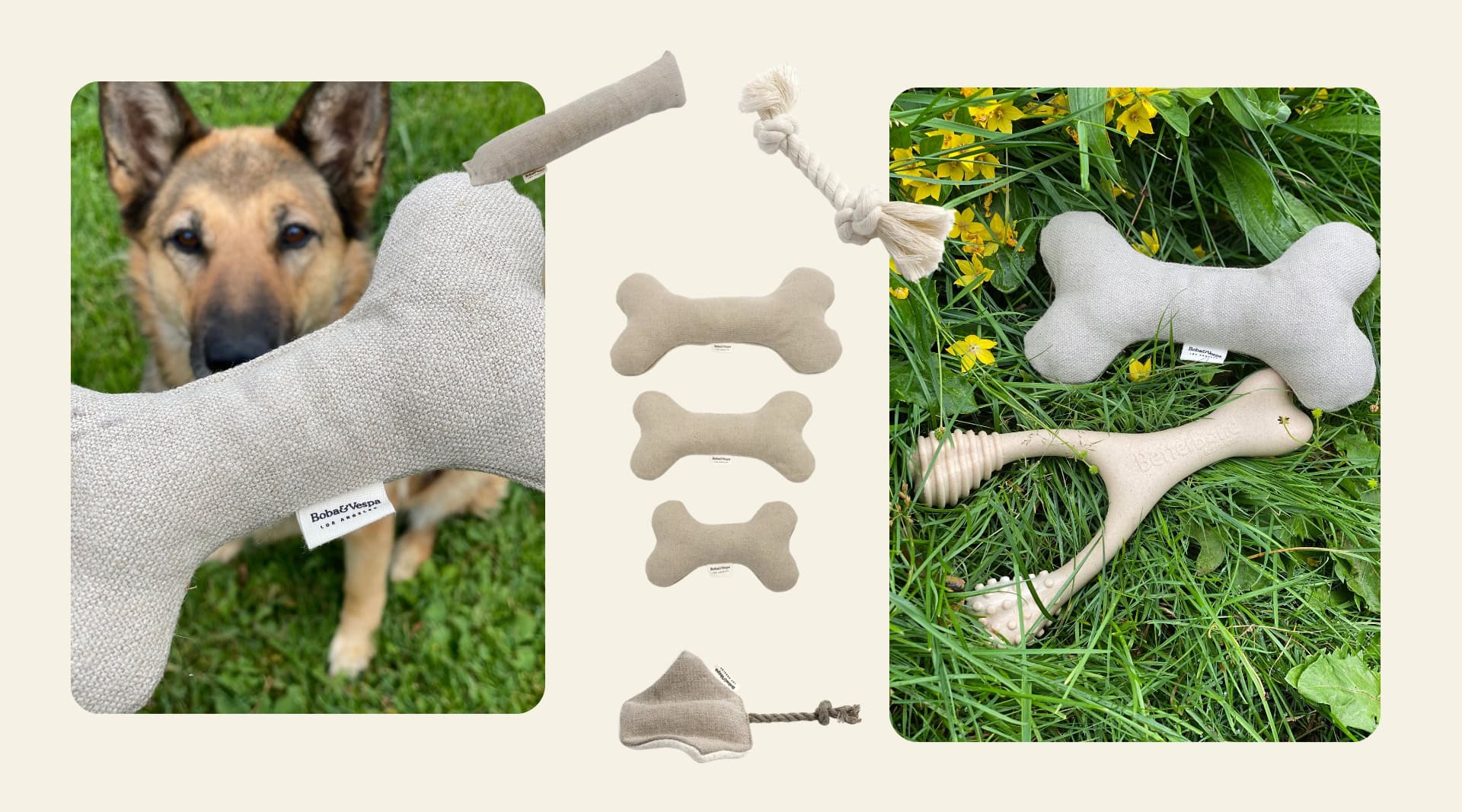
The Kind Pet: Pioneering Compostable Play
The Kind Pet has addressed the "toy-to-landfill" pipeline by utilizing fully compostable materials. Their Boba & Vespa range utilizes organic hemp canvas and cotton thread. By partnering with rePurpose Global, they have also committed to removing ocean plastic, effectively creating a "plastic-negative" footprint.
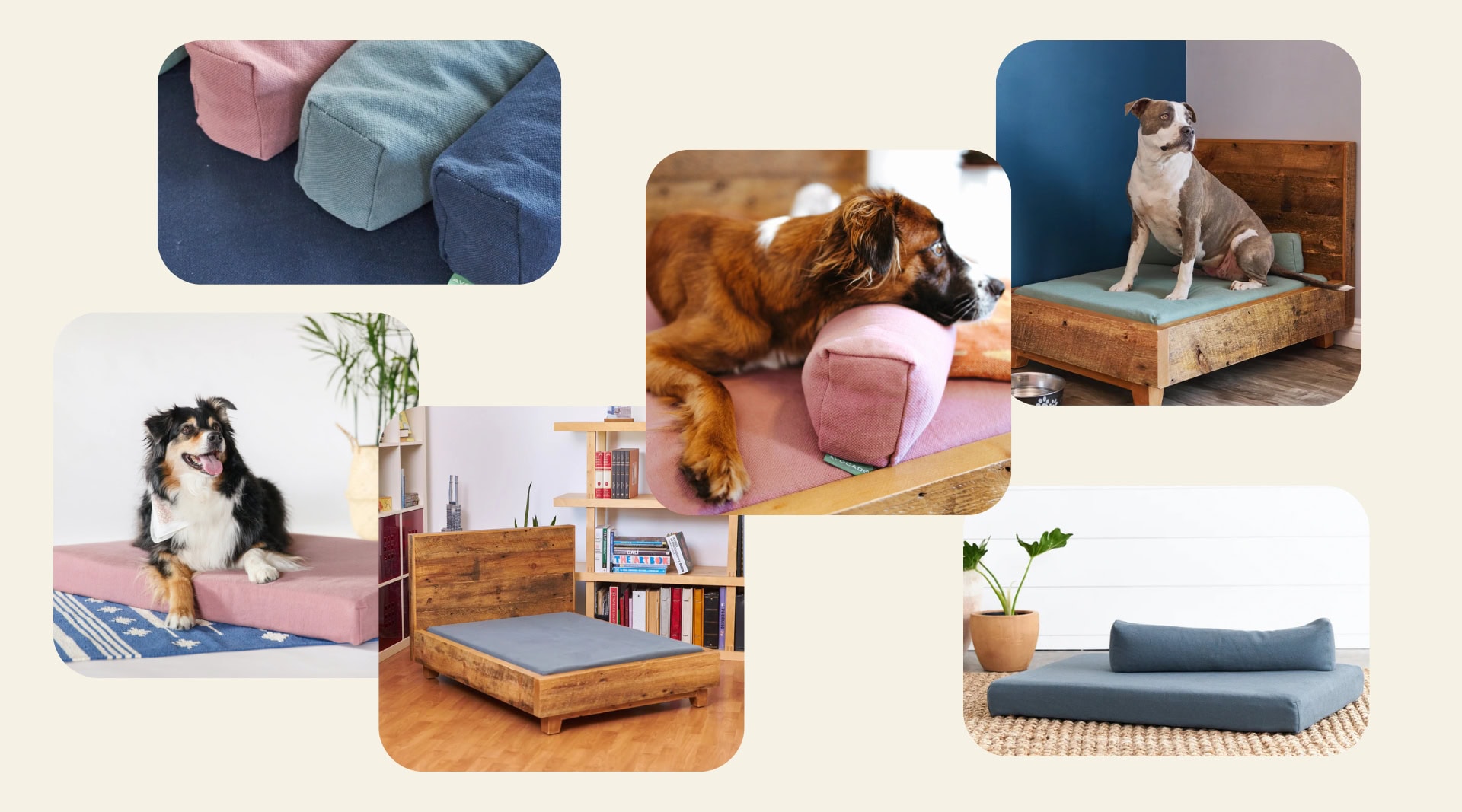
Avocado: Extending Organic Standards to Sleep
Known for their human mattresses, Avocado has applied GOLS-certified organic latex and GOTS-certified organic cotton to the pet sector. Their manufacturing facility in California operates with a focus on circularity, using upcycled mattress components to create dog beds. This reduces waste while ensuring that pets are not sleeping on polyurethane foams that may off-gas Volatile Organic Compounds (VOCs).
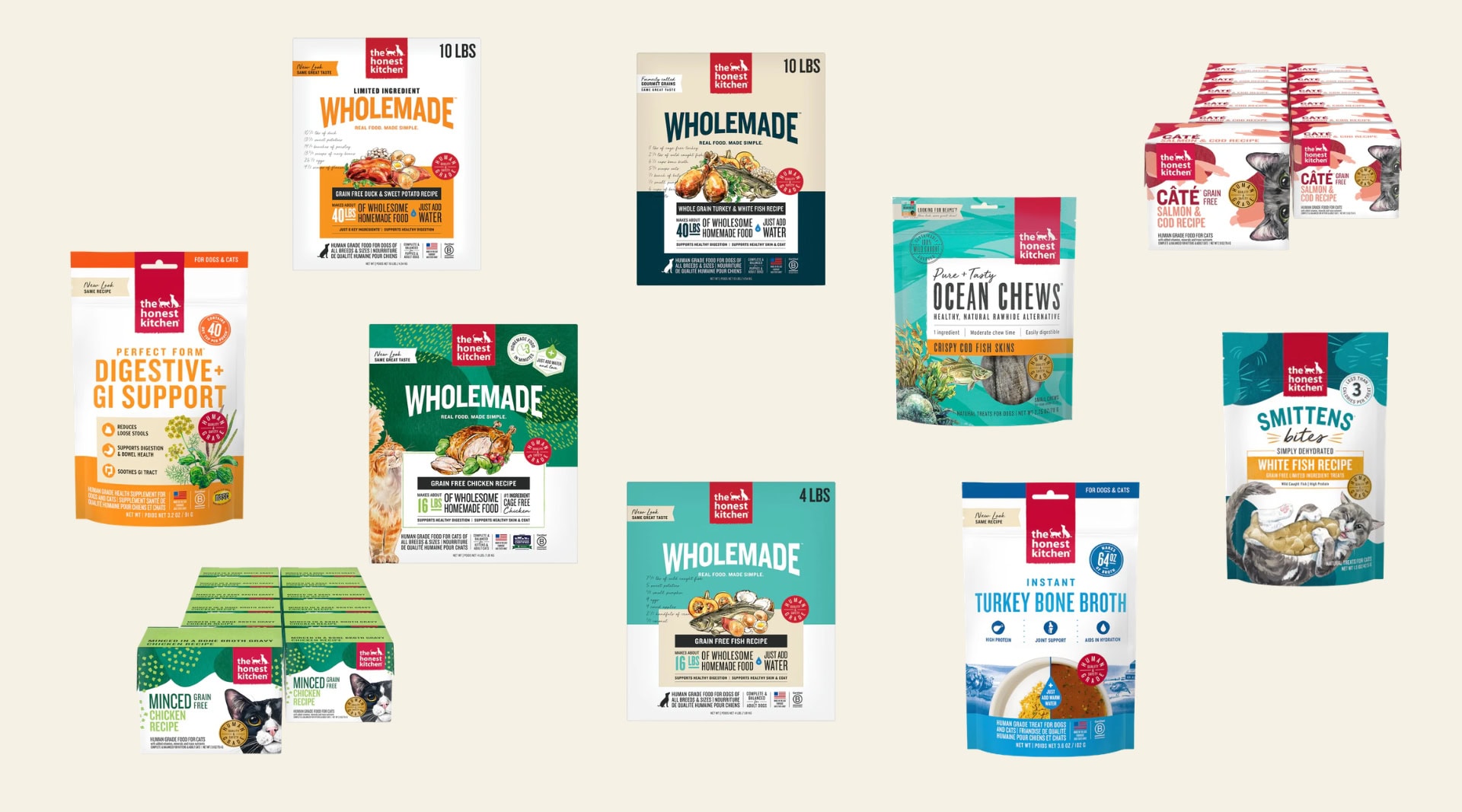
The Honest Kitchen: Redefining Nutritional Ethics
The Honest Kitchen became the first pet food brand to receive official "human-grade" status from the FDA. Their philosophy centers on the idea that if a food isn’t safe for a human to eat, it shouldn’t be served to a pet. By utilizing dehydrated formats, they significantly reduce the weight of their products, thereby lowering the carbon emissions associated with shipping and logistics compared to heavy canned goods.
West Paw: Montana’s Zero-Waste Vision
West Paw has become a leader in durable, recyclable toys. Their proprietary Zogoflex material is non-toxic and infinitely recyclable. Through their "Join the Loop" program, the company takes back damaged toys from customers, ensuring that no West Paw product ever needs to end up in a landfill.
Implications: The Future of the "Greener" Paw Print
The shift toward eco-friendly pet products carries profound implications for the global economy and the environment.
1. Market Pressure and Competitive Pricing
As demand for sustainable products grows, economies of scale are beginning to lower the "green premium." What was once an expensive luxury is becoming competitively priced. Industry analysts predict that brands failing to adopt transparent, sustainable practices will lose significant market share to younger, more agile competitors within the next five years.
2. The Rise of the "Zero-Waste" Pet Home
The concept of the zero-waste pet is gaining traction. This involves:
- Alternative Waste Management: Moving toward TUV Austria-certified home compostable poop bags and tofu-based, flushable cat litters like those from Tuft & Paw.
- DIY and Thrifting: A resurgence in using "pre-loved" items and repurposing household waste (like using old newspapers for pet cleanup) is being encouraged by sustainability advocates as the ultimate eco-friendly choice.
3. Vet-Approved Natural Alternatives
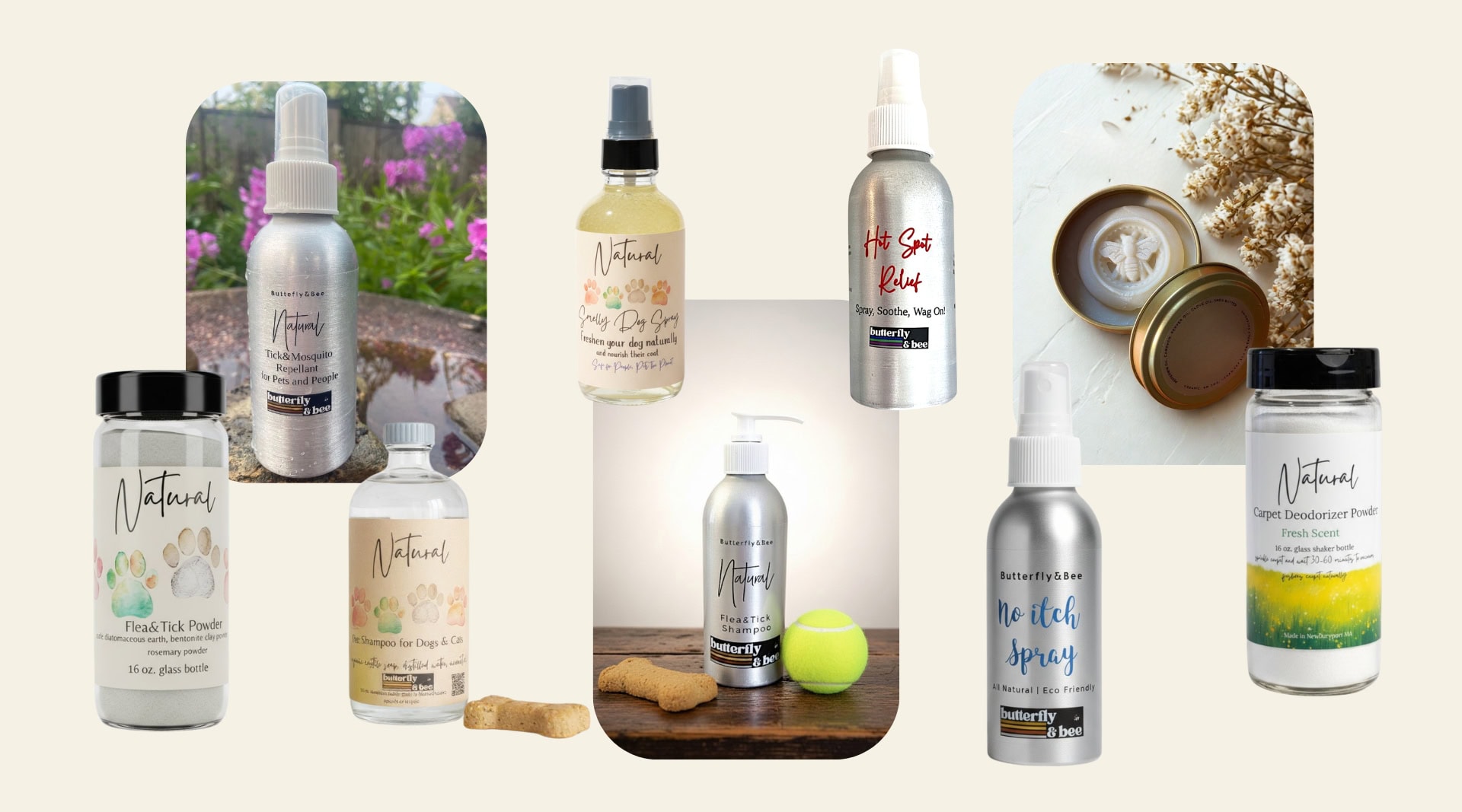
The medical community is increasingly being asked to weigh in on natural flea and tick preventatives. While essential oils (cedarwood, peppermint) are becoming popular, experts emphasize that "natural" does not always mean "effective" in high-risk areas. The implication is a future where "Integrated Pest Management" combines minimal chemical intervention with high-strength natural repellents, tailored to a pet’s specific environment.
Conclusion: A Collective Responsibility
The evolution of the pet care industry reflects a broader societal realization: our lifestyle choices, including how we care for our animals, are inextricably linked to the health of the planet. While the environmental impact of 100 million domestic pets is significant, the rise of brands like Beco, Wagging Green, and Butterfly & Bee proves that this impact can be mitigated through innovation and intentionality.
For the modern pet owner, the path forward is clear. It is no longer enough to provide a "good life" for a pet; one must also ensure that this life does not come at the expense of the natural world. Through the adoption of organic materials, the support of B Corp-certified businesses, and a commitment to waste reduction, the "green paw print" is becoming a reality for millions of households worldwide.

 Iffa Jayyana
 Azzam Bilal Chamdy