



 Sagoh
Sagoh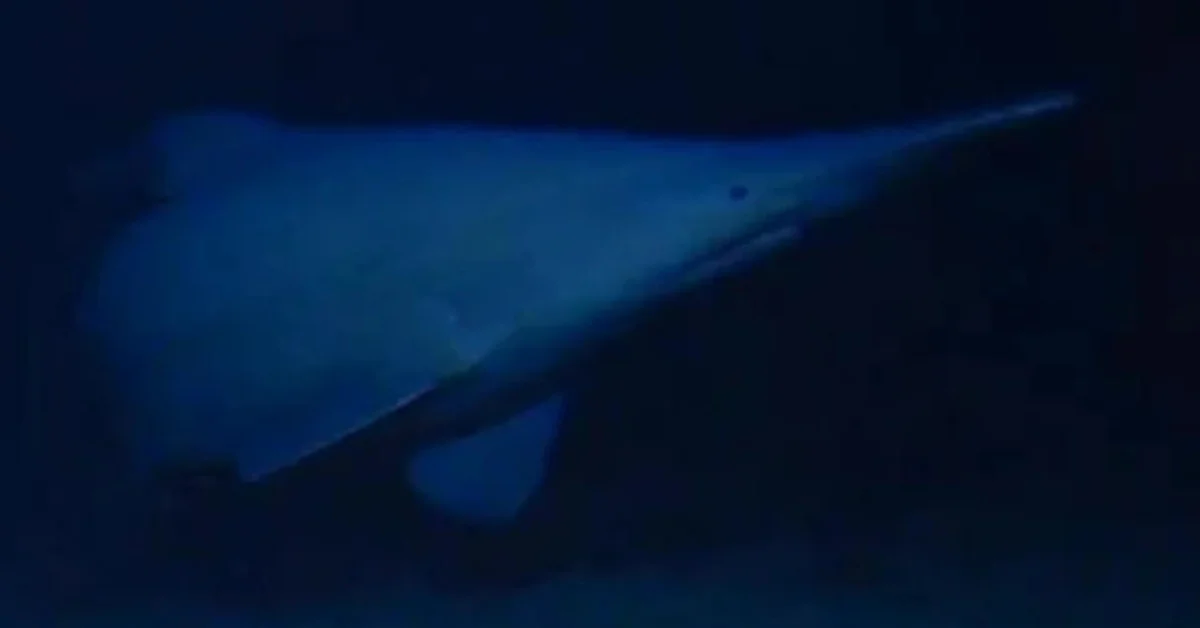
A groundbreaking series of sightings has illuminated the shadowy world of the goblin shark, offering scientists unprecedented glimpses into the life of one of the ocean’s most enigmatic inhabitants. Previously known only from the unfortunate remains of deceased specimens, these elusive creatures have now been documented alive and well in their abyssal domain, marking a significant triumph for deep-sea exploration.
For decades, the goblin shark (Mitsukurina owstoni) has remained a creature of myth and speculation for marine biologists. Its peculiar, almost alien appearance, characterized by a prominent, blade-like snout and rows of needle-sharp teeth that protrude even when its mouth is closed, has captivated the public imagination. However, the extreme depths at which these sharks reside have rendered direct observation exceedingly rare, with encounters typically limited to the grim discovery of washed-up carcasses or specimens caught in deep-sea fishing nets.
This paradigm has dramatically shifted with recent advancements in underwater imaging technology and dedicated deep-sea research expeditions. A comprehensive report, published in the esteemed Journal of Fish Biology, details two separate instances where researchers have successfully captured video footage of live goblin sharks in their natural habitat. These sightings, separated by several years, represent the first definitive visual records of this deep-sea dweller in its element, providing invaluable data for understanding its behavior, ecology, and evolutionary significance.
A Chronicle of Elusive Encounters: From Accident to Intentional Observation
The journey to observing a live goblin shark began, as many scientific discoveries do, with a degree of serendipity. The first documented sighting occurred in 2019 during an expedition by the Ocean Exploration Trust aboard the research vessel M/V Nautilus. While exploring a remote region of the Pacific Ocean, specifically near the Palmyra Atoll and Jarvis Islands, a remotely operated vehicle (ROV) was meticulously documenting the seabed thousands of feet below the surface. The ROV’s high-definition cameras captured footage that, upon initial review, sparked immense interest among the onboard research team.
"We were reviewing the day’s footage, a routine but always exciting process, when we encountered something that immediately made us sit up and take notice," explained Dr. Eleanor Vance, a lead marine biologist on the expedition. "The morphology was unmistakable, yet seeing it alive and moving in its natural environment was something we had only dreamed of."
It took considerable effort and expert analysis to confirm the identification. The footage was meticulously examined, cross-referenced with existing scientific literature, and ultimately verified: the creature captured on video was, indeed, a goblin shark. This accidental discovery, unearthed from hours of recorded deep-sea exploration, marked the first time a goblin shark had been definitively observed alive in its natural habitat. The shark was seen navigating the abyssal plains, its distinctive features clearly visible against the dark backdrop of the deep ocean.
The second groundbreaking encounter took place much more recently, in 2024. This time, the observation was the result of a targeted effort by researchers exploring the Tonga Trench, the second deepest oceanic trench on Earth. Recognizing the potential for rare species to inhabit such extreme environments, the research team deployed a sophisticated remote camera system, equipped with bait designed to attract deep-sea fauna. The patience and technological investment paid off handsomely when a goblin shark, drawn by the lure, swam into the camera’s field of view.
"The Tonga Trench represents one of the planet’s most extreme and least explored environments," stated Professor Kenji Tanaka, head of the research team involved in the 2024 sighting. "Our objective was to understand the biodiversity of this trench, and the appearance of a goblin shark was an extraordinary validation of our efforts. It underscores the vast unknown that still exists within our oceans."
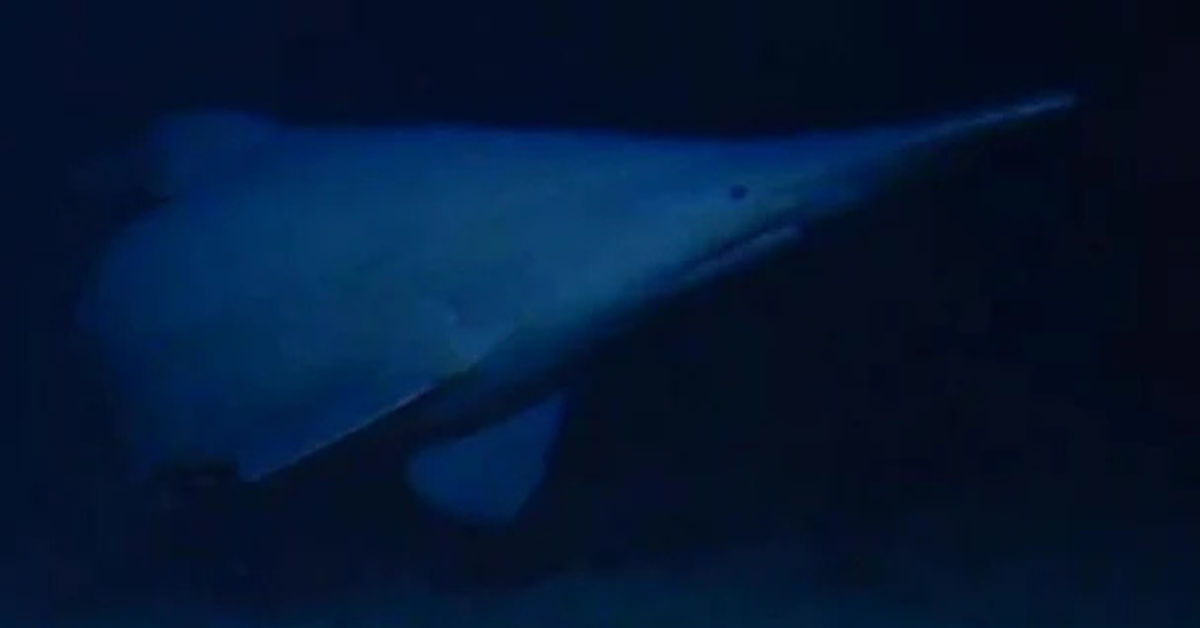
This second sighting, captured by a baited camera strategically placed in the crushing pressures and perpetual darkness of the trench, provided further invaluable data. Unlike the 2019 encounter, which was a fortunate byproduct of broader exploration, this observation was the culmination of a deliberate strategy to seek out and document elusive deep-sea species.
Unveiling the Abyssal Dweller: Supporting Data and Scientific Insights
The goblin shark’s habitat is intrinsically linked to its rarity. These creatures are predominantly found in deep-sea environments, typically at depths ranging from 1,000 to 4,000 feet (300 to 1,200 meters) and sometimes even deeper. Their preferred locations include the continental shelves and slopes, areas characterized by immense pressure, near-freezing temperatures, and complete absence of sunlight. This extreme environment presents significant challenges for scientific study, as specialized equipment and considerable resources are required to conduct research.
Key Characteristics of the Goblin Shark:
- Appearance: The goblin shark is easily identifiable by its disproportionately long, flattened, and pointed snout, often described as sword-like or spade-like. This structure is believed to house an array of electroreceptors, enabling the shark to detect prey in the dark depths. Its jaws are protrusible, meaning they can be extended rapidly to capture unsuspecting prey. Their skin is typically a pale pinkish-gray, and they possess small, dark eyes.
- Size: While exact maximum sizes are difficult to ascertain due to limited specimens, goblin sharks are estimated to grow up to 12 feet (3.7 meters) in length and can weigh upwards of 460 pounds (209 kilograms).
- Diet: Their diet is thought to consist primarily of deep-sea fish, squid, and crustaceans, which they ambush using their unique jaw extension mechanism.
- Behavior: Due to their solitary nature and deep-sea habitat, much of their behavior remains speculative. However, experts believe they are relatively slow-moving predators, relying on their sensory adaptations and ambush tactics rather than speed.
- Distribution: Goblin sharks have been found in deep waters off the coasts of Japan, Australia, New Zealand, Portugal, and the United States, indicating a wide but sparsely populated distribution in the world’s oceans.
The video footage obtained from both sightings offers critical insights into these characteristics. The 2019 footage, though captured serendipitously, provided a clear view of the shark’s movement and general behavior in its natural setting. The 2024 footage, obtained through a baited camera, offered a more focused look at the shark’s feeding apparatus and its interaction with its environment. Researchers are currently undertaking detailed analysis of the video data, including frame-by-frame examination of its movements, the functionality of its snout and jaws, and its overall physical condition. This analysis will be crucial in building a more comprehensive understanding of the goblin shark’s biology.
The publication in the Journal of Fish Biology is significant as it provides a peer-reviewed platform for these critical observations. The study meticulously details the circumstances of each sighting, the methodologies employed, and the scientific implications. This rigorous approach ensures that the findings are credible and contribute meaningfully to the global body of marine science.
Official Responses and Expert Perspectives: A Wave of Excitement
The scientific community has reacted with overwhelming enthusiasm to the news of these goblin shark sightings. Marine biologists and oceanographers worldwide have hailed the events as a monumental achievement in deep-sea research.
"This is truly a landmark moment for ichthyology and marine conservation," commented Dr. Anya Sharma, Director of the Global Oceanographic Institute. "For so long, the goblin shark has been an elusive ghost of the deep. To finally see one alive, thriving in its natural environment, is not just scientifically rewarding but deeply inspiring. It reminds us how much we still have to learn about our planet’s oceans."
The researchers involved in the expeditions have expressed their profound sense of accomplishment. Dr. Vance stated, "The initial discovery in 2019 was a thrilling accident. The confirmation that it was indeed a goblin shark brought immense satisfaction. The more recent, intentional sighting in the Tonga Trench is a testament to the persistence and ingenuity of deep-sea explorers. It opens new avenues for research into these incredible creatures."

Professor Tanaka echoed this sentiment, emphasizing the collaborative nature of such discoveries. "These expeditions are the result of years of planning, technological development, and the dedication of numerous individuals. The fact that we can now share these images of a live goblin shark is a victory for collaborative science and our collective quest to understand the natural world."
Organizations dedicated to ocean conservation have also voiced their support. The World Wildlife Fund (WWF) released a statement commending the researchers for their groundbreaking work. "The goblin shark is a symbol of the mysterious and fragile ecosystems that lie hidden in the deep ocean," the statement read. "These sightings highlight the urgent need to protect these remote environments from human impacts, such as deep-sea mining and unsustainable fishing practices. Every new piece of information we gain about these species underscores their importance and the necessity of their preservation."
Implications for Deep-Sea Research and Conservation: A New Era Dawns
The successful observation of live goblin sharks carries profound implications for both scientific understanding and conservation efforts.
Advancements in Deep-Sea Technology: These sightings are a testament to the increasing sophistication of deep-sea exploration technology. The ability to deploy high-definition cameras, remotely operated vehicles, and baited camera systems in such extreme environments has proven crucial. This success will likely spur further investment and innovation in these areas, enabling more comprehensive studies of abyssal ecosystems.
Understanding Shark Ecology and Evolution: The footage provides the first direct observational data on goblin shark behavior, movement patterns, and habitat utilization. This information is invaluable for understanding their ecological role within the deep-sea food web and their evolutionary adaptations to extreme environments. Scientists can now begin to develop more accurate models of their life cycle, reproductive strategies, and population dynamics.
Conservation Imperatives: The goblin shark’s deep-sea habitat is increasingly facing threats from human activities. As deep-sea mining and resource extraction become more prevalent, understanding the biodiversity and vulnerability of these ecosystems is paramount. The goblin shark, as a unique and poorly understood species, serves as an indicator of the health of these remote environments. These sightings can galvanize public and governmental support for increased protection of deep-sea habitats.
Public Engagement and Education: The striking appearance of the goblin shark, coupled with the rarity of its observation, makes it a powerful ambassador for ocean science. The visual evidence of these creatures alive in their natural habitat has the potential to capture the public’s imagination, fostering greater awareness and appreciation for the wonders of the deep sea and the importance of marine conservation.
In conclusion, the recent sightings of live goblin sharks in their natural habitat represent a significant leap forward in our understanding of these mysterious creatures and the extreme environments they inhabit. These achievements, born from a blend of serendipity and deliberate scientific endeavor, not only illuminate the shadowy world of the deep sea but also underscore the urgent need for continued exploration and robust conservation measures to protect these invaluable and often unseen ecosystems. The goblin shark, once a mere legend whispered in scientific circles, has now emerged from the abyss, offering a tantalizing glimpse into a world few have ever witnessed.


 Azzam Bilal Chamdy
 Reynand Wu