


 Basiran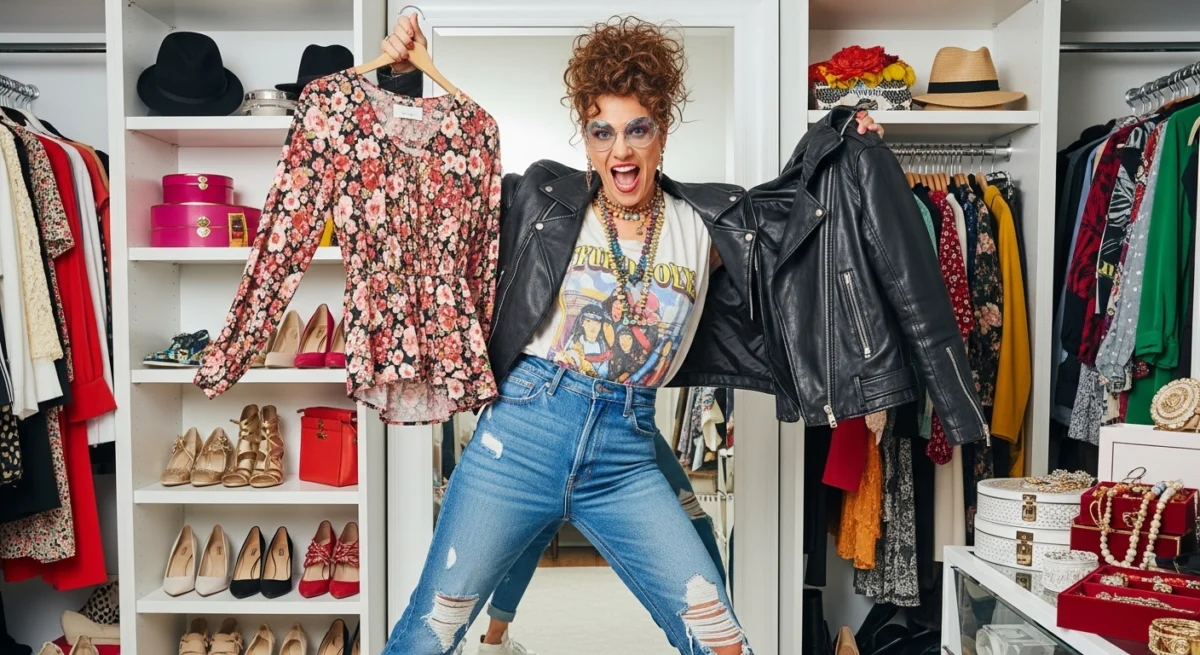
In an era dominated by rapid trend cycles and the siren call of "fast fashion," it is easy to succumb to the belief that personal style is inextricably linked to a high-end budget or a sprawling walk-in closet. However, the most stylish individuals—those who possess an enduring sense of elegance—often rely on a practice far more effective than impulsive shopping: the strategic wardrobe edit. Fashion style edits are not reserved for the elite; they are a fundamental tool for anyone looking to maximize their existing assets, boost their confidence, and cultivate a signature look that transcends the fleeting trends of social media.
This article serves as a comprehensive guide to mastering the art of the closet edit, transforming the contents of your existing wardrobe into a curated collection that feels both fresh and uniquely yours.
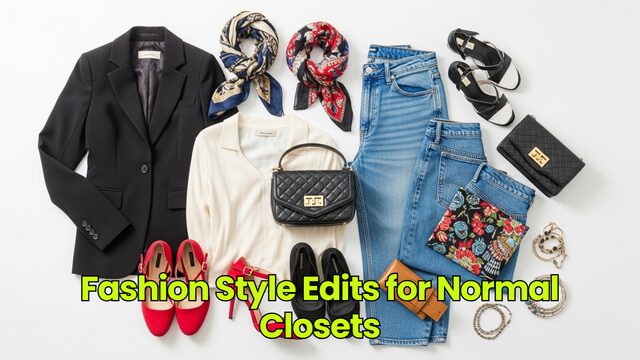
The Philosophy of the Edit: Why Less is More
The "I have nothing to wear" dilemma is rarely a reflection of an empty closet; rather, it is a symptom of poor organization and a lack of vision. To become a fashion icon in your own right, one must move away from the mindset of accumulation and toward the mindset of curation.
A successful fashion style edit is an exercise in creativity. It is about understanding that your clothing—your everyday basics, your neglected vintage finds, and your reliable staples—is a palette. When you strip away the clutter, you uncover the potential to create outfits that are not only aesthetically pleasing but deeply functional. This process brings optimism back to your morning routine, replacing the stress of choice with the thrill of creation.
Chronology of a Wardrobe Transformation
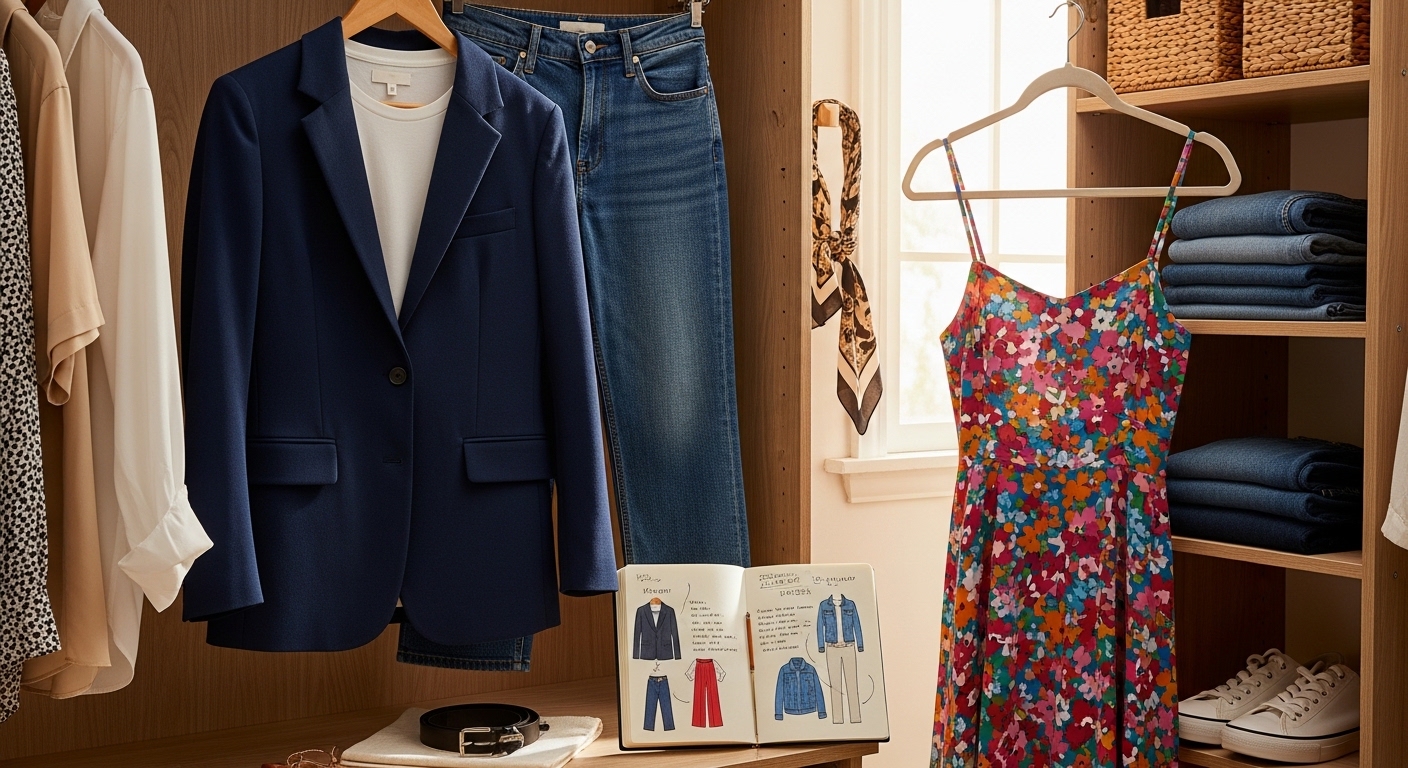
Achieving a timeless style requires a systematic approach. By following these eleven steps, you can transition from a chaotic closet to a refined, high-functioning wardrobe.
1. The Audit: Starting with What You Have
Before you consider purchasing a single new item, you must audit your current inventory. Pull every garment out of your closet. This is the moment of truth. Identify your "key players"—the high-quality blazer, the perfectly broken-in pair of jeans, or that versatile dress that sits in the back of your closet. These items are the foundation of your style.
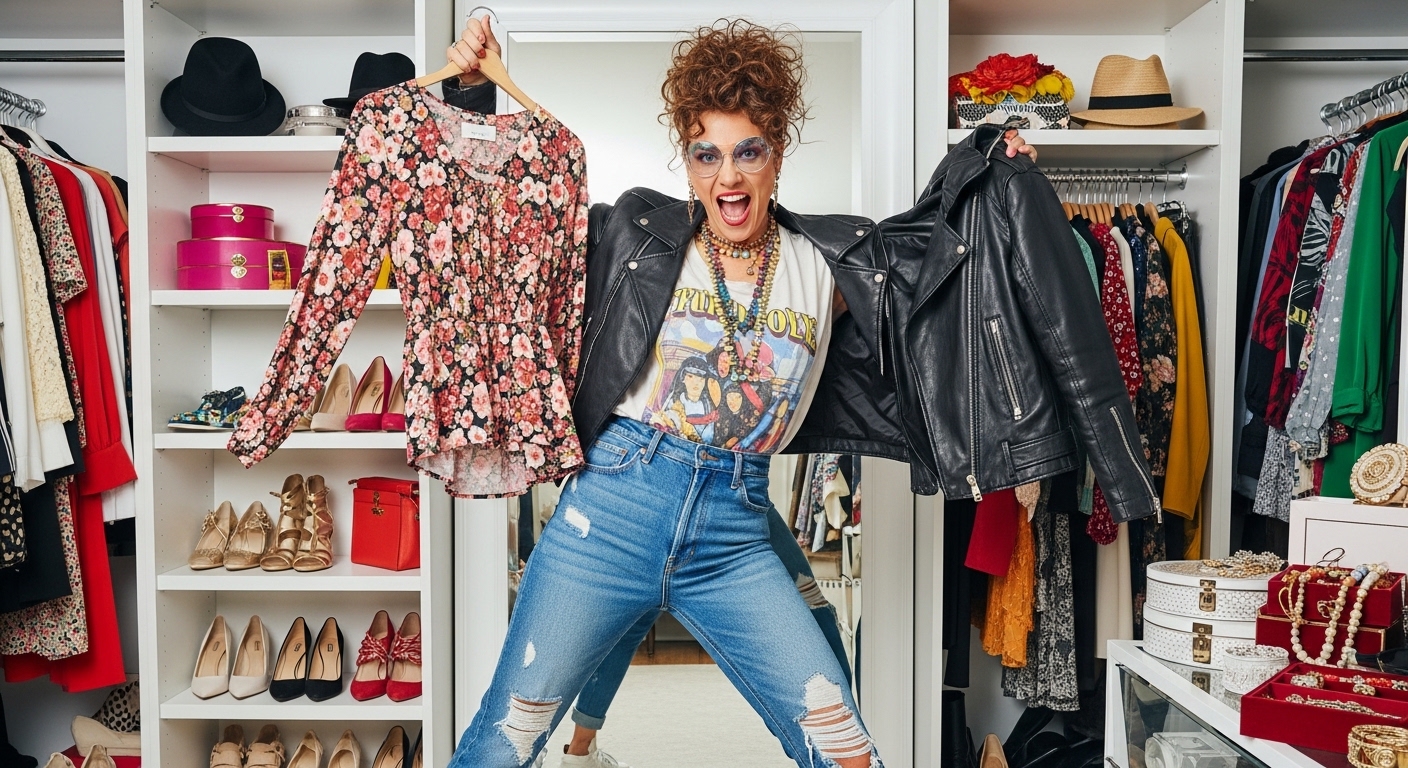
2. The Art of the Mix and Match
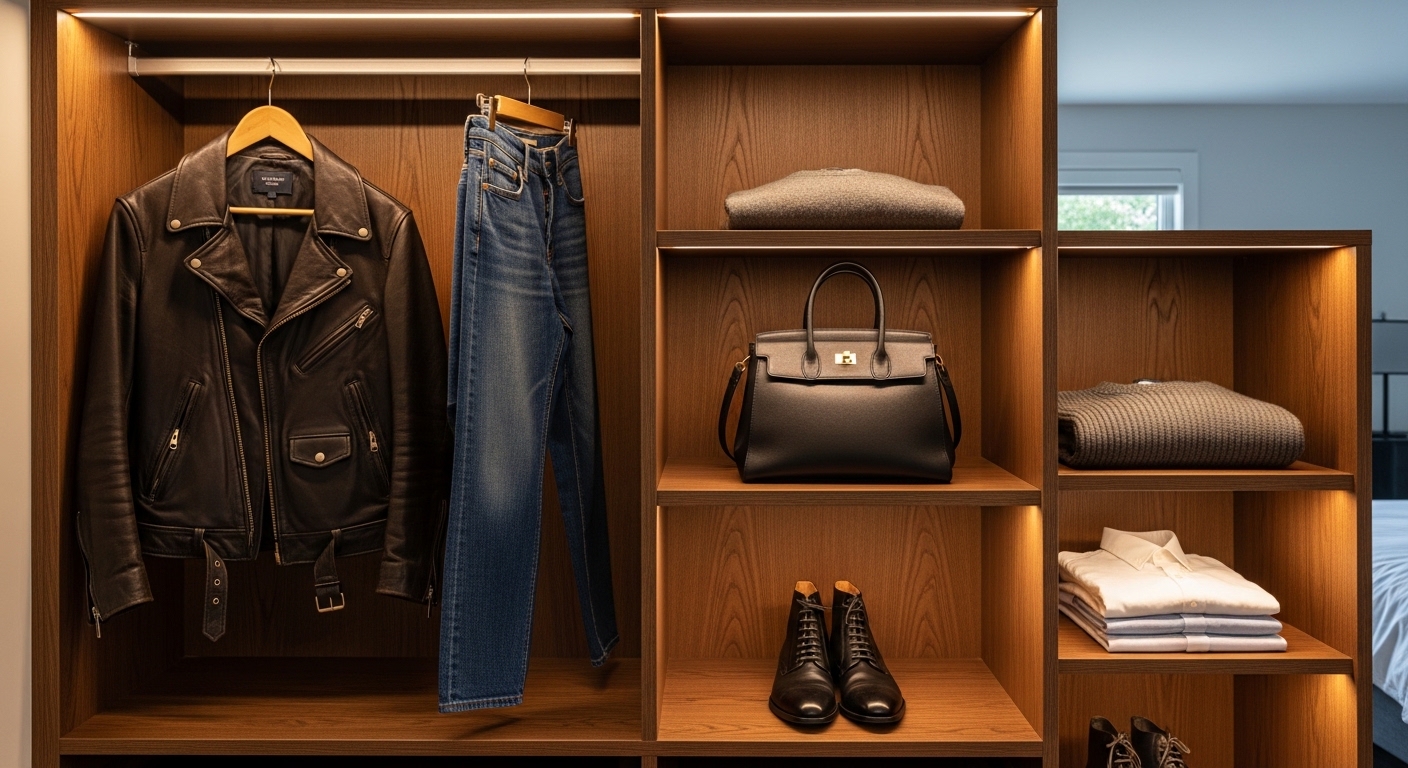
Once your foundation is established, begin testing unconventional combinations. The modern style edit thrives on contrast. Try pairing a formal silk blouse with distressed denim, or layering a structured blazer over a casual hoodie. The goal is to break your own fashion rules. By mixing textures—leather with wool, cotton with silk—you force your wardrobe to behave in new, exciting ways.
3. Elevating with Accessories
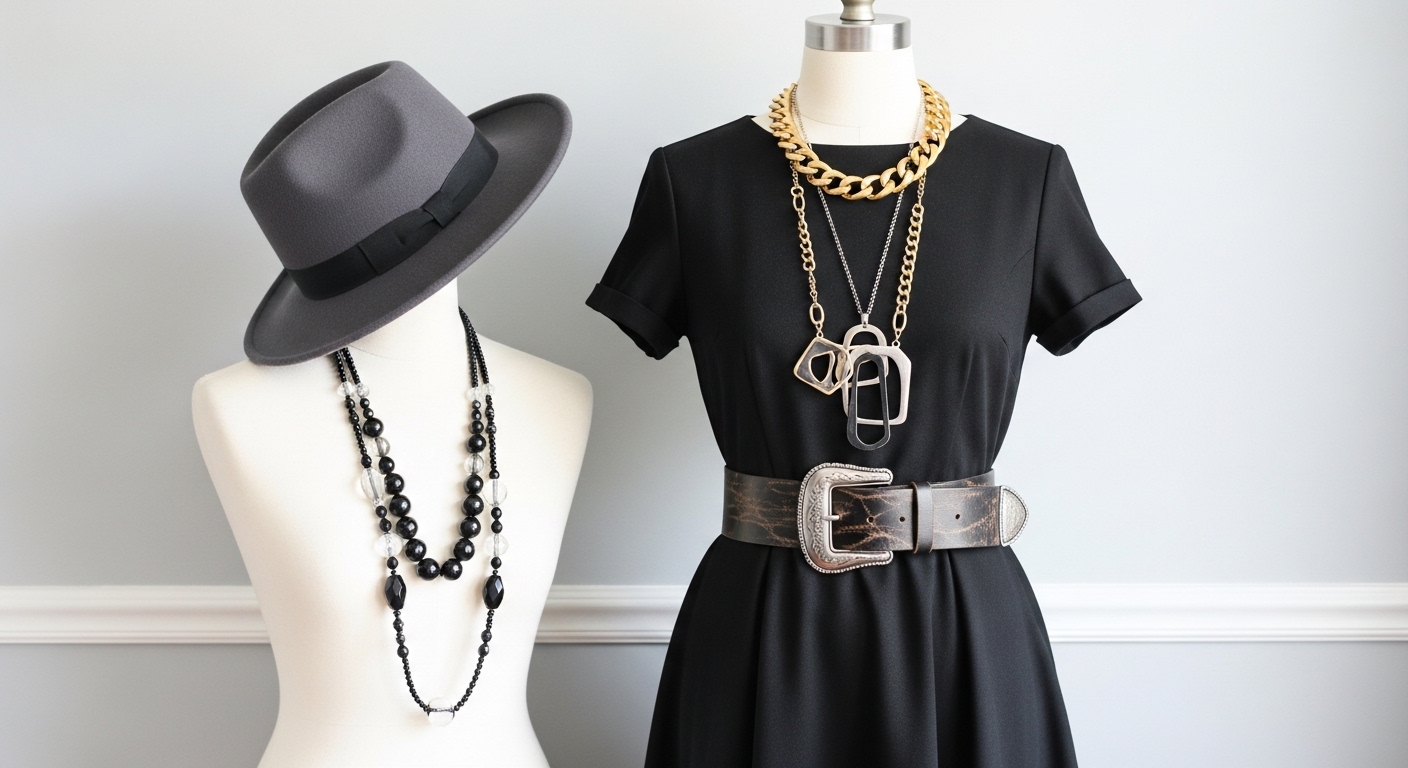
Accessories are the force multipliers of style. A simple black dress is transformed into a statement piece through the addition of a chunky belt, a stack of necklaces, or a bold shoe. If your outfit feels like a "snooze fest," the solution is almost always found in your accessory drawer, not at the checkout counter of a clothing store.
4. Mastering the Layering Technique
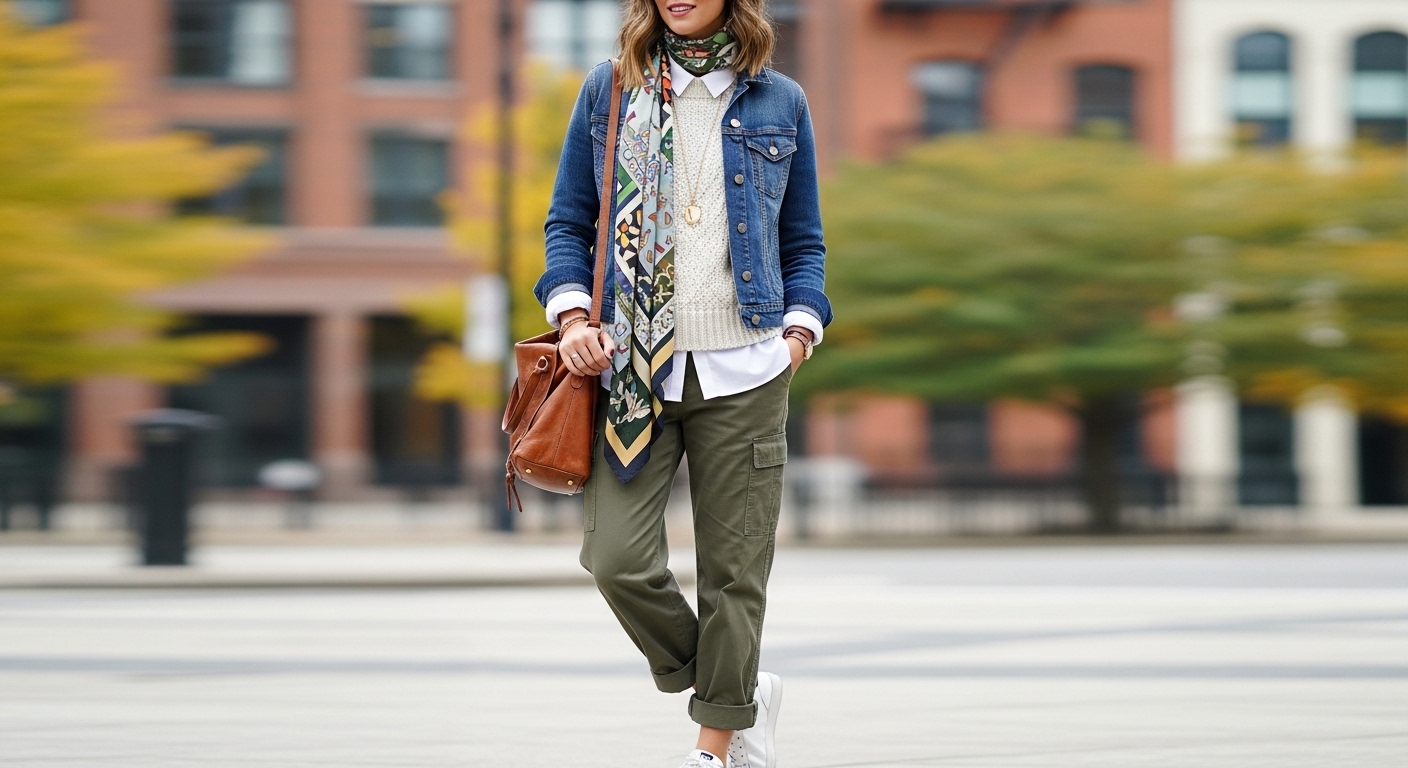
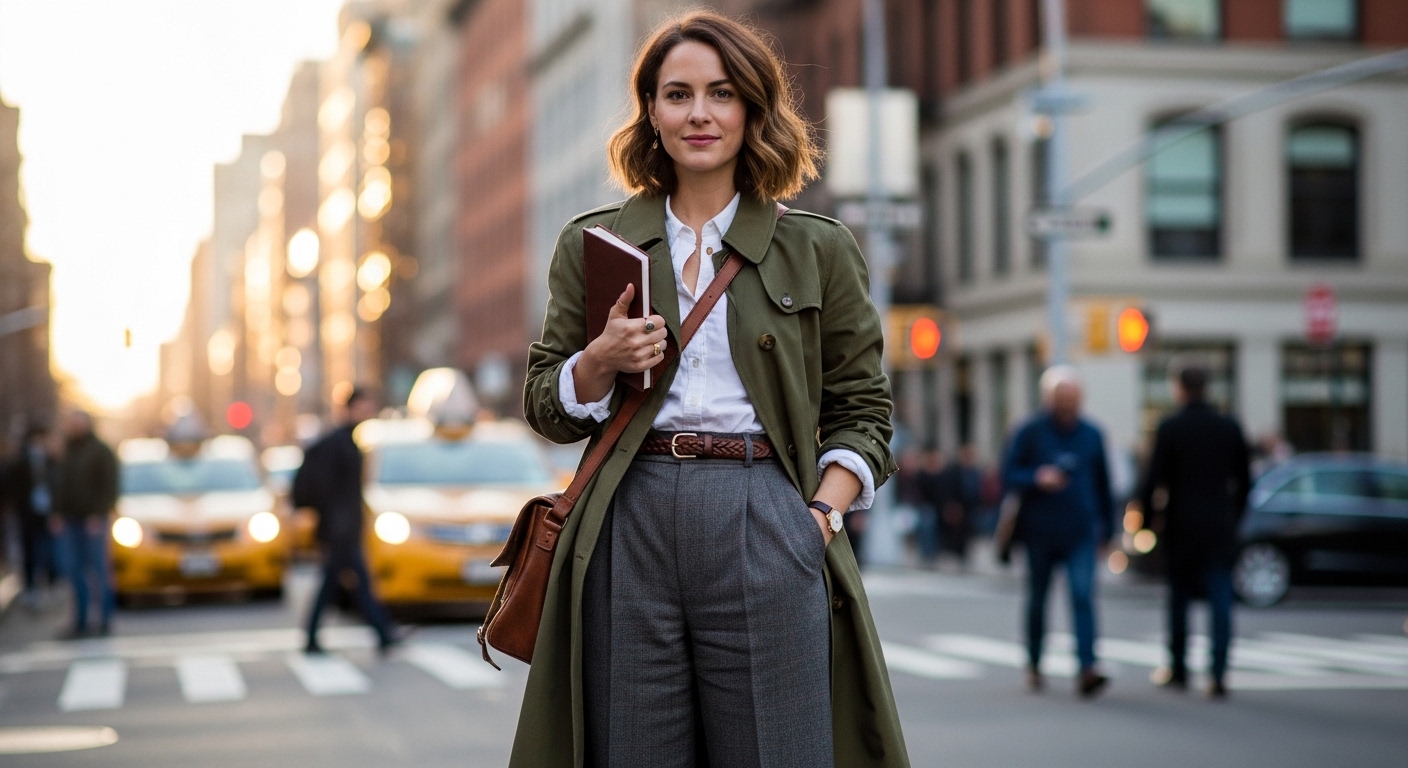
Layering is the secret weapon of the fashion-forward. It adds depth and dimension to an outfit while providing practical solutions for transitional weather. By placing a lightweight sweater over a dress or a denim jacket over a tank top, you create a visual narrative that feels professional and intentional.
5. Playing with Color and Texture
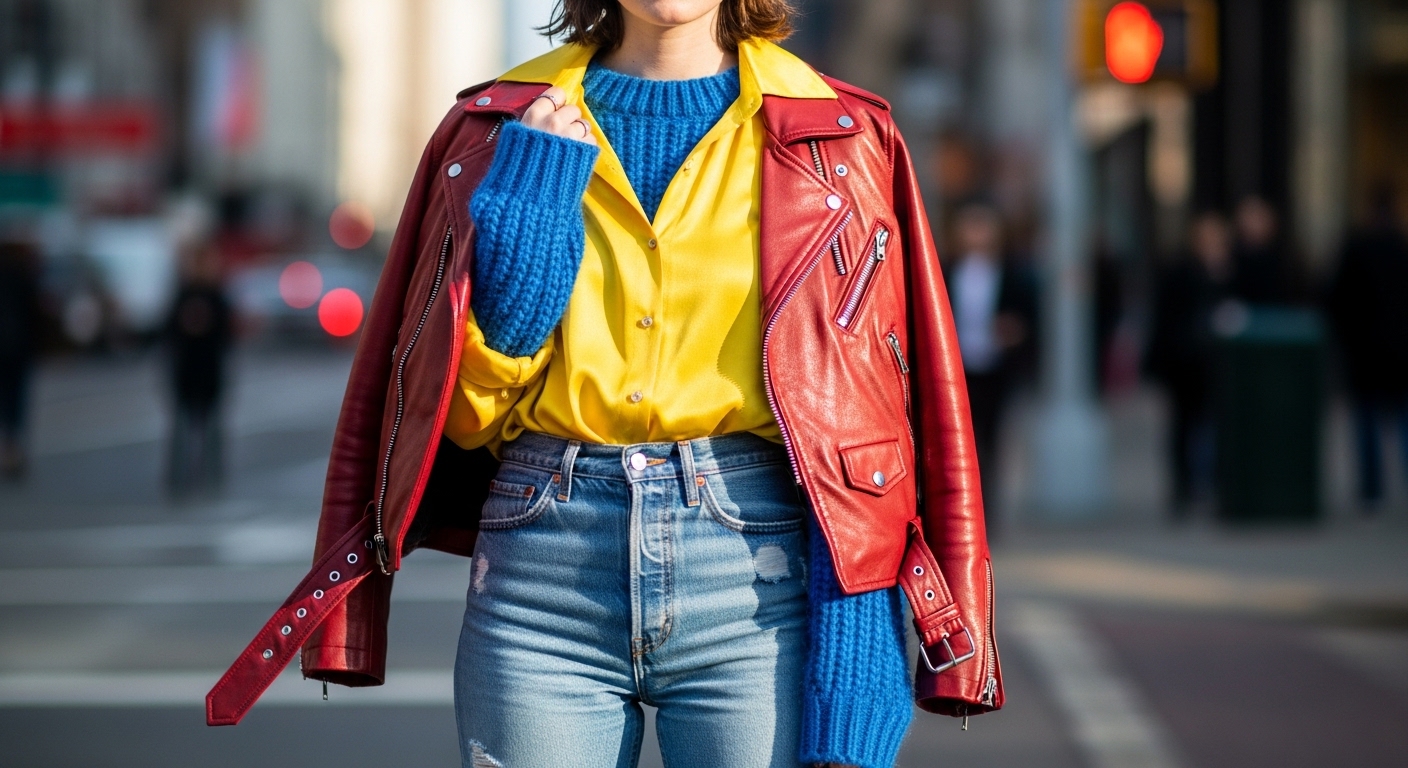
Color theory can elevate a basic outfit into something "fashion-forward." You do not need a wardrobe of rainbows; you need a strategic use of color. A vibrant scarf or a textured handbag can provide the "wow factor" needed to break the monotony of a neutral-toned ensemble.
6. The Role of Footwear
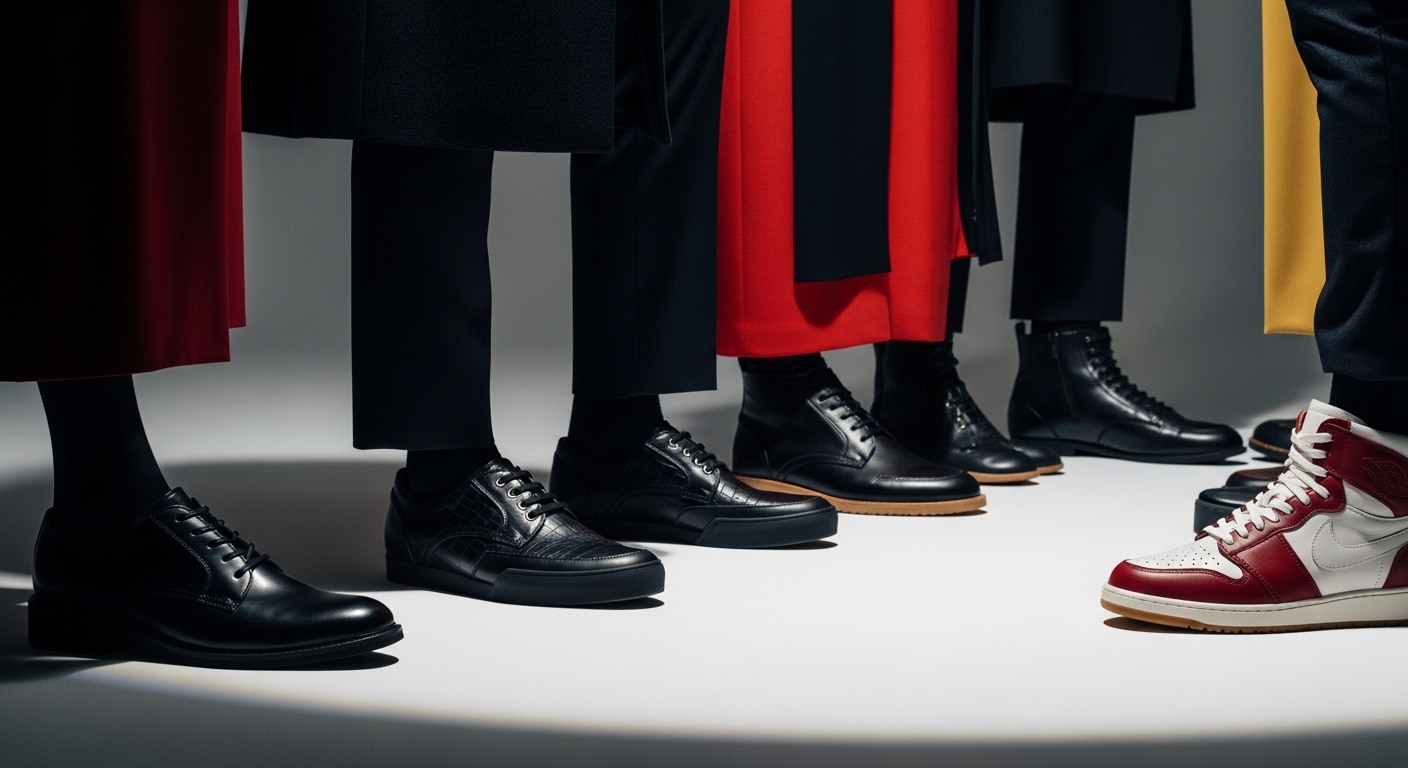
Footwear is the anchor of your silhouette. The right boot, heel, or sneaker can dictate the entire vibe of an outfit. Never underestimate the power of a bold shoe to redefine a look. If you are wearing a classic outfit, a pair of statement shoes can add the necessary edge to make the look feel contemporary.
7. Prioritizing Personal Style Over Trends
Trends are fleeting; style is permanent. When editing your closet, be ruthless about discarding items that do not align with your personal brand, regardless of how "in vogue" they may be. Confidence is the ultimate accessory, and you cannot be confident in clothes that do not reflect your true self.
8. Quality Over Quantity: The Smart Shopper’s Creed
When you do need to fill a gap in your wardrobe, adopt a "quality over quantity" approach. Invest in timeless pieces—well-tailored trousers, high-quality knitwear, and classic outerwear—that will survive multiple seasons. A single, well-made item is worth more than ten cheaply made trends that will lose their shape after a few washes.
9. Organizational Excellence
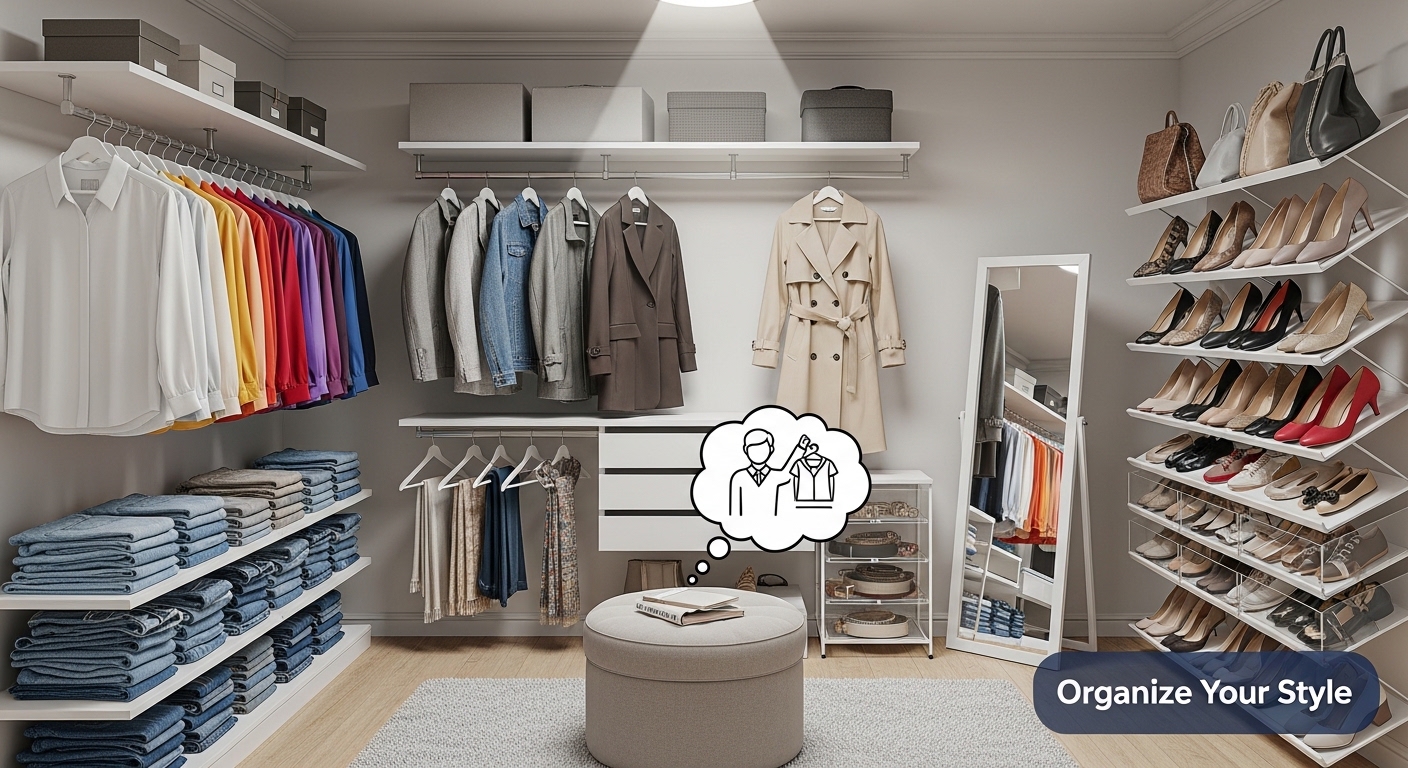
An unorganized closet is a graveyard of good ideas. Organize your items by category or color. When you can see everything you own, you are more likely to utilize your pieces effectively. A tidy space allows for a clear mind, which is essential for the creative process of styling.
10. Drawing Inspiration from Influencers and Icons
We live in an age where inspiration is abundant. Use platforms like Instagram and Pinterest to see how others are styling their pieces. Whether it is the streetwear-influenced look of Hyunjin from Stray Kids or the timeless, elegant aesthetic of 90s icons like Shalom Harlow, use these references as a spark for your own creativity—never as a blueprint for imitation.
11. The Ongoing Evolution
Finally, recognize that your style will evolve as your lifestyle and tastes change. A fashion edit is not a one-time event; it is an ongoing maintenance ritual. Reassess your wardrobe every few months to ensure it remains a true reflection of the person you are today.
Supporting Data: The Impact of Sustainable Styling
Recent industry studies suggest that the average consumer only wears approximately 20% of their wardrobe on a regular basis. By implementing a consistent style edit, individuals can increase the "cost-per-wear" efficiency of their clothing, reducing the demand for fast-fashion production.
Furthermore, psychological studies have shown that a curated, organized environment—including one’s closet—is linked to reduced cortisol levels and increased morning productivity. When you remove the friction of decision-making by curating a wardrobe of pieces you love, you improve your overall mental well-being.
Official Perspectives: Fashion Industry Insights
Fashion experts and stylists increasingly advocate for "capsule wardrobes." Industry leaders suggest that the shift toward intentional consumption is the most significant trend in the modern fashion landscape.
"The most stylish people I work with are not those who buy the most clothes," notes one prominent wardrobe consultant. "They are the ones who understand how to make a single item perform in five different contexts. That is the definition of a true fashion icon."
Implications: The Future of Personal Style
The implications of embracing the "edit" mindset are profound. On a personal level, it fosters a deeper connection with your belongings, leading to a more sustainable and intentional lifestyle. On a broader scale, it challenges the industry to prioritize durability and timeless design over the disposability of current trends.
By treating your closet as a canvas and yourself as the artist, you reclaim your agency. You are no longer a passive consumer at the mercy of seasonal trends; you are an architect of your own image.
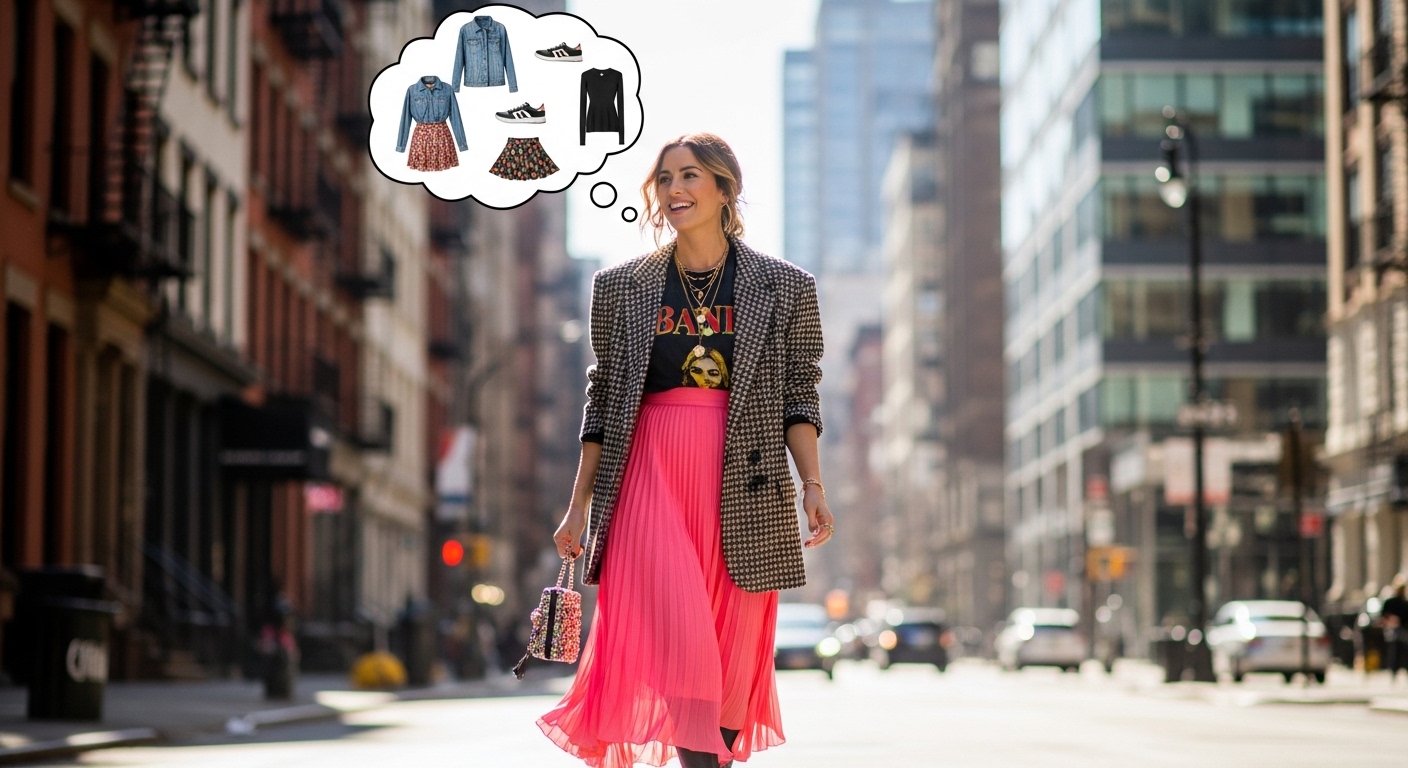
In conclusion, the path to a better wardrobe is paved with creativity, not cash. By starting with what you have, experimenting with layering and accessories, and staying true to your personal aesthetic, you can build a collection of outfits that make you feel like an icon every single day. The next time you find yourself staring at your closet in frustration, remember: the potential for a fresh, inspiring look is already hanging on the rack, just waiting for you to edit it into existence.


 Ammar Sabilarrohman
 Nana Wu