

 Lina Hope
YELLOWSTONE NATIONAL PARK, WYOMING – June 12, 2026 – A grim discovery was made on the shores of Yellowstone Lake on Saturday, June 8, 2026, when the body of a missing kayaker was found by fellow park visitors. The deceased has been identified as Brandon Rhea, a 41-year-old resident of Denver, Colorado. The incident has sent ripples of shock and sorrow through the community and highlighted the inherent dangers present even in the most serene natural landscapes.
Rhea had been reported missing after his capsized kayak and personal belongings were spotted near Bridge Bay on the lake’s northwest shore. National Park Service rangers were promptly dispatched to the scene to conduct a recovery operation. While the investigation into the precise circumstances surrounding Rhea’s death is ongoing, preliminary details paint a somber picture of a recreational outing that tragically ended.
Yellowstone Lake, a vast and breathtaking expanse of water, is a popular destination for boating and other water-based activities during the warmer months. However, its beauty belies a formidable and unforgiving environment. The frigid temperatures of the lake, which hover around an average of 41 degrees Fahrenheit (5 degrees Celsius) year-round, present a significant hazard to anyone entering its waters. Survival time in such conditions is estimated to be as short as 20 to 30 minutes, underscoring the extreme danger of accidental immersion.
A Timeline of Discovery and Recovery
The events leading to the tragic discovery began to unfold on the afternoon of June 8, 2026. Tourists enjoying the scenic vistas of Yellowstone Lake stumbled upon the unsettling scene: a solitary, capsized kayak adrift on the water, accompanied by a scattering of personal items. Recognizing the potential danger and the possibility of a missing individual, these concerned visitors immediately alerted park authorities.
Upon receiving the report, National Park Service rangers and emergency personnel were dispatched to the location near Rock Point. Their immediate priority was to secure the area and conduct a thorough search. The recovery of Rhea’s body was a somber and meticulous process, carried out with respect and professionalism. Alongside the retrieval of the deceased, rangers also collected his personal effects, which may provide crucial clues in the ongoing investigation.
At the time of this report, official statements from the National Park Service have been limited, citing the active nature of the investigation. The specific cause of Rhea’s death has not yet been publicly disclosed, and authorities are working diligently to piece together the events that led to the capsizing of his kayak and his subsequent demise.
The Perilous Nature of Yellowstone Lake
Yellowstone Lake is the largest high-elevation lake in North America, covering approximately 132 square miles. Its immense size and depth, combined with the extreme cold of its waters, make it a challenging and potentially dangerous environment. While boating is permitted from Memorial Day through Halloween, visitors are consistently reminded of the risks associated with the lake’s frigid temperatures.
The average water temperature of 41°F means that prolonged exposure can quickly lead to hypothermia, a rapid drop in body temperature that can impair judgment, motor skills, and ultimately lead to unconsciousness and death. Even for experienced swimmers or boaters, the sudden immersion into such icy water can be a shock that triggers an involuntary gasp reflex, leading to aspiration of water.
Historical Context of Fatalities in Yellowstone National Park
While the death of Brandon Rhea is a profound personal tragedy, it is important to place it within the broader context of fatalities that have occurred within Yellowstone National Park. Statistics compiled from 2007 to 2024 reveal a total of 75 reported deaths within the park during that period. However, it is crucial to note that the majority of these fatalities were attributed to causes other than drowning or hypothermia. Medical emergencies, such as heart attacks or strokes, and motor vehicle accidents accounted for a significant portion of these tragic incidents.
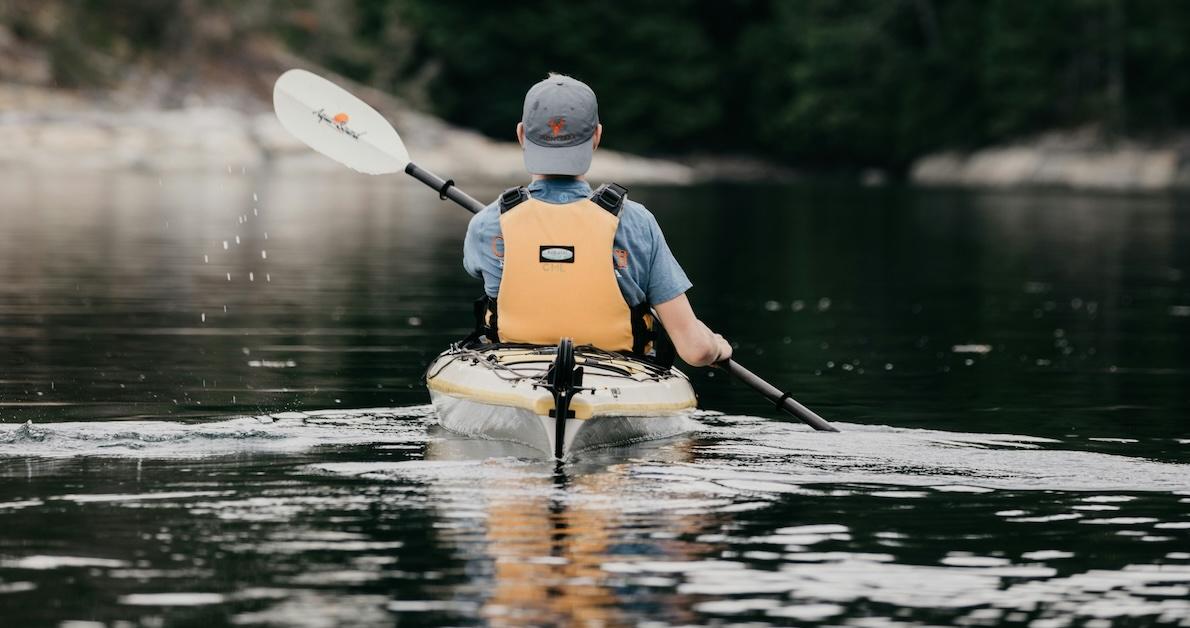
In terms of water-related deaths, the park has recorded a relatively small number. Between 2007 and 2024, there have been nine drowning incidents and one death attributed to hypothermia, separate from the current incident. These numbers, while low in absolute terms, underscore the consistent presence of risk in Yellowstone’s unique environment.
The park’s geothermal features, such as its famous hot springs and geysers, have also been the site of a number of high-profile and deeply disturbing fatalities. Since 1890, 22 individuals have died after falling into the park’s scalding hot springs. One of the most widely publicized incidents occurred in 2016 when Colin Nathaniel Scott, 23, fell into the Norris Geyser Basin’s hot springs. His remains were completely dissolved by the highly acidic and extremely hot water, a grim testament to the destructive power of these geothermal features. In that case, Scott and his sister were reportedly venturing into a prohibited area, attempting to find a place to “hot pot” – a practice of soaking in natural hot springs, which is strictly forbidden due to the extreme dangers.
More recently, in September 2024, 22-year-old Austin King disappeared while hiking Eagle Peak. He had reached the summit and left a note detailing severe weather conditions. His body was never recovered, leaving his loved ones with an agonizing absence.
Official Response and Ongoing Investigation
The National Park Service (NPS) has reiterated its commitment to investigating the circumstances surrounding Brandon Rhea’s death. The NPS manages a vast and complex park system, and the safety of its visitors is paramount. In situations like this, a thorough investigation is crucial not only to understand the specific events but also to identify any potential contributing factors or systemic issues that might be addressed to prevent future tragedies.
While official details remain scarce, it is understood that the investigation will likely involve:
- Interviewing witnesses: Any individuals who may have seen Rhea or his kayak prior to the incident will be interviewed.
- Forensic analysis: Examination of the recovered kayak and personal belongings may reveal clues about the incident.
- Environmental assessment: The conditions on Yellowstone Lake at the time of the incident, including weather patterns and water conditions, will be reviewed.
- Autopsy: A post-mortem examination will be conducted to determine the official cause of death.
The NPS utilizes a variety of methods to inform and protect visitors, including extensive signage, ranger patrols, and educational materials. However, the sheer scale of Yellowstone National Park and the unpredictable nature of its environment mean that vigilance and adherence to safety guidelines are essential for all who visit.
Implications and Future Considerations
The tragic death of Brandon Rhea serves as a stark reminder that even in places of immense natural beauty and recreational opportunity, profound risks can exist. For the family and friends of Mr. Rhea, this is an unimaginable loss. For the Yellowstone National Park community and its visitors, it is a somber moment that prompts reflection on safety protocols and the respect due to the wild.
While the investigation is ongoing, the incident will likely prompt renewed discussions about boating safety on Yellowstone Lake, particularly concerning the extreme cold of the water and the potential for sudden capsizing. It underscores the importance of:
- Preparedness: Ensuring all boaters are aware of the risks and are equipped with appropriate safety gear, including life vests.
- Information Dissemination: Continuing to emphasize the dangers of the lake’s frigid temperatures through clear and prominent signage and public awareness campaigns.
- Respect for the Environment: Encouraging visitors to understand and respect the power and potential hazards of the natural world.
Yellowstone National Park is a place of wonder and unparalleled natural beauty, but it is also a wild and untamed landscape. The loss of Brandon Rhea is a profound tragedy, and the ongoing investigation will hopefully provide answers and contribute to reinforcing safety measures for all who venture into this extraordinary place. The park’s commitment to visitor safety remains a top priority, and every incident serves as a catalyst for re-evaluation and reinforcement of best practices.


 Reynand Wu