

 Dwi Wanna
In the span of just a few years, artificial intelligence (AI) has transitioned from a niche academic pursuit to a ubiquitous utility that governs the rhythms of modern business and creative expression. At the forefront of this transformation is ChatGPT, a large language model that has become a synonym for the new age of human-machine interaction. Far more than a simple chatbot, this technology represents a fundamental shift in how we process information, generate content, and solve complex, multi-layered problems. As we navigate 2026, the influence of this AI is not merely growing—it is embedding itself into the bedrock of the digital economy.
The Mechanics of Intelligence: How the Model Works
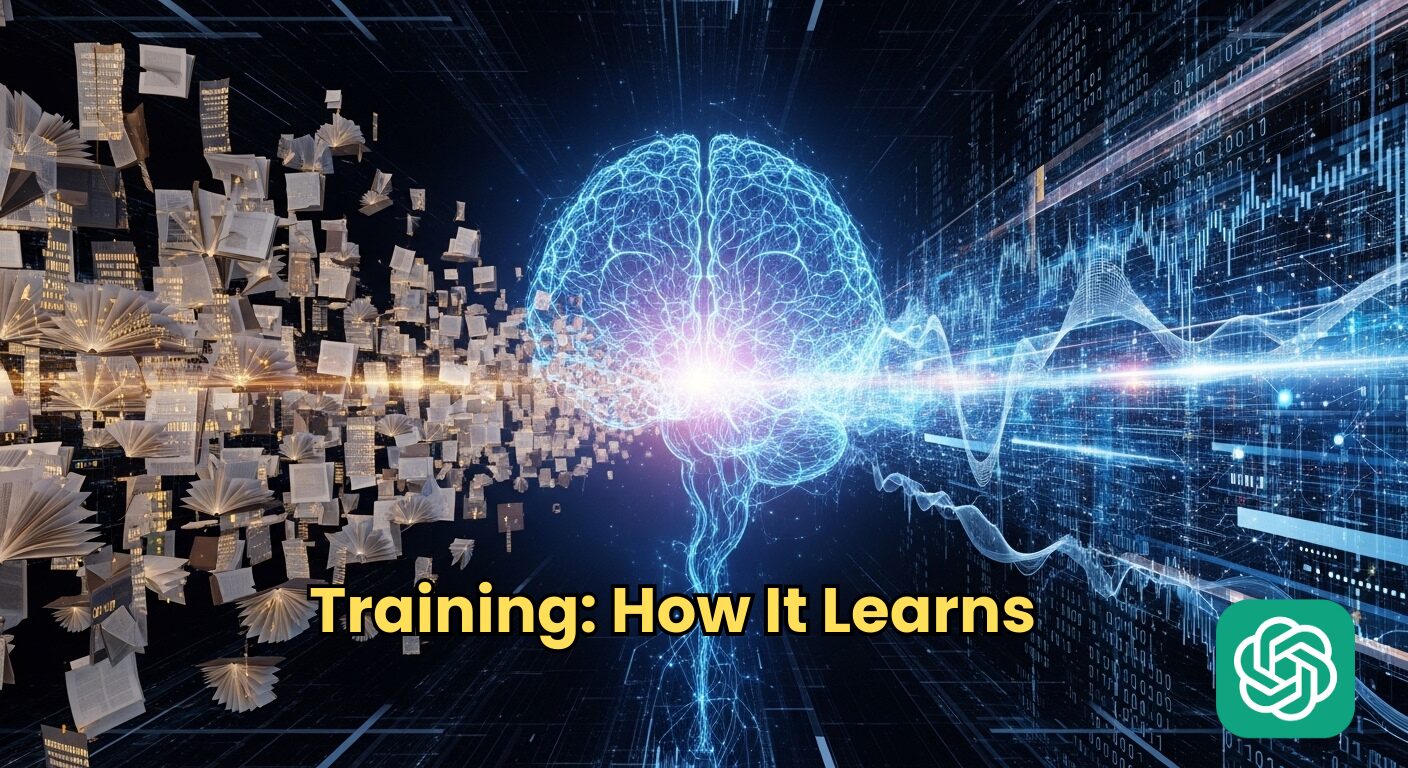
To understand the current dominance of ChatGPT, one must look at the architecture behind the interface. Unlike traditional software, which follows rigid, pre-programmed logic, ChatGPT operates on a sophisticated neural network trained on a vast corpus of human knowledge. By ingesting millions of books, articles, and research documents, the system has developed a nuanced understanding of language, tone, context, and intent.

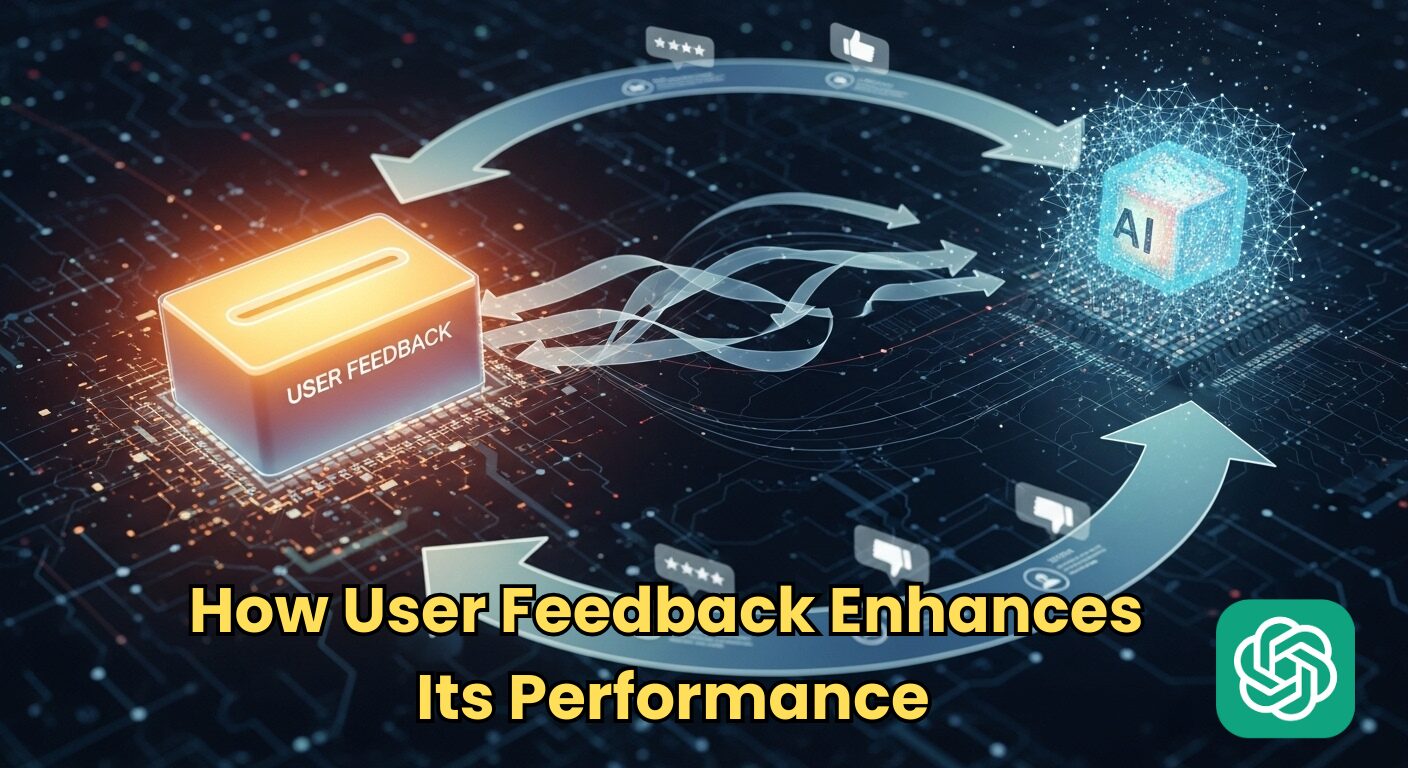
This training process is an ongoing cycle. The model is not static; it is a learning system that improves through continuous exposure to data and, crucially, through the feedback loop provided by its millions of global users. When a user queries the system or flags an inaccurate response, the underlying model registers the error and adjusts its future outputs. This iterative process is the engine of its growth, allowing it to move from rudimentary answers to highly sophisticated reasoning. However, this capacity for learning is also its greatest challenge—because it is trained on human data, it is prone to the same biases and limitations found in the source material, necessitating a cautious approach to its outputs.
A Chronology of Integration: From Chatbot to Digital Assistant
The rise of AI in the workplace did not happen overnight. The initial phase was characterized by skepticism and experimentation. Early adopters viewed these models as novelty items, useful for generating emails or drafting simple social media captions. However, as the models became more refined, the perception shifted.
- Phase One: The Discovery (Early Adoption): During this period, the technology was primarily used for text generation. Users marveled at the AI’s ability to mimic human writing styles.
- Phase Two: The Integration (Business Adoption): Companies began to realize that the tool could be used to automate customer service, streamline research, and assist in coding. This led to a massive influx of enterprise-level investment.
- Phase Three: The Multimodal Shift (Current Era): Today, we have moved beyond text. The inclusion of image generation and advanced mathematical reasoning has transformed ChatGPT into a comprehensive tool for creative professionals, engineers, and educators.
The Strategic Impact on Business and Industry
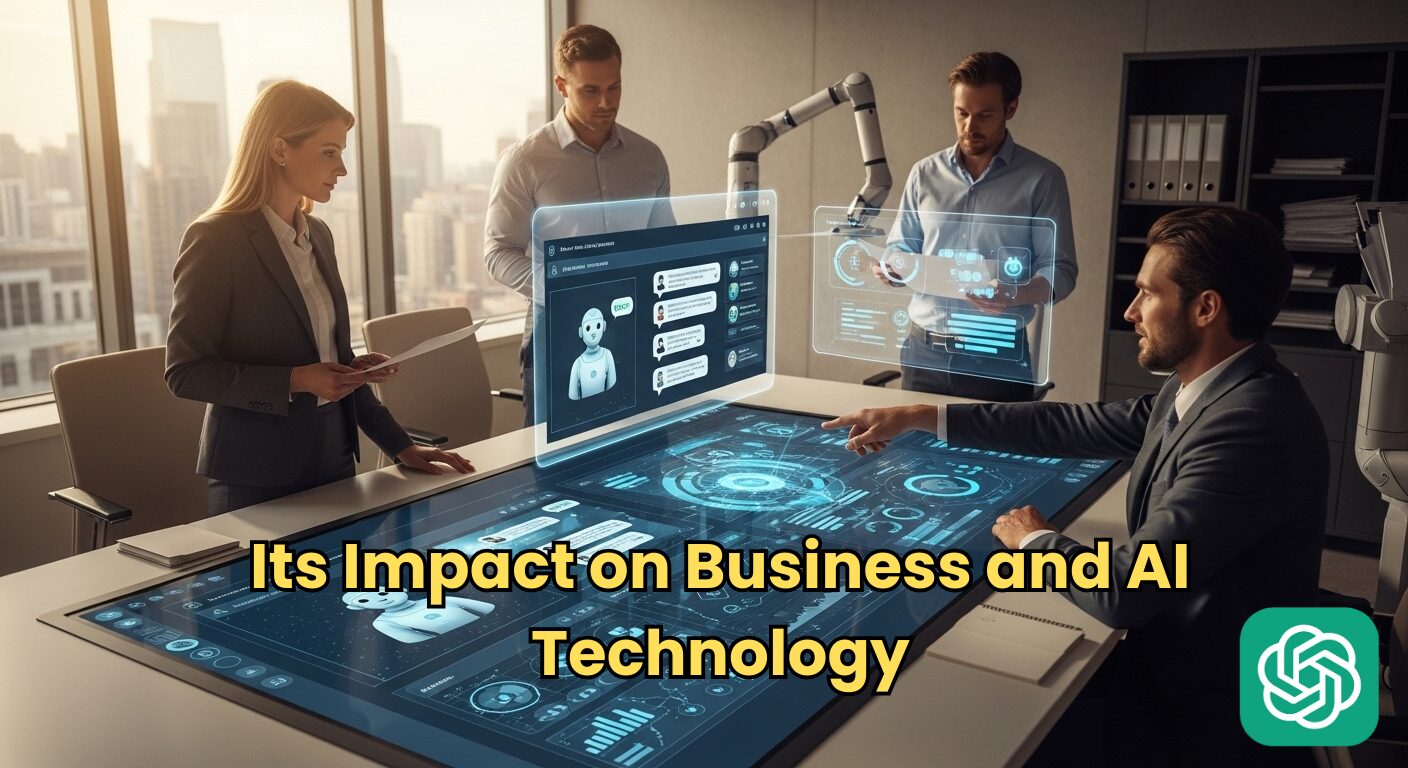
For the modern corporation, the integration of AI is no longer optional—it is a competitive necessity. The ability of the model to synthesize vast amounts of market data and identify trends has fundamentally changed the nature of strategic planning.
By automating routine tasks like market research and content generation, businesses can reallocate human capital toward higher-level decision-making. Furthermore, the 24/7 nature of AI-driven interaction allows companies to provide a level of personalized customer support that was previously cost-prohibitive. However, the pursuit of efficiency comes with a caveat: the necessity for human oversight. Relying solely on AI to dictate corporate strategy can lead to "hallucinations"—instances where the model presents incorrect or outdated information with high confidence. The most successful organizations today are those that have implemented a "human-in-the-loop" workflow, where AI acts as an advisor rather than an ultimate authority.
Visual and Analytical Capabilities: A Creative Revolution
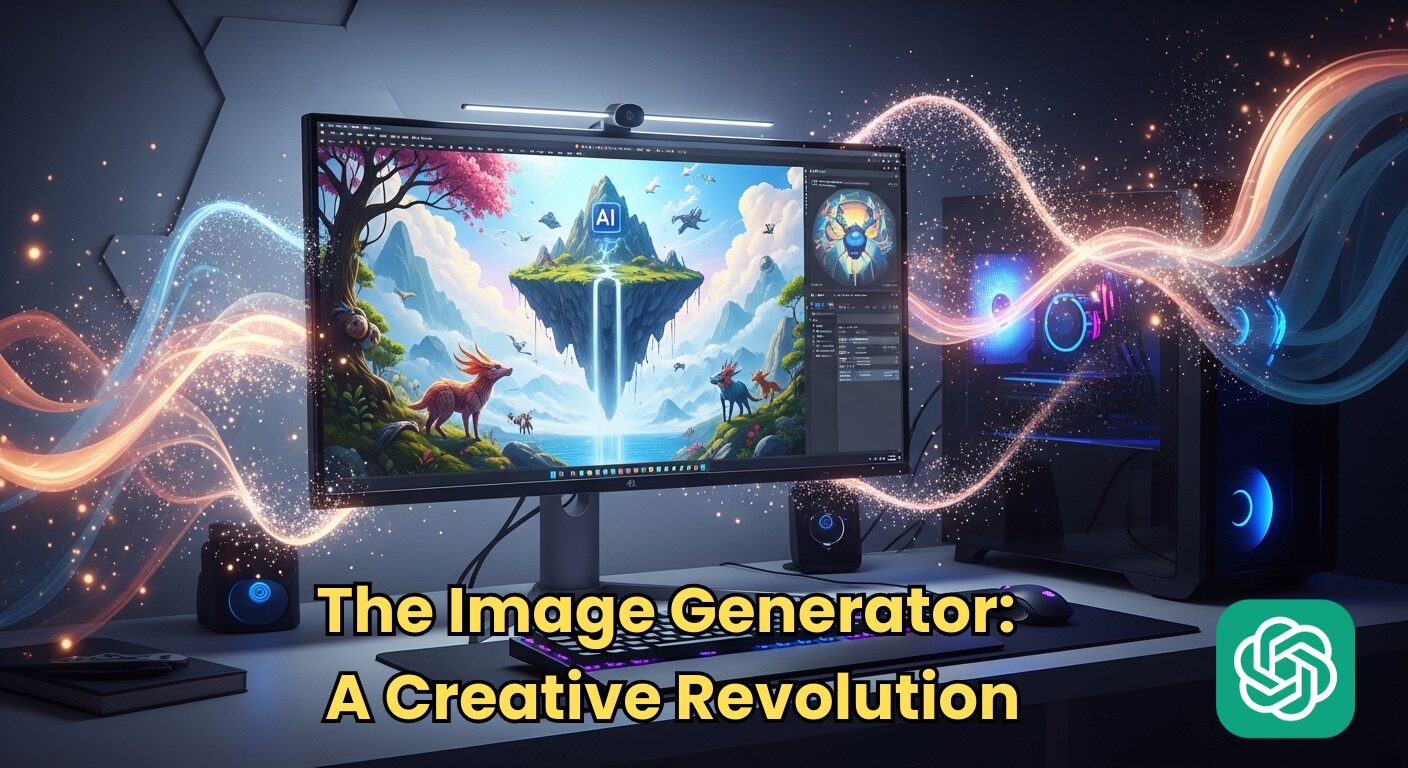
One of the most significant leaps in the technology’s evolution is its transition into visual and computational domains. The introduction of built-in image generators has empowered content creators to visualize concepts in seconds, rather than hours. Whether for marketing campaigns or website design, this tool has lowered the barrier to entry for professional-grade visual production.
Similarly, the AI’s capacity for mathematics and logic has made it a valuable resource for students and professionals alike. By breaking down complex calculus or algebraic equations into simple, step-by-step instructions, the technology acts as a personalized tutor. Yet, it remains a "work in progress." In highly complex mathematical problems, the model can still stumble, particularly when the prompt lacks sufficient context. This serves as a reminder that even as the technology achieves remarkable feats, it is still a tool—not an oracle—that requires verification.
The Critical Role of User Feedback
The rapid advancement of AI is fueled by the collective intelligence of its user base. Every time a user interacts with the system, they are participating in a massive, real-time training exercise. This feedback loop is what makes the technology so responsive to the changing needs of the public.
As the user base has grown to include hundreds of millions of people, the diversity of input has increased the model’s robustness. However, this creates a new set of expectations. Users no longer just want accuracy; they want speed, personalization, and integration with other digital tools. The pressure to meet these demands is the primary driver of the rapid-fire updates we see in the field today. Developers are in a constant race to provide cleaner, faster, and more reliable responses, while simultaneously grappling with the ethical implications of data privacy and the potential for misuse.
Supporting Data: The Scale of Adoption
The scale of AI integration is unprecedented. Current statistics suggest that hundreds of millions of individuals are now using AI on a daily basis for tasks ranging from personal scheduling to enterprise-level software development. This mass adoption is pushing AI developers to expand their infrastructure to handle the growing volume of queries.
Industry reports indicate that the demand for "AI-ready" talent and tools has tripled over the last two years. As companies rush to digitize their operations, the reliance on these large language models is expected to grow. Yet, as the volume of data grows, so does the risk of "data pollution," where the AI trains on its own generated content, potentially creating a feedback loop that degrades performance over time. This is a major area of research for developers currently working on the next generation of algorithms.
Implications for the Future
What does this mean for the future of work and society? The implications are profound.
- Labor Market Shifts: As AI takes over repetitive cognitive tasks, the value of uniquely human traits—empathy, complex judgment, and moral reasoning—will increase.
- Education Reform: Traditional testing methods are being challenged as AI becomes capable of solving complex academic problems. Education must pivot toward teaching students how to work with AI rather than competing against it.
- The Ethics of Accuracy: As we delegate more responsibility to AI, the legal and ethical frameworks regarding who is responsible for an AI’s error will become a central debate in government and industry.
Official Stance and Industry Outlook
While developers are optimistic about the future of AI, they are also increasingly transparent about its limitations. The industry consensus is that we are in the "prototyping phase of the future." While the current iterations are powerful, they are not yet fully autonomous. The official guidance from leading AI research firms emphasizes that human oversight remains a critical component of any AI-driven workflow.
Furthermore, the focus is shifting toward "agentic" AI—systems that don’t just talk, but actually perform actions on behalf of the user, such as managing a calendar, sending payments, or executing software scripts. This transition is already beginning, as seen in the emergence of specialized agents designed to automate specific workflows.
Conclusion: Preparing for the Next Phase
The artificial intelligence revolution is not a temporary trend; it is a permanent adjustment to the digital landscape. As we look ahead, the gap between those who leverage this technology effectively and those who do not will only widen.
Whether you are a student, a business owner, or a creative professional, the takeaway is clear: the AI is here to stay. It is an evolving, imperfect, and incredibly powerful ally. By understanding its strengths, respecting its limitations, and maintaining a critical, human perspective on its outputs, we can harness its potential to reshape our world for the better. The future is being written in real-time, and with the right approach, we are the ones holding the pen.


 Azzam Bilal Chamdy

 Asro