

 Nana Wu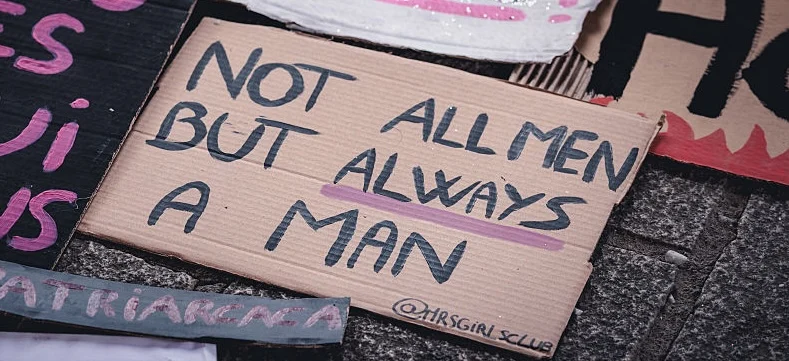
In an era defined by political volatility and a systematic legislative push against diversity, equity, and inclusion (DEI), the act of gathering has become a radical necessity. For students, scholars, and activists, feminist conferences serve as more than just academic forums; they are essential incubators for solidarity, strategic planning, and the preservation of intellectual freedom.
This spring, as the University of Wisconsin-Madison hosted the Women & Gender Studies Consortium (WGSC) 2026 conference—marking its 50th anniversary—the atmosphere was charged with a mixture of urgency and triumph. Under the theme “Rooted in Justice: Fifty Years of Feminist Scholarship and Community Engagement,” the event underscored a vital reality: while the political landscape may shift, the resolve of the feminist movement remains deeply anchored.
The Chronology of a Movement: 50 Years of Scholarship
To understand the significance of the 2026 WGSC gathering, one must look back to the origins of the field. In 1976, when the consortium held its inaugural conference, the academic environment was markedly different. Women’s studies were viewed with skepticism, often relegated to the periphery of traditional university curricula.
The early years of the consortium were defined by the struggle for legitimacy. Panels at those formative gatherings—with titles like “How to Develop a Women’s Studies Program” and “Overcoming Resistance to Women’s Studies”—highlighted a fight for institutional survival. These pioneers were not merely seeking a seat at the table; they were building an entirely new foundation for gender-based inquiry.
Fifty years later, the cycle has returned to a familiar point of friction. The 2026 milestone arrived during a period of intense national scrutiny regarding Gender and Women’s Studies (GWS) programs. With budget cuts looming across Wisconsin and similar legislative threats appearing in statehouses nationwide, the conference served as a powerful testament to the longevity of the discipline. The contrast between the 1976 founders fighting for existence and the 2026 participants defending those same hard-won programs provided a poignant, full-circle narrative that anchored the weekend’s discussions.
The Architecture of Resistance: Why We Gather
The "palpable buzz" of the conference floor at the UW-Madison Union is difficult to quantify but impossible to ignore. For the undergraduate student, often attending for the first time as part of an extra-credit initiative, the experience is transformative. It is the moment where abstract concepts from textbooks—intersectionality, structural inequality, and queer theory—collide with the lived realities of a community.
The importance of these gatherings lies in their ability to bridge the gap between academia and activism. When attendees share stories of struggling to keep local programs alive, or when they present research on supporting LGBTQ+ students in hostile environments, they are engaging in what activist Bernice Johnson Reagon termed "coalition politics."
In her seminal 1981 speech at a women’s music festival, Reagon famously noted, "Coalition work is not work done in your home… Coalition work has to be done in the streets." While the university conference room is not a picket line, it functions as the "war room" where the strategies for the street are forged. By stepping away from the isolating glow of digital screens and into a space of collective listening, participants reclaim the agency that modern political discourse often seeks to strip away.
Supporting Data: The Current Climate for GWS
The challenges facing GWS programs in 2026 are not merely anecdotal; they are documented and pervasive. Recent legislative trends, including executive orders targeting DEI initiatives and severe budgetary constraints on public universities, have created a "chilling effect" on academic freedom.
According to reports from higher education monitors, several programs across the United States are currently facing the threat of termination. This "DEI purge" is framed by proponents as a return to traditional education, but critics argue it is a calculated effort to erase the histories and contributions of marginalized groups.
The data suggests a paradox: as GWS programs face increased administrative and financial pressure, student interest remains high. At institutions like Iowa State University, recent student research conferences have seen record engagement, with students eager to act as the face of the discipline. These events provide a platform for students to validate their research, proving that despite the threat of institutional erasure, the intellectual demand for these programs is only growing.
Official Responses and Institutional Stance
The administration of universities hosting these conferences often walks a thin line between supporting academic freedom and navigating state-mandated restrictions.
For the WGSC at UW-Madison, the partnership with the Office of the Gender & Women’s Studies Librarian (GWSL) has been instrumental in maintaining a steady repository of resources. By formalizing the archive of feminist history, the university ensures that even if programs face temporary closures or restructuring, the intellectual heritage remains intact.
In response to the "Banned!" series launched by Ms. magazine, educators have begun to voice their concerns more loudly. The consensus among faculty is that silence is the greatest threat to their programs. By documenting the impact of legislation on their daily teaching, they are providing a public record of the damage being done to the democratic fabric of education. The call for pitches from educators experiencing these pressures serves as an official invitation for the academic community to move from behind the lectern into the role of public witness.
Implications: Beyond the Conference Walls
What does the future hold for feminist scholarship? The implications of the current "anti-DEI" movement extend far beyond the campus bookstore. When universities shutter GWS programs, they diminish the critical thinking capacity of the next generation of leaders.
However, the resistance is decentralizing. As the 2026 conference demonstrated, coalition work is no longer tethered exclusively to elite university settings. The emergence of local consciousness-raising groups meeting in public libraries, the rise of student-led advocacy networks, and the increased participation in national conferences like the National Young Feminist Leadership Conference suggest a pivot toward a more grassroots model of feminism.
The Path Forward: Lessons for 2026 and Beyond
The key takeaway from this year’s milestone is that the work of feminism is inherently communal.
- Validation through Presence: Simply showing up to these spaces validates the importance of the work. The "thunderous applause" heard at keynote addresses is a reminder that researchers and students are not alone in their convictions.
- Resource Sharing: Conferences allow for the rapid dissemination of strategies. When one school successfully defends its curriculum, that model can be exported to others facing similar threats.
- Generational Continuity: By bringing in undergraduates, the conference ensures that the baton is passed. Watching younger students chat with veteran professors about the most recent speaker highlights the thriving nature of the field.
As the 2026 conference concluded, the overwhelming sentiment was not one of defeat, but of rejuvenation. While the political climate may insist on the marginalization of feminist voices, the existence of these spaces proves that the community is not only surviving but evolving.
"Coalition work doesn’t have to be flashy," as seen in the various forms of activism occurring globally. Whether it is a yard sign, a community library meeting, or a large-scale academic conference, the act of coming together is a refusal to be silenced. The challenges ahead are significant, and the legislative headwinds will likely persist, but the history of the last 50 years proves that when scholars and activists gather, they build something that lasts.
The future of feminist inquiry is not just in the hands of the tenure-track professor; it is in the hands of the student who attends their first conference, the neighbor who starts a discussion group, and the advocate who refuses to let the lights go out on gender studies. As we look toward the next 50 years, the mandate remains clear: gather, organize, and build.
Ms. Classroom invites all educators and students impacted by current legislative attacks on higher education to contribute their voices to our ongoing series, "Banned! Voices from the Classroom." Your stories are the evidence of our resilience. Please submit your pitches or op-eds to our contributing editor, Aviva Dove-Viebahn, at [email protected].

 Neng Nana
 Iffa Jayyana