


 Laily UPN
In an era defined by climate volatility, economic uncertainty, and the rapid degradation of natural resources, the National Oceanic and Atmospheric Administration (NOAA) stands as a silent sentry. While often associated primarily with weather forecasting, the agency’s mandate extends far deeper into the fabric of American life. From the microscopic purity of the water flowing from household taps to the management of multi-billion-dollar maritime industries, NOAA’s research and development (R&D) enterprise is the invisible engine driving national resilience.
As the agency pivots to address 21st-century challenges, it has doubled down on five critical pillars of research designed to improve the lives of citizens while safeguarding the environment. This analysis explores how NOAA’s scientific rigor is currently translating into actionable outcomes that protect public health, stabilize economies, and prepare the nation for a changing climate.
1. Main Facts: The Pillars of NOAA’s Current Mission
NOAA’s contemporary research agenda is defined by a shift from passive observation to active stewardship. The agency’s work can be synthesized into several core areas of impact:
- Hazardous Weather Mitigation: By advancing predictive modeling, NOAA is reducing the lead time for warnings regarding extreme weather, potentially saving thousands of lives annually.
- Water Quality and Security: Through sophisticated environmental monitoring, NOAA ensures the safety of drinking water by tracking pollutants and ecological shifts that threaten municipal supplies.
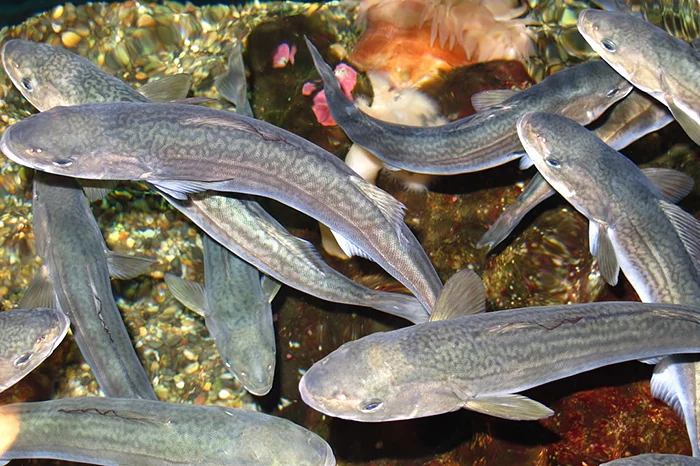
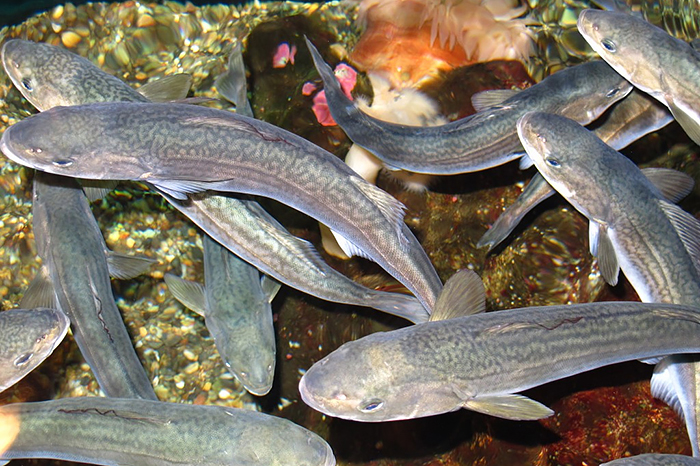
- Sustainable Ocean Stewardship: The agency provides the data necessary to manage U.S. fisheries—such as the vital sablefish populations—ensuring these resources remain viable for future generations.
- Economic Robustness: NOAA’s data serves as the backbone for the "Blue Economy," influencing sectors ranging from commercial shipping and agriculture to renewable energy and insurance.
- Innovation in Research: By fostering a robust R&D enterprise, NOAA is accelerating the transition of scientific discoveries into operational tools that serve the public interest.
2. Chronology: The Evolution of NOAA’s Research Strategy
The trajectory of NOAA’s research reflects the changing needs of the American public.
- 1970–1990: The Era of Observation. Initially, NOAA’s research was heavily focused on data collection and the establishment of baseline environmental metrics. This era laid the groundwork for modern climatology and oceanography.
- 1990–2010: The Era of Integration. As computer modeling became more sophisticated, NOAA transitioned toward integrated systems. The focus shifted to understanding how atmospheric patterns interacted with ocean temperatures, leading to the creation of the modern El Niño/La Niña forecasting systems.
- 2010–2020: The Era of High-Resolution Precision. The advent of high-performance computing allowed NOAA to move from regional forecasts to street-level precision. This period saw the launch of advanced satellite constellations (GOES-R series) that revolutionized weather tracking.
- 2020–Present: The Era of Resilience. Today, NOAA’s mandate has pivoted to climate adaptation. Current efforts prioritize the development of "climate-ready" infrastructure, where scientific data is directly used to inform municipal planning and national policy.
3. Supporting Data: The Economic and Safety Impact
The value proposition of NOAA is best articulated through its measurable outcomes. Data indicates that for every dollar invested in NOAA’s observational infrastructure, the return on investment (ROI) for the private sector is significant.
The Blue Economy
The U.S. "Blue Economy"—comprising fishing, tourism, shipping, and energy—contributes approximately $400 billion to the national GDP annually. NOAA’s management of sustainable fisheries, such as the Pacific sablefish populations, is not merely an environmental goal; it is an economic necessity. By utilizing NOAA-led stock assessments, the fishing industry avoids the collapse of lucrative species, ensuring a consistent market supply.
Weather and Disaster Mitigation
Extreme weather events cost the United States hundreds of billions of dollars over the last decade. NOAA’s research into convective-allowing models (CAMs) has increased the accuracy of severe thunderstorm warnings by an estimated 15–20%. In terms of public safety, this increased lead time allows for more effective evacuations and emergency preparedness, directly reducing the mortality rate associated with hurricanes, tornadoes, and flash floods.
Drinking Water Integrity
NOAA’s collaboration with the EPA and state agencies involves monitoring harmful algal blooms (HABs). These blooms, often triggered by climate-induced temperature shifts, can render municipal water supplies toxic. NOAA’s remote sensing satellites provide early detection, allowing local authorities to implement mitigation strategies before contaminants reach the treatment facility.
4. Official Responses: Leadership Perspectives on Innovation
The leadership at NOAA emphasizes that the agency’s greatest asset is its commitment to "science that matters." According to agency spokespeople, the current strategic plan is focused on the "seamless transition" of research to operations.
"Our research is not meant to sit in academic journals," says a lead scientist at NOAA’s Office of Oceanic and Atmospheric Research. "We are focusing on ‘R2O’—Research to Operations. Whether it is a better model for tracking storm surges or a new tool for monitoring ocean acidification, our objective is to ensure these technologies reach the hands of the people who make life-or-death decisions every day."
Furthermore, NOAA officials have stressed the importance of public-private partnerships. By sharing open-source data, NOAA enables private meteorological firms, agricultural tech companies, and maritime logistics firms to innovate. This collaborative ecosystem amplifies the impact of federal funding, effectively turning a single government research project into a suite of services used by millions of Americans.
5. Implications: Preparing for a Dynamic Future
The implications of NOAA’s research are profound. As the global climate continues to shift, the predictability of our environment is decreasing. In this context, NOAA serves as a critical buffer against instability.
Strengthening Infrastructure
The data provided by NOAA is now a prerequisite for civil engineering. Before a coastal city breaks ground on a new levee system or a utility company invests in offshore wind farms, they rely on NOAA’s sea-level rise projections and wind-pattern analysis. The integration of this data into national infrastructure policy is a cornerstone of the nation’s long-term resilience strategy.
Advancing Environmental Equity
One of the most significant emerging implications of NOAA’s work is its role in environmental justice. By providing high-resolution data on heat islands and flood-prone areas, NOAA helps policymakers identify which communities are most vulnerable to climate-related hazards. This allows for the equitable distribution of resources, ensuring that marginalized populations receive the protection they require.
Global Leadership and Diplomacy
NOAA’s research also bolsters U.S. interests on the global stage. As a leader in ocean and climate science, the agency participates in international data-sharing agreements that are vital for global maritime safety. By providing the world with the most accurate climate data, the U.S. maintains its position as the premier authority on environmental stability, a position that serves as a soft-power tool in diplomatic relations.
Conclusion: A Commitment to the Future
The work of NOAA is often quiet, occurring in the dark depths of the Pacific or the cold, high-altitude paths of weather satellites. Yet, its influence is felt in every facet of daily existence. Whether you are drinking a glass of tap water, relying on a shipping company to deliver goods, or checking your phone for the afternoon forecast, you are interacting with the fruits of NOAA’s research.
As the agency continues to push the boundaries of what is possible, it remains dedicated to the core principle that science is a public good. By fostering a culture of innovation, prioritizing the safety of the public, and managing the nation’s natural resources with precision, NOAA is not just observing the changing world—it is helping Americans navigate it. The future will undoubtedly present new environmental challenges, but with the robust R&D enterprise NOAA has built, the nation is better equipped than ever to face those challenges head-on, ensuring a safer, more sustainable, and more prosperous future for all.


 Nila Kartika Wati

 Dwi Wanna