

 Reynand Wu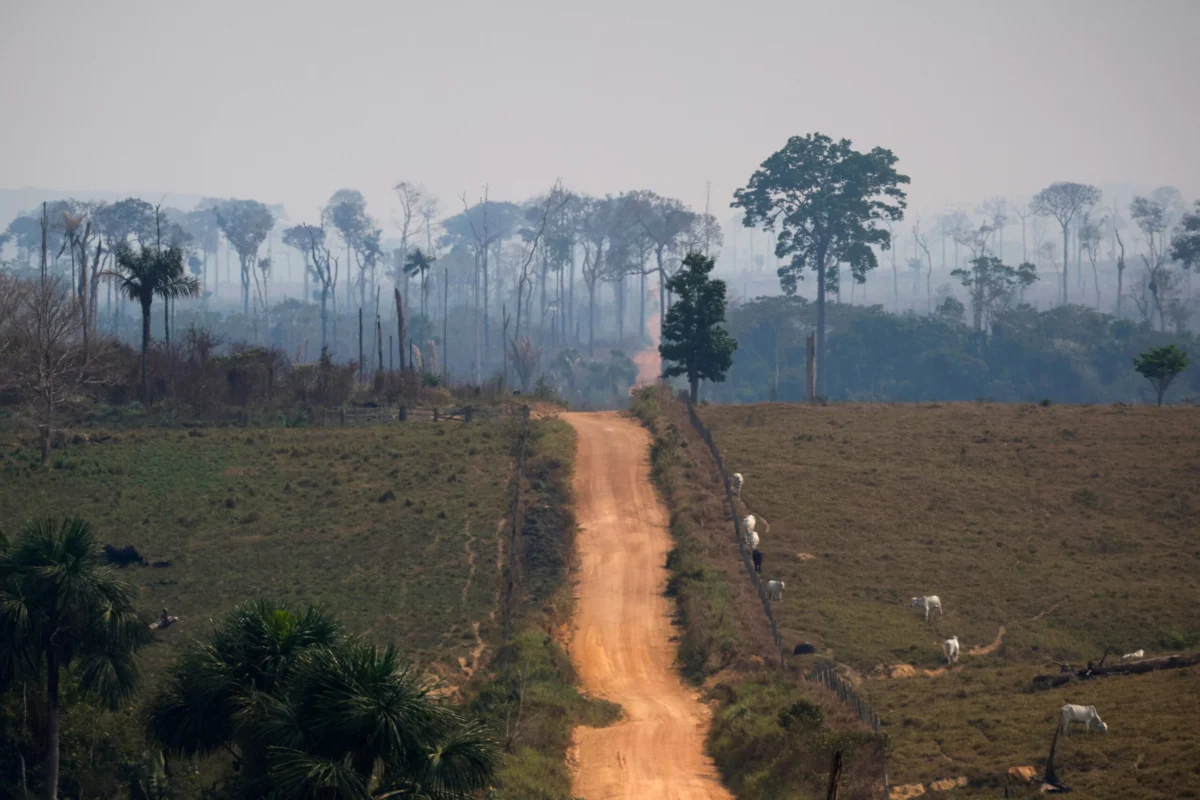
In an ambitious attempt to breathe life into stagnant global climate commitments, Brazil is spearheading a new initiative designed to turn the tide against forest loss. As the host of the upcoming COP30 climate summit, the Brazilian government is currently curating a “global roadmap” that invites nations to formulate voluntary, tailor-made pathways to end and reverse deforestation by 2030. This initiative marks a pivot from the rigid, top-down mandates that have historically struggled to gain traction in international climate negotiations, focusing instead on national sovereignty, regional diagnosis, and pragmatic policy integration.
The Context: A Stalled Global Agenda
The urgency of this endeavor cannot be overstated. At the COP28 climate summit in Dubai in 2023, the global community reached a landmark consensus to transition away from fossil fuels and halt deforestation by 2030. However, in the years following that historic agreement, progress has been sluggish.
The momentum hit a significant hurdle at last year’s COP30 planning sessions in the Amazonian city of Belém. An attempt by a coalition of approximately 80 countries to establish two rigid, binding global roadmaps—one for forest protection and one for energy transition—failed to secure the necessary consensus. With the clock ticking toward the 2030 deadline, the COP30 presidency has pivoted to a more flexible strategy: a "bridging alternative" consisting of voluntary roadmaps. By moving away from a single, prescriptive model, Brazil hopes to bypass the diplomatic gridlock that has stalled previous efforts, offering a framework that allows countries to own their environmental strategies while remaining accountable to the collective 2030 goal.
A Chronology of the Roadmap Initiative
The path to the current proposal has been marked by a transition from broad rhetoric to technical consultation.
- COP28 (2023): The international community formally pledges to end deforestation by 2030, setting the stage for what many hoped would be a decade of rapid action.
- Post-COP28/Pre-COP30: Following the Dubai summit, global progress remains largely performative. The lack of an implementation framework leads to frustration among environmental NGOs and climate-vulnerable nations.
- COP30 Preparatory Meetings (2025): A coalition attempts to codify a binding roadmap, but the proposal fails to gain universal buy-in, leading to a diplomatic stalemate.
- Consultation Phase (Late 2025 – Early 2026): The Brazilian presidency opens a consultation period, receiving over 130 written submissions from diverse nations, which provided the empirical foundation for the current document.
- UN Forum on Forests (UNFF21, May 2026): Juliano Assunção, executive director of the Climate Policy Initiative/PUC-Rio and a key advisor to the COP30 presidency, presents the first formal outline of the roadmap to the international community in New York.
- September 2026 (Forthcoming): The final, finalized version of the deforestation roadmap is scheduled for publication, incorporating the feedback garnered from the global consultation process.
Supporting Data: The Scale of the Crisis
The necessity for this roadmap is underscored by the sobering reality of forest loss. According to annual data published by Global Forest Watch, the world lost 4.3 million hectares of tropical primary rainforest in 2025. While this figure represents a 36% decline from the record-breaking, climate-fueled fire season of 2024, the progress is insufficient.
Experts emphasize that despite the modest improvement, current rates of deforestation remain 70% higher than the trajectory required to meet the 2030 international pledge. The data paints a clear picture: incremental improvements are failing to address the systemic drivers of forest destruction. The disparity between current action and the 2030 target is a chasm that the new roadmap aims to bridge by shifting focus toward measurable, sector-specific, and national-level interventions.
Anatomy of the Roadmap: A Menu of Solutions
Speaking at the UNFF21 in New York, Juliano Assunção provided clarity on what the roadmap entails. It is designed to be a practical, two-part document that avoids the "one-size-fits-all" trap.
Part One: Risk Assessment
The first section of the roadmap will be an analysis of the environmental, social, and economic risks associated with continued forest loss. By quantifying the impacts of deforestation—from the loss of biodiversity and climate regulation services to the destabilization of local economies—the document aims to provide a unified justification for urgent intervention.
Part Two: A Menu of Options
The second, and perhaps more crucial, section serves as a "menu of options" for countries to implement. Recognizing that the drivers of deforestation in the Congo Basin (driven by poverty and subsistence) differ drastically from those in the Amazon (often driven by industrial cattle ranching or land speculation), the roadmap identifies key policy tools that can be adapted to specific national contexts.
Key features include:

- Shared Satellite Monitoring: A focus on international cooperation, where nations with advanced space-monitoring capabilities share data with developing nations to improve forest surveillance.
- Finance Architecture: Streamlining how resources are channeled into forest-rich nations, ensuring that capital reaches the local communities who are the front-line stewards of the land.
- Regulatory Alignment: Standardizing trade and due-diligence regulations to ensure that global markets do not inadvertently incentivize illegal logging or land-use conversion.
Official Responses and Diverse Perspectives
The response from the international community at the UNFF21 meeting was one of cautious optimism, tempered by the realities of national development.
The Voice of the Congo Basin
Joseph Malassi, a climate advisor from the Democratic Republic of Congo, offered a poignant reminder of the socioeconomic realities that drive deforestation in his region. "In the Congo Basin, deforestation is not caused by vast industrial or infrastructure projects, but rather by extreme poverty," Malassi noted. For many in the region, the forest is a source of firewood, minerals, and land for subsistence crops. He urged that the roadmap must avoid competing with existing UN initiatives and instead provide real, viable economic alternatives for rural communities that currently rely on forest exploitation to survive.
The Indonesian Perspective
Nicholas Suryobasuindro of Indonesia’s Ministry of Forests echoed these sentiments, highlighting the "complex interaction between land use chains, economic pressure, spatial planning challenges, and development needs." He praised the Brazilian initiative for its flexibility, acknowledging that in a mega-diverse nation like Indonesia, any successful forest policy must reconcile the demands of a growing economy with the imperatives of spatial planning and environmental preservation.
The Financial Imperative
Guyana’s permanent ambassador to the UN, Carolyn Rodrigues-Birkett, emphasized that finance is the linchpin of the entire process. She championed the Tropical Forest Forever Facility (TFFF)—a Brazil-led initiative designed to provide financial rewards to countries for maintaining their forests—as a model for future support. "Both approaches—the TFFF and high-integrity carbon markets—can support countries with different forest and deforestation profiles," she said.
Implications: A New Era of Climate Diplomacy?
The roadmap represents a departure from the confrontational style of climate negotiations seen in the past. Marco Tulio Cabral, a diplomat at Brazil’s Ministry of Foreign Affairs, admitted that while the document is not a formal, binding "negotiated outcome," the COP30 presidency is investing significant political capital to ensure the text reflects a wide array of global views.
However, the process is not without its limitations. Cabral noted that, unlike the fossil fuel transition—which has sparked a cohesive, active coalition of nations (notably the group formed in Santa Marta last month)—the deforestation roadmap may face a more fragmented landscape of support. "The supportive actors and those who oppose it are very different," he explained, suggesting that the political economy of forest protection is distinct from that of energy transition.
The Path Forward
As September approaches, the eyes of the climate community remain fixed on the final version of the roadmap. If successful, this initiative could prove that voluntary, bottom-up frameworks are more effective than rigid treaties in addressing complex, localized environmental problems.
By grounding the global 2030 goal in "regional and national diagnosis," Brazil is betting that countries will be more willing to act when they are presented with a toolbox rather than a rulebook. Whether this strategy will be enough to close the 70% gap in forest protection remains to be seen. What is clear, however, is that the era of vague promises is ending; the next stage of the climate movement is moving toward the hard, technical, and often uncomfortable work of aligning economic development with the preservation of the world’s most vital carbon sinks.
The success of the COP30 presidency in delivering this roadmap will likely define the legacy of the Belém summit and serve as the final, desperate test of the global community’s commitment to the forests that keep the planet alive.

 Rifan Muazin
 Layla Zulfa