




 Lina Irawan

As the calendar turns to May, North American farmers and homesteaders find themselves at a critical seasonal juncture. The frost line has retreated, the soil has begun to warm, and the window for high-yield summer production is wide open. Whether you are managing a small-scale market garden or a sprawling commercial operation, May is the month that defines the success of your harvest season.
While local weather patterns remain the ultimate arbiter of success, modern agricultural techniques—including high-tunnel cultivation, strategic mulching, and irrigation management—provide a buffer that makes successful planting possible across nearly every climate zone. This guide explores the essential crops for a May planting, the logic behind variety selection, and the broader implications for farm revenue and ecosystem health.
The Strategy of May: Balancing Market Demand and Atypical Experimentation
Before sinking seeds into the soil, every grower must conduct a dual-track assessment of their land. First, consider the farm’s core revenue drivers. If your primary goal is maximizing profit at the farmers’ market, your May planting schedule should be dominated by proven, high-demand crops that have historically thrived in your specific region.
Second, consider the "innovation quotient." If space permits, it is highly recommended to dedicate a small percentage of your acreage to atypical crops. A successful experiment with a new variety or an unusual vegetable is often worth more than its immediate market value; the knowledge gained regarding soil compatibility, pest resistance, and yield potential acts as a form of intellectual capital that can inform future seasons. Learning to cultivate something new brings multiple long-term boons to a farm’s operational versatility.
Chronology of the Season: From Transplanting to Direct Sowing
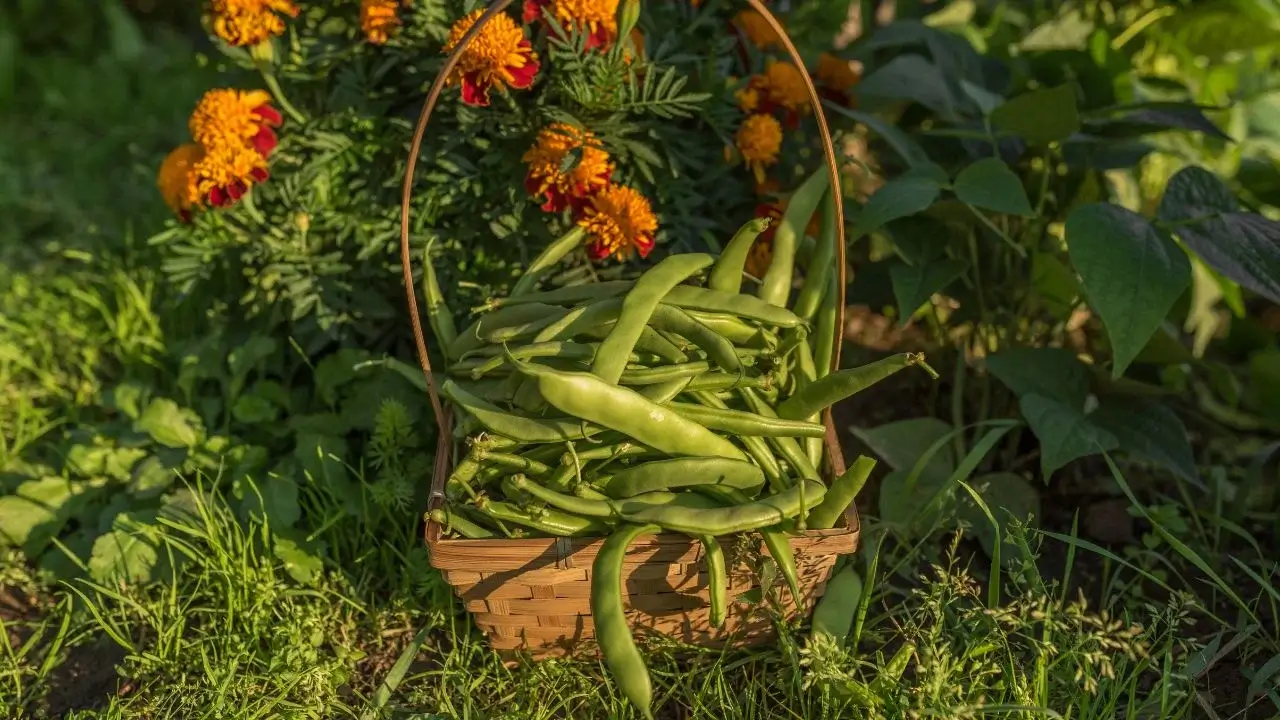
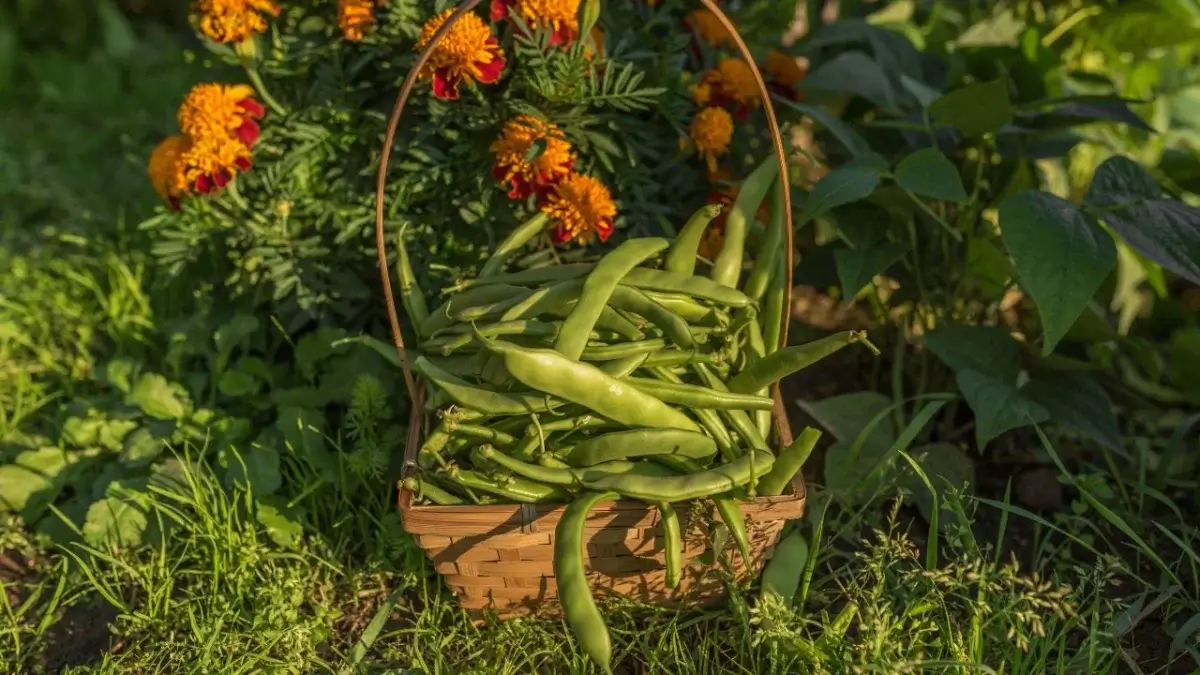
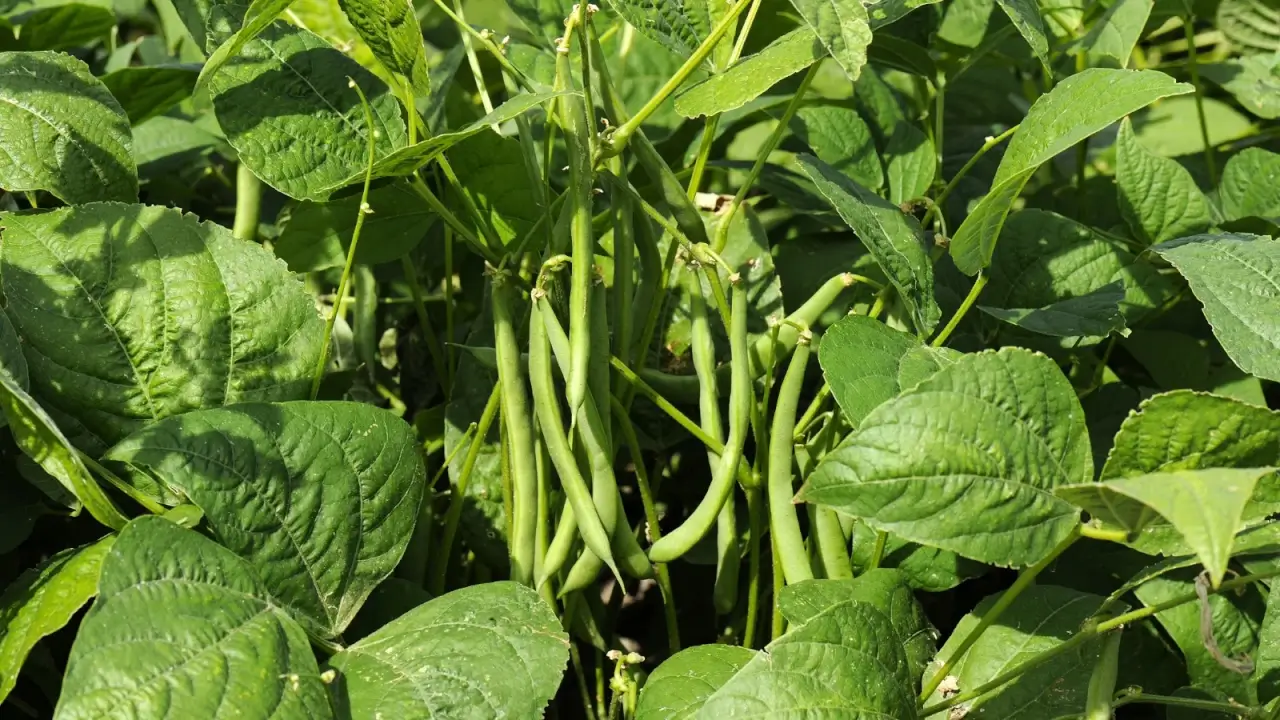
The timing of May planting is governed by both biological necessity and environmental constraints. Some crops, such as eggplants, demand the structural head-start provided by nursery-started transplants, while others, like corn and beans, generally favor the resilience of direct sowing.
Melons: The Heat-Seekers
Cantaloupe, watermelon, and honeydew are the quintessential heat-loving crops for May. As the soil temperature climbs, these vines are ready to sprawl across the field or climb trellises. For the best results, provide a diluted liquid fertilizer on a weekly basis.
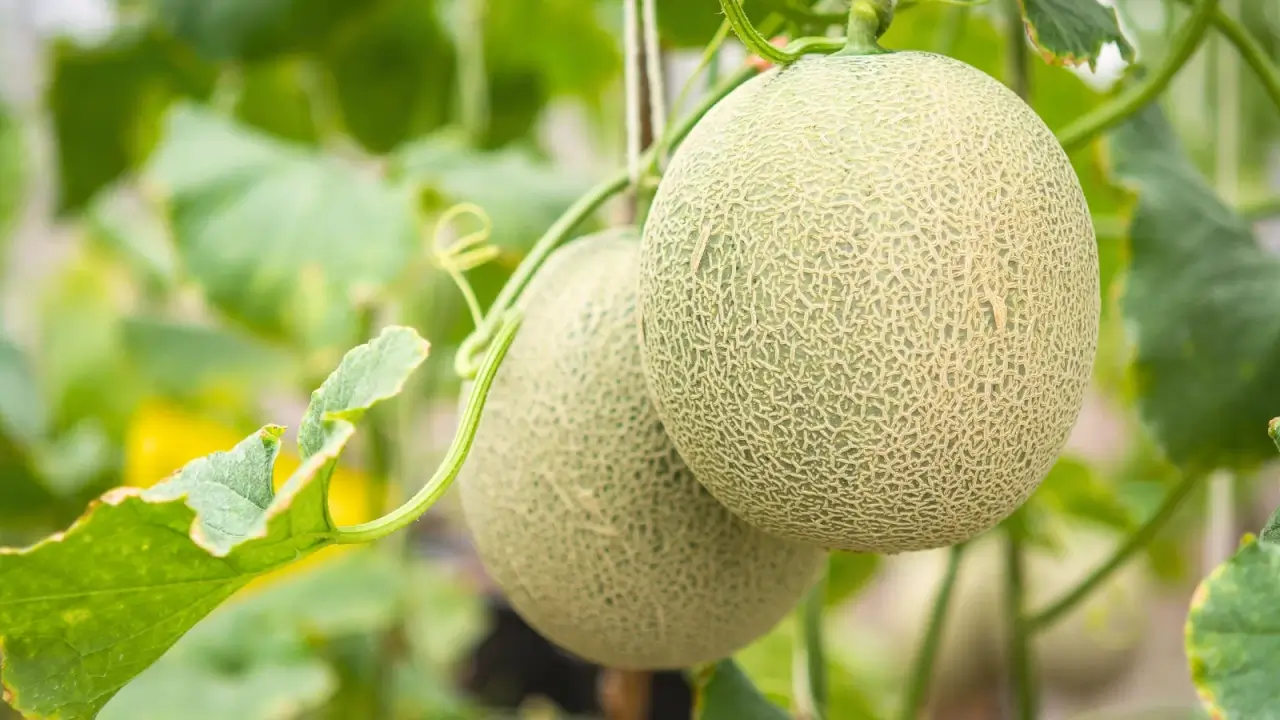
- Watermelons: These are the champions of coastal regions. Their ability to tolerate sandy, nutrient-poor soil and high-wind conditions makes them an ideal candidate for coastal farmers.
- Musk Melons: In contrast, these thrive in nutrient-rich, heavy soils.
- The Maturity Factor: Always cross-reference your specific region’s "days to maturity" against your local first-frost date. Watermelons generally require a longer, hotter season than their cantaloupe counterparts.
Eggplant: The Case for Transplanting
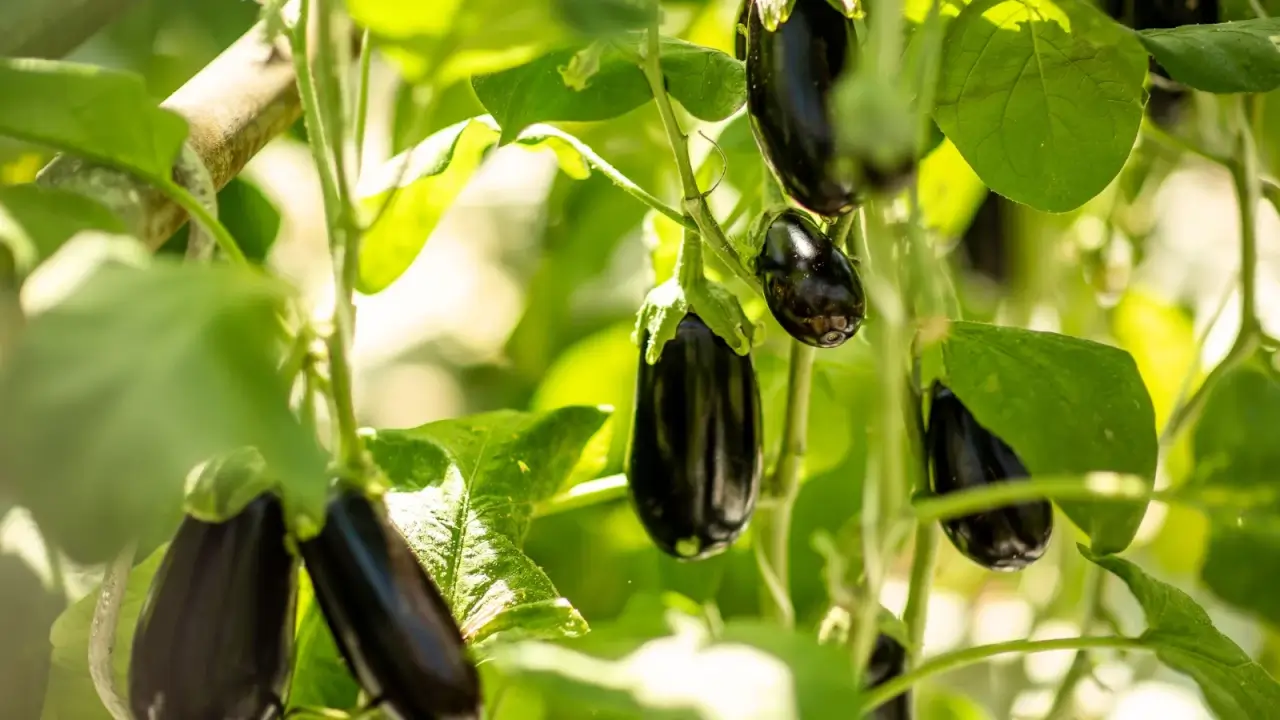
Eggplants are a prime example of a crop that necessitates the transplant method. These solanaceous powerhouses require at least 10 weeks of warm weather to reach peak production.
- Variety Selection: For high-volume producers, the ‘Epic’ variety is renowned for its reliability in sustained heat. If you are farming in a region where temperatures fluctuate below the ideal 75–85°F (24–29°C) range, look toward cold-tolerant cultivars like ‘Orient Express’ or ‘Elondo.’
Okra: The King of the Summer Heat
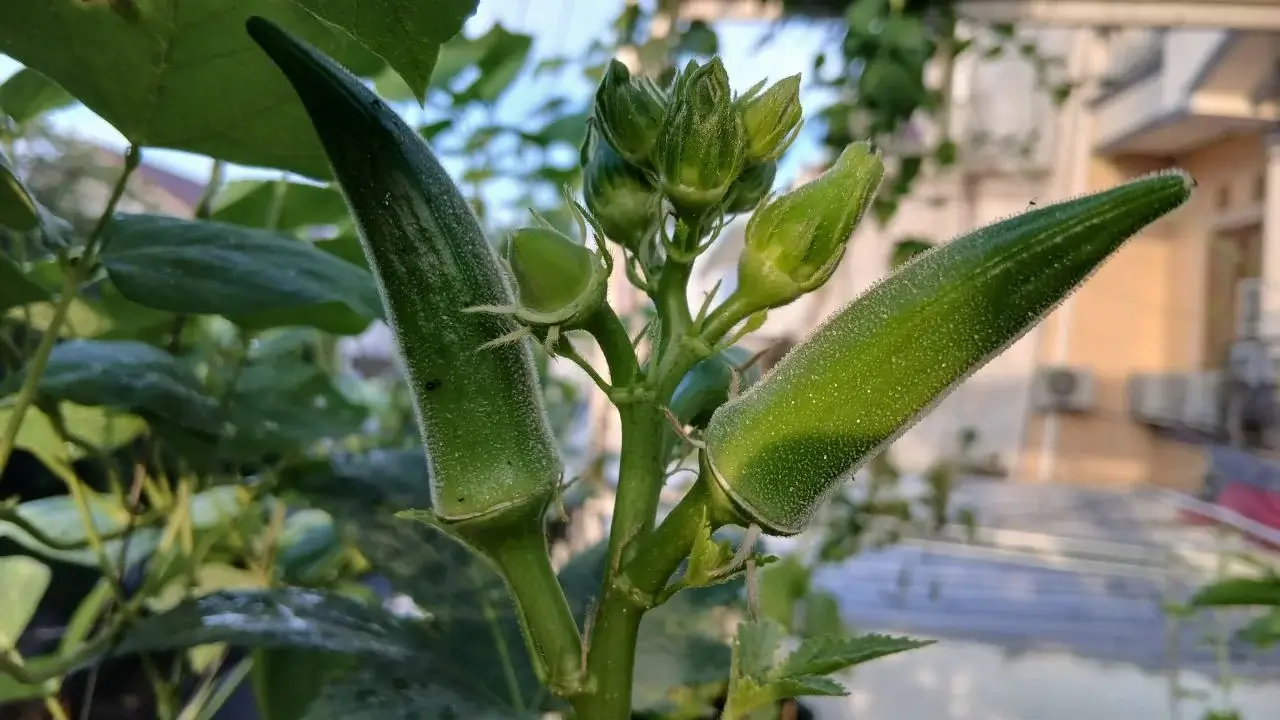
Okra’s reputation for thriving in oppressive heat is well-earned. In regions where summer temperatures soar, okra is arguably the most productive crop a farmer can select. To mitigate the labor-intensive harvest of spiny varieties, prioritize spineless cultivars such as ‘Clemson Spineless 80.’ This simple choice can drastically increase the efficiency of your harvesting team.
Corn: A Commitment to Space and Patience
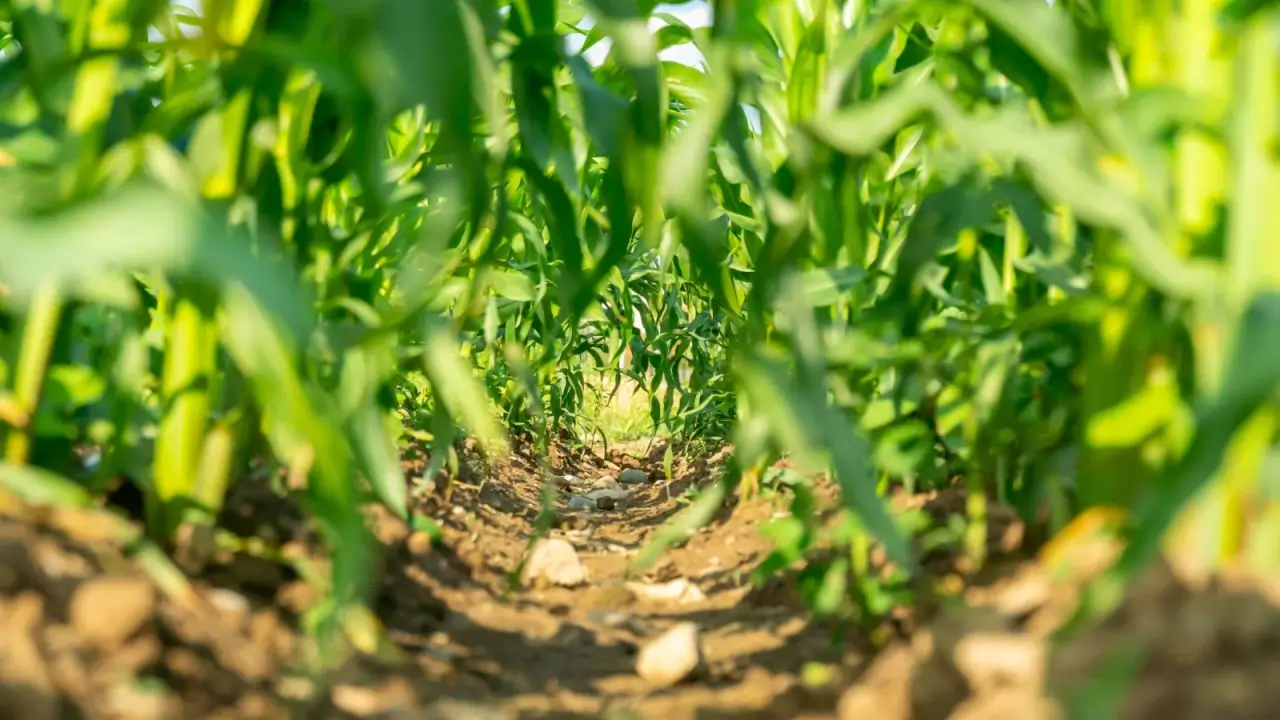
Corn requires a minimum of two and a half months of frost-free weather. The key to successful corn production in May is clear-cut categorization of the final product:
- Sweet Corn: Ideal for direct consumption (grilled, boiled, or sautéed).
- Dent Corn: Essential for long-term storage, grinding into cornmeal, or making masa.
- Flint and Heirloom Varieties: These represent a vital link to indigenous agricultural heritage. When choosing these, prioritize open-pollinated varieties to ensure the longevity of the crop’s genetic legacy.
Supporting Data: Selecting for Climate Resilience
The selection of crops is not merely a matter of preference; it is a matter of climate-based risk management. For instance, farmers in the American Southwest have successfully leaned into the cultivation of tepary beans. These beans have been selected over centuries by Indigenous peoples to withstand extreme daytime heat and significant temperature drops at night.
Similarly, the choice of grains in May should be dictated by local aridity. Amaranth is an exceptional choice for hot, dry regions, offering both aesthetic value (as a cut flower) and nutritional density (as an edible leaf or seed). Meanwhile, oats and buckwheat remain the gold standard for regions where the May transition is cooler and the summer season is shorter.
Official Perspectives: The Role of Biodiversity and Pollinators
From the perspective of agricultural ecologists, a farm that plants only monocultures in May is a farm that invites disaster. Integrating flowers into the vegetable landscape is an essential, data-backed strategy.
Sunflowers, zinnias, and cosmos are not merely ornamental; they are "pollinator powerhouses." By attracting beneficial insects, including predatory wasps and hoverflies, these flowers act as a natural pest control system. For those planting in the cooler parts of May, marigolds and borage provide a necessary early-season boost to the local pollinator population, ensuring that the fruit set for your tomatoes, squashes, and melons is as high as possible.
Implications for the Future of Small-Scale Farming
The decision to diversify your May planting schedule has profound implications for both the individual farmer and the broader food system. By moving away from a single-commodity approach, farmers can insulate themselves against market volatility and extreme weather events.
Furthermore, the "Solutions Hub" model—which encourages farmers to share actionable ideas and resilient growing techniques—suggests that the future of agriculture lies in collaborative knowledge. As climate patterns continue to shift, the ability to pivot between varieties, experiment with "orphan crops," and utilize season-extension technology will define the next generation of successful producers.
Summary Checklist for May Planting
- Assess Soil Temperature: Ensure the ground has reached consistent warmth before direct-sowing heat-sensitive seeds.
- Transplant Strategy: Ensure eggplant and long-season solanaceous crops have a robust root system before moving them to the field.
- Pollinator Integration: Dedicate 5–10% of your row space to annual flowers to ensure biological pest control.
- Succession Planting: For crops like squash and beans, do not plant all your seeds at once. Staggering your planting by two weeks will provide a continuous harvest window rather than a single, overwhelming glut of produce.
- Data Tracking: Keep meticulous records of which varieties performed best in your specific soil and microclimate. This data is the most valuable asset you will possess when planning for the following year.
As we move through the month of May, remember that every seed placed in the ground is an investment in the coming harvest. By combining traditional wisdom with modern agricultural practices, farmers can ensure that their fields are not just productive, but resilient enough to face the challenges of the coming summer.


 Evan Lee Salim

 Asep Darmawan





