




 Layla Zulfa
For the modern small-scale farmer, the difference between a seasonal hobby and a viable agricultural business often comes down to one fundamental metric: yield efficiency. In an era where land costs are rising and consumer demand for fresh, local produce is year-round, the traditional "plant once, harvest once" model is increasingly obsolete. Enter succession sowing—a sophisticated, time-tested practice that allows growers to maximize every square foot of soil by staggering planting schedules to ensure a continuous cycle of harvest, revenue, and land vitality.
By strategically timing the introduction of seeds and transplants, farmers can transform a standard growing season into a dynamic, multi-tiered production line. This guide explores the mechanics, strategies, and economic implications of adopting a comprehensive succession sowing system.
The Core Philosophy: Why Succession Sowing Matters
At its most basic level, succession sowing is the practice of planting crops in waves rather than all at once. For the small farmer, the benefits are threefold:

- Revenue Stability: By staggering harvests, farmers avoid the "glut and famine" cycle, where a single harvest date leads to a massive surplus that is difficult to sell at a fair price, followed by weeks of empty market stalls.
- Risk Mitigation: Planting everything on a single day exposes the entire crop to the same environmental stressors—a sudden frost, a localized pest outbreak, or a drought. Staggered planting acts as an insurance policy.
- Space Optimization: In intensive market gardening, fallow ground is a wasted asset. Succession sowing ensures that as soon as one crop is cleared, the next is ready to take its place, keeping the soil biologically active and productive.
Chronology of the Season: Planning for Perpetual Growth
Succession sowing is not a random act; it is a meticulous exercise in logistical planning. The foundation of this system is the "Days to Maturity" (DTM) metric. Every seed packet carries this data, and it is the primary variable in the farmer’s equation.
Phase 1: The Spring Warm-Up
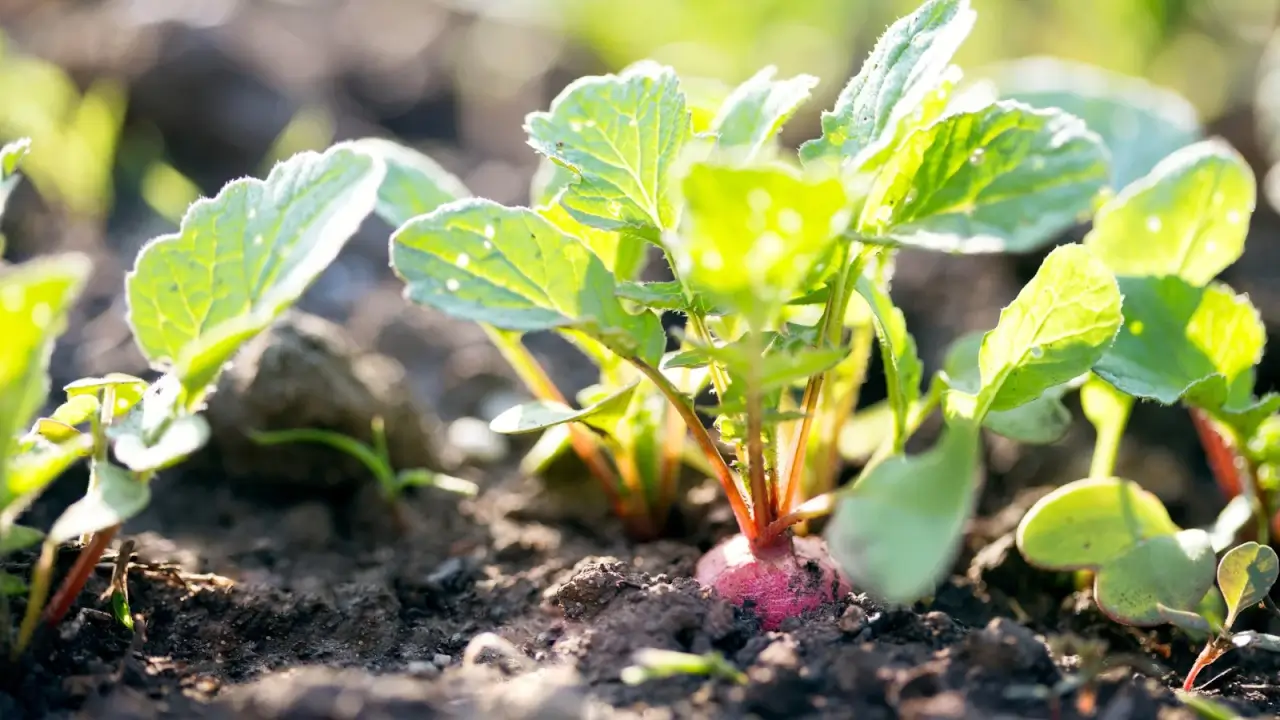
The season begins with cool-weather crops. Because these varieties—radishes, spinach, arugula, and peas—thrive in lower temperatures, they are the ideal candidates for early-season successions. Farmers should sow these every 10 to 14 days starting as soon as the soil can be worked.
Phase 2: The Mid-Season Transition
As soil temperatures rise, the focus shifts to heat-loving crops like beans, squash, and cucumbers. During this phase, the strategy changes. Rather than simple interval planting, farmers must account for the "temperature window." Some crops, like lettuce, will bolt (go to seed) prematurely in the heat of July. Successions here must be adjusted to use heat-tolerant varieties or to target shorter, cooler windows in the early autumn.

Phase 3: The Autumn Finish
The final phase of the year involves planting for winter storage. This requires a "backwards-calculation" method. By identifying the date of the first expected frost, farmers count backward by the DTM of the crop (such as kale, carrots, or beets) to determine the absolute latest date for successful sowing.
Strategic Methodologies
There is no "one size fits all" approach to succession sowing. The most successful farms often utilize a hybrid of the following four methodologies.
1. Interval Sowing (The "Same-Crop" Cycle)
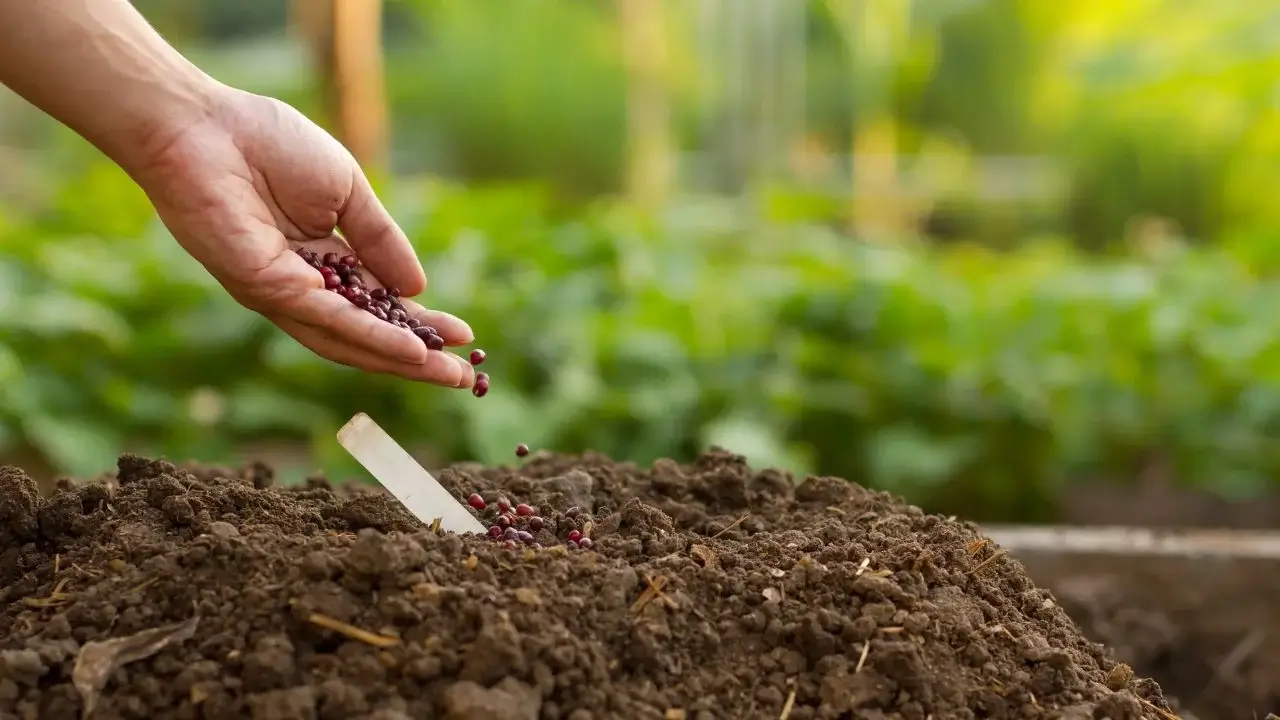
This is the most straightforward entry point for beginners. It involves planting the same crop in smaller batches every two weeks. For example, rather than planting 100 feet of lettuce in April, a farmer might plant 25 feet every two weeks. This ensures that the market stand is never without fresh greens and prevents the farmer from being overwhelmed by a massive, simultaneous harvest.
2. Space-Sharing (The "New-Crop" Rotation)
This method involves clearing a plot of an exhausted crop—such as spring spinach—and immediately replacing it with a mid-season crop like bush beans or summer squash. The key here is soil management. The organic matter from the previous crop must be removed or incorporated with care, and the new crop should ideally have different nutrient requirements to prevent soil depletion.
3. Intercropping and Companion Dynamics
Intercropping elevates succession sowing to an art form. By planting two or more crops in the same space at different times, farmers can achieve synergistic effects. For instance, planting a tall-growing crop like corn alongside a vining plant like beans allows the beans to use the corn as a natural trellis. The timing is staggered: the corn is sown first, and once it is established, the beans follow. This approach requires a sophisticated understanding of plant competition and shade management.
4. Varietal Diversification
Sometimes, the best way to extend a season isn’t to change the crop, but to change the variety. By selecting "early-season," "mid-season," and "late-season" varieties of tomatoes or potatoes, a farmer can keep a single category of produce available for months. This provides a consistent product for loyal customers while allowing the farmer to test which genetic lines perform best under specific micro-climatic conditions.
Supporting Data and Soil Health
While the primary goal of succession sowing is productivity, it is inextricably linked to soil health. Intensive cropping cycles can strip the earth of nutrients if not managed correctly.
Data from agricultural extension programs suggests that farms practicing rigorous succession sowing must adopt aggressive soil-amendment protocols. Every time a crop is pulled, the soil is effectively "reset." Farmers should incorporate compost or organic fertilizers between every cycle to replenish nitrogen, phosphorus, and potassium. Failure to do so will result in diminishing returns, where each subsequent succession is smaller and less vigorous than the last.
Implications for the Modern Farm
The shift toward succession sowing has profound implications for the farm-to-table economy.
Reducing Food Waste
One of the most significant issues in small-scale farming is the waste associated with overproduction. When a single crop matures all at once, the farmer is often forced to leave produce in the field if they lack the labor to harvest it or the market capacity to sell it. Succession sowing flattens the supply curve, aligning harvest volume more closely with daily demand.
Economic Viability
Financial analysts in the agricultural sector note that farms utilizing succession systems tend to have a higher "revenue per acre." By keeping the farm in a state of constant production, fixed costs—such as water, infrastructure, and land taxes—are spread across a higher volume of marketable goods.
The Human Element
It is important to note the labor implications. Succession sowing requires a higher degree of management. It is a more "hands-on" approach that demands constant monitoring of the farm’s progress. For the small farmer, this means a shift from being a seasonal laborer to being a year-round logistics manager.

Expert Recommendations for Implementation
For those looking to transition their operations to a succession-based model, the following steps are recommended:
- Document Everything: Maintain a digital or paper log of every planting date, variety, and harvest window. This data is the most valuable asset a farmer can possess for the following year.
- Start Small: Do not attempt to overhaul the entire farm in one season. Pick one "quick-maturing" crop, such as radishes or salad mix, and master the timing of successions with that crop first.
- Utilize Season Extension: Cold frames, low hoops, and row covers are the "force multipliers" of succession sowing. They allow farmers to push the start of the season earlier and the end of the season later, effectively widening the window for all succession cycles.
- Prioritize Soil Life: Because the soil is rarely dormant, consider using cover crops in short windows between successions to keep the soil structure intact.
Conclusion
Succession sowing is more than just a technique; it is a mindset. It moves the farmer away from the traditional, passive relationship with the seasons and toward a proactive, design-based approach to agriculture. By embracing the rhythm of constant planting and harvesting, small farmers can ensure their land remains a productive, profitable, and resilient engine of food production. As the global food system faces increasing pressure, these decentralized, highly efficient growing methods offer a blueprint for a sustainable future.
Whether you are managing a quarter-acre garden or a multi-plot market farm, the principles of timing, variety, and soil stewardship remain the same. Start your first cycle today, and watch as your harvest—and your revenue—begin to grow.


 Dwi Wanna
 Asep Darmawan