


 Nana Muazin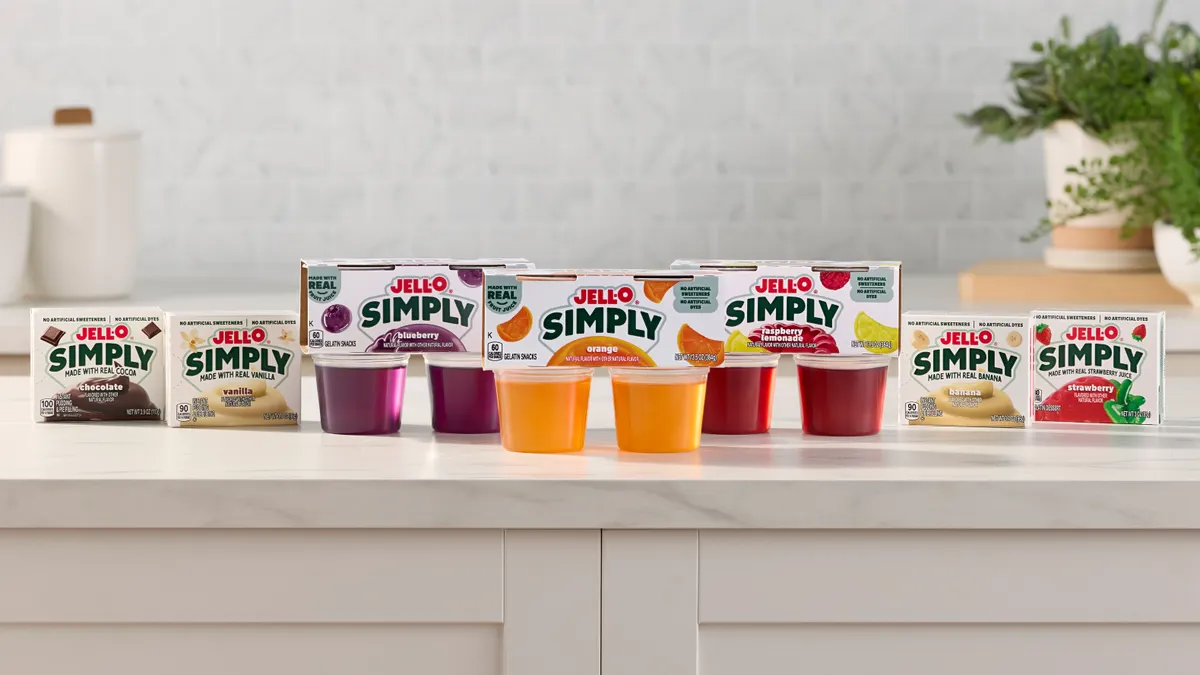
By Sarah Zimmerman | Food Dive
Published May 21, 2026
In a bold move to reverse stagnation and recapture the hearts of modern families, food industry titan Kraft Heinz has announced a comprehensive "rejiggling" of its iconic Jell-O brand. The initiative, which introduces the "Jell-O Simply" line, represents a cornerstone of the company’s broader $600 million investment strategy aimed at modernizing its portfolio to meet the shifting demands of 21st-century consumers. As the company navigates a challenging economic landscape, the focus on Jell-O—a brand synonymous with American childhood—serves as a case study in how heritage brands can evolve without losing their identity.
Main Facts: The Evolution of a Household Staple
The transformation of Jell-O is not merely cosmetic; it is a fundamental shift in product composition designed to address the "clean label" movement. Jell-O Simply, now a permanent fixture in the Kraft Heinz product lineup, is engineered to cater specifically to millennial and Gen Z parents. These consumers are characterized by a strong preference for transparency, natural ingredients, and a reduction in artificial additives, particularly sweeteners.
The new product line includes both gelatin and pudding mixes in classic profiles—vanilla, chocolate, banana, and strawberry—alongside a ready-to-eat gelatin range featuring familiar favorites like orange, as well as new, sophisticated flavor profiles such as raspberry lemonade and blueberry. By maintaining the familiar branding that defined mid-century kitchens while updating the ingredient deck, Kraft Heinz is attempting to bridge the gap between generational nostalgia and modern nutritional expectations.
A Chronological Look at the Kraft Heinz Turnaround
The decision to renovate Jell-O follows a series of strategic pivots under the leadership of CEO Steven Cahillane. To understand the current trajectory of the company, one must view the timeline of its recent operational shifts:
- Early 2025: Following a period of sluggish growth, Kraft Heinz announces a massive $600 million capital allocation plan. The goal is to prioritize "high-potential" brands that possess strong emotional equity but have suffered from a lack of innovation.
- Late 2025: The company begins a series of pilot tests for reformulated products across its snacks and dessert divisions, using granular consumer data to identify which legacy brands have the most "elastic" growth potential.
- Q1 2026: During the quarterly earnings call, CEO Steven Cahillane explicitly identifies Jell-O and Lunchables as key growth drivers. He asserts that the company’s historical under-investment in these "powerhouse" brands was a remediable error.
- May 2026: The official launch of Jell-O Simply is announced, signaling the first major output of the company’s new product development strategy.
- Present Day: Kraft Heinz is now scaling distribution for the Simply line, leveraging its vast supply chain to ensure the products reach retail shelves nationwide by the third quarter of 2026.
Supporting Data: Why "Simply" Matters
The pivot toward cleaner labels is not a trend; it is a response to hard data. Kraft Heinz’s market research, supported by independent analysis from Mintel, highlights a significant shift in parental purchasing behavior:
- The Anti-Artificial Movement: According to internal data provided by the company, nearly 50% of parents are now actively avoiding artificial sweeteners in their children’s diets.
- Sugar Sensitivity: One in three parents surveyed listed total sugar content as their primary nutritional concern when selecting snacks, ranking it above calorie count or fat content.
- Brand Trust vs. Ingredient Skepticism: The "Jell-O Paradox"—where consumers love the brand but fear the ingredients—created a ceiling for sales. By removing artificial dyes and sweeteners, Kraft Heinz is aiming to capture the "permissible indulgence" market segment.
The strategy is consistent with the company’s recent successes in other categories. For instance, the recent introduction of protein-fortified Kraft Mac & Cheese and restaurant-style premium pasta lines has shown that consumers are willing to pay a premium for "better-for-you" versions of comfort food staples.
Official Responses: The Corporate Vision
The leadership at Kraft Heinz is positioning this launch as a symbolic milestone. Kathryn O’Brien, the company’s head of marketing for desserts, emphasized that the launch is about harmony between the past and the future.

"We know families are looking for treats that strike the right balance between great taste and ingredients they can feel good about," O’Brien stated during the press briefing. "They don’t want to sacrifice the brands they know and love to get there. This is a meaningful evolution for the brand and an important milestone in our broader modernization journey."
CEO Steven Cahillane, speaking to investors, doubled down on the philosophy of "investing behind" proven winners. "We’ve seen that our brands respond well when we invest behind them," Cahillane remarked. "The problems we faced were not fundamental flaws in the brands themselves, but rather a lack of innovation and focus. We are fixing that by ensuring our legacy products evolve as quickly as our consumers do."
Implications: A New Era for Heritage Brands
The revitalization of Jell-O carries significant implications for the broader food and beverage industry. It suggests that the "Big Food" era of stagnation may be ending, replaced by an era of surgical renovation.
1. The Power of "Selective Investment"
Kraft Heinz is moving away from a "spray and pray" approach to marketing. By concentrating its $600 million war chest on brands like Jell-O, Capri Sun, and Kraft Mac & Cheese, the company is signaling that it will defend its market share by fortifying its strongest assets rather than attempting to launch risky new labels.

2. Hydration and Health as Growth Levers
The company’s simultaneous push into functional beverages—such as the new Capri Sun with electrolytes—shows that Kraft Heinz is looking to occupy the "white space" between kids’ drinks and adult sports nutrition. This indicates a long-term goal of becoming a "total lifestyle" food company rather than just a pantry-staple provider.
3. The Future of the "Center-of-Store"
For decades, the center aisles of grocery stores have been viewed as declining territory. However, if Kraft Heinz can prove that a legacy brand like Jell-O can be successfully "re-engineered" to meet modern health standards, it provides a blueprint for other CPG (Consumer Packaged Goods) companies to follow.
4. Economic Resilience
In an inflationary environment, families are often more likely to return to familiar, affordable brands rather than experimenting with expensive, unknown startups. By updating Jell-O, Kraft Heinz is betting on the fact that when consumers tighten their belts, they will reach for a brand they grew up with—provided that brand no longer carries the baggage of "unhealthy" ingredients.
Conclusion
As Kraft Heinz moves forward with its 2026 growth strategy, the success of Jell-O Simply will serve as a crucial barometer. If the brand can successfully transition from a "sugary childhood memory" to a "better-for-you pantry essential," it will validate the $600 million strategy and potentially set the stage for further transformations across the company’s extensive catalog. For now, the "rejiggling" of Jell-O stands as a testament to the fact that in the food industry, a brand is only as relevant as its last renovation.


 Dwi Wanna
 Asep Darmawan