

 Asep Darmawan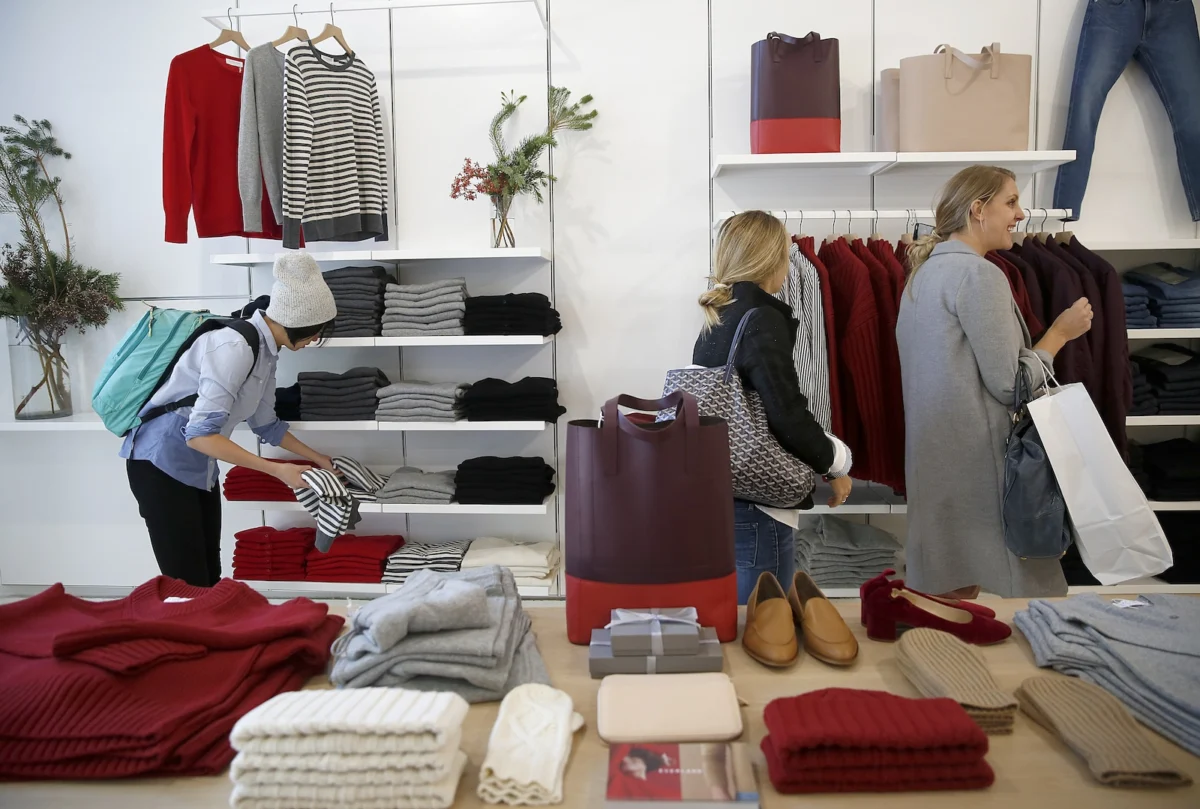
For a generation of college students coming of age during the Obama era, Everlane was more than a clothing brand; it was a manifesto. It promised that you could participate in the global economy without being complicit in its worst excesses. By utilizing a direct-to-consumer (DTC) model, it claimed to strip away the "middleman," offering "modern basics" at honest prices while promising radical transparency about where and how garments were made.
Today, that promise has undergone a definitive, and perhaps inevitable, collapse. Last week’s acquisition of Everlane by the hyper-fast-fashion behemoth Shein—a company notorious for its carbon-intensive supply chain and staggering production volumes—serves as the final chapter in the story of the millennial "ethical" fashion experiment.
The Rise of the "Minimalist" Mythos
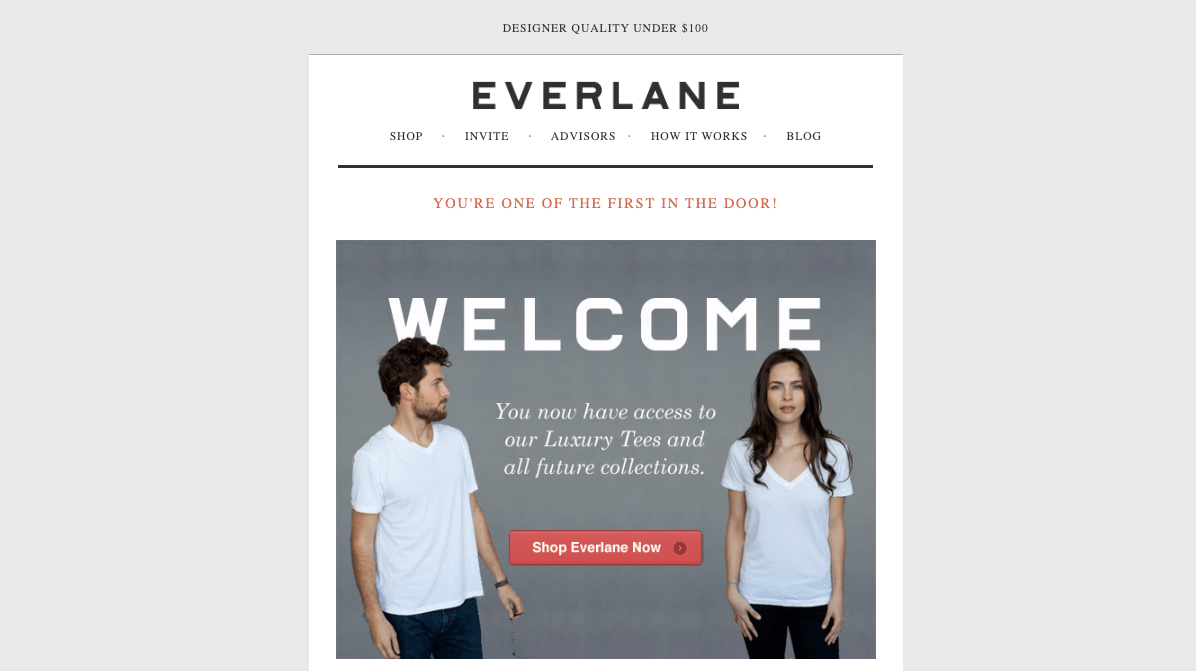
Launched in 2011 with a healthy injection of venture capital, Everlane mastered the art of digital exclusivity. Much like the early days of Gmail, access was gated; you needed an invitation to enter the store. This created a sense of urgency and prestige that propelled the brand to the forefront of the startup zeitgeist.
The company’s ethos was simple: sell high-quality staples—boxy T-shirts, chinos, and silk button-downs—at a price point that didn’t feel exploitative. By eschewing brick-and-mortar retail in favor of a sleek, minimalist website, co-founder Michael Preysman positioned the company as an antidote to the "fast fashion" plague.
Yet, as Preysman candidly admitted in a 2024 business podcast, the early days of Everlane were arguably more of a branding exercise than a product revolution. "We’ve had periods where we had okay product when we launched, and the brand carried all the weight," he noted. "Then we had great products, and we had really high engagement."
A Chronology of Compromise
The trajectory of Everlane from 2011 to 2026 mirrors the broader evolution—and eventual stagnation—of the DTC boom.
- 2011–2014: The "Waitlist Era." Everlane establishes itself as an online-only boutique. The focus is on scarcity and a "less than $100" price point.
- 2017: The physical pivot. Everlane opens its first brick-and-mortar store in New York City, signaling a shift toward mainstream scale.
- 2021: The sustainability pledge. The company announces an ambitious goal to achieve net-zero emissions by 2050, touting organic cotton and the elimination of virgin plastic.
- 2022: Leadership change. Michael Preysman steps down as CEO, marking the end of the brand’s "founder-led" idealistic phase.
- 2026: The Exit. L Catterton, the majority owner, facilitates the sale of Everlane to Shein, shocking the industry and the brand’s loyal base.
The Mirage of Sustainable Consumption
Everlane’s marketing was predicated on the idea that "buying better" was a moral imperative. By publishing photos of its factories in Vietnam, China, and Italy, the company attempted to demystify the supply chain. They tracked living wages and renewable energy usage, creating a "clean" aesthetic that allowed consumers to feel good about their purchases.
However, the acquisition by Shein reveals the inherent fragility of this model. Shein, which operates as an AI-driven "everything store" producing an estimated 10,000 new items per day, is the antithesis of the "buy less, buy better" philosophy. While the two brands occupied different rungs of the market—Everlane’s $268 cashmere sweaters versus Shein’s $5 tops—the underlying reliance on constant, high-volume retail remains the same.
The irony is palpable: Everlane’s own founder once admitted that the very term "sustainability" in fashion was a form of greenwashing. "Show me a fashion brand that claims it is sustainable, and I will show you a fashion brand that is not honest," Preysman told Forbes in 2021. "One can be ‘more sustainable,’ but nothing is truly sustainable."
Supporting Data: The Scale of the Problem
The contrast between Everlane’s aspirations and the reality of the global fashion market is stark when viewed through the lens of recent sustainability reports and industry studies.
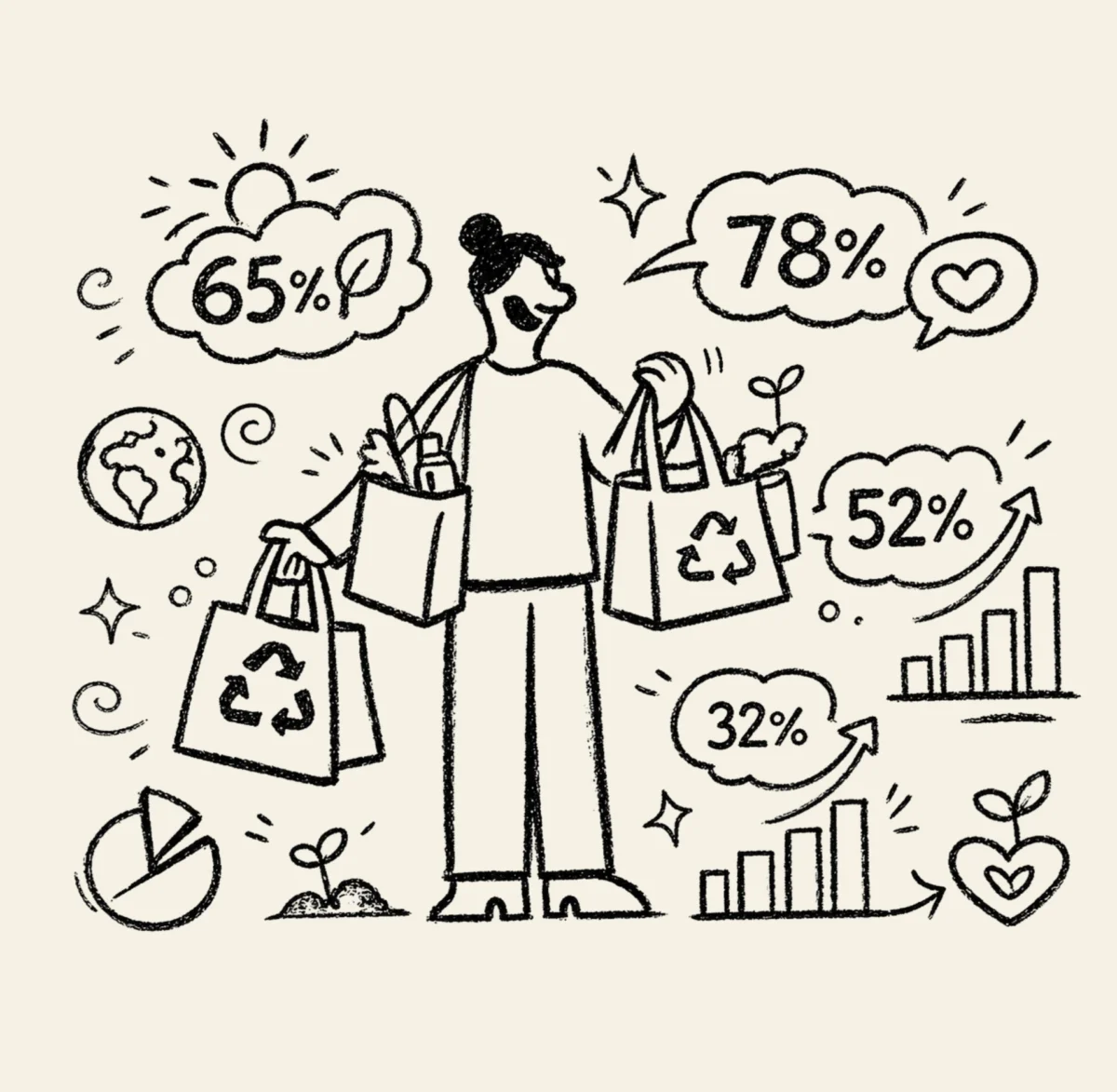
Everlane’s 2025 impact report claims a 60% reduction in Scope 1, 2, and 3 emissions since 2019. While these figures represent a legitimate effort to curb the footprint of a boutique retailer, they are dwarfed by the sheer output of firms like Shein. A 2025 study published in the National Center for Biotechnology Information found that even as consumers express a preference for sustainable or secondhand fashion, their total volume of consumption remains high. The study concluded that "sustainable" shopping habits rarely replace traditional consumption; rather, they exist alongside it, adding to the total churn of the apparel industry.
The "Sheinification" of the Industry
When Shein invited influencers to tour its factories in 2023, the event was a masterclass in modern PR—a strategy that mirrored the very techniques Everlane used in its infancy to establish trust. By curating a "behind-the-scenes" look, Shein attempted to sanitize its reputation for poor labor conditions. The backlash was swift, but the tactic highlights a broader industry trend: transparency has become a commodity that can be manufactured by any brand, regardless of its actual environmental or labor record.
The sale of Everlane to Shein is not just a corporate merger; it is a signal that the "sustainable startup" phase of the fashion industry has reached its ceiling. The market has proven that consumers, while interested in the narrative of sustainability, are ultimately driven by the convenience and price points that companies like Shein have perfected.
Implications: The End of an Era
Fashion magazines have spent the last week mourning the "death of millennial sustainability," but this analysis perhaps misses the point. The question should not be why Everlane sold out, but rather whether the original premise was ever viable.
Was it ever possible for a company to exist within a capitalist framework, scale to a global level, and truly reverse the ecological damage of the apparel industry? The evidence suggests that "conscious consumption" is a paradox. As long as the business model relies on the consistent acquisition of new garments—even "basics"—the environmental cost is non-zero.
For the consumer, the transition is visible in the local thrift store. Today, the racks of New York City second-hand shops are a graveyard of both the "ethical" DTC boom and the "fast fashion" explosion. You can find a slightly worn Everlane silk shirt sitting right next to a discarded Shein crop top.
As Preysman prepares to launch his next venture—reportedly free from the pressures of private equity and venture capital—the industry is left to grapple with the aftermath. The lesson for the next generation of founders and consumers is clear: sustainability cannot be bought, and it certainly cannot be scaled via a marketing campaign. In a world where the speed of production is measured in seconds, the only truly sustainable act may be to stop buying entirely.


 Dwi Wanna