



 Muslim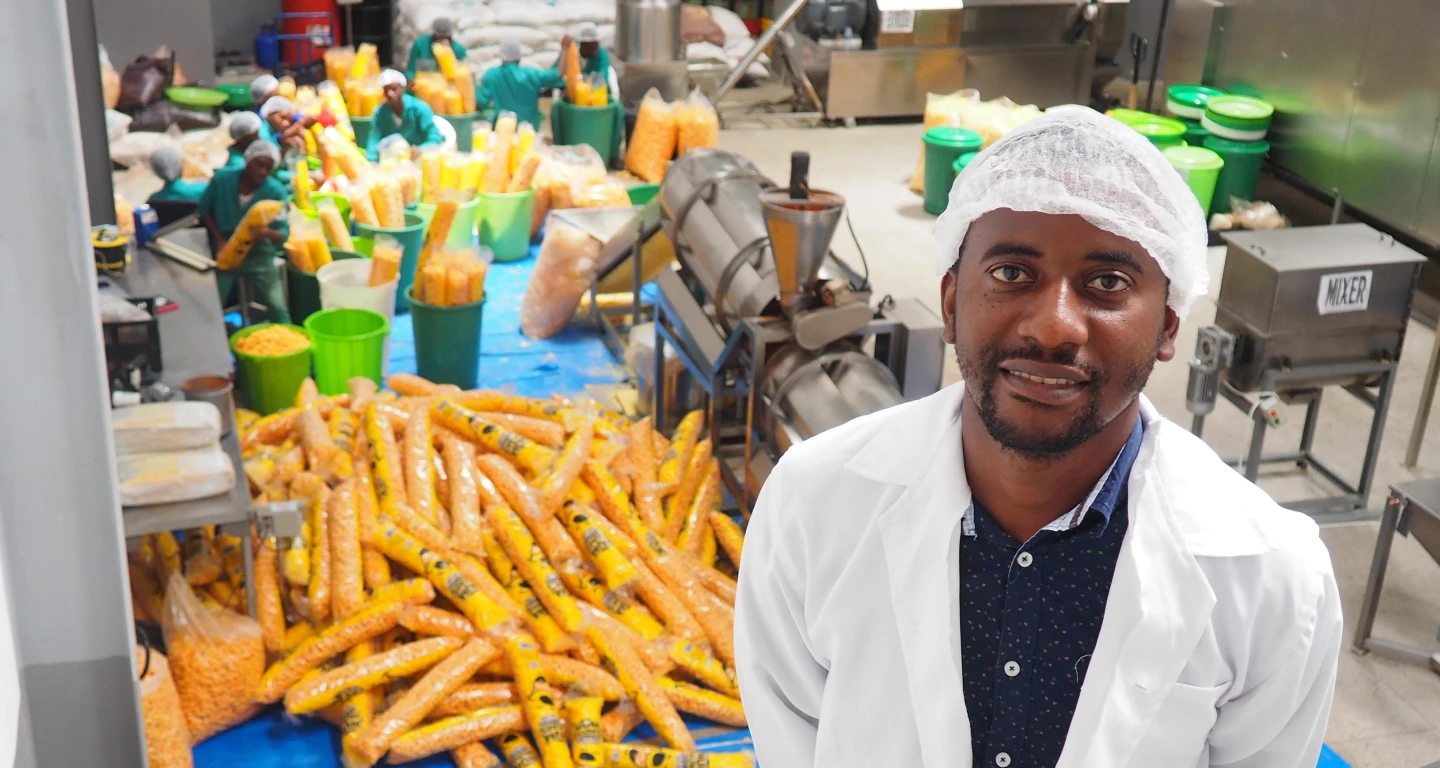
A thriving global food system is anchored in the delivery of affordable, safe, and nutritious diets. Yet, despite the clear humanitarian mandate to combat malnutrition, the global food industry frequently operates under a fundamental disconnect: nutrition is rarely embedded in the core strategies that drive competition, resource allocation, or brand development. In many markets, public health goals and corporate profit motives exist in parallel, rarely intersecting.
Without clear, quantifiable incentives, private enterprises—from small-scale millers to massive agribusinesses—often view nutritional enrichment, such as food fortification, as a burdensome compliance requirement rather than a strategic business asset. This systemic inertia creates a barrier to scaling nutrition, leaving millions of people without access to the fortified staples they need to survive and thrive. However, a new approach—led by organizations like TechnoServe and centered on the Micronutrient Fortification Index (MFI)—is beginning to bridge this gap by proving that when nutrition is made measurable, it becomes a powerful driver of competitive advantage.
The Structural Challenge: Why Good Intentions Fail
The failure to integrate nutrition into the core of the food industry is not typically a result of ignorance. Most industry leaders understand the importance of vitamins and minerals. The issue lies in the structural environment of modern value chains.
In emerging markets, these chains are often plagued by a lack of trust, transparency, and end-to-end traceability. For a miller in Kenya or a processor in Nigeria, the business case for adding micronutrients to maize or wheat flour is often obscured by thin profit margins and the high cost of quality control. If a company invests in reducing aflatoxin contamination or fortifying their products, but their competitors do not, they often face a pricing disadvantage.
Without reliable, public-facing data, the market cannot distinguish between a high-quality, fortified product and a substandard one. Consequently, nutrition is relegated to the periphery—something managed by quality control departments rather than the C-suite. If nutrition is not visible in how a company measures its success, it is unlikely to dictate how that company allocates its capital.
Chronology of a Shift: From Compliance to Competition
The evolution of the Micronutrient Fortification Index (MFI) represents a significant shift in how public health advocates engage with the private sector.
- The Pilot Phase: Initially launched as a pilot program in Kenya, the MFI began as an effort to bring objective data to a market that had previously relied on sporadic, often unreliable, regulatory checks.
- The Expansion: Following early successes, the model was refined to include independent product testing, company self-assessments, and industry feedback. This allowed for the creation of a standardized ranking system.
- The Digital Turning Point: The introduction of the KMFI (Kenya Millers Fortification Index) digital platform allowed the public, investors, and regulators to view the rankings of various brands in real-time. This transformed nutrition from a "hidden" attribute into a public performance metric.
- Current State: The program has scaled significantly. Today, the KMFI covers 159 brands across three primary food vehicles—maize flour, wheat flour, and edible oils—capturing over 50% of the market share in key sectors.
Supporting Data: The Case for Transparency
The data emerging from the MFI programs demonstrates that market transparency directly influences operational performance. By moving away from sporadic compliance and toward a framework that treats fortification as a key performance indicator (KPI), companies have seen tangible operational benefits:
- Efficiency Gains: By integrating nutrition into daily operations (the "4PG" framework), companies have reported a reduction in product rework by up to 30%.
- Audit Success: Continuous, floor-level monitoring allows for the early identification of errors, significantly strengthening audit outcomes and reducing the risk of regulatory penalties.
- Market Capture: In Kenya, the data shows that the index now influences consumer behavior. Brands that secure top rankings on the index have utilized this status in marketing campaigns, such as the widely visible billboard campaign by Unga Ltd, which explicitly highlighted their first-place ranking. This signals to consumers that the brand is high-quality and safe, directly impacting market share.
Operationalizing Nutrition: The 4PG Framework
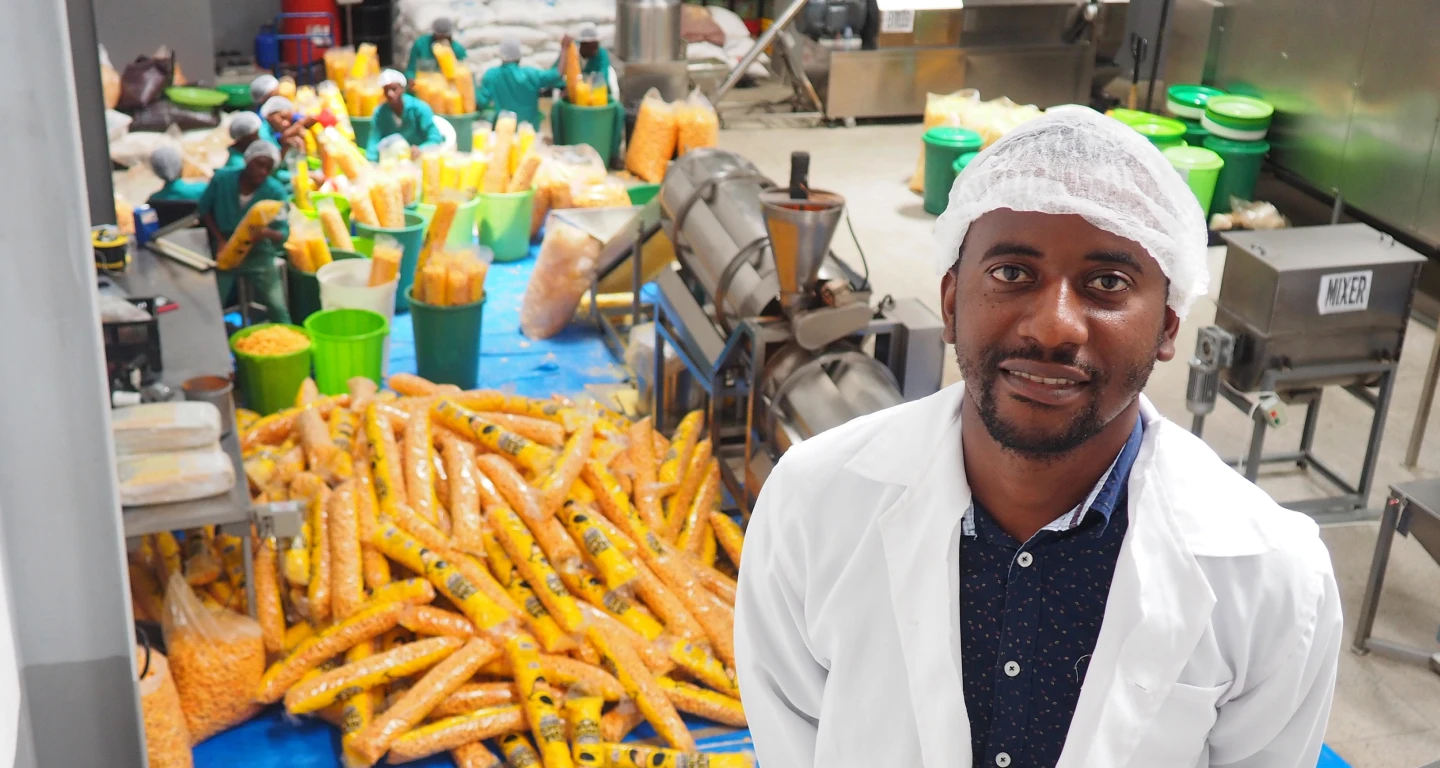
To successfully shift company behavior, the MFI model advocates for the integration of nutrition into the core business cycle through the 4PG framework. This approach moves fortification out of the "quality control" silo and into the heart of the business:
- Governance: Ensuring that board-level decisions prioritize nutritional quality as a core company pillar.
- Procurement: Aligning the purchase of raw materials and fortificants with the goal of consistency.
- Production: Moving from batch-testing to continuous monitoring, which reduces wastage and protects working capital.
- Public Engagement: Utilizing the brand’s fortification status as a differentiator in the retail space.
By treating fortification as a business discipline rather than a regulatory chore, companies protect their bottom line. Reduced wastage, fewer stock-outs, and a superior brand reputation serve as the "business case" that proponents of this model argue is essential for sustained investment.
Implications for the Future: Beyond Nutrition
The mechanisms developed for the MFI—traceability, accountability, and benchmarking—have implications that reach far beyond vitamins and minerals. The same framework can be applied to other critical areas of the food system, such as inclusion and sustainable labor practices.
As food systems become more transparent, companies gain better visibility into their value chains. This creates a ripple effect:
- Upstream: Farmers are incentivized to adopt better practices, knowing that processors are looking for higher-quality, traceable inputs.
- Downstream: Consumers receive higher-quality staples, fostering trust in the food supply.
- Social Impact: The professionalization of these systems creates entry points for women and youth to participate as entrepreneurs, suppliers, and managers, thereby strengthening the local economy.
Official Responses and Industry Perspectives
Industry leaders participating in the MFI have noted that the shift toward transparency has changed the nature of their competition. Instead of a "race to the bottom" based solely on price, the market is beginning to reward quality.
"The index provides us with a seat at the table," one participating miller noted. "It validates our investment in quality and allows us to speak directly to the consumer in a language they understand."
Regulators have also embraced the model. Rather than serving solely as "policemen" who issue fines, regulators can use the index to identify high-performing companies, allowing them to focus their limited resources on the segments of the market where compliance is most lacking. This collaborative, data-driven approach is proving to be far more effective than traditional top-down enforcement.
Conclusion: A Sustained Scale for Healthier Foods
The transformation of food systems cannot rely on philanthropy alone. It requires the power of the market. When agricultural and food system innovations are aligned with market incentives—making nutrition visible, measurable, and comparable—they align with public health goals in a way that is self-sustaining.
As the Micronutrient Fortification Index continues to grow, it offers a blueprint for other nations and other industries. By turning nutrition into a competitive advantage, companies are no longer forced to choose between profitability and public health. Instead, they are incentivized to invest in both. The growth of the KMFI, which now influences a significant portion of the Kenyan market, is not just a success story for fortification; it is a proof-of-concept for a new way of doing business in the global food industry. When corporations see that quality sells, they will invest in it—and that is the only way to deliver nutrition to millions at a scale that truly matters.


 Dwi Wanna
 Asep Darmawan