




 Iffa Jayyana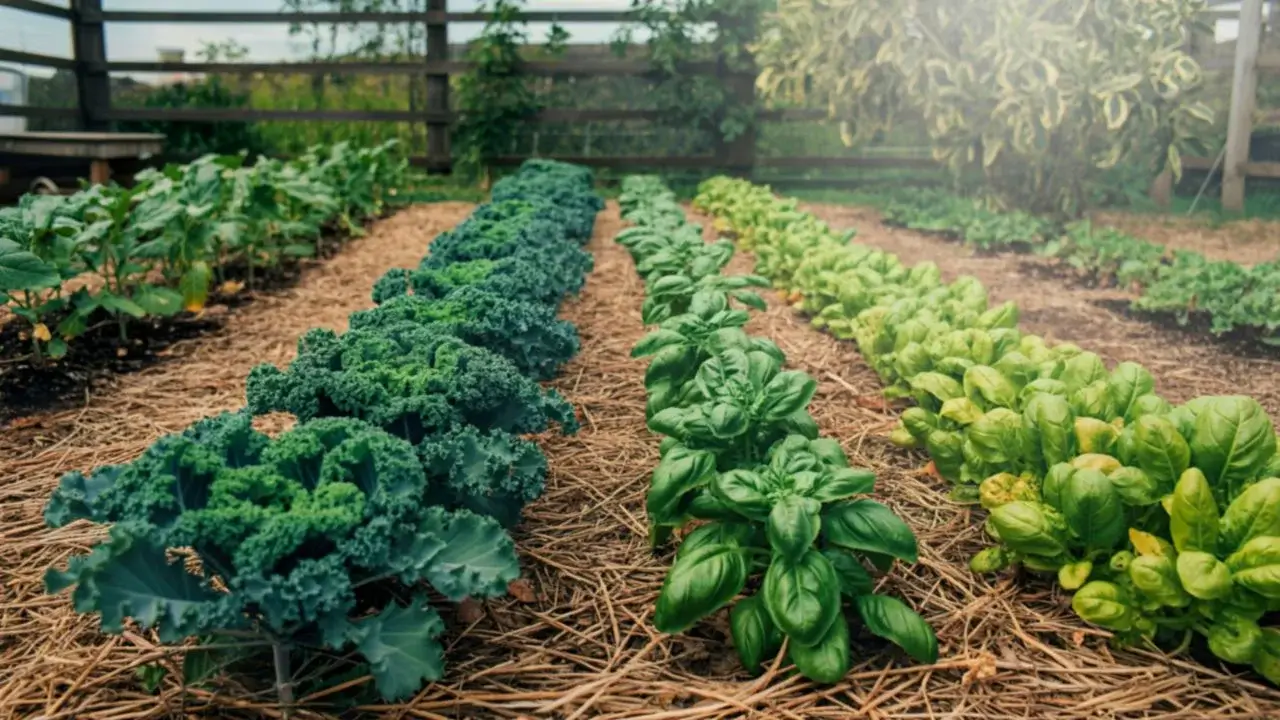
For the small-scale farmer, the growing season is a finite, high-stakes resource. Every square foot of soil represents potential revenue, nutritional output, and community impact. Yet, many growers fall into the trap of a single-planting cycle—a "one-and-done" approach that leaves valuable land idle for weeks at a time. Succession sowing, the practice of planting crops in a staggered or calculated sequence, offers a transformative solution to this inefficiency. By optimizing the temporal and spatial use of the farm, growers can dramatically extend their harvest windows, stabilize cash flow, and build a more resilient agricultural system.
The Core Philosophy: Maximizing the Temporal Window
At its simplest, succession sowing is an exercise in logistics. It requires an intimate understanding of a crop’s "days to maturity" (DTM) and the thermal limits of the local microclimate. By mapping out these variables, a farmer can ensure that as soon as one crop reaches the end of its productive life, the next is ready to take its place.
The primary objective is the elimination of "dead air"—periods where land is neither producing food nor building soil health. When executed correctly, succession sowing turns a farm into a continuous engine of production. This shift not only increases total yield but also allows for a more consistent presence at farmers’ markets, fostering customer loyalty through reliable, weekly availability of fresh produce.
The Four Pillars of Succession Strategy
To implement this practice effectively, farmers should approach their planning through four distinct methodological lenses. Each serves a specific purpose in balancing labor, space, and market demand.
1. Interval Sowing: The Rhythm of Consistency
The most intuitive form of succession sowing is planting the same crop at set intervals. This is particularly effective for fast-maturing, temperature-sensitive crops like radishes, baby lettuces, spinach, and bush beans.
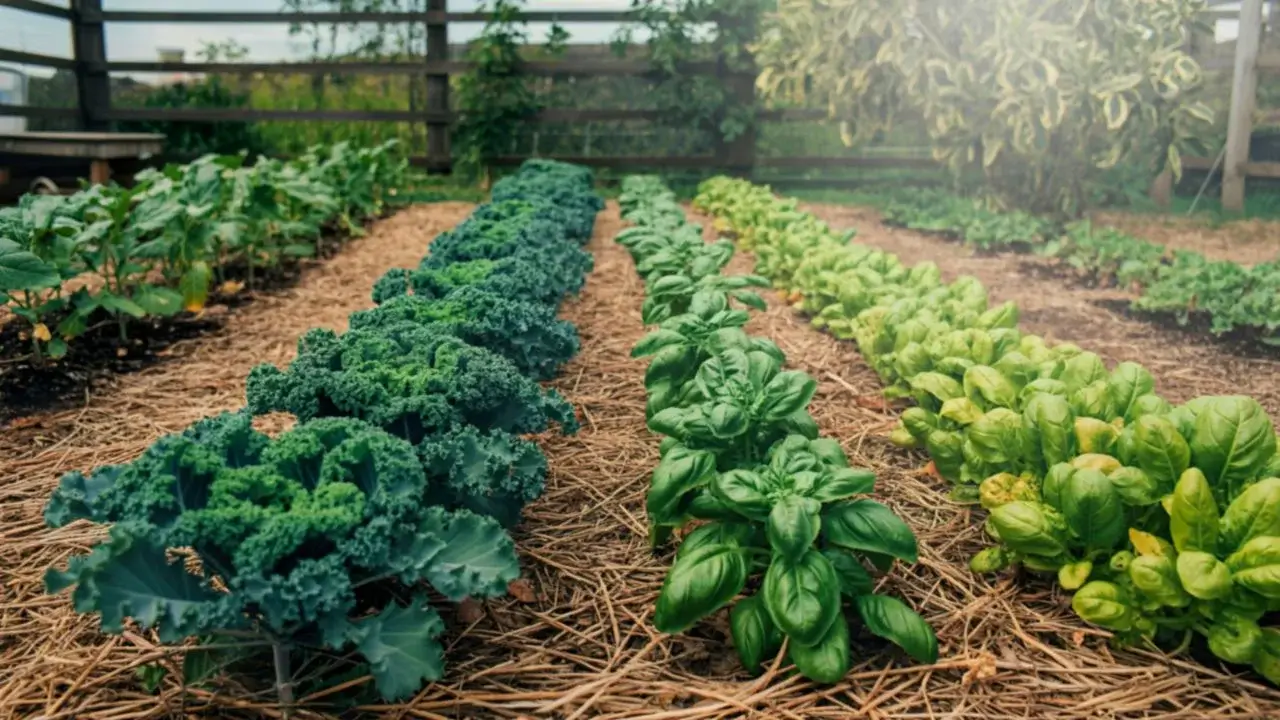
Instead of planting an entire bed of lettuce on the first of the month, a farmer might sow one-third of that bed every ten days. This "staggered start" prevents a massive, unmanageable harvest where all crops peak simultaneously. For the market farmer, this is essential: it avoids the waste of rotting produce that exceeds local demand while ensuring that the stand always has tender, young greens to offer.
2. Spatial Succession: Crop Rotation and Soil Stewardship
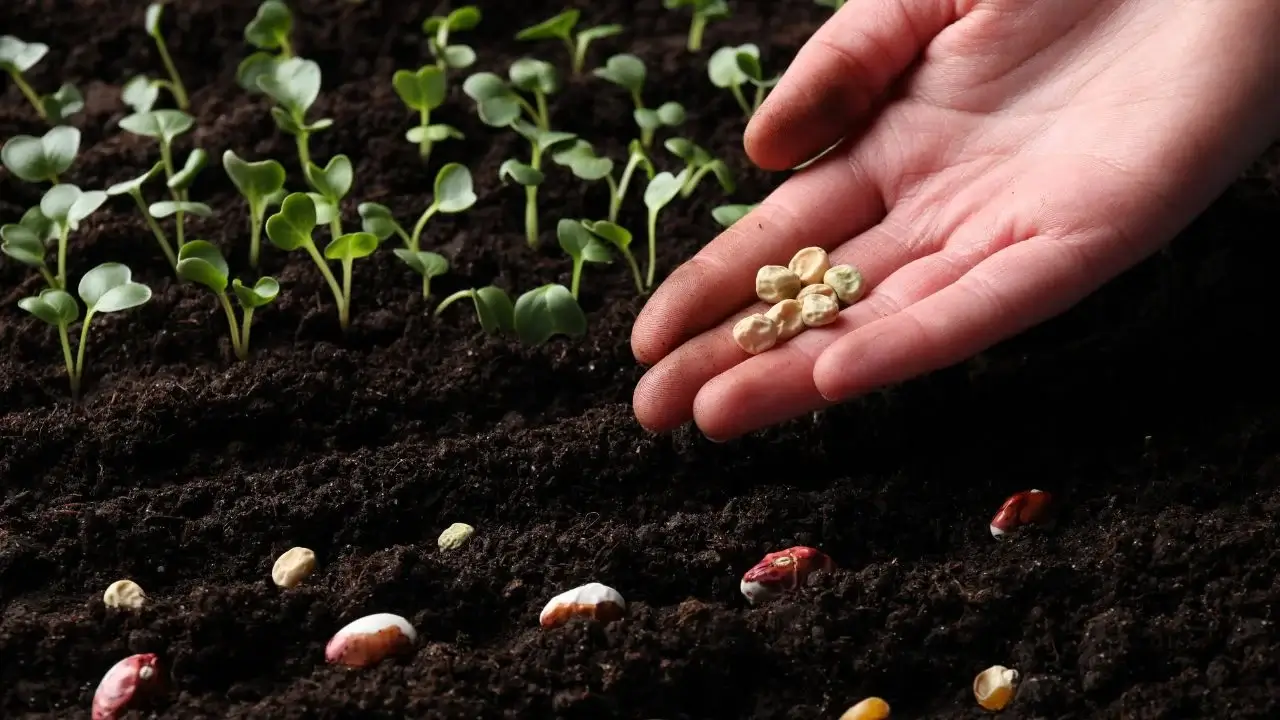
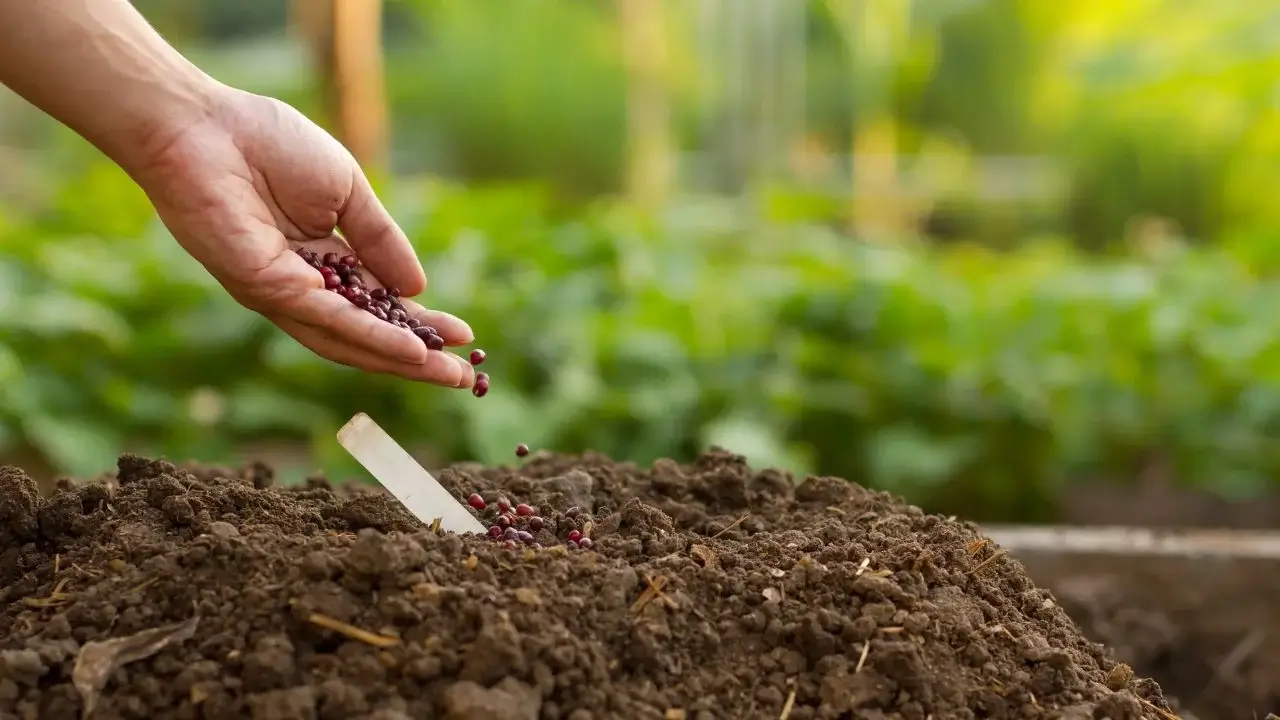
This method involves planting a different crop in the same space as the previous one, often alternating between heavy feeders and soil-builders. For example, a heavy-feeding crop like cabbage or broccoli, which depletes nitrogen, can be followed by a legume like beans or peas, which fix atmospheric nitrogen back into the soil.
This approach requires meticulous record-keeping. The goal is to ensure that the "next" crop thrives in the conditions left by the "previous" one. By incorporating a composting phase or a short-duration cover crop between successions, farmers can maintain soil structure and microbial diversity, turning a simple planting schedule into a long-term fertility program.
3. Integrated Intercropping: Timing as a Tool
Intercropping—planting two or more crops in the same space at once—becomes a form of succession when timed carefully. By planting a slow-growing, long-season crop (like trellised tomatoes) alongside a quick-maturing crop (like radishes), the farmer harvests the radishes long before the tomato canopy shades them out.
This strategy maximizes vertical space and provides natural ground cover, which helps suppress weeds and regulate soil temperature. The key is in the "support architecture": planting the structural or tall-growing plant first, then following with the secondary, understory crop. This creates a multi-layered ecosystem that is more resistant to pests and more efficient in its nutrient uptake.
4. Varietal Diversification: Extending the Season
Finally, growers can achieve succession by planting multiple varieties of the same vegetable that have different maturity dates. By selecting an early-maturing tomato, a mid-season variety, and a late-season heirloom, a farmer can harvest the same crop for months rather than weeks. This is a powerful tool for building a brand identity; if a grower is known for high-quality tomatoes, maintaining that availability through varietal planning keeps their product in the customer’s basket throughout the entire summer and into the fall.
Supporting Data: The Economic and Biological Implications
The shift toward intensive succession planning is backed by data indicating higher land-use efficiency. Studies in small-scale market gardening show that intensive relay cropping can increase total gross revenue per acre by 30 to 50 percent compared to monoculture systems.
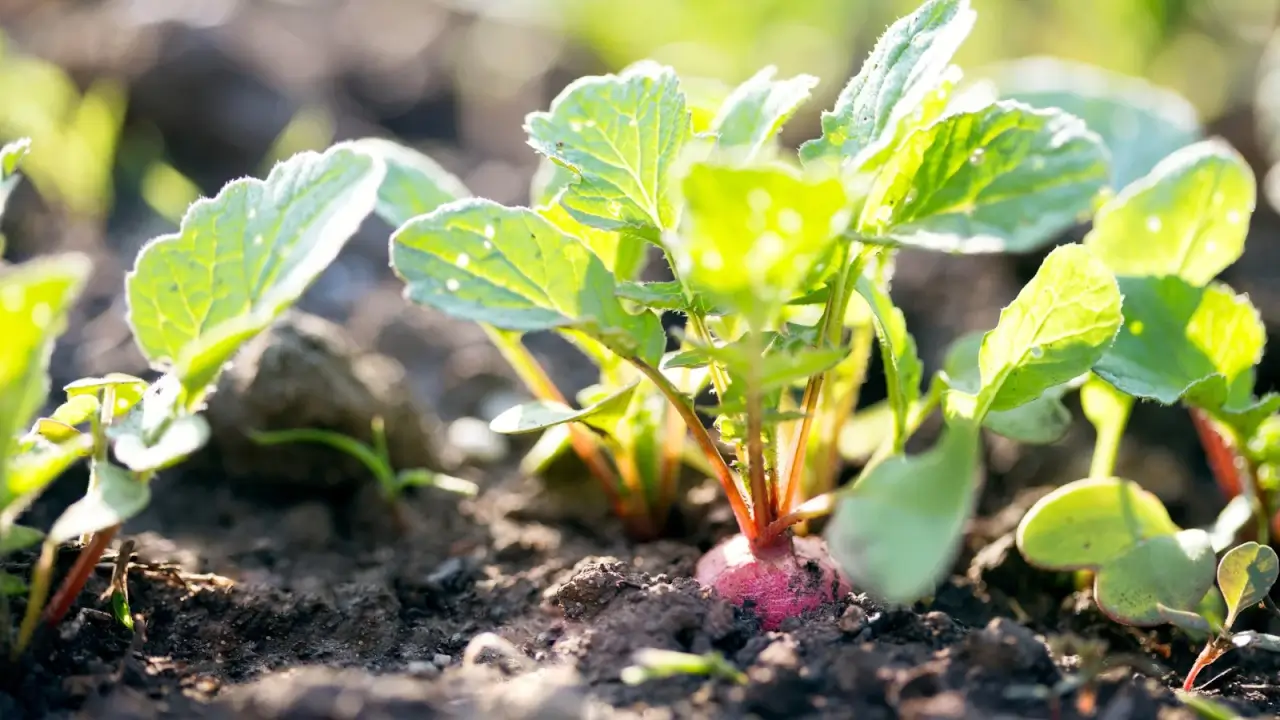
Beyond the balance sheet, there are biological benefits. Constant root activity in the soil, provided by continuous succession, keeps the soil food web active. When soil is left bare, it loses organic matter and moisture. By keeping the ground covered with a "succession" of crops, farmers improve water infiltration and reduce the need for external inputs, as the soil remains biologically "alive" year-round.
Addressing the Challenges: Timing, Labor, and Climate
While the benefits are clear, the transition to a succession-based system requires a steep learning curve. The primary challenge is the increased labor intensity. Planning a sequence requires a "master calendar" that accounts for every bed on the farm.
Farmers must also account for climate volatility. A sudden heatwave can accelerate the maturity of some crops, while a cold snap can stall others. To mitigate this, successful farms often integrate "season extension" technology. Low hoops, cold frames, and floating row covers are not just tools for winter growing; they are essential for the succession farmer to ensure that the "next" crop in the sequence can be started even if the weather isn’t perfectly aligned with the calendar.
Implications for the Future of Food Systems
The implications of widespread adoption of these techniques are profound. As the global food system faces pressure from climate change and land degradation, the ability to produce more food on less land becomes a matter of security.
For the individual farmer, the shift to succession sowing is a move away from the "industrial" mindset of massive, single-crop harvests toward a "biological" mindset of continuous, manageable yields. This leads to reduced food waste, as harvests are aligned with actual market consumption. It also fosters a more resilient farm economy, where the farmer is less reliant on a single "big harvest" and more focused on the daily, incremental productivity of the land.
Conclusion: A Path Forward
Succession sowing is not merely a set of techniques; it is a philosophy of stewardship. It asks the farmer to act as a conductor, orchestrating the growth cycles of dozens of species to create a symphony of production.

For those just beginning, the advice is simple: start with the low-hanging fruit. Choose one crop—perhaps radishes or lettuce—and commit to sowing it every ten days throughout the season. Once the rhythm of that cycle is mastered, expand to more complex combinations. By observing the soil’s reaction, noting the timing of each harvest, and adjusting the plan for the following year, the small-scale farmer can turn their plot into a high-functioning, sustainable, and highly profitable enterprise.
In the evolving landscape of modern agriculture, the farmers who thrive will not be those who work the hardest, but those who work with the greatest foresight—planting the seeds of today with a clear vision of the harvests to come.


 Dwi Wanna
 Asep Darmawan