



 Azzam Bilal Chamdy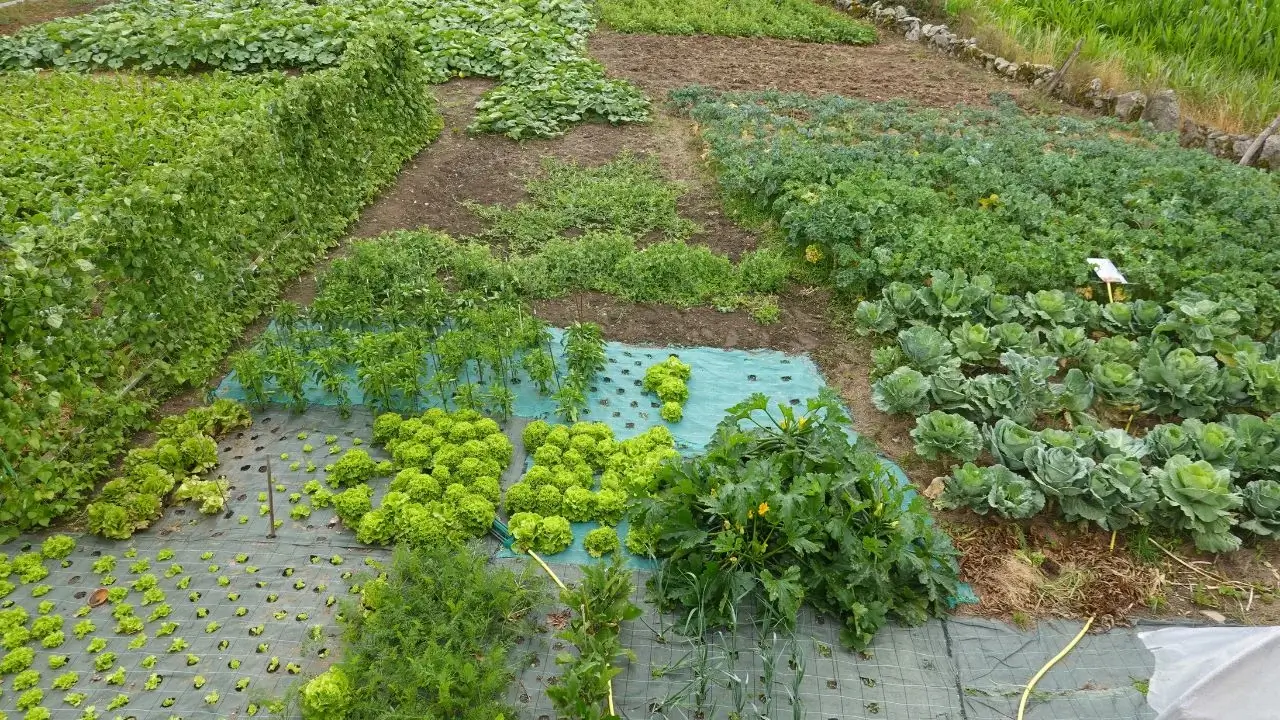
For decades, the term "permaculture" conjured images of sprawling, remote homesteads—vast acreages where practitioners could experiment with food forests and intricate water-harvesting systems away from the prying eyes of suburbia. However, a quiet revolution is taking root in the most unlikely of places: the standard suburban backyard and the small urban plot. Leading this charge is Brandy Hall, a permaculturalist and the visionary founder of Shades of Green Permaculture. Through her work, Hall is debunking the myth that regenerative land stewardship is reserved for the rural elite, demonstrating that permaculture is, in fact, a scalable philosophy of survival and restoration for the modern era.
The Core Philosophy: Moving Beyond Extraction
At its heart, permaculture is a design system that seeks to mimic the patterns and relationships found in nature. Rather than imposing rigid, industrial agricultural methods onto the land, permaculture asks the gardener or farmer to first act as an observer.
"At its core, permaculture is about relationships," Hall explains. "It’s about understanding how water, soil, plants, animals, and people interact, and then designing systems that support those relationships rather than work against them."

This represents a radical departure from the traditional industrial agricultural model, which is often characterized by monocultures, heavy reliance on chemical inputs, and a focus on short-term extraction. In a permaculture system, the goal is to build "life capital." By fostering biodiversity and creating self-sustaining cycles, the land becomes more resilient to pests, disease, and climate volatility.
A Personal Catalyst for Change
Hall’s commitment to this restorative path is not purely academic; it is deeply personal. In the introduction to her latest work, The Complete Guide to Home Permaculture, she chronicles a harrowing experience with chemical herbicides that affected her own family. This encounter with the toxicity of conventional industrial practices served as a profound wake-up call, highlighting the hidden costs of a food and landscaping system that prioritizes convenience and immediate yield over human and ecological health.
This traumatic origin story serves as the bedrock of her professional mission. Today, she works with homeowners and small-scale farmers to transition their land away from these harmful cycles, replacing them with landscapes that are not only productive but also regenerative.

The Practical Mechanics of Regenerative Landscaping
For those wondering how to bridge the gap between conventional gardening and permaculture, Hall suggests that the transition does not require an overnight, top-to-bottom overhaul. Instead, she advocates for a phased, observational approach.
1. Water: The Primary Driver
Hall identifies water management as the most frequently overlooked element in landscape design. "People tend to treat water as a nuisance, sending it away through drains and gutters, but then using city water or expensive well water during periods of drought," she notes.
In a permaculture-designed space, the goal is to "slow, spread, and sink" water. By utilizing swales, rain gardens, and strategically placed mulch, landowners can keep water on the property, replenishing the local water table and nourishing the soil long after the rain has stopped.

2. Protecting the Soil Sponge
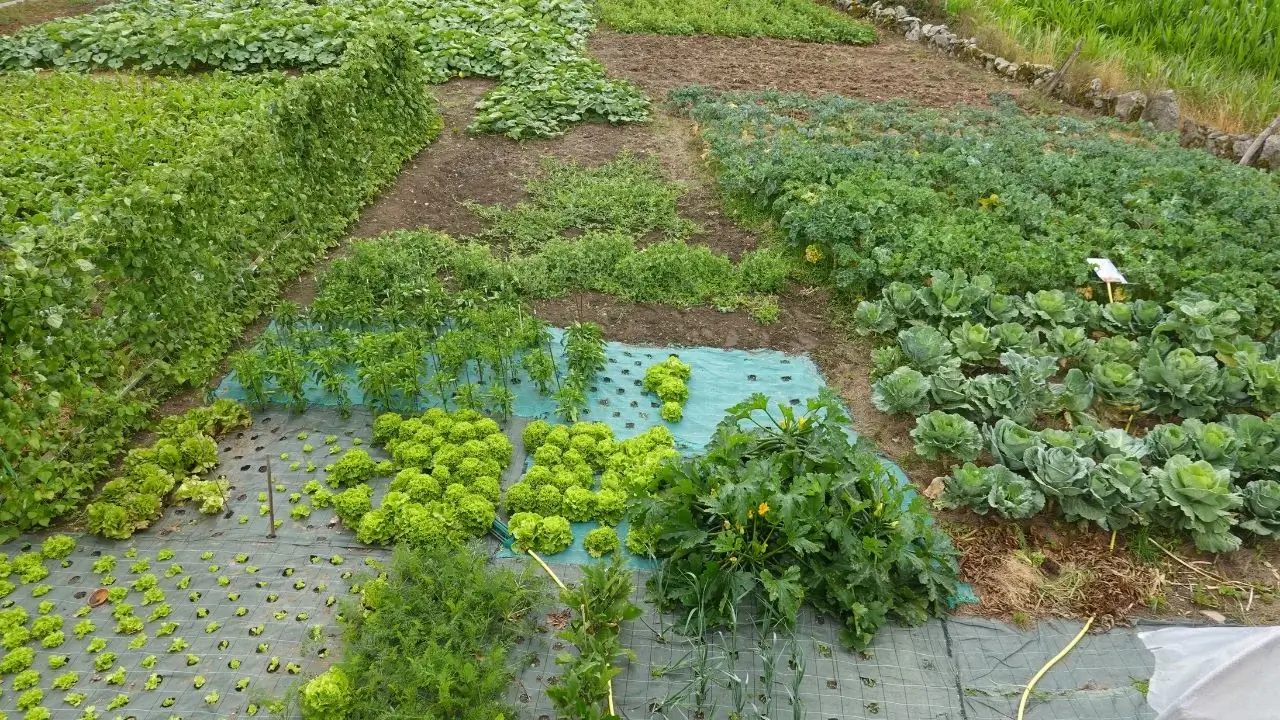
"Bare soil is incredibly vulnerable," Hall warns. One of the most fundamental shifts a grower can make is ensuring the soil is never left exposed. Whether through the application of organic mulch, the planting of cover crops, or the use of living ground covers, keeping the soil covered is essential for maintaining moisture and fostering the microbial life that defines healthy, productive land.
3. Guilds and Diversity
Instead of planting in long, isolated rows of a single species—the hallmark of conventional farming—permaculture encourages the use of "guilds." These are plant communities where species are chosen for their mutually beneficial relationships. A fruit tree, for example, might be surrounded by nitrogen-fixing shrubs, ground-covering herbs that suppress weeds, and deep-rooted flowers that draw up minerals. Together, these plants support each other, reducing the need for external fertilizers or pesticides.
Addressing the Industrial Buffer
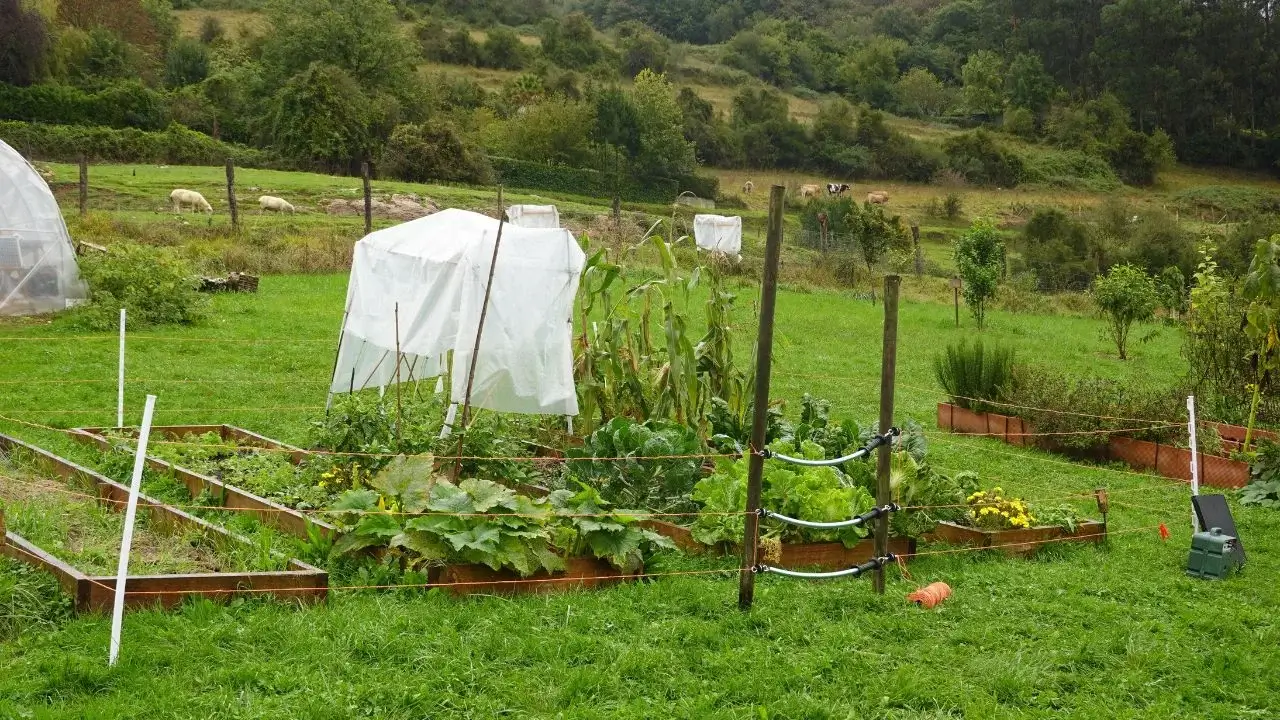
One of the most pressing questions for many landowners is how to manage the "spillover" effects of industrial agriculture, such as chemical drift and water contamination from neighboring properties. Hall offers a pragmatic solution: the creation of robust, functional buffers.
"Buffering is a big one," she explains. "Hedgerows, windbreaks, and densely planted edges can help reduce chemical drift, provide habitat for beneficial insects, and create a physical and ecological boundary."
These boundaries act as an immune system for the property, filtering incoming air and water. Beyond the physical protection, Hall emphasizes the power of the "demonstration effect." By creating a landscape that is clearly more vibrant and resilient than the neighboring conventional plots, landowners can act as a catalyst for change within their own communities. Seeing is believing, and when neighbors witness the success of a regenerative approach, perceptions often begin to shift.
The Cultural Implications: A Legacy of Stewardship
Perhaps the most profound aspect of Hall’s work is the emphasis on the next generation. We are currently operating within a social and ecological climate defined by rapid change, and the skills required to navigate this future are markedly different from those taught in the mid-20th century.
"The most important thing we can teach is how to observe and respond, rather than control," says Hall. "We’ve inherited a model that often prioritizes short-term yield over long-term health… Regenerative work asks us to take a longer view."
This involves teaching children not just how to plant a seed, but how to "read" the land. By training the next generation to notice changes in soil composition, water movement, and plant health, we are giving them the tools to act as stewards of the environment. This shift is cultural as much as it is ecological; it demands collaboration, humility, and a lifelong commitment to learning.
A Path Forward
The transition to a permaculture-based lifestyle is not about achieving a flawless, static "perfect" garden. It is about building a system that becomes more capable of handling life’s challenges—from extreme weather to economic shifts—with every passing season.
Whether one is managing a 100-acre farm or a 10-foot-square urban balcony, the principles remain consistent. By moving away from an extractive mindset and toward one of mutual support, we can begin to heal the landscape. As Brandy Hall’s work continues to show, the path toward a more sustainable future begins right outside our front doors. Through careful observation, thoughtful design, and a willingness to work with, rather than against, the patterns of nature, any landowner can transform their patch of earth into a bastion of life and resilience.
As we look toward an increasingly unpredictable future, the wisdom of permaculture offers more than just a method for growing food—it offers a template for living harmoniously within the biological systems that sustain us all. The work is demanding, but as Hall proves, it is both necessary and deeply rewarding. By starting small and scaling our efforts, we are not just gardening; we are participating in the essential work of regenerating the world, one yard at a time.


 Dwi Wanna
 Asep Darmawan