

 Lina Hope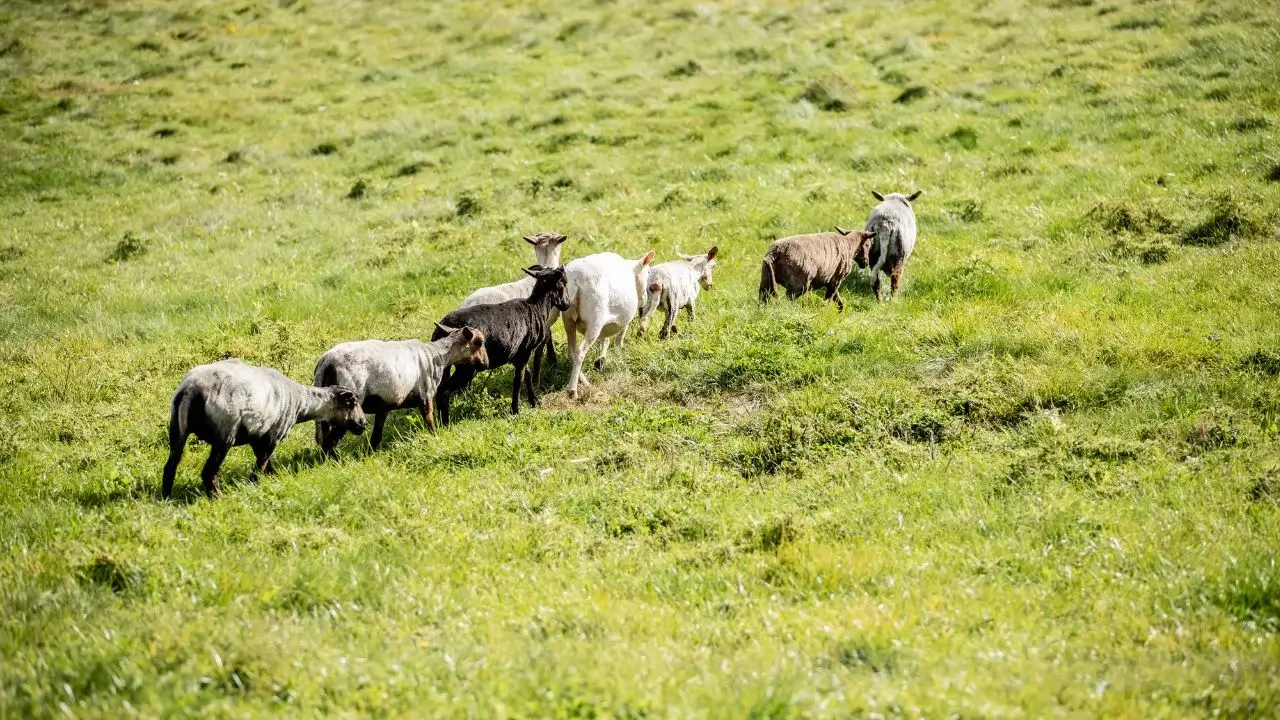
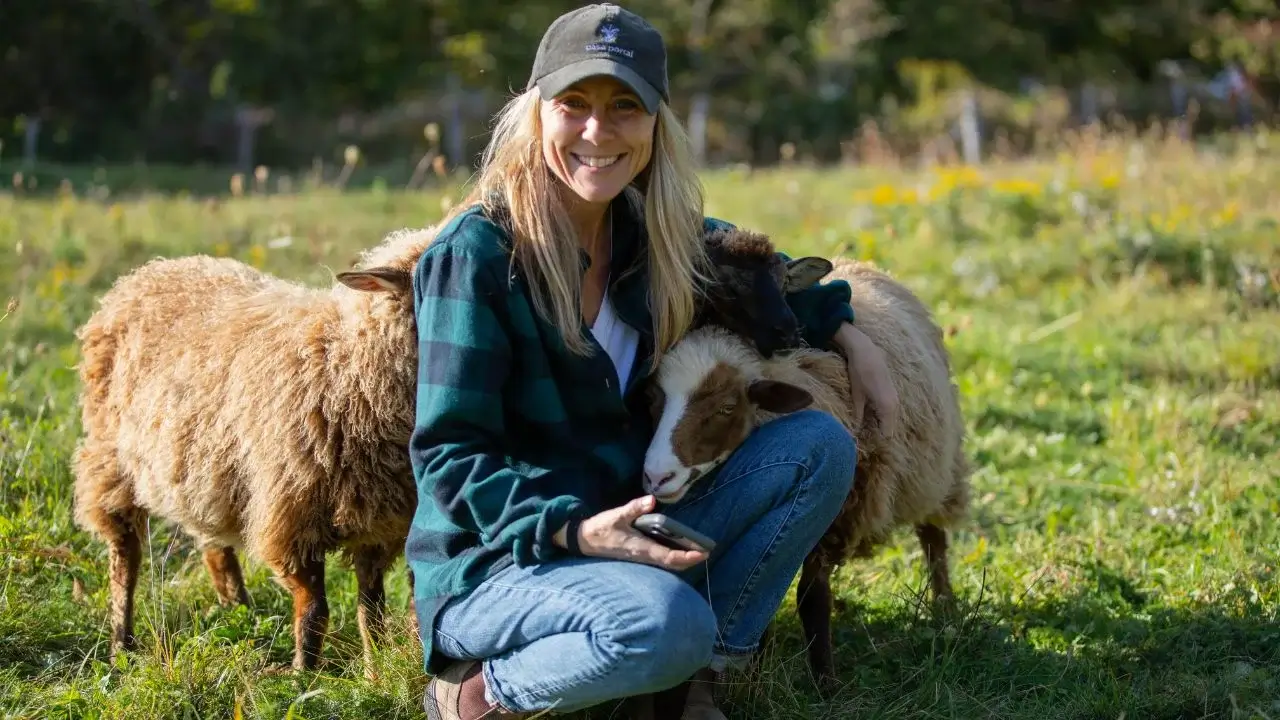
In the rolling, rugged terrain of rural Maine, a quiet revolution is taking place—one measured not in industrial output or aggressive expansion, but in the rhythmic, deliberate footsteps of a heritage sheep breed. At Casa Portal, a farm that has become a beacon for sustainable land management, proprietor and shepherd Melissa Schneider is proving that the future of agriculture may actually lie in looking backward.
By integrating the rare Navajo-Churro sheep—an animal deeply intertwined with the history of the Diné people—into her Maine acreage, Schneider is challenging the extractive models of modern farming. Her work represents a growing movement of land stewards who believe that regeneration is not a technical process to be imposed, but a relationship to be cultivated.
The Genesis of Casa Portal: A Departure from the Fast Lane
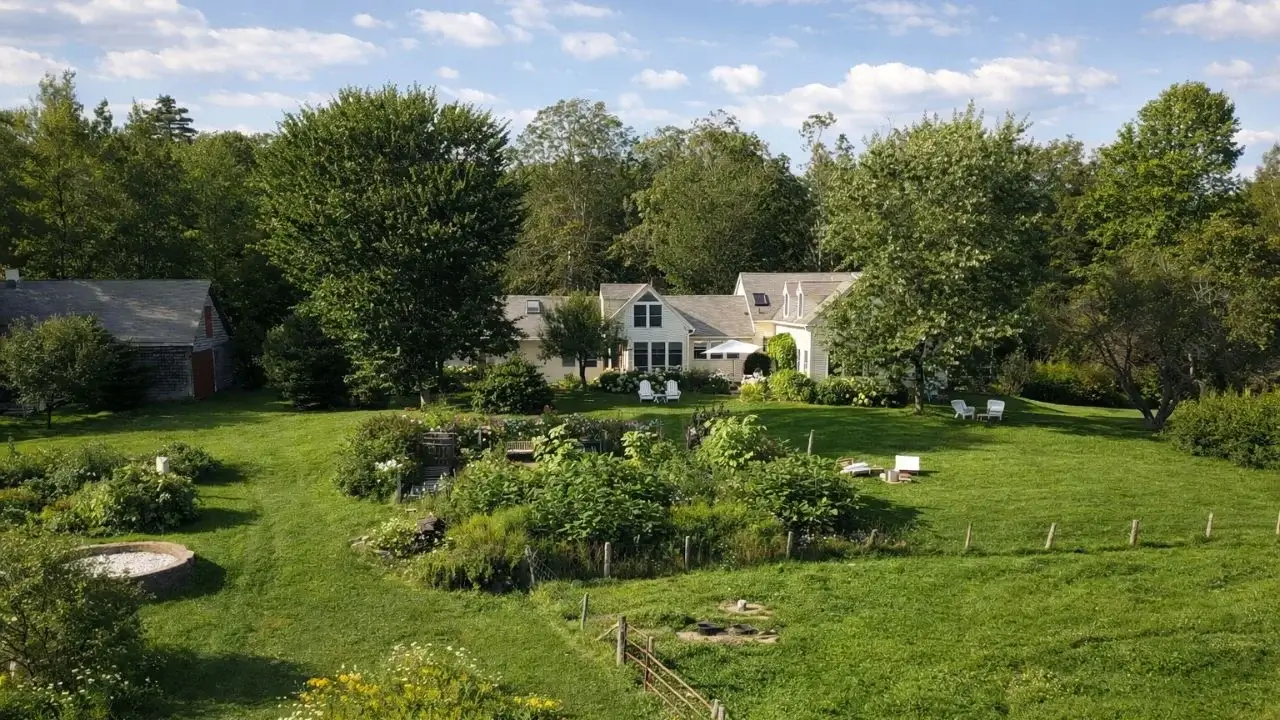
The transition to Casa Portal was, for Schneider, an intentional pivot away from the high-velocity, output-driven environment of Los Angeles. Seeking a life defined by a slower cadence and a direct connection to the earth, Schneider and her husband, Pete, found themselves at a crossroads that eventually led them to the stewardship of a farm previously known as Rolling Meadows.
"I didn’t set out to become a shepherdess," Schneider reflects. "I left the city looking for something quieter—a life closer to the ground. What I found was a small herd of Navajo-Churro sheep and a story that was already in motion. I realized that my role wasn’t to redefine the land, but to step into its existing narrative and ensure its continuity."
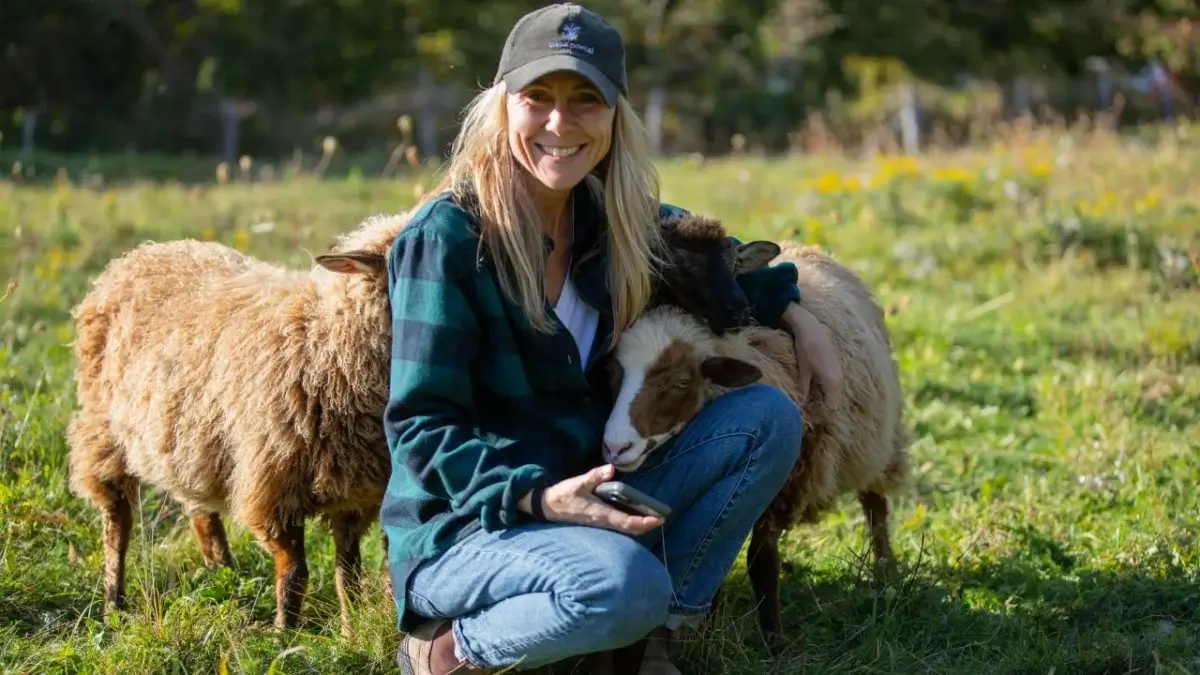
Renaming the property Casa Portal—or "the house with a portal"—Schneider sought to encapsulate the idea that the farm is a gateway into a different way of living. It is a space where the barriers between the producer, the animal, and the consumer are dissolved.
A Legacy in Wool: The Navajo-Churro Connection
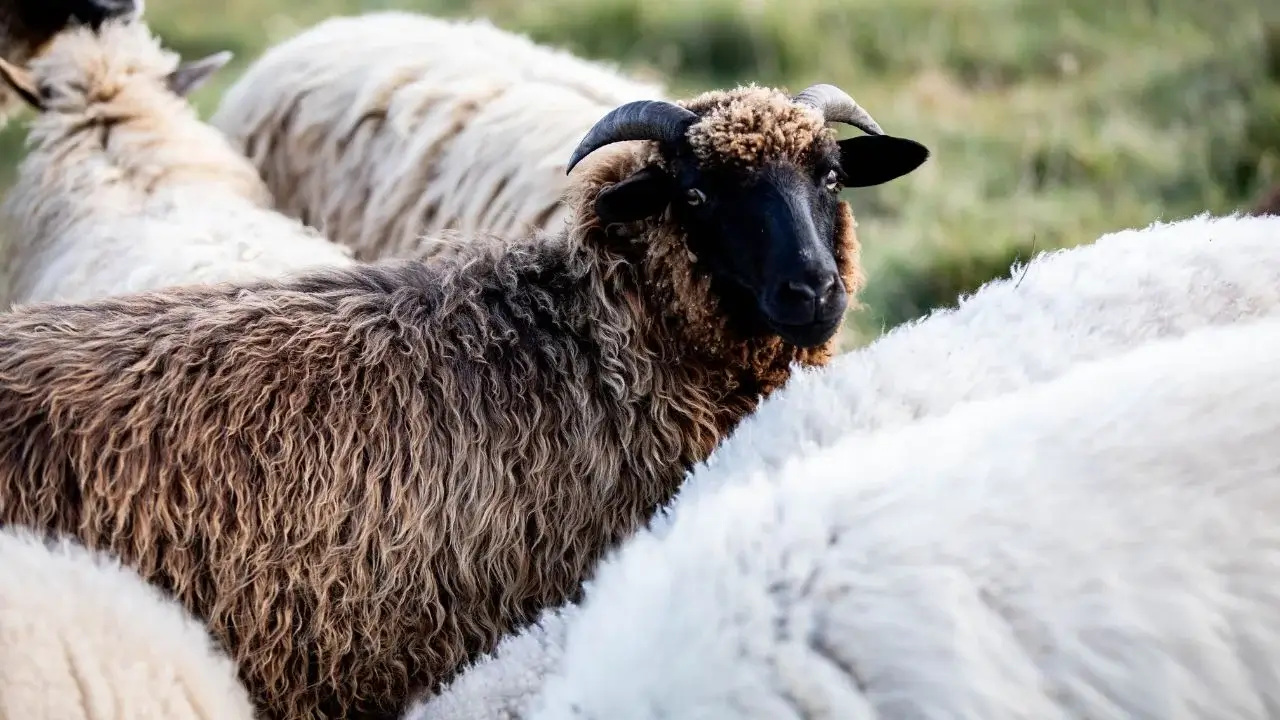
The centerpiece of Casa Portal is its flock of Navajo-Churro sheep. This heritage breed is more than just a source of fiber; it is a living artifact of the American Southwest. Historically central to the culture and economy of the Diné (Navajo) people, the breed suffered a harrowing decline between the 1860s and the 1930s due to federal policies, surviving only in isolated pockets.
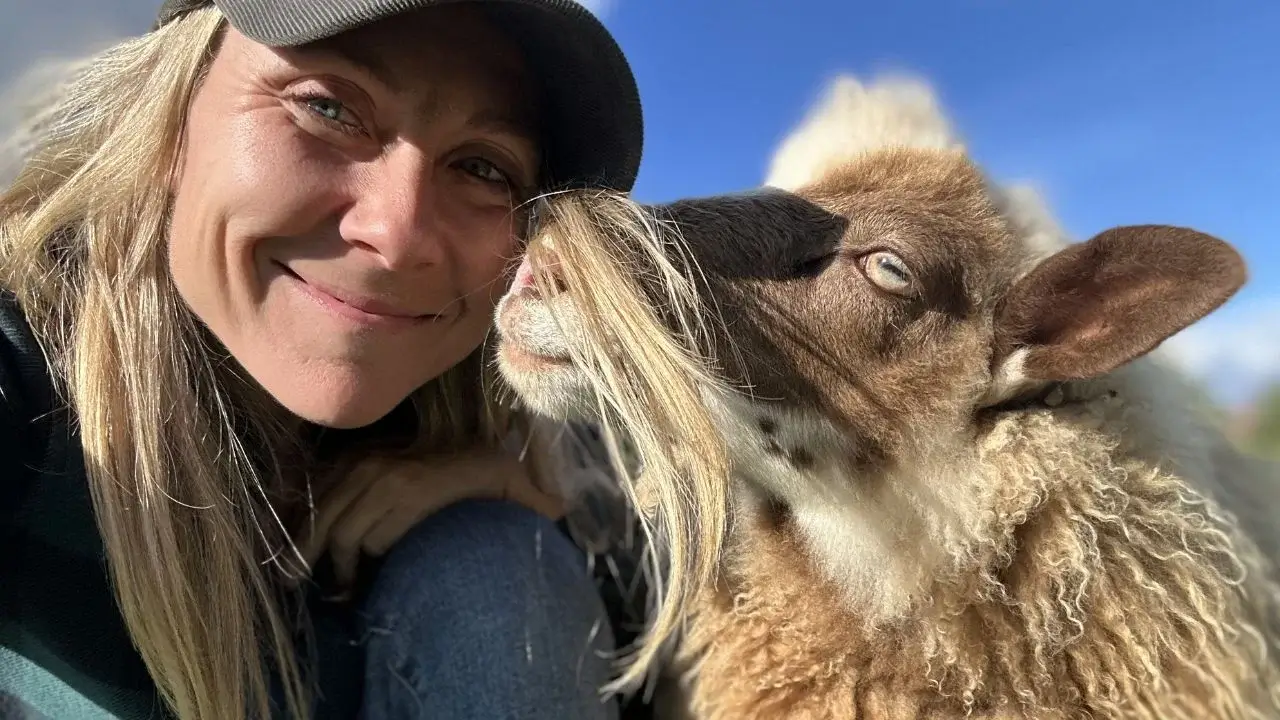
By the 1970s, the breed was on the brink of extinction. Today, the flock at Casa Portal serves as a vital genetic and cultural bridge. The lineage of this specific herd dates back over two decades, beginning with a ram brought from the Southwest to Maine—a distance that speaks to the dedication of the shepherds who preceded Schneider.
"I am acutely aware of the cultural significance these animals hold," says Schneider. "They are resilient, rooted in a fragile history, and they carry something far beyond their wool. In the Northeast, they have adapted to our seasons with a hardiness that is truly remarkable. They don’t require the intensive inputs or the reshaped environments that modern industrial breeds demand."
The Mechanics of Regeneration: How Sheep Heal the Land
At Casa Portal, the sheep are treated as "quiet collaborators" in a complex ecological system. In a regenerative model, the goal is to enhance the soil’s health, water retention, and biodiversity rather than merely extracting a crop.
Grazing Patterns and Soil Vitality
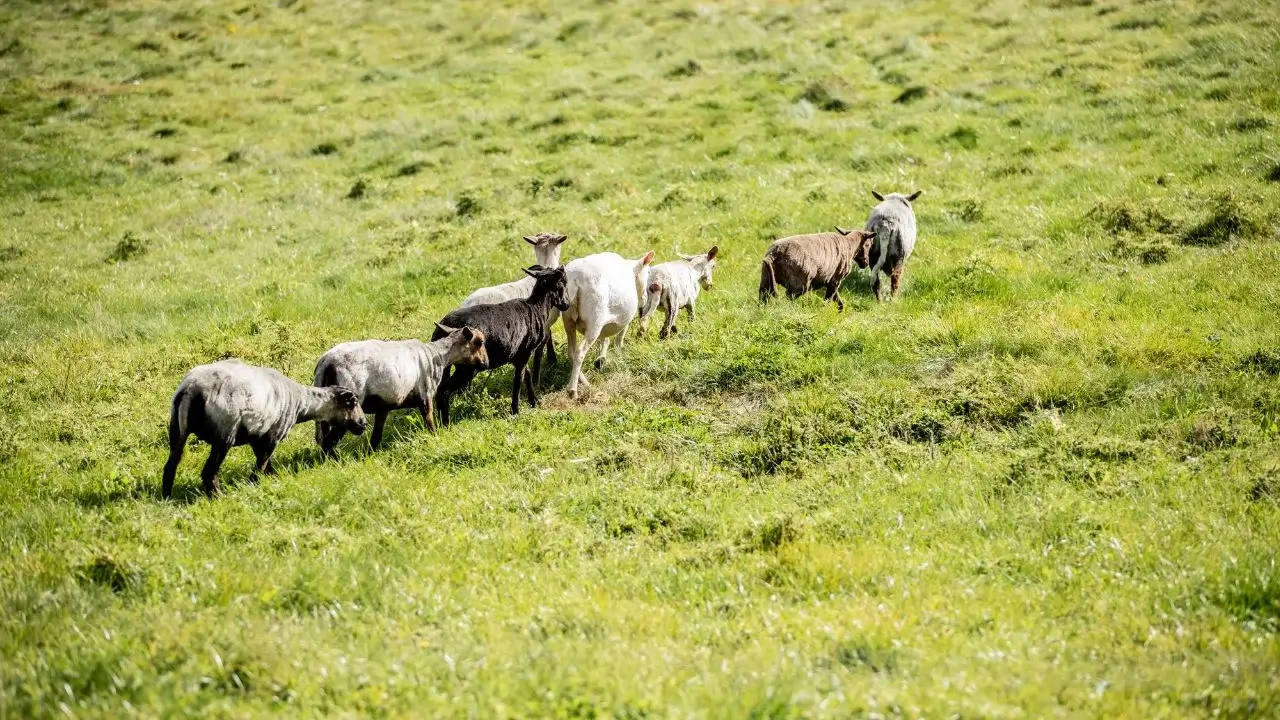
The sheep move across three primary pastures, mimicking natural grazing behaviors that have evolved over millennia. Through a system of rotational grazing, Schneider allows the land to rest and recover, preventing the over-grazing common in conventional operations.
- Nutrient Cycling: As the sheep graze, they distribute organic matter and nutrients back into the soil, acting as a natural fertilizer.
- Seed Dispersal: Their hooves press seeds into the soil, while their wool acts as a carrier for local plant species, promoting biodiversity.
- Selective Foraging: Unlike industrial livestock that require uniform, monoculture grasses, Navajo-Churros are browsers that select a varied diet, which prevents any single plant species from dominating the pasture.
"What looks like random wandering is actually a very specific, ancient pattern," Schneider explains. "They move with the slope, the wind, and the season. They are not just animals; they are the primary engineers of our soil health."
The Rise of the Female Shepherd
The year 2026 has been designated by the United Nations as the "Year of the Female Farmer," a recognition that feels particularly timely as more women take the lead in regenerative agriculture. For Schneider, this movement is less about a new trend and more about the reclamation of a role that has always been essential.
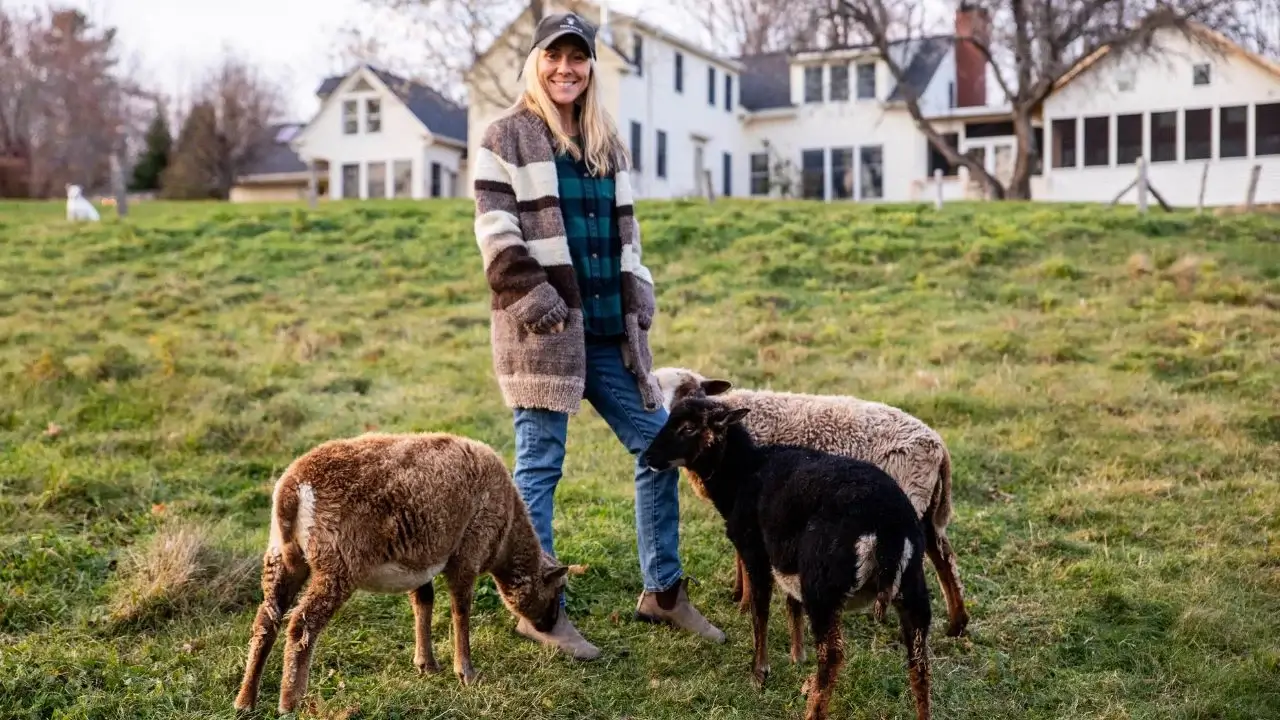
"Shepherding is inherently relational," she notes. "It requires deep observation, patience, and a willingness to listen to what the animals and the land are communicating. There is a matriarchal lineage to this work, especially when we look at the history of the Navajo-Churro and the weaving traditions that accompany them. It is a form of care that is incompatible with the ‘take-all’ mentality of industrial farming."
Implications: A Model for the Future
The implications of the Casa Portal model extend far beyond the borders of Maine. As the global agricultural sector faces the dual challenges of climate change and soil degradation, the shift toward "generative" farming—which builds layer upon layer of health rather than depleting resources—is becoming a matter of urgency.
Key Takeaways for Small-Scale Operations:
- Low-Input Resilience: Heritage breeds like the Navajo-Churro are better equipped to handle the stresses of a changing climate without the need for synthetic chemicals or heavy infrastructure.
- Community-Centered Economics: By diversifying products—including yarn, rugs, and educational farmstays—small farms can ensure their economic survival while maintaining a manageable scale.
- Knowledge Preservation: The success of Casa Portal relies on the intersection of ancient ancestral knowledge and modern connectivity, as demonstrated by the online communities of farmers who share troubleshooting techniques in real-time.
The Path Forward: Expanding the Portal
Looking ahead, Schneider is focused on deepening the connection between the farm and its community. The renovation of the property’s barn into a space for fiber and creative arts workshops is a strategic move to bring the "full cycle" of production into the public eye.
"The future of Casa Portal is about participation," Schneider says. "We want people to stop being observers of the natural world and start being participants in it. Whether it’s through a workshop, a retreat, or simply spending time with the flock, we are trying to create a space where the rhythm of the land dictates the pace of our lives."
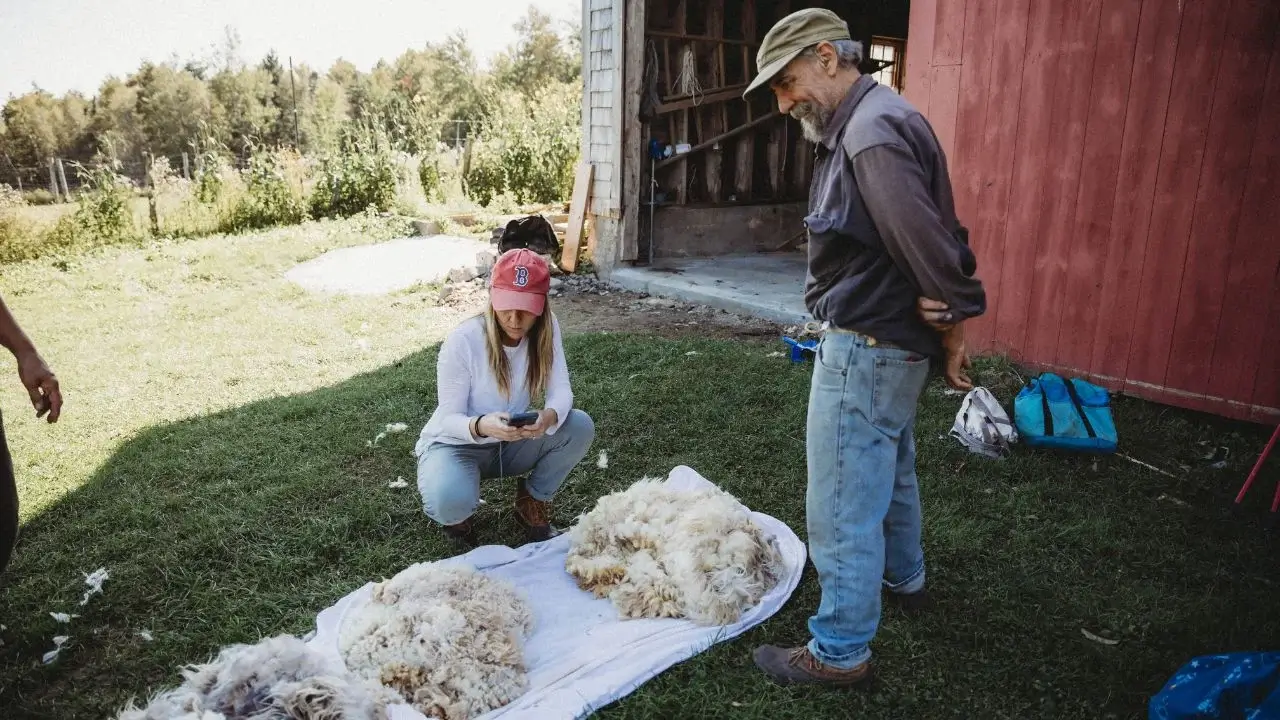
As she prepares to open a new pasture to further support the flock’s movement, Schneider remains grounded in her original realization: shepherding is not about control; it is about paying attention. In a world that often demands we move faster, the story of Casa Portal serves as a potent reminder that sometimes, the most profound progress is made by simply slowing down and letting the land guide the way.
Conclusion
The story of Melissa Schneider and her herd of Navajo-Churro sheep is a testament to the resilience of both species. By honoring the past and carefully tending to the present, she has created a farm that is, quite literally, a portal to a more sustainable future. For those interested in the nexus of cultural heritage, ecological restoration, and the evolving role of women in agriculture, Casa Portal is not just a destination—it is a blueprint for a new way of being on the earth.

 Dwi Wanna
 Asep Darmawan