
 Dwi Wanna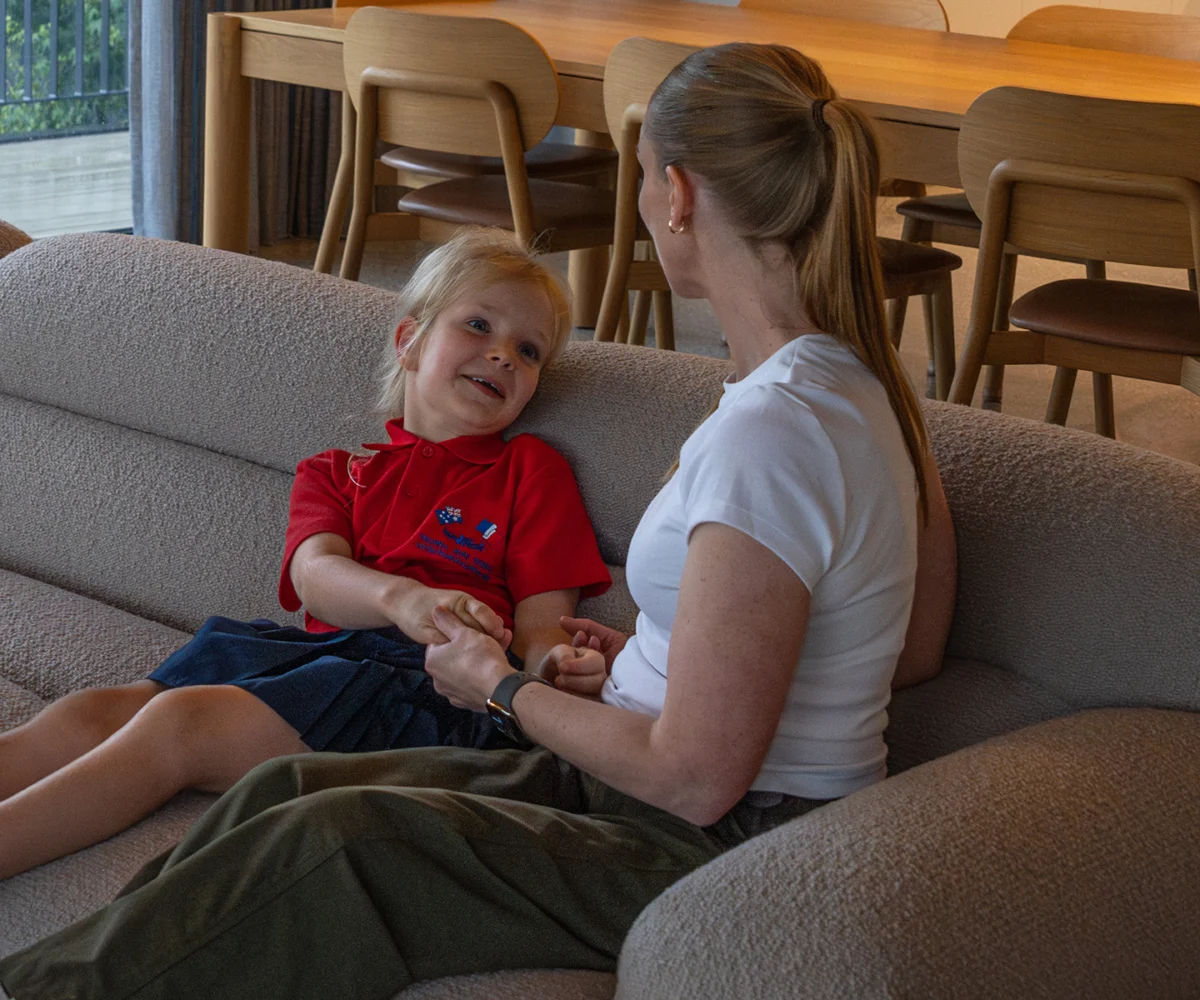
This investigation is a collaboration between Grist and the Australian Broadcasting Corporation. It is part of the Grist series "Vital Signs," which explores the intersection of climate change and human health, supported by the Wellcome Trust.
They never thought the fires would reach them. They lived in cities, safely buffered from the parched, combustible wilderness. But as urban sprawl pushes deeper into volatile landscapes and a warming planet renders once-stable forests into tinderboxes, the barrier between “wilderness” and “metropolis” has evaporated. Today, millions of people across the American West and the Australian east coast find themselves on the front lines of a public health crisis that is as invisible as it is pervasive.
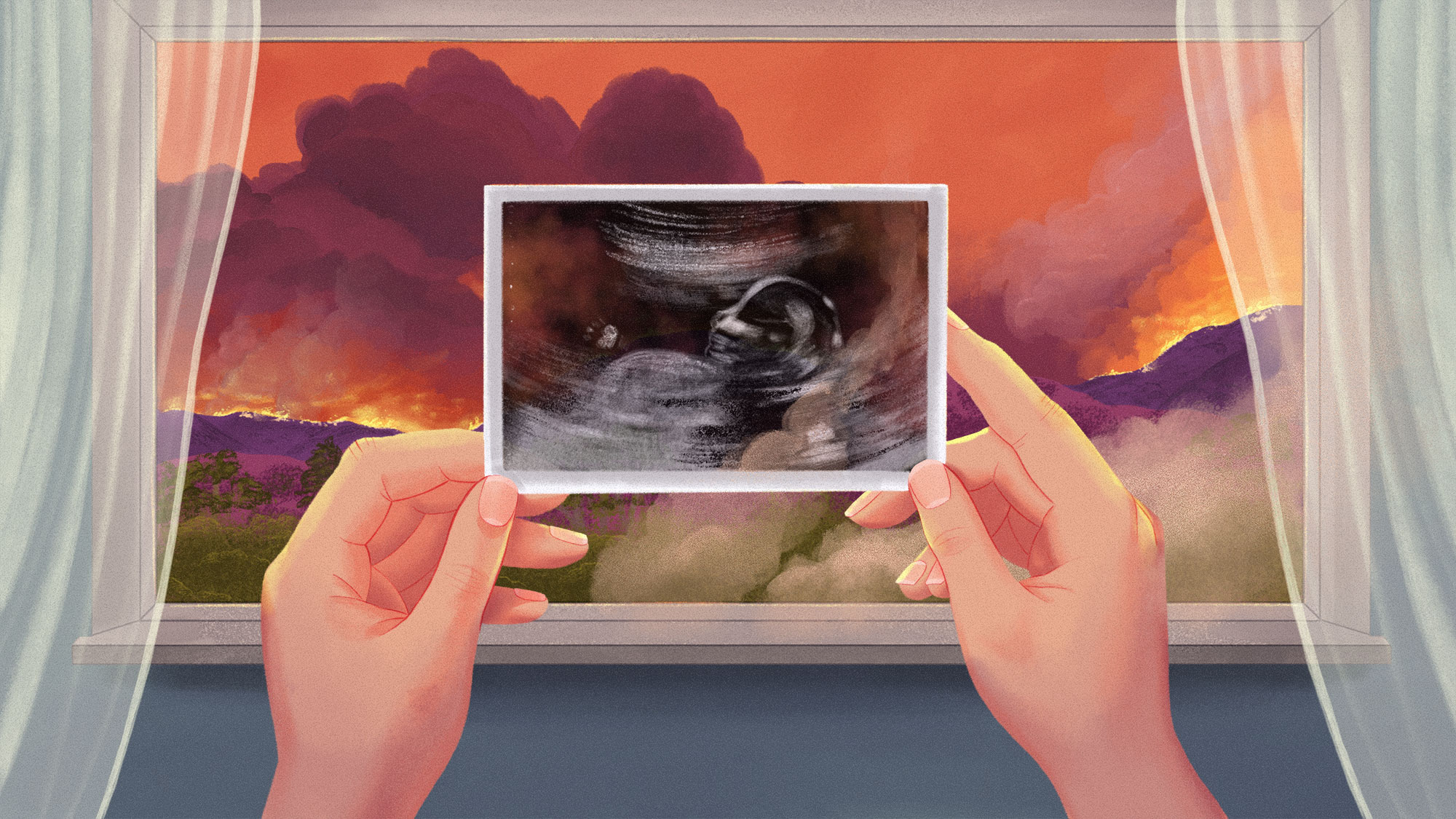
For parents like Anneke French, a nurse in Canberra, the threat was not the flame itself, but the suffocating, toxic haze that turned her maternity leave into a fight for survival. For others, like Irene Farr in Pasadena, California, the threat arrived with the terrifying realization that their neighborhood, their schools, and their very homes were becoming part of the fuel load.
The New Reality of Urban Wildfires
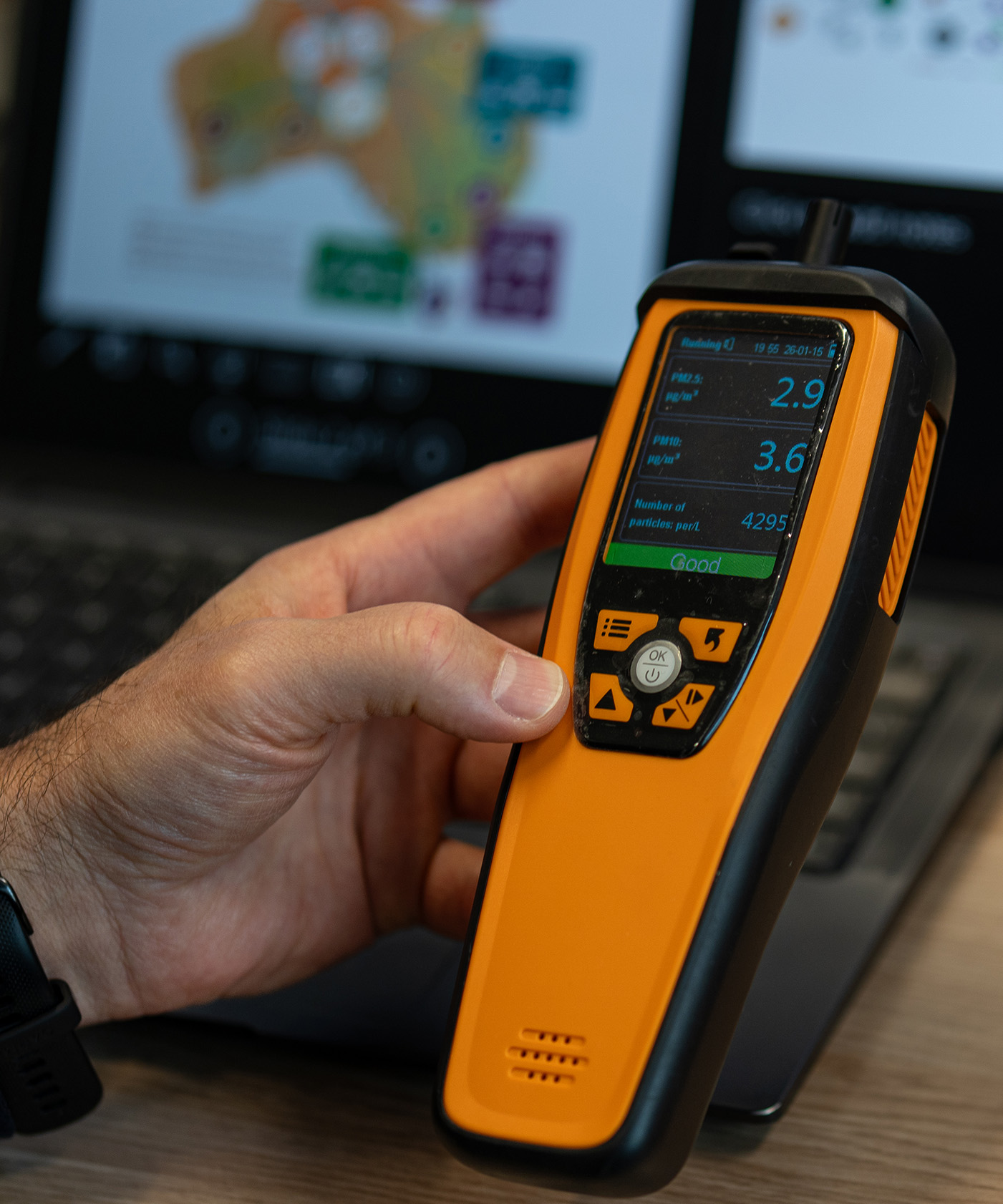
Wildfires are no longer isolated events confined to the backcountry. When blazes push through city limits, they do not just burn trees; they incinerate synthetic materials, vehicles, industrial warehouses, and residential infrastructure. This creates a cocktail of pollutants far more toxic than traditional biomass smoke—a "toxic soup" of chemicals, heavy metals, and particulate matter that standard air quality monitoring systems were never designed to track.
Despite the escalating frequency of these events—from Australia’s 2019–2020 “Black Summer” to the catastrophic Canadian wildfires that choked 100 million Americans in 2023, and the Los Angeles blazes that claimed 31 lives and 13,000 homes in 2025—public health systems remain remarkably ill-prepared. Nowhere is this failure more profound than in the guidance provided to pregnant people, a population whose developing fetuses exist in a fragile, high-stakes developmental window.
A Chronology of Crisis
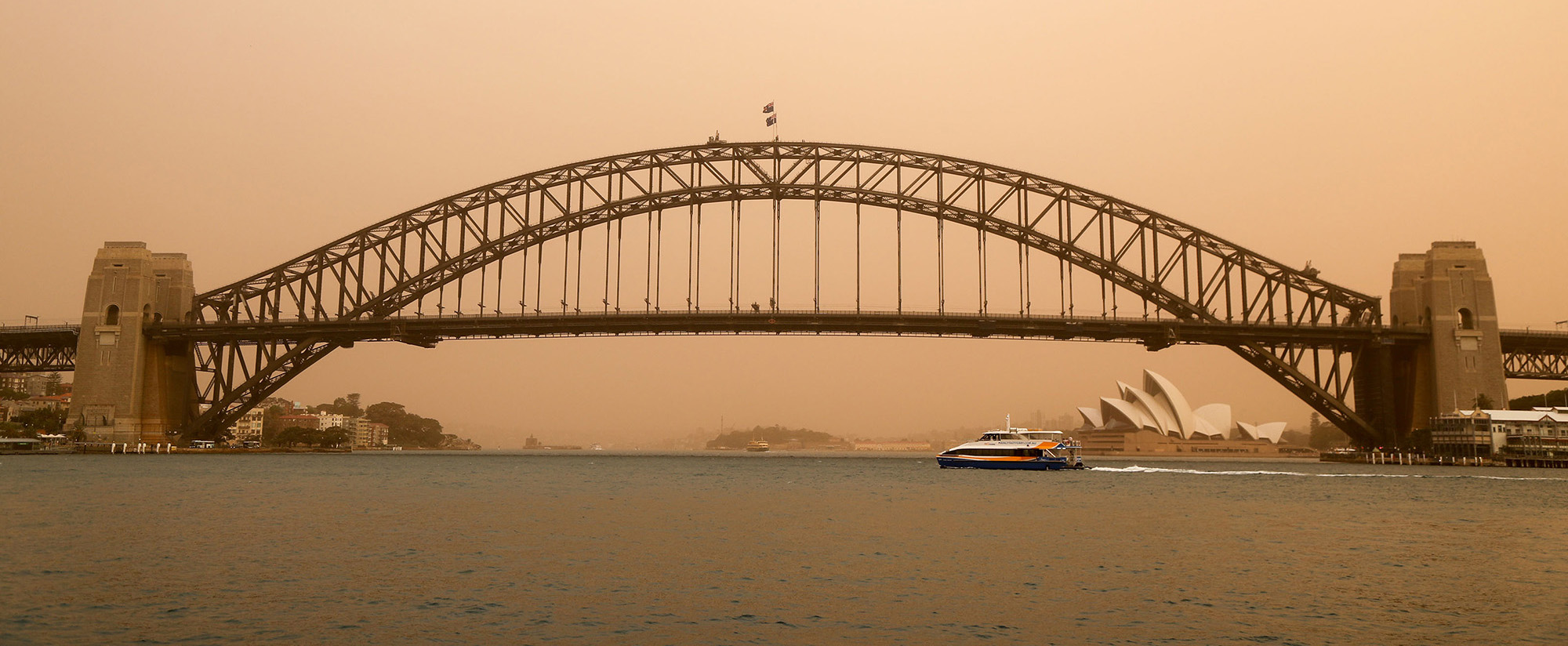
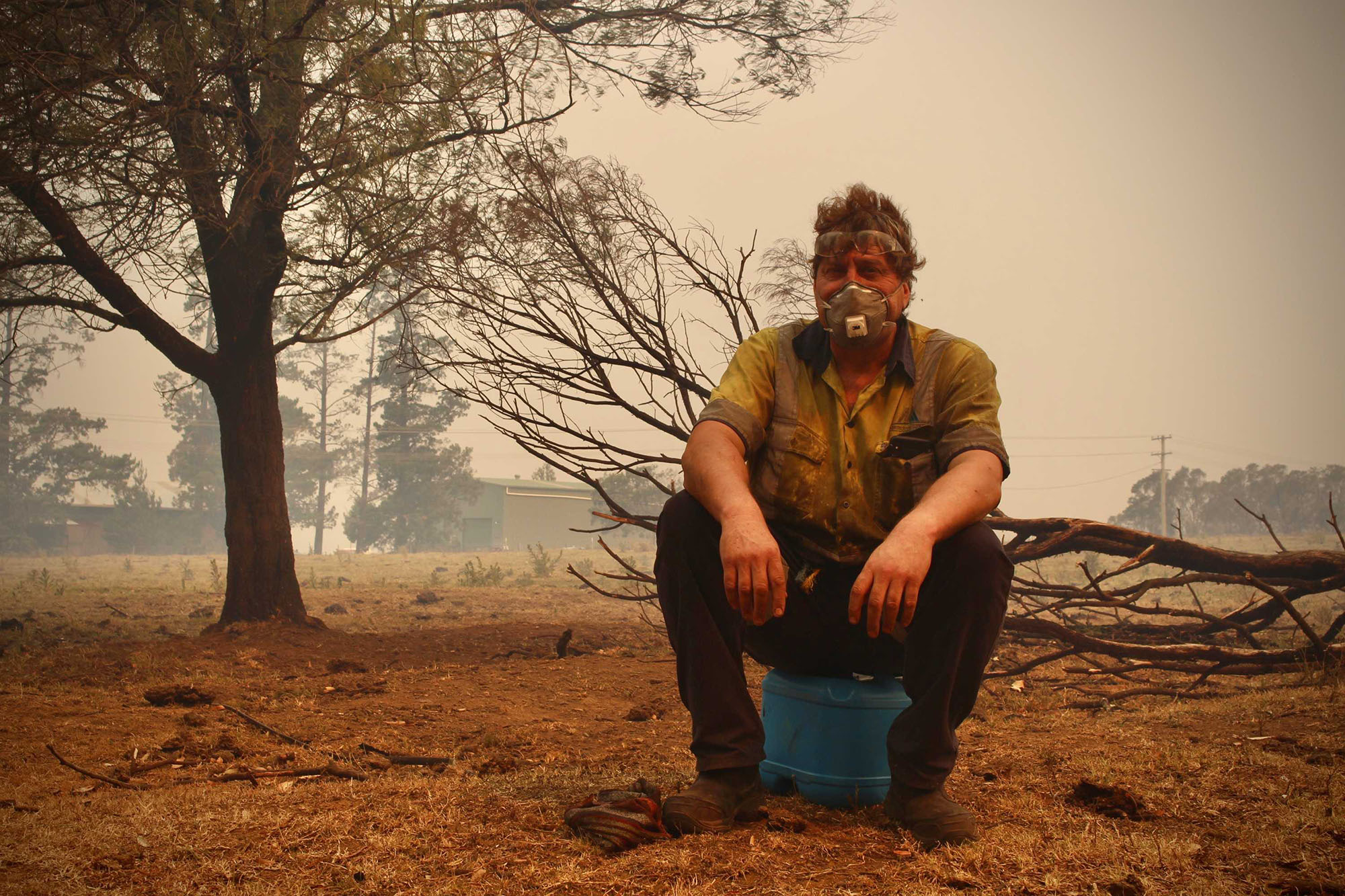
The escalation of fire weather has been relentless. In 2019, Australia’s Black Summer saw parts of Queensland and New South Wales burn in the dead of winter, an ominous harbinger of a season that would eventually consume millions of hectares. By New Year’s Day 2020, Canberra’s air quality index exceeded 5,000—a level far beyond the "hazardous" threshold of 300.
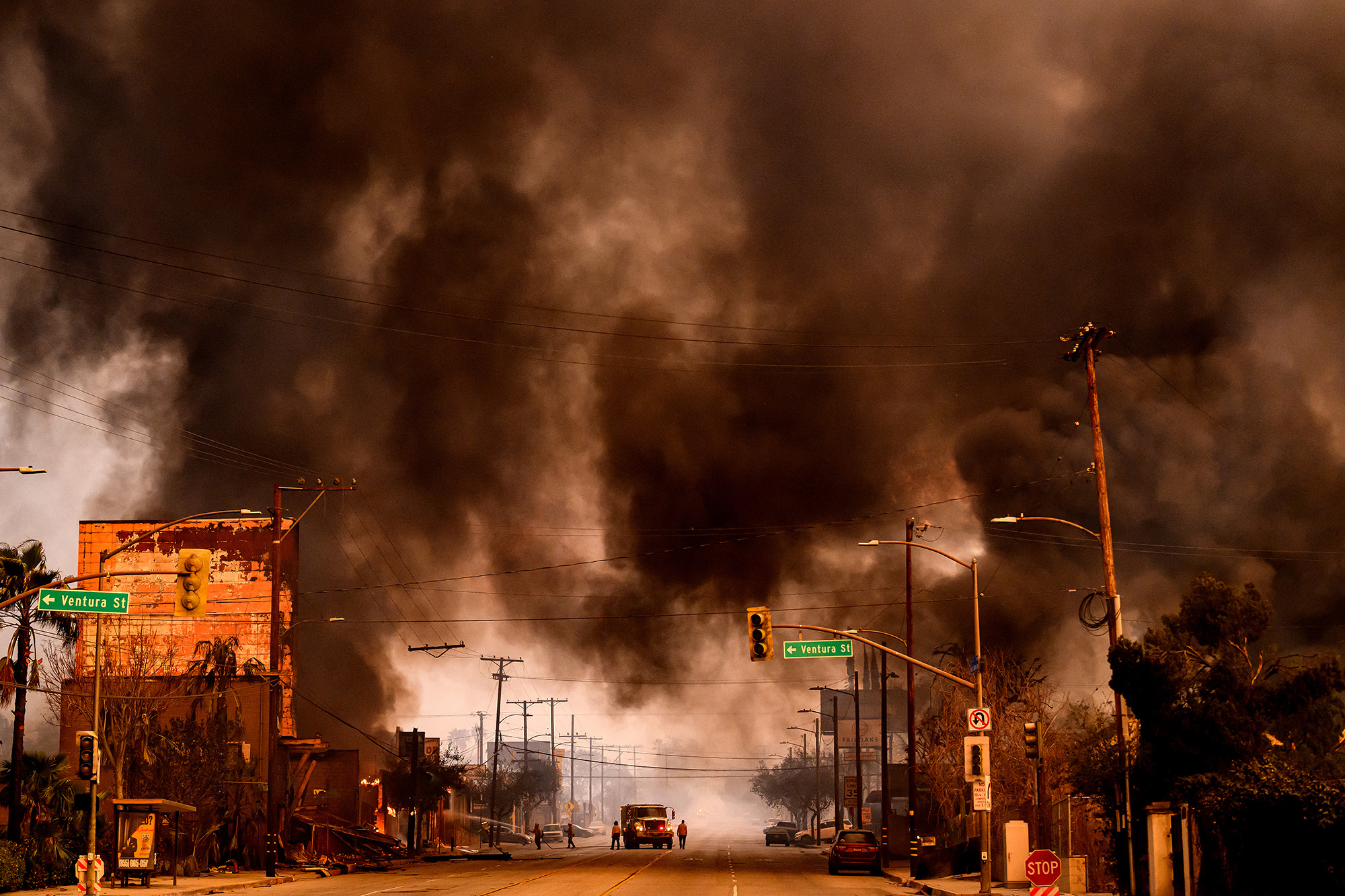
The crisis repeated in different forms across the globe. In January 2025, the Eaton Fire in Southern California erupted with little warning. Residents were left to rely on crowdsourced maps on Reddit to track flames approaching their homes, while official evacuation orders lagged hours behind the reality on the ground. For families like the Farrs, the trauma of that night—and the lingering toxicity of the burned urban landscape—has kept them from returning to their home more than a year later.
These are not isolated anecdotes; they represent a fundamental shift in how humanity experiences environmental disaster. The "exceptional events" clause of the U.S. Clean Air Act—which allows agencies to dismiss wildfire smoke as a "natural" occurrence—is becoming an outdated policy relic in a world where wildfire-driven pollution accounts for up to a quarter of total particulate matter in some years, effectively erasing decades of progress in air quality improvement.
The Biological Toll: In Utero Exposure
The science is clear: fine particulate matter (PM2.5) is a systemic poison. It bypasses the lungs, enters the bloodstream, and initiates widespread inflammation. In a pregnant person, this process is particularly devastating. Research indicates that these particles can cross the placenta, potentially disrupting the vital exchange of nutrients and oxygen.
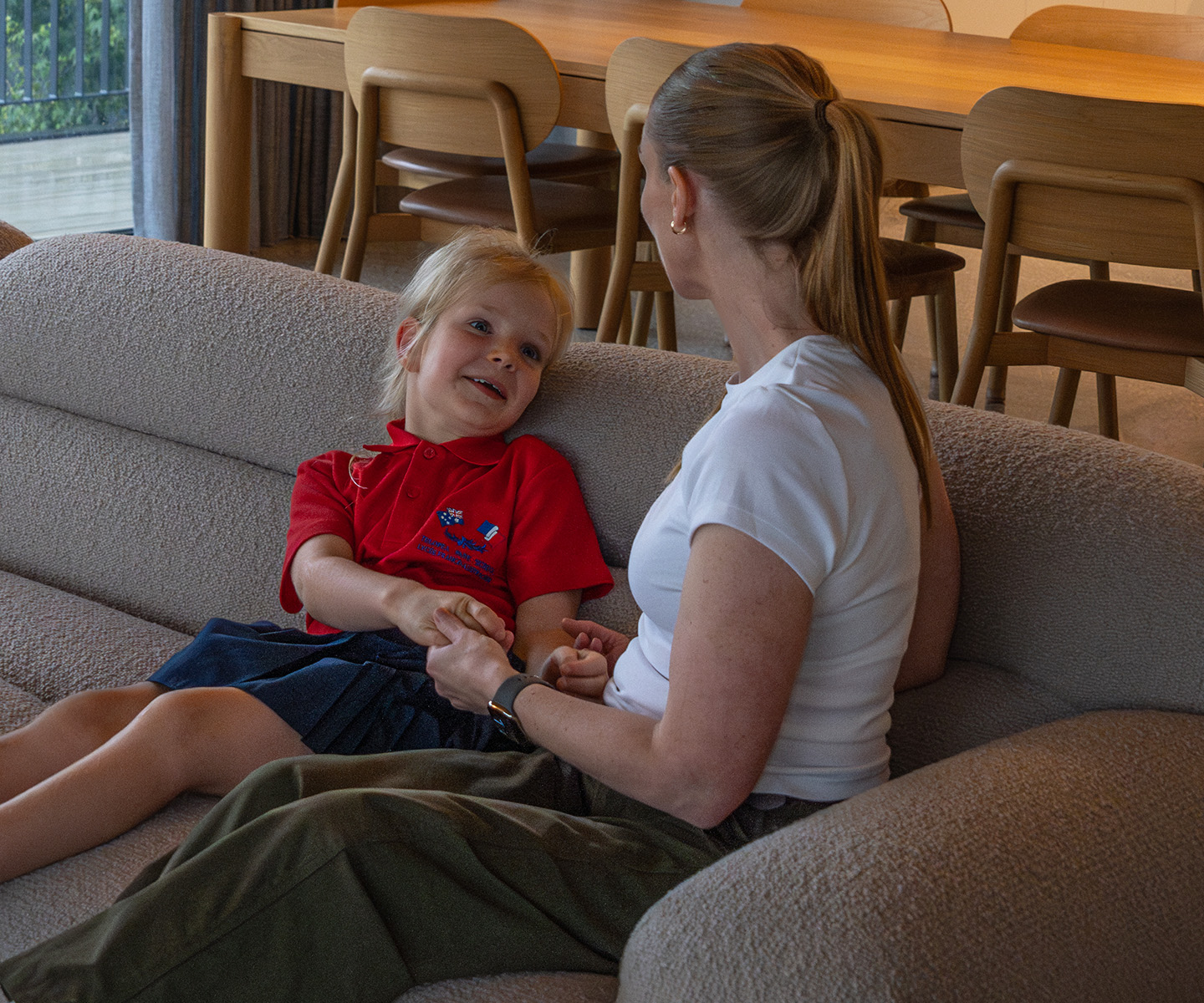
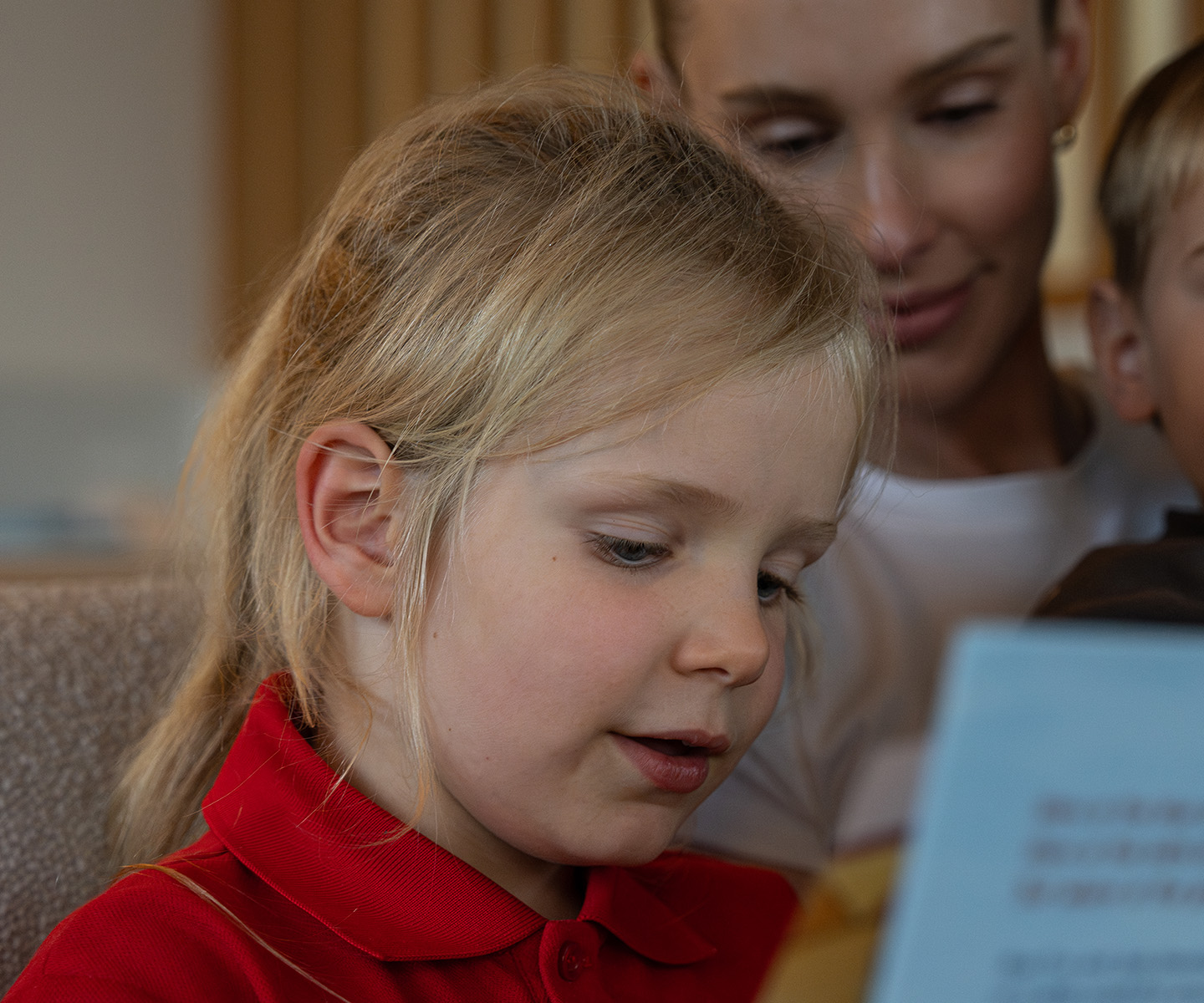
Anneke French’s experience is a chilling case study. In her third trimester, she suffered a placental abruption—a condition typically associated with trauma or chronic smoking, neither of which applied to her. Her obstetrician, Stephen Robson, recalls smelling smoke inside the sterile operating room during her emergency cesarean. Her daughter, Margot, was born early and underweight. Years later, while French’s other children are healthy, Margot suffers from chronic asthma and eczema.
While a definitive causal link between a specific smoke event and a specific health outcome is difficult to isolate, the epidemiological evidence is mounting. A 2024 study in the southwestern U.S. linked wildfire PM2.5 to higher rates of preterm birth and low birth weight. Similarly, studies in California have pointed toward a potential connection between prenatal smoke exposure and autism diagnoses.
The Failure of Institutional Response
When the Black Summer reached its peak, the Australian government’s response was characterized by denial and inaction. Deputy Prime Minister Michael McCormack famously dismissed climate-related concerns as "the ravings of some pure, enlightened, and woke capital city greenies."
The government committed a paltry AU$5 million for health research—a sum insufficient to fund even one major longitudinal study. Consequently, the crucial window to collect biological samples—placentas, blood, and tissue—was lost. As endocrinologist Christopher Nolan noted, the onset of the COVID-19 pandemic further derailed research efforts, leaving a generation of children with no clear answers about the long-term impacts of their early-life exposure.
In the U.S., the situation is equally fragmented. While the Los Angeles Fire Human Exposure and Long-Term Health Study (funded by private philanthropy) has begun to fill the void, the data remains siloed. Without a standardized, global protocol for defining "smoke exposure" or collecting data, researchers struggle to compare findings across borders.
Implications: The Need for a New Standard
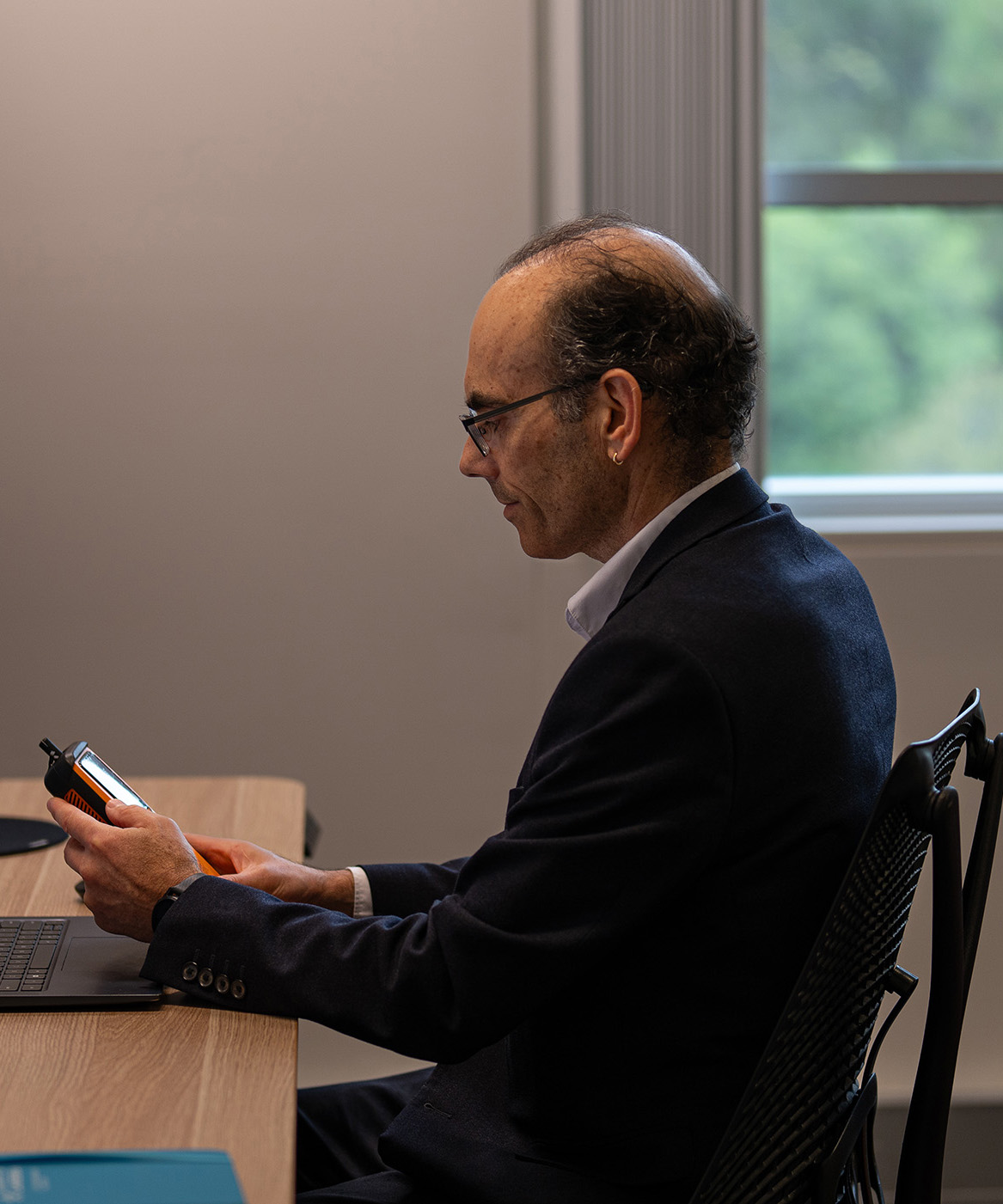
The current approach to wildfire smoke is reactive and disjointed. Experts like Sotiris Vardoulakis of the University of Canberra argue that we need a global, harmonized scientific protocol. Without standardized data collection, the "statistical power" required to trigger meaningful policy change will remain elusive.
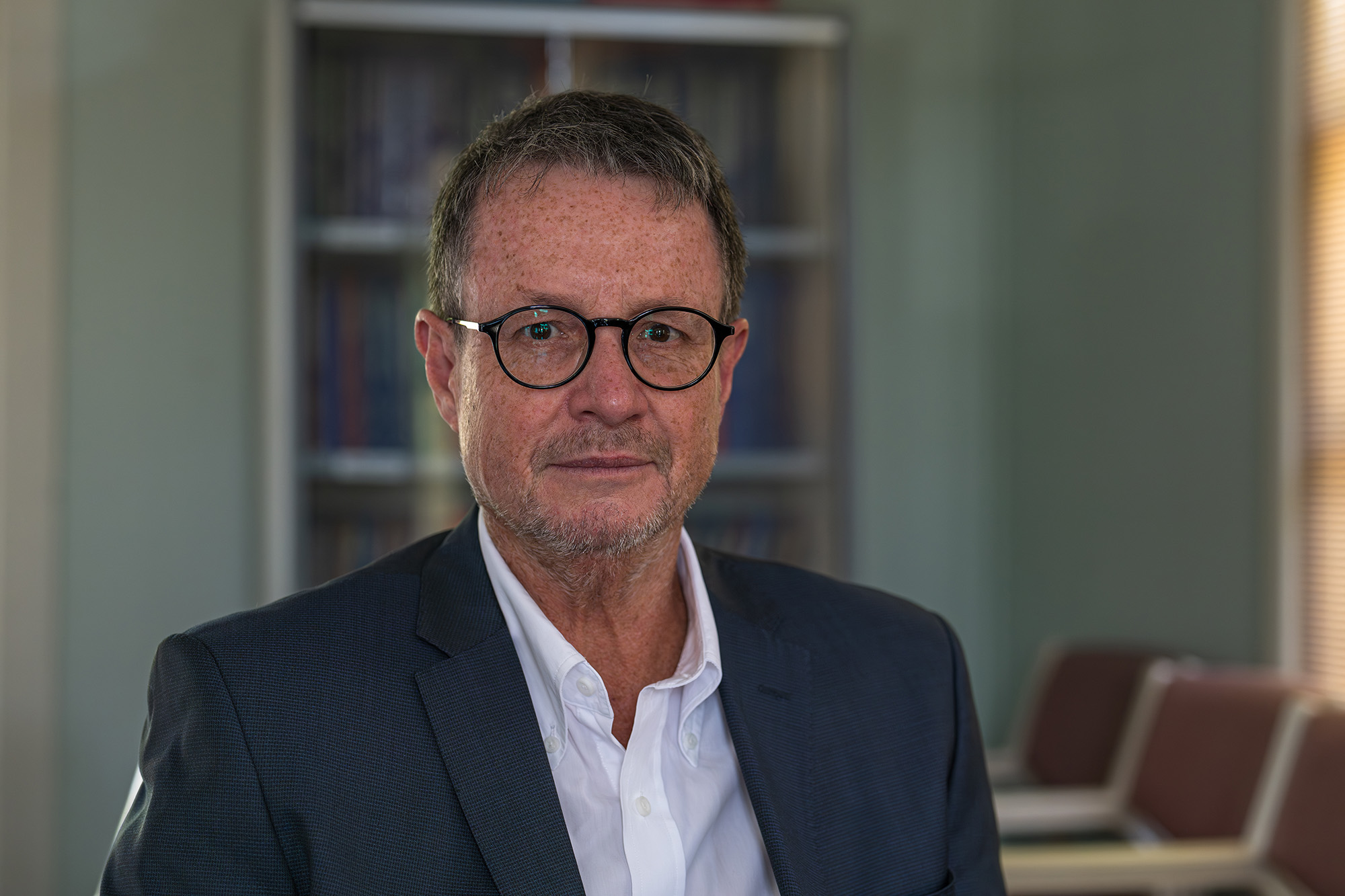
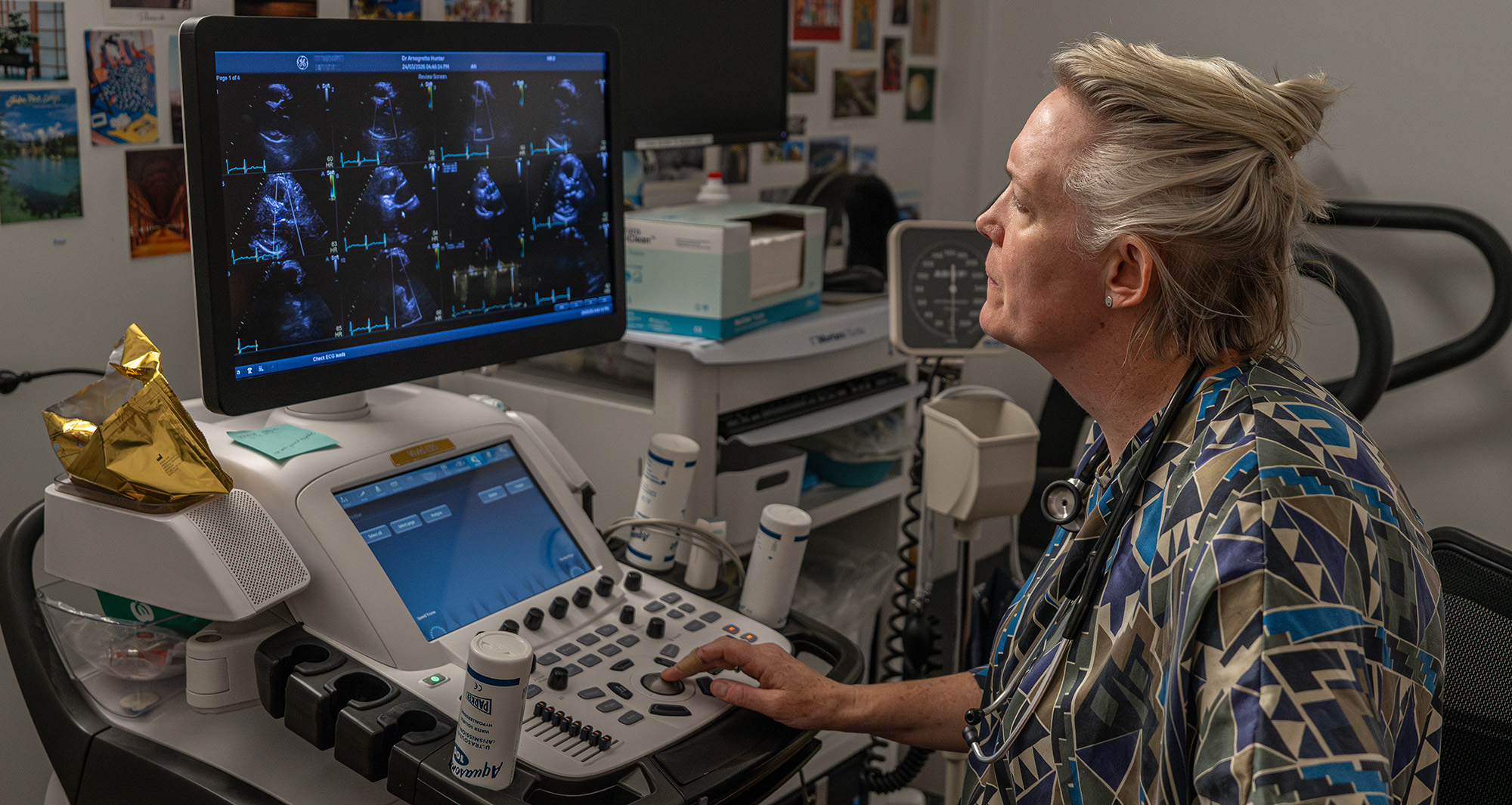
The medical community is beginning to sound the alarm. Obstetricians like Dr. Robson are calling for the creation of "citadels"—protected, filtered environments within hospitals—to ensure that medical procedures can continue safely even when the world outside is burning. Meanwhile, researchers are pushing for the systematic testing of biological samples collected during and after fire events to understand exactly what these new, urban-wildfire-driven toxins are doing to the human body.
However, the political will remains stalled. As the Trump administration moves to reorganize and downsize the U.S. Forest Service’s research stations—many of which are critical to understanding fire risk—the gap between the threat and our preparation grows wider.
The Uncertain Future
For parents, the anxiety is now a permanent feature of the seasons. Every prescribed burn, every shift in the wind, and every plume of smoke in the distance brings back the trauma of the fires.
"I don’t know how that will affect her," French says of her daughter, Margot, six years after the Black Summer. "I still don’t know."
This is the legacy of our changing climate. We are living in a period of unprecedented environmental transformation where the air we breathe is no longer a given, but a variable. As we move deeper into the 21st century, the health of the next generation depends on our ability to move beyond treating wildfire smoke as a periodic inconvenience and start treating it as the chronic, systemic, and life-altering public health threat that it truly is.
We know the fires will return. The question is whether we will finally provide the answers—and the protection—that families are desperate for.


 Asep Darmawan