


 Rifan Muazin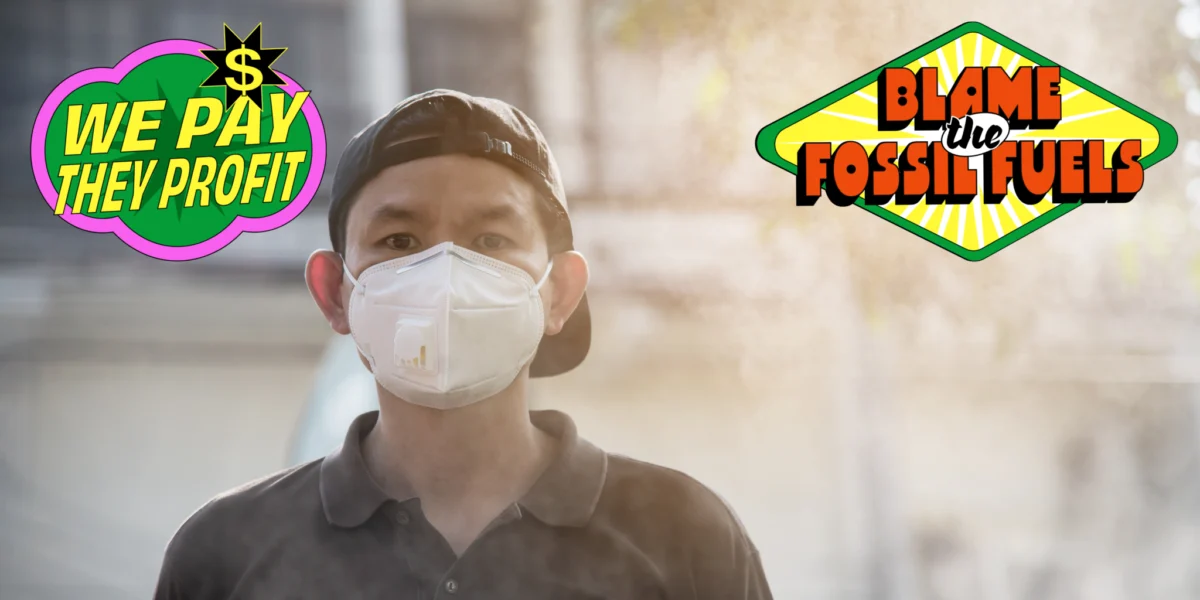
By Health Care Without Harm
If the global healthcare sector were a sovereign nation, it would rank as the fifth-largest emitter of greenhouse gases on the planet. This staggering statistic, provided by the global movement Health Care Without Harm, exposes a profound irony: the very institutions dedicated to healing the sick are tethered to a fossil fuel-dependent infrastructure that is actively driving the climate crisis and, by extension, the global burden of disease.
From the electricity powering neonatal intensive care units to the petrochemical-derived plastics in syringes, gloves, and packaging, modern medicine is inextricably linked to the extraction and combustion of fossil fuels. As the world grapples with rising temperatures, the healthcare sector stands at a critical crossroads: it must either continue to contribute to the conditions that fill its waiting rooms, or it must lead the charge in a systemic, global transition toward sustainable health.
Main Facts: A System Built on Pollution
The modern healthcare model has evolved alongside the petrochemical industry. Hospitals operate on a "take-make-waste" trajectory that relies heavily on carbon-intensive energy and plastic materials.
The Carbon Footprint of Healing
The healthcare industry’s carbon footprint is not limited to the direct operations of hospitals (Scope 1 and 2 emissions). A vast majority of its climate impact—often exceeding 70%—resides in the supply chain (Scope 3). This includes the manufacturing of pharmaceuticals, the logistics of global supply chains, and the production of single-use plastics.
The Plastic Dilemma
Approximately 99% of all plastics are derived from fossil fuels. In healthcare, this manifests as an immense reliance on disposable items. While these products are essential for infection control, the sheer volume of production creates a cycle of harm. The lifecycle of these plastics—from oil extraction to incineration—releases toxic pollutants, including microplastics and endocrine-disrupting chemicals, into the air, water, and human bloodstream. These substances are scientifically linked to cancers, reproductive disorders, and chronic respiratory illnesses.
Chronology of a Crisis: From Climate Neglect to Urgent Action
The realization that healthcare is a major climate actor has been a slow but accelerating process over the last two decades.
- Early 2000s: Public health research begins to link localized air pollution to fossil fuel combustion, though the focus remains primarily on "external" factors like transportation and industrial manufacturing.
- 2015: The Paris Agreement prompts international organizations to scrutinize the climate impact of various economic sectors. Healthcare begins to be identified as a significant, yet overlooked, contributor to global emissions.
- 2020-2022: The COVID-19 pandemic highlights the fragility of global supply chains and the massive surge in plastic waste generated by personal protective equipment (PPE), renewing debates on circularity within medical waste management.
- 2024: Data reveals a catastrophic rise in heat-related mortality. Mortality rates for individuals over 65 due to extreme heat have surged by 85% compared to the turn of the century, with over 546,000 annual deaths attributed to heat exposure.
- 2025: A series of international reports confirm that the global health-related costs of air pollution and plastic toxicity have reached an economic "tipping point," with damages now measured in the trillions of dollars annually.
Supporting Data: The Economic and Human Cost
The "double cost" of fossil fuel reliance is becoming increasingly difficult to ignore. We pay for it first with our health and again with our wallets.
The Health Toll
- Air Pollution: In India alone, air pollution is responsible for an estimated 1.72 million deaths annually. Globally, the number of lives lost to fossil fuel-linked air pollution reaches into the millions each year.
- Heat Stress: As climate change exacerbates extreme weather events, the incidence of heatstroke, heart disease, and pregnancy complications has risen, overwhelming emergency departments worldwide.
The Financial Burden
The economic impact of this dependency is staggering:
- Global Damages: Air pollution results in trillions of dollars in global economic damage annually, accounting for lost productivity and premature death.
- Plastic-Related Healthcare Costs: The global burden of disease linked to plastic-related chemicals—including cancers, diabetes, and respiratory conditions—adds more than $1.5 trillion in costs every year.
- Rising Premiums: In the United States, plastic-related illnesses cost the healthcare system roughly $250 billion in a single year. In India, rising health insurance premiums—up 20% year-over-year—are being attributed in part to the increased prevalence of pollution-linked illnesses.
Official Responses and Systemic Vulnerability
The vulnerability of our health systems was underscored by the May 2024 tornado that devastated St. Louis, Missouri. The disaster stripped thousands of citizens of electricity, food, and medicine, forcing community members to act as first responders.

While community resilience is admirable, health organizations and international bodies like the World Health Organization (WHO) argue that systemic failure is the real culprit. Official responses now emphasize:
- Resilient Infrastructure: Governments are being urged to invest in "climate-smart" hospitals that can operate off-grid via renewable energy sources during extreme weather events.
- Supply Chain Transparency: Health ministries are increasingly under pressure to demand sustainability metrics from pharmaceutical and medical device manufacturers.
- Policy Alignment: There is a growing consensus that healthcare subsidies and public health funding should be tied to climate-resilient practices, effectively penalizing high-polluting suppliers and rewarding green innovation.
Implications: A Just Transition for Healthcare
The mandate for the future is clear: the medical community must transition from a passive victim of climate change to an active participant in climate mitigation. This "just transition" involves several strategic shifts.
Redesigning Medical Operations
Health systems are beginning to experiment with sustainable alternatives:
- Renewable Microgrids: Implementing solar and wind energy for hospital campuses to ensure operational continuity.
- Circular Economies: Moving away from single-use plastics toward reusable, sterilizable medical instruments and sustainable packaging solutions.
- Sustainable Procurement: Leveraging the massive purchasing power of health systems to force suppliers to decarbonize their manufacturing processes.
Addressing Health Inequity
The crisis is not shared equally. Marginalized communities often reside in areas most exposed to industrial pollution and are the least equipped to access care when disasters strike. A transition away from fossil fuels is, at its core, a matter of social justice. By reducing the local toxic load near power plants and industrial sites, the healthcare sector can prevent the very diseases that currently plague the world’s most vulnerable populations.
The Political Will for Change
While hospitals and clinicians have the agency to change their own operations, they cannot solve the crisis in isolation. The systemic nature of fossil fuel dependency requires robust government intervention. Policymakers must:

- End Fossil Fuel Subsidies: Redirect public funds toward clean energy and sustainable medical infrastructure.
- Regulate Plastics: Implement stricter controls on the chemical additives in medical plastics.
- Prioritize Public Health over Industry: Ensure that long-term health outcomes take precedence over the short-term profitability of fossil fuel expansion.
Conclusion: The Choice Ahead
The connection between our air, our hospitals, and our bank accounts is no longer a matter of scientific theory—it is an observable reality. We are currently trapped in a feedback loop where a polluting system creates the health problems that the system itself is then tasked with treating at an ever-increasing cost.
We have reached a point where the status quo is fundamentally unsustainable. We can continue to absorb the rising costs—both human and financial—of a system that makes us sick, or we can choose to invest in a healthcare model that prioritizes the health of the planet as a prerequisite for the health of the patient. The transition to renewable energy and a sustainable, circular economy is not merely an environmental goal; it is a fundamental requirement for the future of global medicine.
The path forward requires courage, systemic reform, and the recognition that in the 21st century, the most effective medical intervention may be the decision to stop burning fossil fuels.


 Layla Zulfa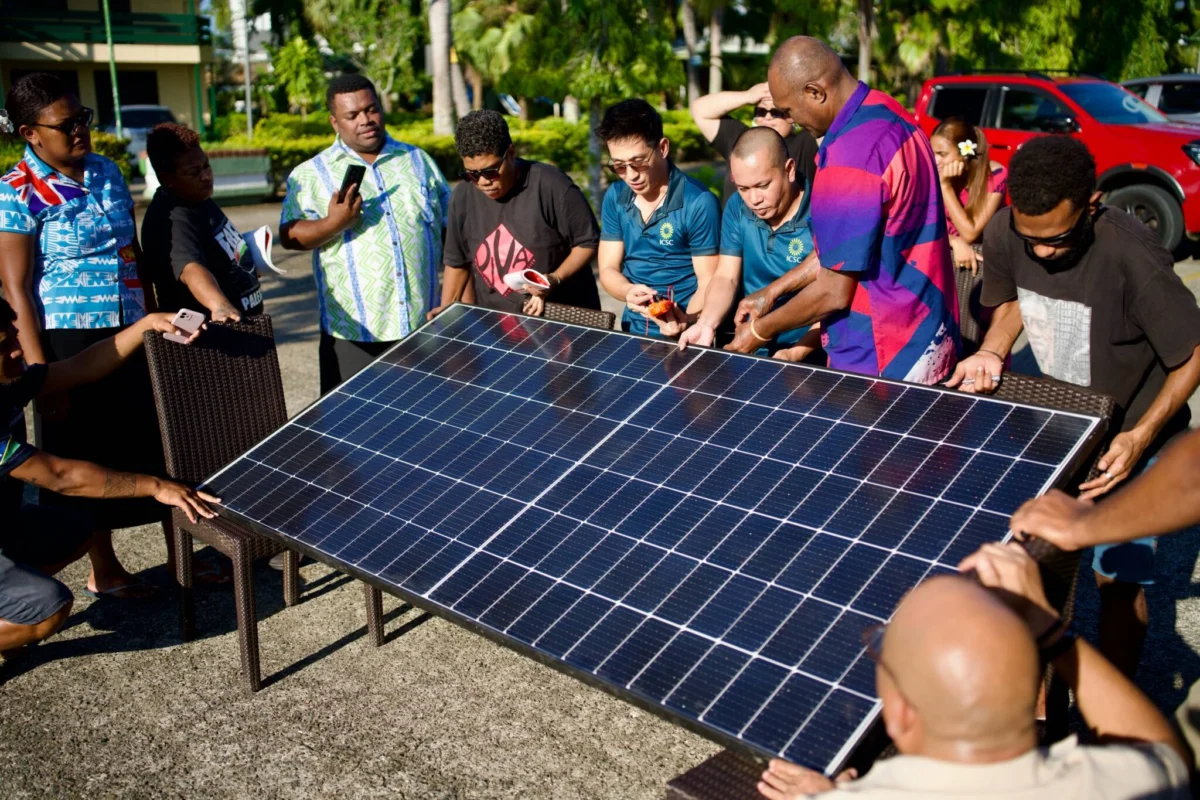
 Basiran