

 Iffa Jayyana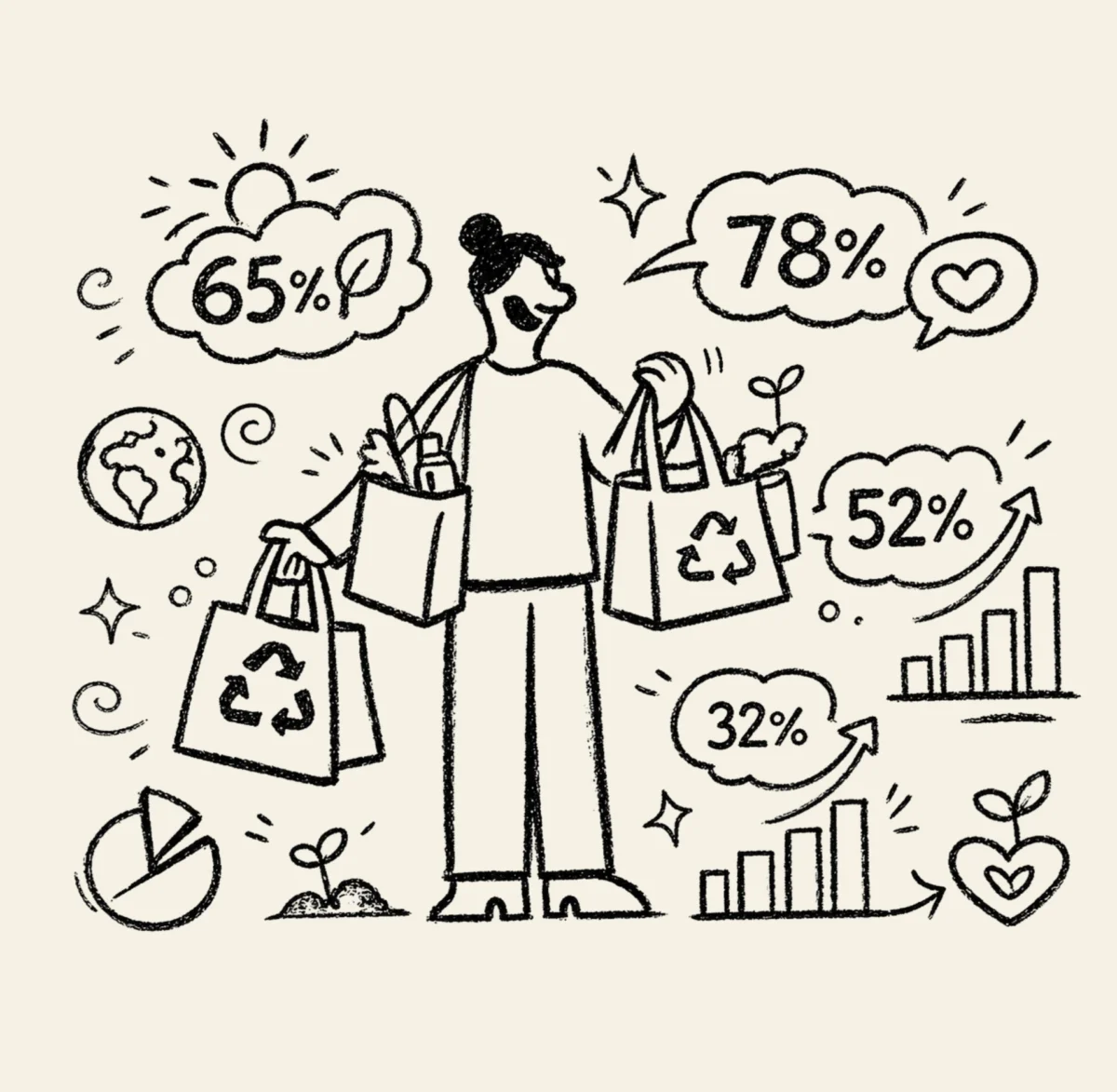
In the high-stakes world of global retail, two conflicting narratives have emerged regarding the "sustainable consumer." One side argues that sustainability has reached a saturation point—that "fatigue" has set in and the cost-of-living crisis has effectively killed the eco-conscious movement. The other side points to record-breaking market shares for green products.
The Sustainable Jungle Consumer Report 2026, alongside data from Bain & Company, NYU Stern, and PwC, clarifies this paradox. While the fervor of the post-pandemic era has cooled into a more pragmatic skepticism, the sustainable consumer is not disappearing; they are evolving. They are smarter, more concerned about personal health than abstract morality, and increasingly wary of corporate "greenwashing."
I. Main Facts: The 2026 Sustainability Landscape
The 2026 data landscape, representing over 100,000 global survey respondents, reveals a market that is maturing rather than retreating. The following statistics represent the current baseline for conscious consumption:
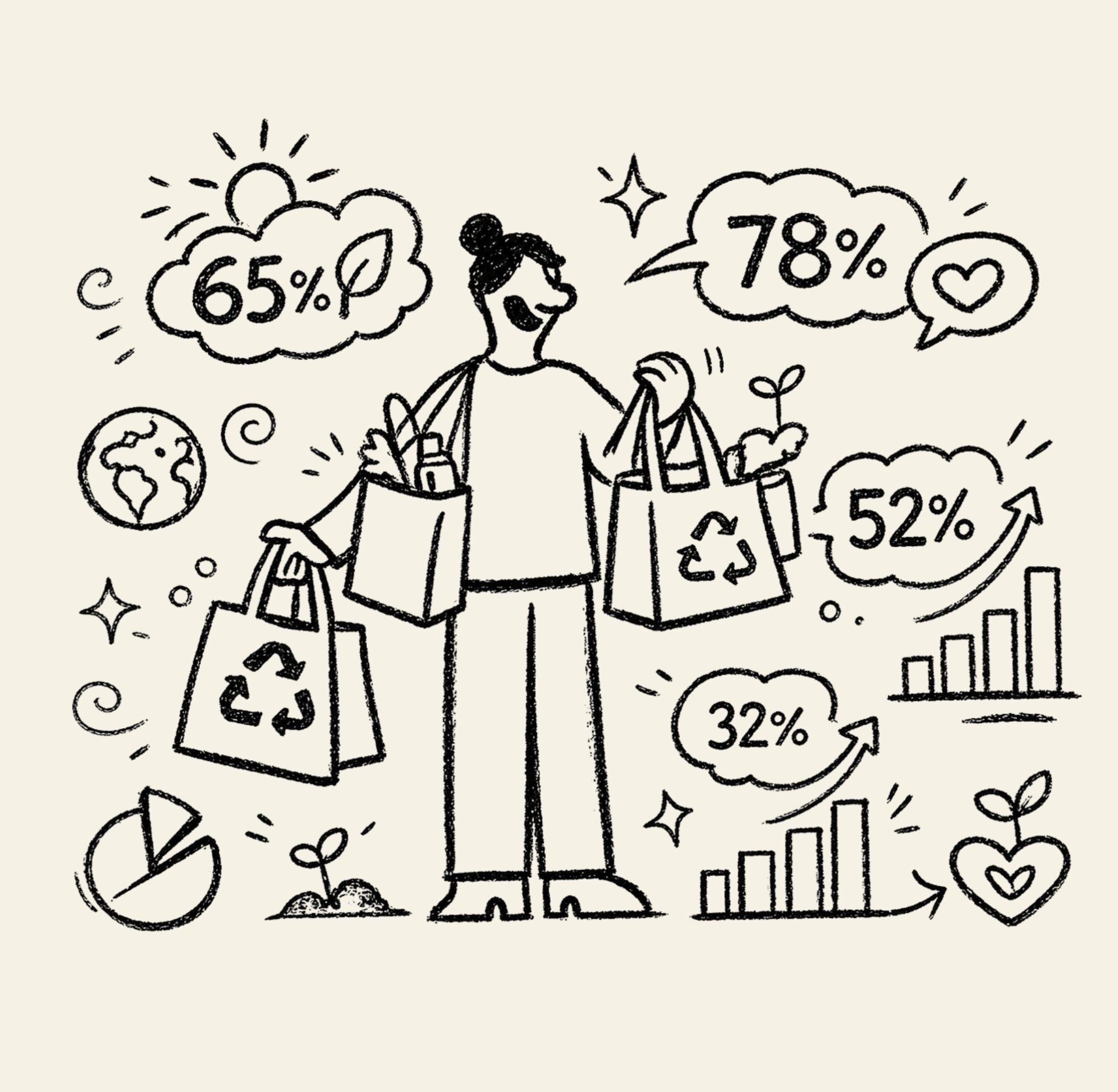
- Market Share Resilience: Products marketed as sustainable now command 25.4% of the U.S. Consumer Packaged Goods (CPG) market. This represents a steady climb from roughly 17% in the early 2020s.
- Growth Velocity: Sustainability-marketed goods are growing at a five-year compound annual growth rate (CAGR) of 10.9%, compared to a meager 2.2% for conventionally marketed products.
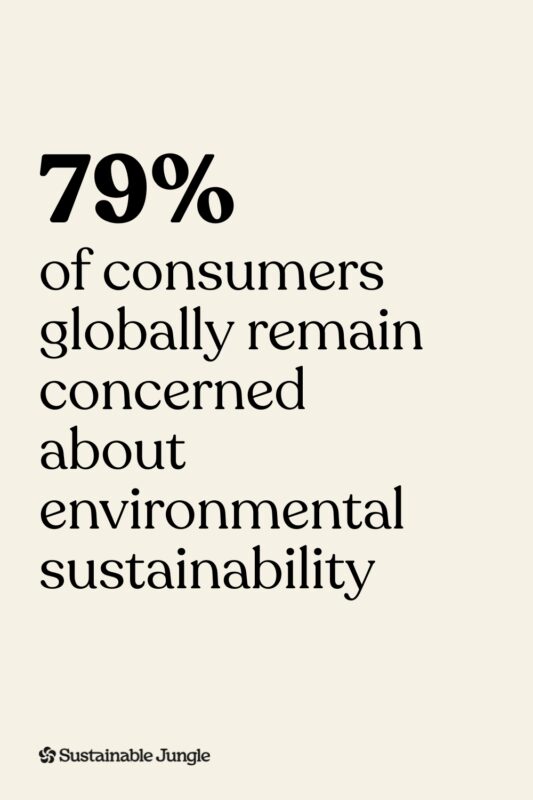
- The Concern Dip: 79% of global consumers express concern for the environment, a notable drop from 90% in 2023. However, 80% still believe their individual purchasing choices can impact the planet.
- The Health Pivot: Personal health and safety have surpassed "doing the right thing" as a primary purchase driver. 69% of consumers now prioritize non-toxic and "clean" ingredients as their entry point into sustainability.
- The Trust Deficit: Concern over greenwashing has quintupled since 2022, rising from 8% to 43% of the consumer base.
II. Chronology: From Post-Pandemic Peak to Pragmatic 2026
To understand the 2026 consumer, one must look at the trajectory of the last four years. The evolution of sustainability sentiment has been shaped by three distinct phases:
2022–2023: The Idealistic Peak
Following the global pandemic, consumer interest in sustainability hit an all-time high. In 2023, nearly 90% of consumers reported high levels of concern. During this period, "ethical shopping" was often framed as a moral imperative. Brands responded with a deluge of "green" marketing, much of which was later found to be unsubstantiated.
2024–2025: The Economic Reality Check
As global inflation surged and the cost-of-living crisis intensified, the "intention-action gap" widened. Consumers still cared about the planet, but their wallets were stretched. This period saw the rise of "sustainability fatigue" headlines as consumers in the 26–35 age bracket began citing cost as their primary barrier (73%). It was during this phase that interest in "clean beauty" began to dip (falling 11 percentage points) as skepticism regarding vague marketing claims grew.

2026: The Era of Pragmatic Transparency
By early 2026, the market stabilized. Consumers moved away from abstract environmentalism toward "personal sustainability"—focusing on how products affect their immediate health and home environment. This year also marked the rise of "greenhushing," where corporations, fearful of litigation and regulatory crackdowns like the EU’s Green Claims Directive, began to hide their environmental progress, further confusing a consumer base that is now demanding more transparency, not less.
III. Supporting Data: Drivers, Barriers, and Demographics
The Sustainable Jungle report highlights that the shift in consumer behavior is not uniform across all categories or age groups.
The New Purchase Drivers: Health is Wealth
The most significant shift in the 2026 data is the marriage of health and sustainability. GlobeScan’s research shows that 65% of consumers want to change their lifestyles to be both healthier and more sustainable. Only 7% are interested in sustainability as an isolated goal.
- Cleaning Products: 84% of consumers seek sustainable alternatives here, largely due to concerns over indoor air quality and chemical exposure.
- Food and Drink: This category has overtaken beauty and clothing for the first time, driven by the health-sustainability connection.
The Price Premium Paradox
While 80% of consumers tell researchers like PwC that they are willing to pay more for sustainable goods, the actual "at-the-shelf" behavior is more nuanced.
- The Average Premium: In 2018, sustainable products cost 39% more than conventional ones. By 2026, that premium has narrowed to 27%.
- Stated vs. Actual: US consumers report a willingness to pay a 13% premium, yet the market data shows that when the price gap exceeds 20%, sales volume often drops significantly unless the health benefits are explicitly stated.
Generational Nuances: The Boomer Surprise
Conventional wisdom suggests that Gen Z is the primary driver of the green economy. However, 2026 data from Bain & Company reveals that Baby Boomers have added more sustainable habits over the last three years than Gen Z. This is attributed to Boomers’ higher disposable income and homeownership status, allowing for high-impact investments like solar panel installation and energy-efficient home retrofitting.
In contrast, while 65% of Gen Z express a desire to pay more for sustainable goods, they are the demographic most hindered by housing costs and entry-level wages, leading many to rely on ultra-fast fashion platforms like Shein and Temu despite their stated values.

IV. Official Responses: The Greenwashing vs. Greenhushing Crisis
The corporate world’s response to the sustainable consumer has reached a tipping point in 2026. Two opposing forces are currently at play: the regulatory crackdown on "greenwashing" and the defensive rise of "greenhushing."
The Regulatory Hammer
Governmental bodies, particularly in the EU and North America, have tightened definitions of what constitutes a "green" product. The EU’s Green Claims Directive has made brands legally liable for vague terms like "eco-friendly" or "carbon neutral." This has been a direct response to the fact that 77% of global consumers say they would stop buying from a brand if it were caught greenwashing.
The Rise of Greenhushing
A Harvard-led survey of 75 global companies found a startling trend: 85% of these companies have maintained or even expanded their sustainability programs in 2026. However, only 16% are talking about it publicly. This "greenhushing" is a defensive maneuver to avoid the scrutiny of activists and the legal risks of new transparency laws.
Official Response from Industry Analysts:
"We are seeing a ‘silencing’ of the corporate world," says one analyst cited in the report. "Brands are doing the work, but they are terrified of the ‘perfect being the enemy of the good.’ If they can’t prove 100% circularity, they say nothing, which unfortunately leaves the consumer in the dark."
V. Implications: The Future of Conscious Consumption
The data from 2026 suggests that the sustainable consumer is here to stay, but the "sales pitch" for sustainability must change. The implications for both brands and individuals are profound.
For Brands: Transparency is the Only Currency
The fivefold increase in greenwashing concern means that marketing language is no longer effective. Brands must move toward Third-Party Certifications (B Corp, GOTS, Fair Trade) to signal quality. Transparency is now the fastest-growing consumer expectation, jumping 12 percentage points in a single year to 63%. Brands that "greenhush" risk losing the 25.4% of the market that is actively looking for better options.
For Consumers: Moving Beyond the Product
The 2026 trend shows consumers looking beyond their shopping carts. There is a growing movement toward "systemic sustainability":
- Energy and Finance: 76% of consumers now consider sustainability when choosing energy providers, and 37% are looking at the environmental impact of their banking services (fossil fuel divestment).
- The "Less is More" Shift: As cost remains a barrier, the most significant "sustainable" behavior in 2026 is not buying a "green" version of a product, but buying less overall. Repairing, secondhand shopping, and minimalism are moving from niche subcultures into the mainstream.
Final Outlook
The Sustainable Jungle Consumer Report 2026 concludes that while the "hype" of sustainability may have passed, the "habit" has formed. The market share of sustainable goods continues to outpace conventional goods by a factor of five. The consumer of 2026 is not looking for a hero brand to save the planet; they are looking for honest partners who can help them live healthier, safer, and more efficient lives.
As Joy McConnochie, co-founder of Sustainable Jungle, notes: "The sustainable consumer hasn’t gone anywhere. They’ve just stopped listening to the noise and started looking at the labels." For the global retail industry, the message is clear: the future is not just green—it is transparent, health-centric, and economically pragmatic.


 Azzam Bilal Chamdy
 Dwi Wanna