

 Azzam Bilal Chamdy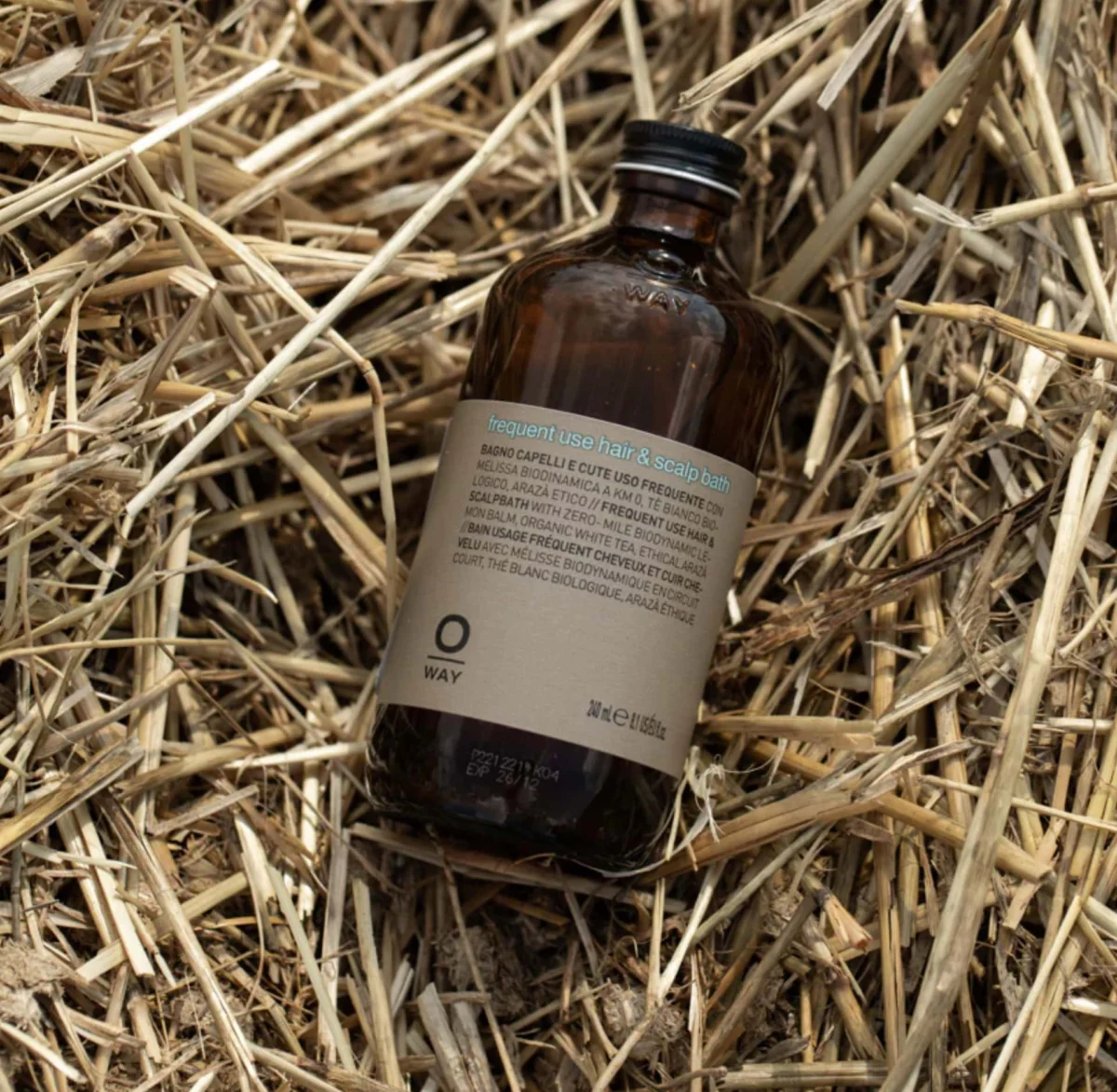
Main Facts: The Environmental Toll of the Bathroom Shelf
The modern personal care industry is facing a reckoning. For decades, the convenience of liquid shampoo and conditioner has come at a staggering environmental cost. According to industry estimates, the global beauty industry produces over 120 billion units of packaging every year, the vast majority of which is single-use plastic. In the United States alone, approximately 550 million shampoo bottles are discarded annually, with less than 9% of all plastic ever produced being successfully recycled.
The crisis, however, extends beyond the visible clutter of landfills. Conventional haircare products are often formulated with petroleum-derived plastics, synthetic silicones, and microplastics that serve as "film formers" or thickeners. When washed down the drain, these substances bypass municipal filtration systems, contributing to the pervasive presence of microplastics in global waterways. A 2024 study published in Environmental Science & Technology confirmed that personal care products are a primary source of microplastic pollution in household wastewater.
In response, a new vanguard of "zero-waste" beauty brands is emerging. These companies are moving away from the traditional plastic bottle, instead utilizing solid bars, infinitely recyclable aluminum, biodynamic glass, and waterless concentrates. This shift represents more than just a packaging change; it is a fundamental reimagining of the "clean beauty" philosophy, prioritizing circularity, non-toxic chemistry, and carbon-neutral supply chains.
Chronology: From Ancient Soaps to the Plastic Explosion and Back Again
To understand the current shift toward plastic-free haircare, one must examine the historical trajectory of how humans clean their hair. For centuries, haircare was inherently "zero-waste," consisting of herbal rinses, oils, and solid soaps.
The turning point occurred in the 1930s and 40s with the invention of the first synthetic liquid shampoos. These products offered a superior lather compared to traditional soap, which often left a "scum" in hard water. By the 1960s, the mass-market explosion of cheap, durable plastic packaging allowed liquid shampoo to become the global standard. This era solidified the "buy-use-toss" consumer habit that defines the modern industry.
The "Eco-Awakening" of the 2010s began to challenge this status quo. Early pioneers like Ethique (founded in 2012) proved that solid bars could perform as well as, if not better than, their liquid counterparts. By 2020, the movement accelerated as consumers, confined to their homes during the global pandemic, became more aware of their household waste. Today, the market has evolved from niche artisanal bars to sophisticated "circular" systems, such as the refillable aluminum models championed by Plaine Products and the biodynamic "green chemistry" approach of Italian brand Oway.
Supporting Data: The Chemical and Material Impact
The transition to zero-waste haircare is supported by data highlighting the inefficiency of traditional liquid products. Conventional shampoo is typically composed of 70% to 80% water. Shipping these heavy, water-laden bottles across the globe results in a significantly higher carbon footprint compared to concentrated or solid alternatives.
The Problem with "Forever Chemicals" and Synthetics
Research into "clean" beauty has identified several key ingredients of concern that are frequently absent in high-quality zero-waste brands:

- Sulfates (SLS/SLES): Harsh surfactants that strip natural oils and can irritate the scalp.
- Parabens: Synthetic preservatives linked to endocrine disruption.
- Silicones (Dimethicone/Cyclomethicone): Non-biodegradable polymers that create a temporary "shine" but lead to long-term buildup and environmental persistence.
- PFAS: Known as "forever chemicals," these are sometimes used in waterproof packaging or as conditioning agents, posing long-term health risks.
The Recyclability Gap
While many plastic bottles are labeled with recycling symbols, the reality of "down-cycling" is stark. Plastic can only be recycled a few times before its fibers become too short to use, eventually ending up in a landfill. In contrast, materials like aluminum and glass are "infinitely recyclable," meaning they can be melted down and reformed without any loss in quality. This makes aluminum bottles, such as those used by Plaine Products and A Drop in the Ocean, a mathematically superior choice for a circular economy.
Official Responses: Brand Strategies and Innovation Models
The leaders in the plastic-free space have adopted diverse strategies to tackle the waste crisis. Based on extensive field testing and sustainability audits conducted by the Sustainable Jungle team, several distinct innovation models have emerged.
1. The Circular Refill Model: Plaine Products & A Drop in the Ocean
Plaine Products, a Certified B Corp, operates on a "closed-loop" system. Consumers receive shampoo in aluminum bottles; once empty, they order a refill and send the old bottle back in the same box. The company then cleans, sterilizes, and reuses the bottle. This model eliminates the need for new packaging entirely. Similarly, A Drop in the Ocean, a woman-owned business based in Washington, offers a refill program that prioritizes local sourcing and ocean conservation, donating 1% of sales to marine protection.
2. The Biodynamic and Glass Approach: Oway
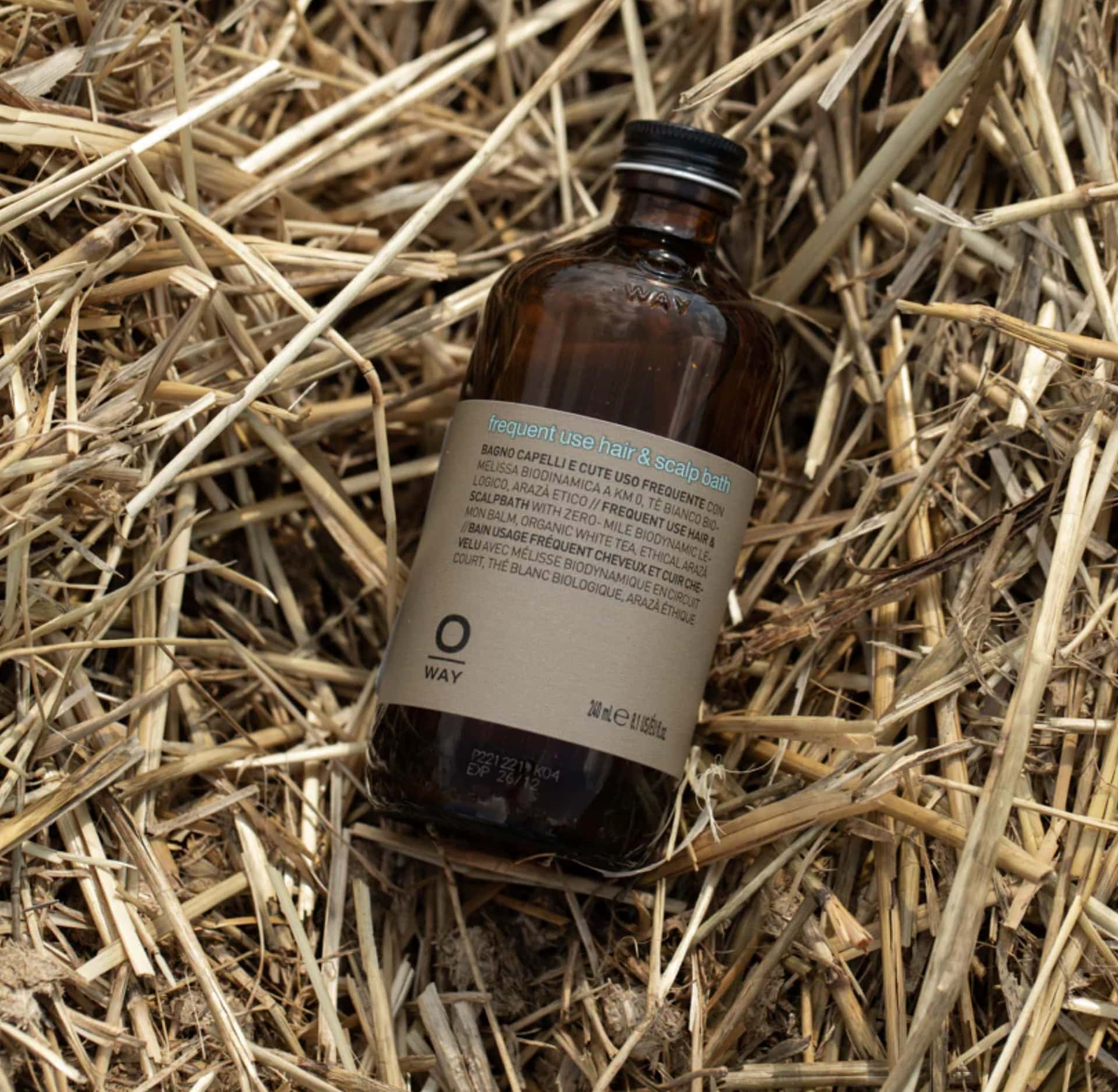
Italian brand Oway represents the high-end intersection of agriculture and beauty. Utilizing "green chemistry," Oway sources 90-95% of its ingredients from its own biodynamic farm. Their use of amber glass is intentional; glass is inert and does not leach chemicals into the product. As a Carbon Neutral company, Oway’s production is powered entirely by renewable energy, proving that luxury haircare can coexist with rigorous environmental standards.
3. The Waterless Concentrate: Everist
Everist has pioneered the "concentrate" format. By removing water from the formula, they fit the equivalent of a standard bottle of shampoo into a small, 100ml recyclable aluminum tube. This drastically reduces shipping emissions and allows for a "plastic-lite" experience (the only plastic being the cap, which the company collects via a "CapBack" program).
4. The Solid Bar Revolution: Ethique, etee, and EcoRoots
The most recognizable form of zero-waste haircare remains the bar. Ethique, based in New Zealand, has saved over 25 million plastic bottles from landfills to date. Their bars are pH-balanced and soap-free, addressing the "transition period" many users face when moving away from liquid detergents. etee, based in Toronto, produces bars using renewable energy and has been praised by testers for its ability to manage oily hair without the heavy butter content found in some artisanal soaps.
Field Testing Results: Performance and Efficacy
A common deterrent for consumers switching to plastic-free options is the fear of reduced performance. However, long-term testing by experts suggests that once the hair adjusts to the absence of synthetic silicones, the health of the scalp often improves.
- Lather and Cleansing: High-quality bars (like those from Suds & Eco or EcoRoots) use plant-derived surfactants that provide a rich lather comparable to liquid shampoo.
- Conditioning: While conditioner bars (such as Ethique’s) can have a steeper learning curve, they are highly effective at delivering concentrated moisture without the "greasy" buildup associated with liquid conditioners.
- The ACV Alternative: A traditional "no-poo" method involving an Apple Cider Vinegar (ACV) rinse has seen a resurgence. ACV helps balance the scalp’s pH and removes mineral buildup from hard water, acting as a natural detangler.
Implications: The Future of the Beauty Industry
The move toward plastic-free haircare is not merely a trend; it is a necessary evolution. As regulatory bodies in the EU and North America begin to crack down on microplastics and PFAS in consumer goods, the "green" practices of these boutique brands are likely to become the industry standard.

Economic Shifts
The success of these brands indicates a shift in consumer spending power. Modern shoppers are increasingly willing to pay a premium for transparency. Brands like Battle Green and Butter Me Up Organics emphasize small-batch production and food-grade ingredients, appealing to a demographic that views personal care as an extension of their health and environmental values.
The Challenge of Greenwashing
As the zero-waste movement gains steam, larger corporations have attempted to enter the space with "refill pouches." However, critics point out that these pouches are often made of multi-layer plastics that are even harder to recycle than standard bottles. The implication is clear: true sustainability requires a move toward monomaterials (like pure aluminum) or compostable solids.
Conclusion: A Scalp-to-Sea Solution
Switching to plastic-free shampoo and conditioner is one of the most impactful "micro-actions" a consumer can take. By removing the plastic bottle, users are simultaneously reducing demand for fossil fuel extraction, preventing microplastic runoff, and supporting ethical labor practices. Whether through a solid bar, a glass bottle, or a refillable aluminum canister, the future of haircare is clearly heading back to its roots—concentrated, clean, and conscious.
As the beauty industry continues to innovate, the "Sustainable Jungle" research suggests that the most effective products of the future will be those that leave no trace behind, ensuring that our quest for personal beauty does not come at the expense of the planet’s health.

 Iffa Jayyana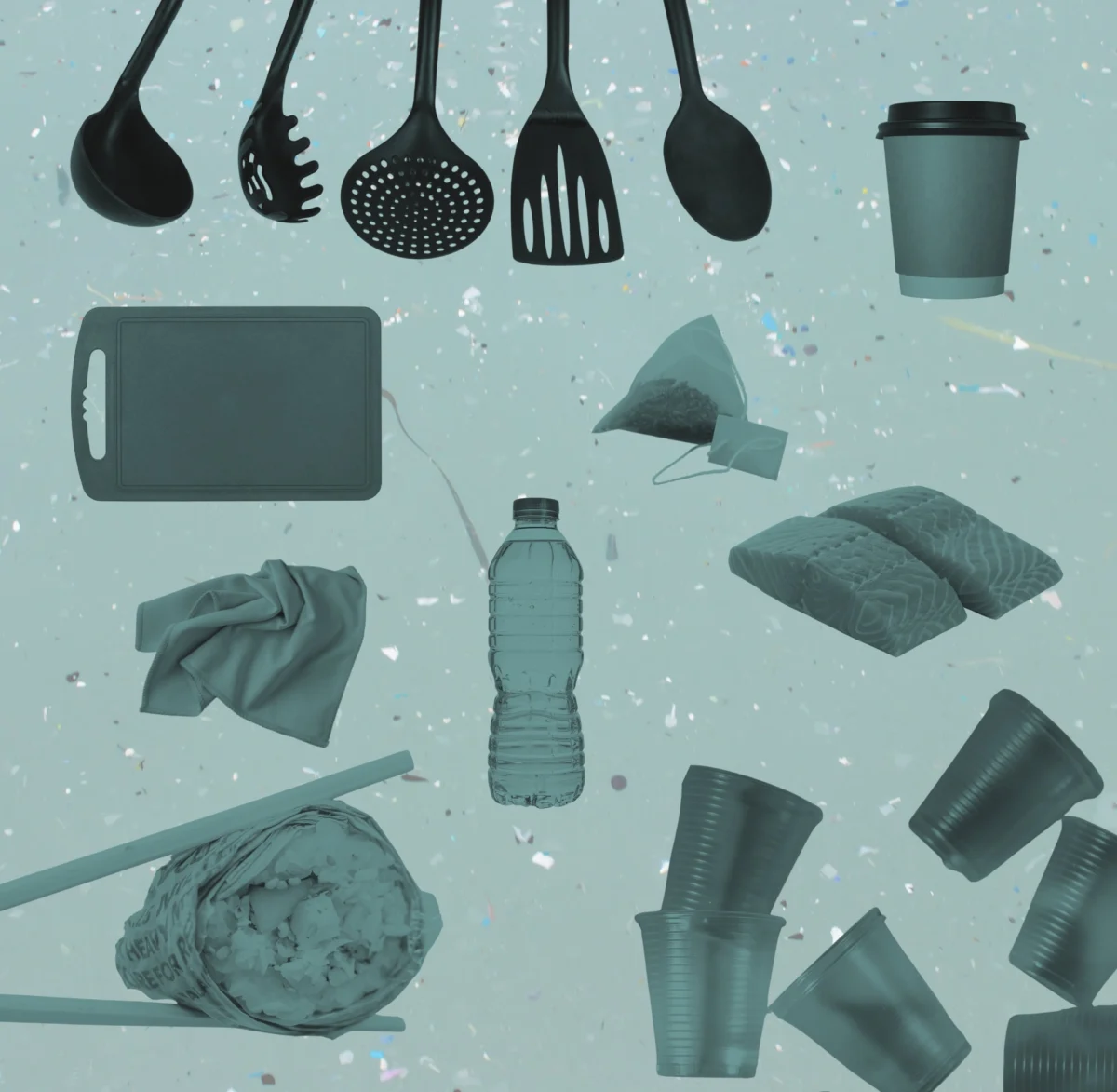
 Dwi Wanna