

 Dwi Wanna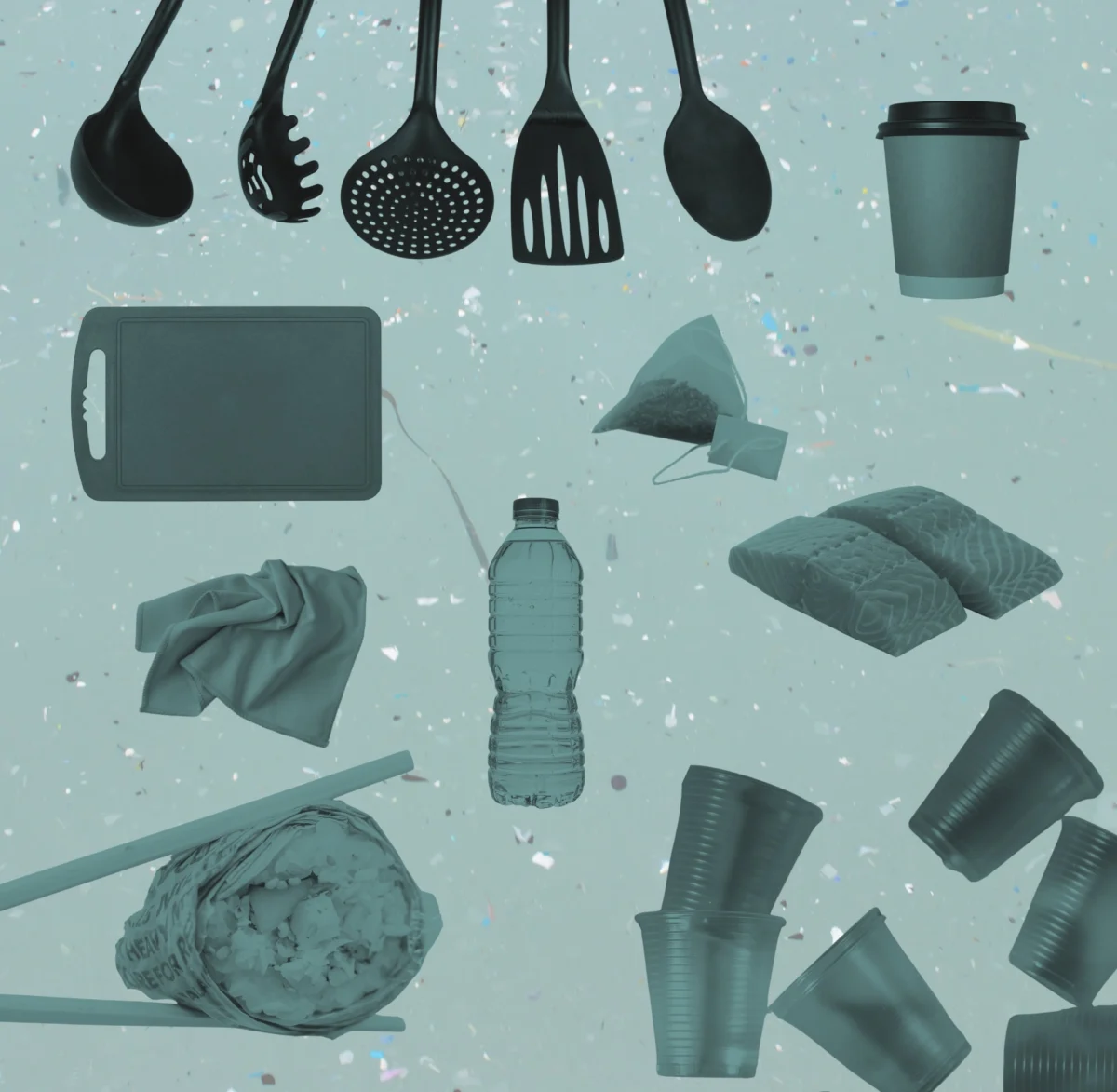
In a landmark move that underscores the growing alarm within the scientific community, the United States government committed $144 million in April 2026 to a groundbreaking initiative known as STOMP (Systematic Targeting Of MicroPlastics). Launched by the Advanced Research Projects Agency for Health (ARPA-H), the program is tasked with a sobering mandate: to develop methods for measuring and, eventually, removing microplastic and nanoplastic particles from the human body.
As ARPA-H Director Alicia Jackson noted at the program’s launch, "Nobody wants unknown particles accumulating in their body," yet humanity currently faces a reality where these synthetic fragments have infiltrated nearly every biological system. From the deepest reaches of the oceans to the arterial plaque of the human heart, microplastics have transitioned from an environmental nuisance to a primary public health emergency.
Main Facts: The Scope of the Microplastic Crisis
Microplastics are defined as plastic particles smaller than 5 millimeters, roughly the size of a sesame seed. However, the emerging frontier of concern is nanoplastics—particles smaller than 1 micrometer. These are invisible to the naked eye and are small enough to cross biological barriers, including the blood-brain barrier and the placenta.
The scale of human ingestion is staggering. Recent research indicates that the average person may be ingesting the equivalent of a credit card’s worth of plastic every week. These particles enter the body through three primary pathways: ingestion (food and water), inhalation (household dust and synthetic fibers), and dermal absorption (though this is less common).

Key recent findings include:
- Cardiovascular Risk: A 2024 study published in The New England Journal of Medicine found microplastics and nanoplastics in the arterial plaque of patients. Those with detectable plastics were significantly more likely to suffer a stroke, heart attack, or death within 34 months.
- Neurological Presence: Research from the University of New Mexico has identified microplastics in human brain tissue at higher concentrations than in other organs.
- Reproductive Impact: Plastics have been detected in 100% of human testicle samples examined in recent studies, as well as in breast milk and placentas.
Chronology: From Industrial Miracle to Biological Threat
The trajectory of the plastic crisis has evolved rapidly over the last century:
- 1950s–1990s: The Plastic Boom. The mass production of synthetic polymers revolutionized medicine, food safety, and aerospace. During this era, plastic was viewed as a permanent, inert solution to industrial needs.
- Early 2000s: The Discovery of Microbeads. Marine biologists began noticing tiny plastic spheres in ocean gyres. This led to the 2015 "Microbead-Free Waters Act" in the US, which banned plastic beads in rinse-off cosmetics.
- 2018–2022: The Detection Era. Advancements in Raman spectroscopy and mass spectrometry allowed scientists to move beyond measuring "ocean plastic" to measuring "internal plastic." This period saw the first confirmed detections of microplastics in human blood and lung tissue.
- 2024–2026: The Health Correlation Phase. The focus shifted from where plastics are to what they do. The 2024 NEJM study provided the first clinical link between plastic accumulation and mortality.
- 2026 and Beyond: The Removal Mandate. With the launch of the STOMP program, the global community has moved into a defensive posture, seeking to mitigate damage that has already occurred.
Supporting Data: Identifying the Primary Sources of Exposure
To address the crisis, researchers have identified specific "hotspots" of exposure within the average household.
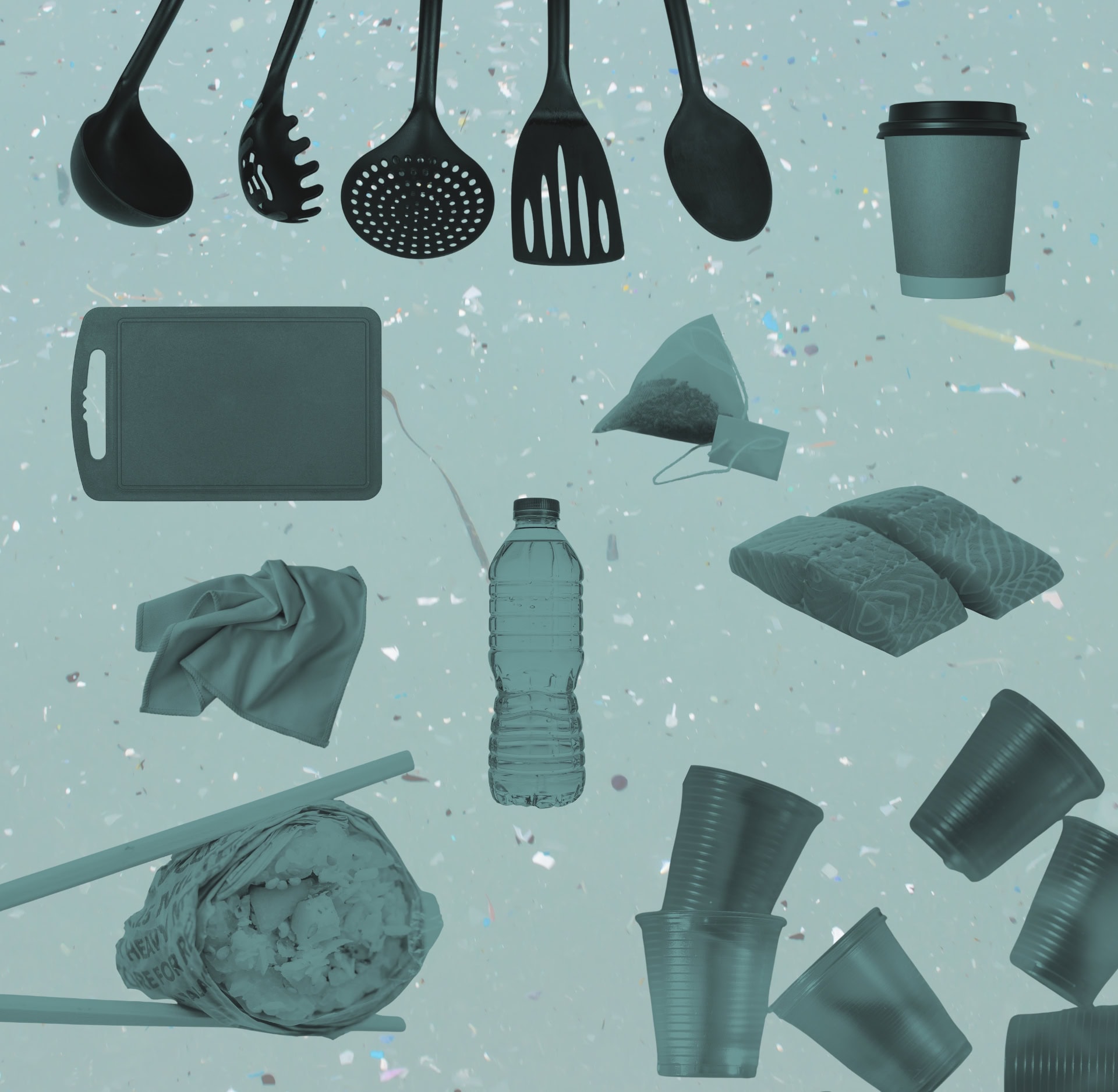
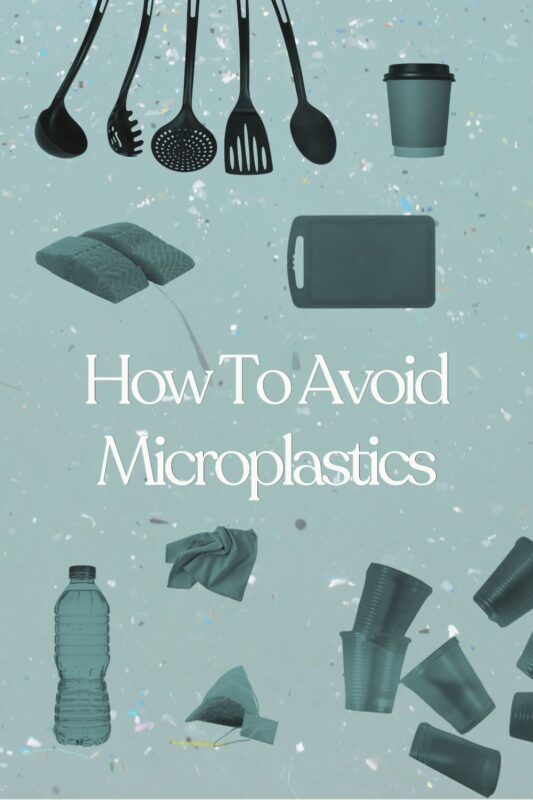
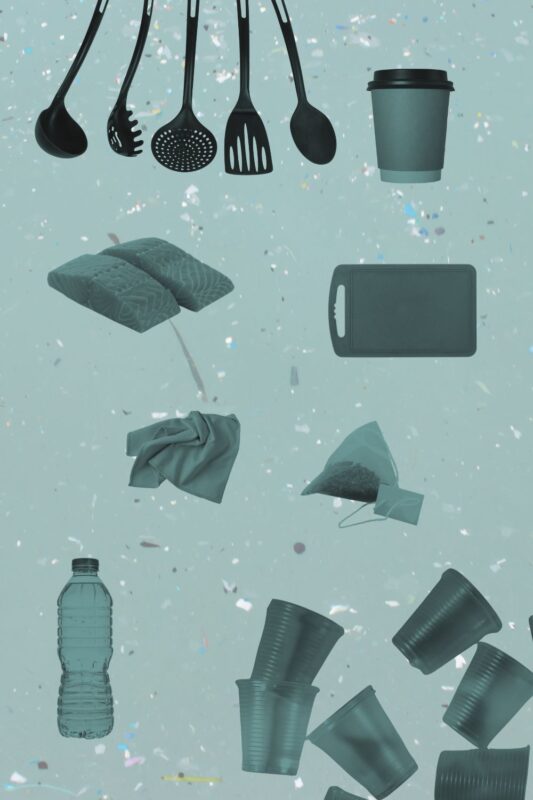
The Kitchen: The Front Line of Ingestion
The kitchen is the highest-impact area for microplastic exposure due to the trifecta of heat, friction, and acidity—all of which accelerate the breakdown of polymers.

- Plastic Cutting Boards: A 2023 study in Environmental Science & Technology revealed that chopping food on polyethylene or polypropylene boards could release 14 to 71 million microplastic particles per person annually.
- The Tea Bag Paradox: Many "silken" or pyramid-style tea bags are made of nylon or PET. A 2026 study found that steeping one of these bags at brewing temperature can release approximately 11.6 billion microplastics and 3.1 billion nanoplastics into a single cup of tea.
- Black Plastic Utensils: Beyond the plastic itself, a 2024 study in Chemosphere found that 85% of black plastic kitchen products contained toxic flame retardants, likely sourced from recycled electronic waste.
Water and Beverages
- Bottled Water: A study published in the Proceedings of the National Academy of Sciences found an average of 240,000 nanoplastic particles per liter in popular bottled water brands—90% of which were small enough to enter the bloodstream directly.
- Disposable Cups: The polyethylene lining of paper coffee cups breaks down almost instantly when exposed to boiling water, creating what some health experts call "microplastic soup."
Textiles and the "Microfiber" Problem
Synthetic clothing (polyester, nylon, acrylic) is responsible for a massive share of environmental pollution.
- Laundry Shedding: A single wash cycle can release up to 6.8 million microfibers. According to the IUCN, textiles account for 35% of all primary microplastics entering the oceans.
- Fabric Design: A May 2026 report from the Pew Charitable Trusts suggests that redesigning fabrics to be "low-shed" could reduce textile microplastic pollution by 52% by 2040.
Official Responses and Regulatory Frameworks
Governments are beginning to transition from voluntary guidelines to mandatory regulations.
- The US STOMP Program: This $144 million ARPA-H initiative is divided into three phases: developing standardized ways to measure plastics in human tissue, understanding the mechanisms by which they cause disease, and developing "removal technologies" to extract them from the body.
- European Union Ecodesign: The EU is developing a "delegated act" for textiles, expected by 2027, which will mandate durability and low-fiber-shedding standards for all clothing sold in the region.
- The French Mandate: As of January 2025, France became the first nation to require microfiber filters in all new commercial and residential washing machines.
- The UN Global Plastic Treaty: Ongoing negotiations aim to create a legally binding international instrument to end plastic pollution, focusing on the full lifecycle of plastics, from production to disposal.
Implications: The Health and Environmental Feedback Loop
The implications of microplastic saturation are twofold: biological and ecological.
Human Health Implications
While the science is still catching up, researchers are focused on three primary areas of concern:
- Inflammation: The body treats plastic particles as foreign invaders, potentially leading to chronic inflammation, a precursor to autoimmune diseases and cancer.
- Endocrine Disruption: Plastics often carry additives like phthalates and BPA, which mimic hormones and can disrupt reproductive health and metabolism.
- Chemical Carriers: Microplastics act as "Trojan horses," absorbing heavy metals and "forever chemicals" (PFAS) from the environment and delivering them directly into human tissue.
Environmental Implications
The environmental damage creates a feedback loop that eventually affects human food security.
- Marine Mortality: A 2025 study in PNAS found that as few as six pieces of ingested plastic can result in a 90% mortality rate for certain marine mammals and seabirds.
- Soil Health: Microplastics alter soil structure and water dynamics. Earthworms, the engineers of fertile soil, have been shown to transport microplastics deep into the earth, affecting crop growth and nutrient density.
- Coral Ecosystems: Corals have been found to preferentially ingest certain microplastics over food, leading to "starvation" and the collapse of reefs that support 25% of all marine life.
Mitigation Strategies: The Precautionary Principle
In the absence of a "cure" for microplastic accumulation, experts advocate for the Precautionary Principle: reducing exposure now to prevent future harm.
Practical Household Swaps
- Filter Water via Reverse Osmosis: RO systems are currently the most effective household method for removing nanoplastics.
- Eliminate Heat-on-Plastic: Never microwave plastic containers. Switch to glass or stainless steel for food storage and preparation.
- Natural Textiles: Transitioning to organic cotton, hemp, or wool eliminates the shedding of synthetic microfibers in the home.
- Washing Machine Filters: Installing external microfiber traps can capture up to 90% of fibers before they reach the wastewater system.
- Reevaluate Personal Care: Avoid products containing polyethylene or acrylates, often found in leave-on lotions and cosmetics.
Conclusion: A Paradigm Shift in Sustainability
The revelation that microplastics are not just "out there" in the ocean, but "in here" within our own bodies, marks a turning point in the environmental movement. The STOMP program and similar global initiatives represent the first steps in a multi-generational effort to remediate the "Plastic Age."
Until scientific breakthroughs provide a validated method for biological detoxification, the burden of safety rests on the consumer and the regulator. Every reduction in plastic use is no longer just an act of environmental stewardship; it is a direct investment in human biological integrity. The invisible infiltration of microplastics requires a visible and vigorous response from all sectors of society.

 Iffa Jayyana
 Azzam Bilal Chamdy