

 Muslim
As the calendar turns to May, the agricultural landscape across North America undergoes a profound transformation. For the modern farmer, this month represents a critical juncture: a period defined by the final transition from the unpredictability of spring frost to the promise of summer productivity. While the specific climate of your region remains the ultimate arbiter of what can thrive in your soil, the application of modern horticultural techniques—such as row covers, high-tunnel management, and precise irrigation—has effectively widened the window of possibility for growers everywhere.
Whether you are managing a high-output commercial operation or tending to a smaller market garden, the decisions made in May will dictate the harvest yields of late summer and early autumn. This guide explores the strategic essentials for planting this month, balancing local weather patterns with the economic imperatives of the farm.
The Strategic Imperative: Balancing Market Needs with Experimental Growth
For most agricultural operations, May is not merely about planting; it is about revenue management. The most successful growers prioritize crops with a proven track record of regional success—varieties that satisfy the demands of the local farmers’ market or established wholesale contracts. However, there is an inherent value in experimentation. Dedicating a small portion of your acreage to an atypical crop can serve as a R&D investment for future seasons. Even when an experimental crop fails to meet financial expectations, the knowledge gained regarding soil interaction, pest resistance, and climate resilience is an invaluable asset for the farm’s long-term sustainability.
Chronology: The May Planting Timeline
- Early May: Focus on transplanting heat-sensitive solanaceous crops and direct-sowing long-season melons and corn.
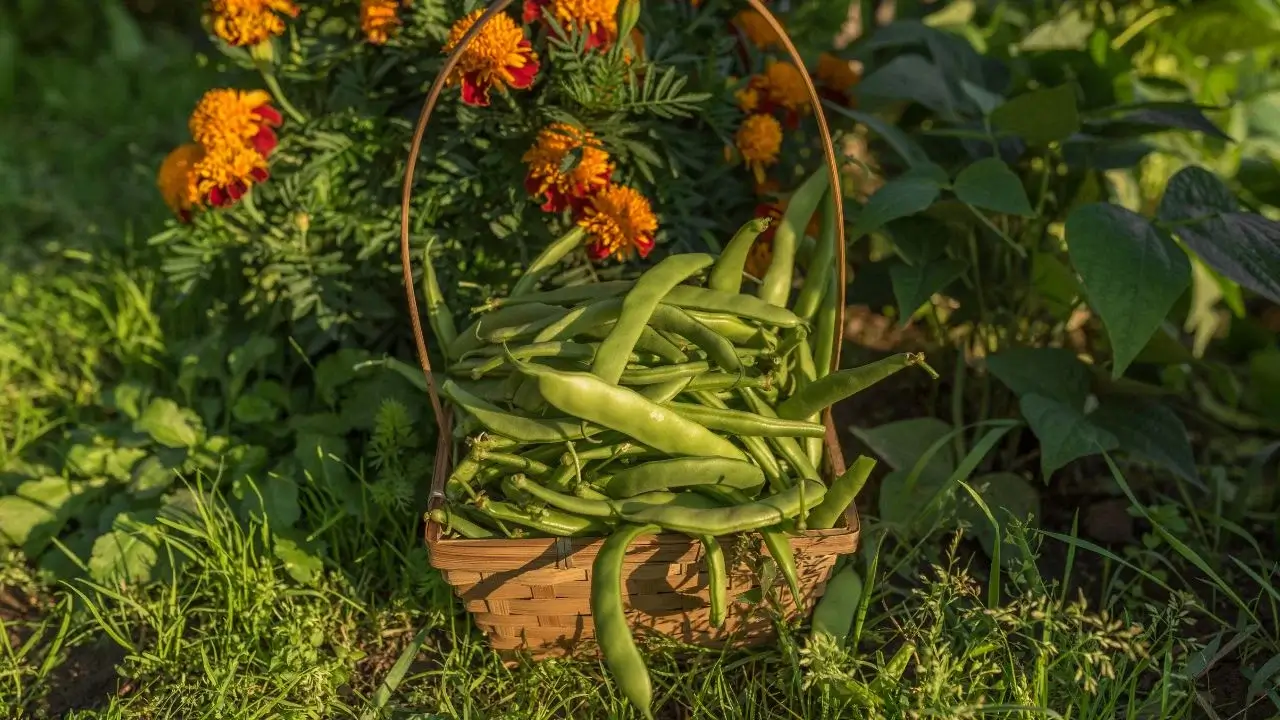
- Mid-May: Continue succession plantings of fast-maturing beans and summer squash.
- Late May: Finalize the planting of heat-loving grains like amaranth and millet, and ensure all pollinator-attracting flowers are established to support the burgeoning summer insect populations.
Heat-Loving Essentials: Melons, Eggplants, and Okra
The High-Yield Potential of Melons
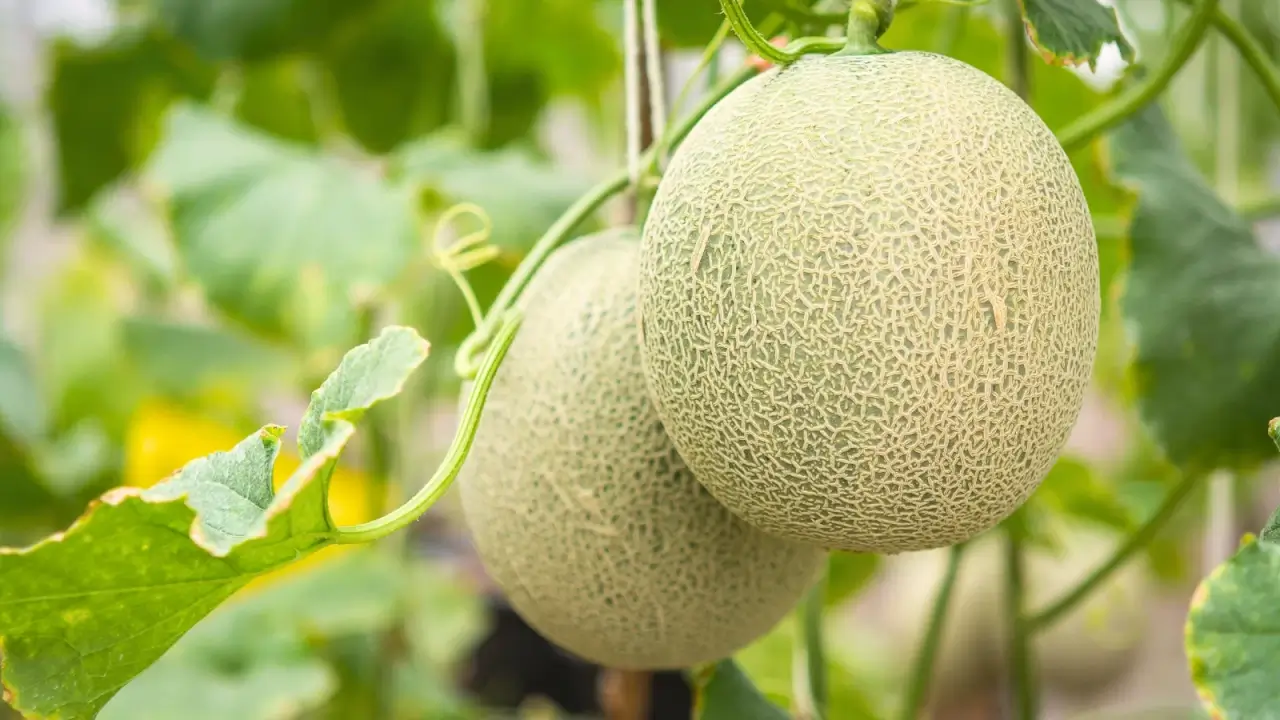
May is the optimal month to sow melons, including cantaloupe, honeydew, and watermelon. These crops demand warmth and space. For farmers in regions with long, hot summers, melons are a cornerstone of profitability.
- Nutritional Support: These vines are heavy feeders. To maximize production, implement a consistent, diluted fertilization schedule—ideally once a week—throughout the growth cycle.
- Soil Considerations: Watermelons are particularly suited to coastal environments; their preference for sandy, well-draining soil and their tolerance for saline-laden winds make them a strategic choice for growers near the coast. Musk melons, conversely, thrive in nutrient-rich, heavier soils.
Eggplant: The Case for Transplanting
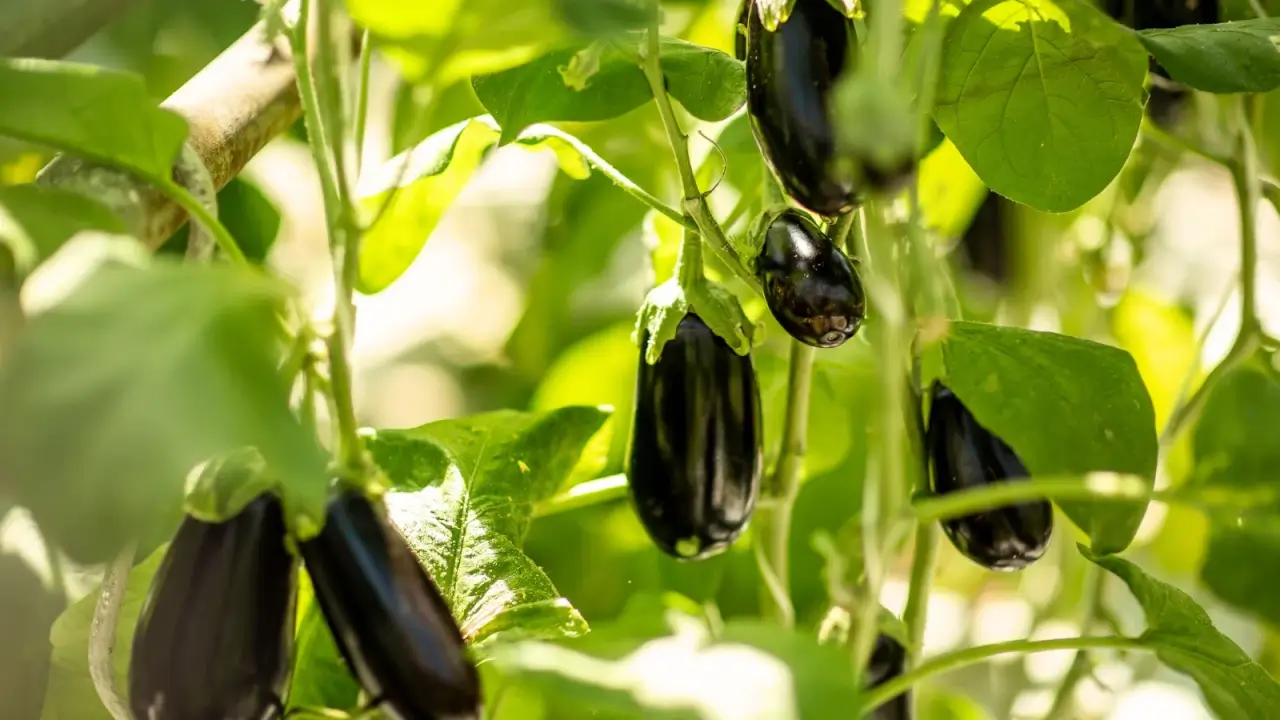
Unlike many direct-sown crops, eggplants benefit significantly from being transplanted in May. These solanaceous plants require a lengthy growing season—typically at least ten weeks to maturity. Selecting the right variety is paramount.
- Recommended Varieties: For high-volume production in hot climates, the ‘Epic’ variety is an industry standard. For larger fruit, ‘Nadia’ is favored. If your local climate fluctuates, consider ‘Orient Express’ or ‘Elondo,’ which are bred to remain productive even when temperatures dip below the ideal 75–85°F range.
Okra: The King of Summer Heat
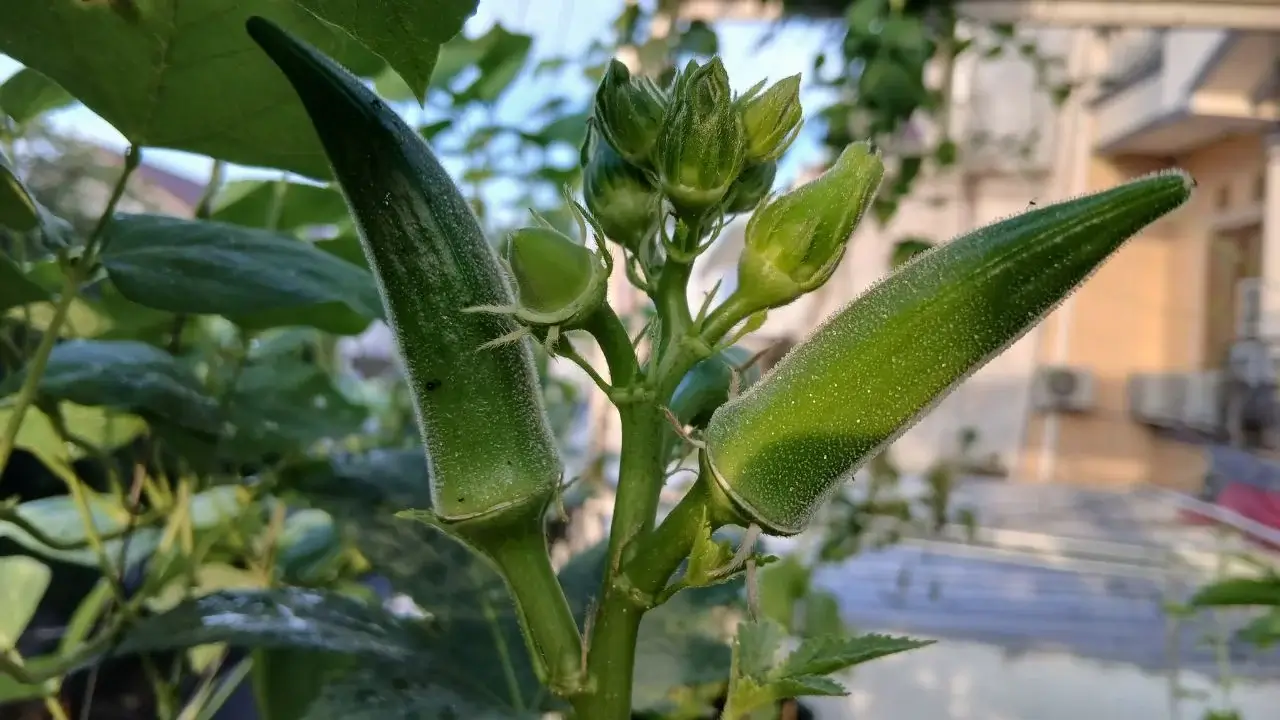
Okra is synonymous with summer heat. Its ability to produce high volumes of pods in scorching temperatures makes it an essential crop for the southern and central plains.
- Efficiency Tip: To streamline your harvest, bypass the traditional spiny varieties. Varieties such as ‘Clemson Spineless 80’ offer the same productivity without the labor-intensive handling required by standard types.
Staple Crops: Corn and Beans
Managing the Corn Crop
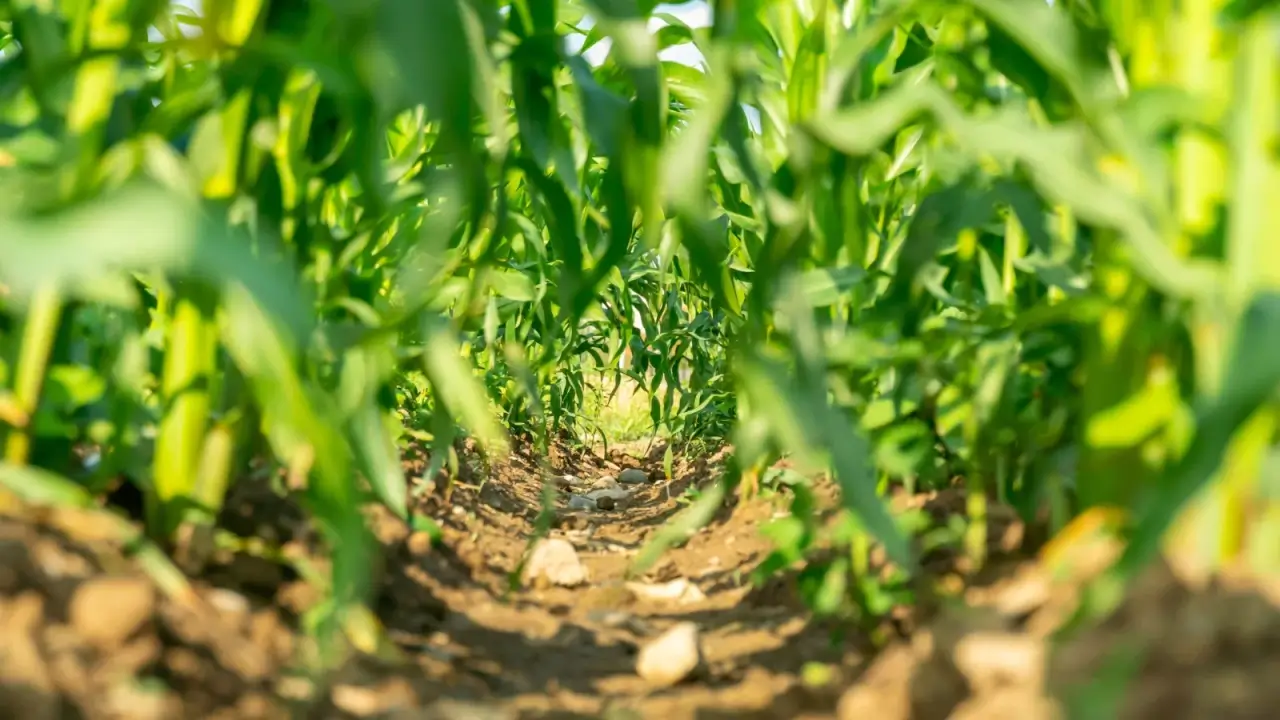
Growing corn requires patience and a significant time commitment, as most varieties require at least two and a half months to reach maturity. Your selection should align strictly with your farm’s output goals:
- Sweet Corn: Ideal for direct-to-consumer sales at farm stands.
- Dent Corn: Essential for processors interested in cornmeal and masa production.
- Popcorn and Flint Corn: These niche crops offer heirloom value and are increasingly popular in direct-market retail. Always prioritize open-pollinated varieties to maintain the genetic integrity of your seed stock.
The Versatility of Beans
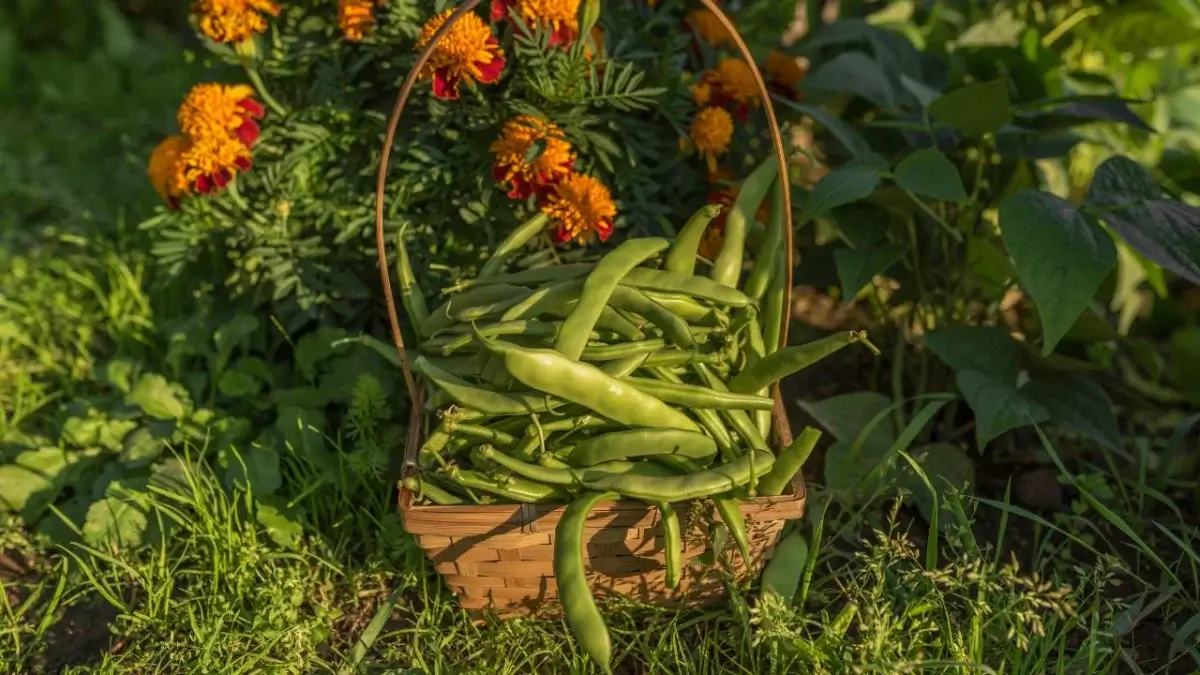
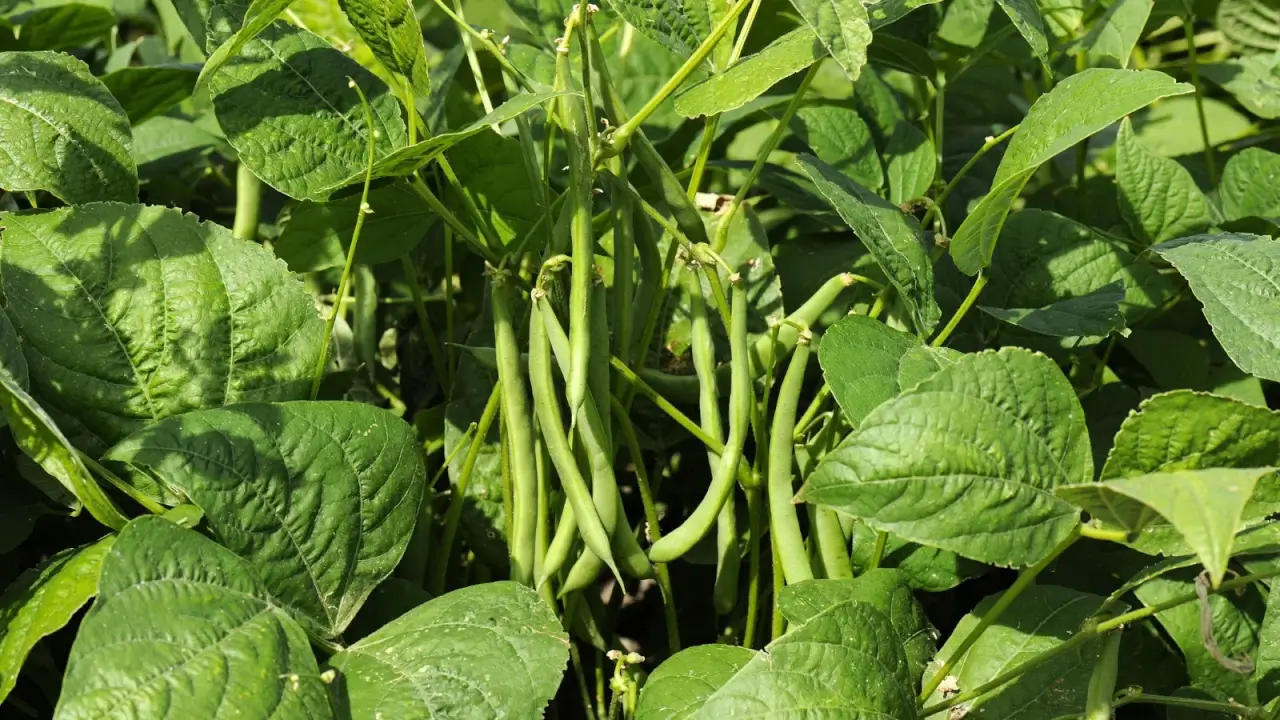
Beans are perhaps the most versatile inclusion in a May planting schedule. They can be selected based on their specific climatic tolerances.
- Cool/Short Seasons: Fava beans are the superior choice.
- Hot/Long Seasons: Cowpeas and butter beans offer exceptional resilience.
- Regional Specialization: In the arid Southwest, tepary beans have been cultivated for centuries. Their evolutionary history makes them uniquely adapted to high daytime temperatures and cool nights, making them a low-risk, high-reward crop for dry-climate farmers.
Supporting Data: The Role of Squash and Grains
Squash Management
For those in temperate zones, May is the final call for planting pumpkins and winter squash like butternut and acorn. These gourds require three to four months to mature, necessitating a planting date that precedes the first autumn frost by at least 120 days. For summer squash like zucchini, continue succession planting every two weeks to maintain a steady flow of inventory for the summer market.
Grains for Niche Markets
Grains are often overlooked by small-scale farmers, yet they offer significant market potential.
- Amaranth: This versatile plant serves a dual purpose. Its foliage is edible, while its striking seed heads—such as the ‘Love Lies Bleeding’ variety—are highly sought after by florists for high-end arrangements.
- Sorghum and Millet: These are the gold standard for hot, dry regions. They are remarkably drought-tolerant and thrive in soil conditions where other crops would wither.
- Cool-Season Grains: In regions where the summer remains relatively mild, oats, buckwheat, and farro can be successfully established in May.
Official Recommendations and Ecological Implications
Agricultural extension services and regional university programs consistently emphasize that crop success is not determined by the calendar alone, but by the integration of ecosystem services.
Integrating Flowers for Pest Management
The inclusion of flowers like sunflowers, zinnias, and cosmos is not merely for aesthetics; it is a fundamental component of Integrated Pest Management (IPM).
- Pollinator Support: These plants act as "pollinator powerhouses," attracting beneficial insects that improve the fruit set of your orchards and vegetable plots.
- Predatory Attraction: Marigolds, cornflowers, and borage are highly effective at attracting predatory insects that manage aphid and beetle populations naturally.
By interspersing these flowers throughout your vegetable rows, you create a biological buffer that reduces the necessity for chemical interventions.
Implications for a Resilient Food System
The practice of strategic May planting has implications that extend far beyond the individual farm. As growers face increasingly volatile climate patterns, the shift toward selecting locally adapted varieties—such as the aforementioned tepary beans or drought-resistant grains—is a vital step in building a resilient food system.
When farmers choose to experiment with diverse, locally-sourced varieties, they contribute to the preservation of agricultural biodiversity. This diversity is the farm’s best insurance policy against the unpredictable nature of climate change. Furthermore, the emphasis on direct-market crops allows farmers to capture a larger share of the food dollar, reducing reliance on long, fragile supply chains and ensuring that communities have access to fresh, nutrient-dense produce grown in their own region.
In conclusion, May is a month of immense potential. By balancing the technical requirements of specific crops with an experimental mindset and an ecological approach to pest management, farmers can ensure a productive season that benefits both their bottom line and the health of their land. Whether you are planting the first rows of corn or testing a new variety of heirloom melon, the work you do this month is the foundation of the harvest to come.


 Dwi Wanna
 Asep Darmawan