




 Siti Muinah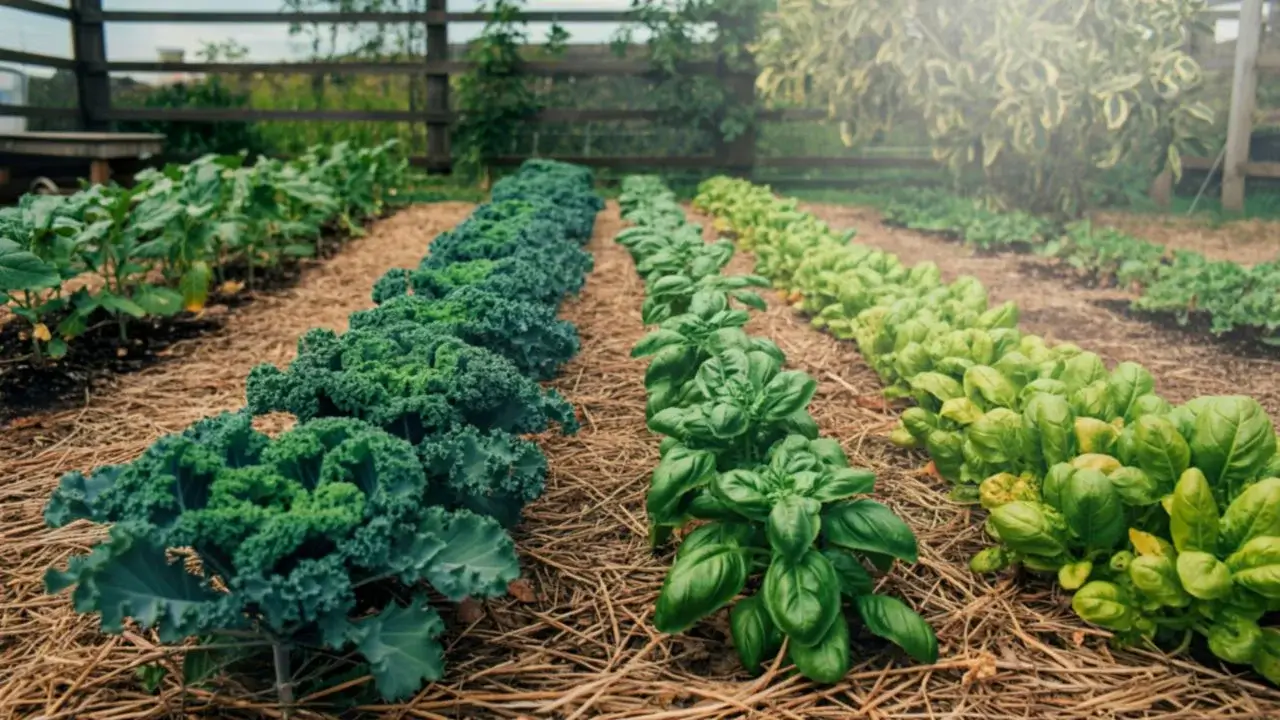
In the high-stakes world of small-scale agriculture, the difference between a struggling plot and a thriving, profitable operation often comes down to the efficiency of land use. For the modern farmer, space is a finite resource, and time is the most critical currency. Succession sowing—the strategic, staggered planting of crops—has emerged as the gold standard for growers looking to maximize yield, stabilize revenue streams, and minimize the seasonal "feast or famine" cycle that plagues many small operations.
By moving beyond the traditional "plant once, harvest once" model, farmers can transform their acreage into a dynamic engine of continuous production. This guide explores the sophisticated art of succession sowing, offering a roadmap for growers to optimize their timing, soil health, and market availability.
The Strategic Importance of Succession Sowing
At its core, succession sowing is the practice of planting seeds at intervals to ensure a steady supply of harvestable produce throughout the entire growing season. For a commercial small-farm operation, this is not merely a gardening hobby; it is a vital business strategy.

Economic Implications
By staggering harvests, farmers can maintain a consistent presence at farmers’ markets and provide reliable supply to local restaurants. Instead of an overwhelming glut of a single crop that forces a farmer to sell at "fire-sale" prices due to oversupply, succession sowing allows for a controlled, predictable volume of goods. This diversification of harvest windows directly correlates to a more stable and resilient revenue model.
Maximizing Land Efficiency
Every square inch of a farm carries a cost in terms of irrigation, soil amendments, and labor. Leaving a bed empty after an early-season crop is harvested is essentially leaving money on the table. Succession sowing ensures that as soon as one crop reaches its peak and is cleared, another is ready to take its place. This continuous rotation is the hallmark of a high-production, professional farm.
Chronology: The Lifecycle of a Succession-Sown Plot
Implementing a successful succession plan requires a shift in how farmers view the calendar. Rather than focusing on a single "planting day," the farm’s timeline must be broken into "growing windows."

- Phase 1: Planning and Mapping (Late Winter): Before the first seed is sown, farmers must consult their crop logs and "days to maturity" data. By mapping out exactly when each crop will finish, growers can identify "vacant" windows in their beds.
- Phase 2: The Quick-Start (Early Spring): The season often begins with cold-hardy, fast-maturing crops like radishes, baby spinach, and arugula. These provide the first revenue of the year and serve as a "training ground" for the succession rhythm.
- Phase 3: The Peak-Season Transition (Summer): As temperatures rise, the farm shifts to heat-loving varieties. Here, the focus moves to planting beans or cucumbers in the space previously occupied by spring greens.
- Phase 4: The Late-Season Pivot (Autumn): As the days shorten, farmers return to cool-season crops. By using season-extension tools like low tunnels or cold frames, they can push the harvest window well into the frost season.
Methodologies for Success
There is no "one-size-fits-all" approach to succession sowing. Instead, farmers should employ a mix of these four professional methodologies based on their specific crop needs and market demands.
1. Interval Sowing (Same Crop, Staggered Timing)
The most common technique involves planting the same vegetable in small batches every 10 to 14 days. This is ideal for crops that have a short harvest window, such as salad greens, carrots, or snap beans. By planting one-third of a bed at a time, you ensure that you aren’t harvesting 50 pounds of lettuce on a Tuesday, only to have none by Friday.
2. Multi-Crop Rotation (Different Crops, Same Space)
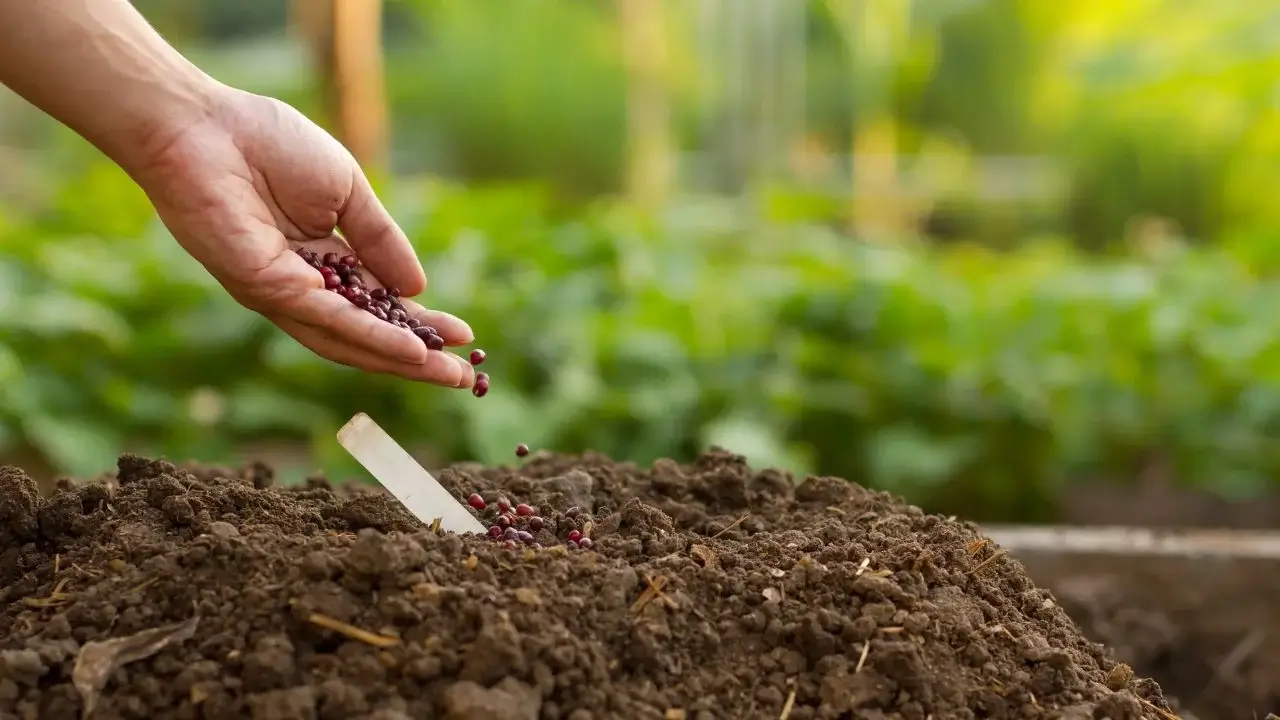
This method focuses on the "hand-off" between different plant families. For example, once an early spring bed of lettuce is harvested, the soil is cleared, amended with compost, and immediately replanted with a heavy feeder like bush beans or late-season kale. This keeps the soil active and productive while preventing the nutrient depletion associated with monocropping.
3. Tactical Intercropping
Intercropping is the practice of growing two or more crops in close proximity to maximize biological efficiency. For instance, a farmer might plant a "support" crop (like tall sunflowers or corn) to provide shade or structural support for a later-planted "climber" (like pole beans or peas). This creates a vertical succession, where the farm utilizes the air space as effectively as the ground space.
4. Varietal Diversification
Not all varieties of a crop mature at the same rate. A professional farmer will often plant an "early-season," "mid-season," and "late-season" variety of the same vegetable (such as tomatoes or potatoes) simultaneously. This ensures that even if all plants are put in the ground at the same time, the harvest will naturally stagger itself, providing a longer window of availability for customers.
Supporting Data: The Science of Soil and Timing
Succession sowing is as much about soil biology as it is about scheduling. Every time a crop is removed, the soil’s microbial life experiences a disruption.

- Nutrient Management: When succession sowing, farmers must be diligent about replacing nutrients. Fast-maturing crops like radishes are relatively "light" feeders, but consecutive plantings of heavy feeders like cabbage or broccoli will quickly deplete nitrogen. Incorporating organic fertilizers or cover crops during the transition between successions is essential.
- Temperature Thresholds: Understanding the "thermal clock" of your crops is vital. A crop that thrives in the cool temperatures of April will bolt and turn bitter in the heat of July. A successful succession plan accounts for these shifting temperature tolerances, ensuring that the "right" plant is always in the "right" weather window.
Implications for Future Farming: Building Resilience
The movement toward more intensive succession sowing is part of a larger trend in "flavor-focused" and "resilient" agriculture. By diversifying what is grown and when it is grown, farmers are better protected against the volatility of climate change.
If a sudden heatwave wipes out a specific planting, a farmer who uses succession sowing has another crop maturing just a few weeks behind it, providing a natural insurance policy against total crop failure. Furthermore, this method supports integrated pest management (IPM). By constantly changing the crops in a specific bed, pests that are specialized to one type of plant find it difficult to establish a permanent colony.
Expert Perspective: The Path to Professional Mastery
For those new to this methodology, the transition can feel overwhelming. Agricultural experts suggest that farmers start small. "Don’t try to master the entire field at once," says one extension agent. "Pick one bed of radishes or lettuce and commit to keeping that space 100% occupied for the entire season. Once you understand the rhythm of that single space, you can scale the practice to the entire farm."
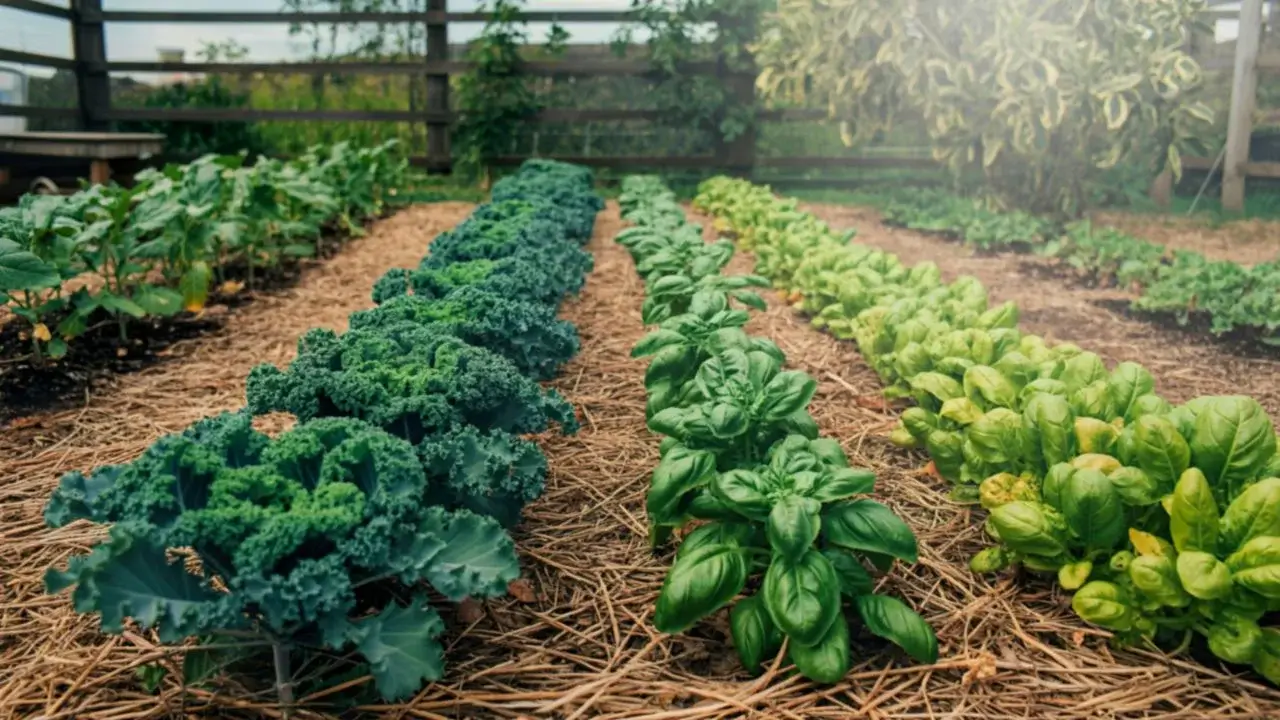
The goal of the modern, small-scale farmer is to be an efficient manager of biological capital. Succession sowing represents the intersection of logistics, biology, and economics. It is a commitment to the idea that a farm should be a living, breathing, and constantly producing entity.
As the industry continues to push toward localized food systems, the farmers who adopt these practices will find themselves not only more profitable but also more connected to the rhythms of their land. By planning for the next harvest before the current one is even finished, you aren’t just farming for the season—you are building a sustainable, long-term legacy of productivity.
Quick Reference Checklist for Succession Planning:
- Audit Your Data: Keep precise records of "days to maturity" for every variety you grow.
- Space Management: Always have your next set of starts ready in the nursery before the current crop is harvested.
- Soil Amending: Have a plan for quick soil replenishment between crops (e.g., compost teas or granular organic fertilizer).
- Climate Monitoring: Use a digital log to track frost dates and soil temperature, adjusting your succession intervals as the seasons shift.
- Market Alignment: Synchronize your successions with your highest-traffic sales days to ensure maximum freshness and minimum waste.
By embracing these strategies, the small farmer can ensure that their land is always working as hard as they are, resulting in a more abundant, diverse, and profitable growing season.


 Dwi Wanna
 Asep Darmawan