


 Jia Lissa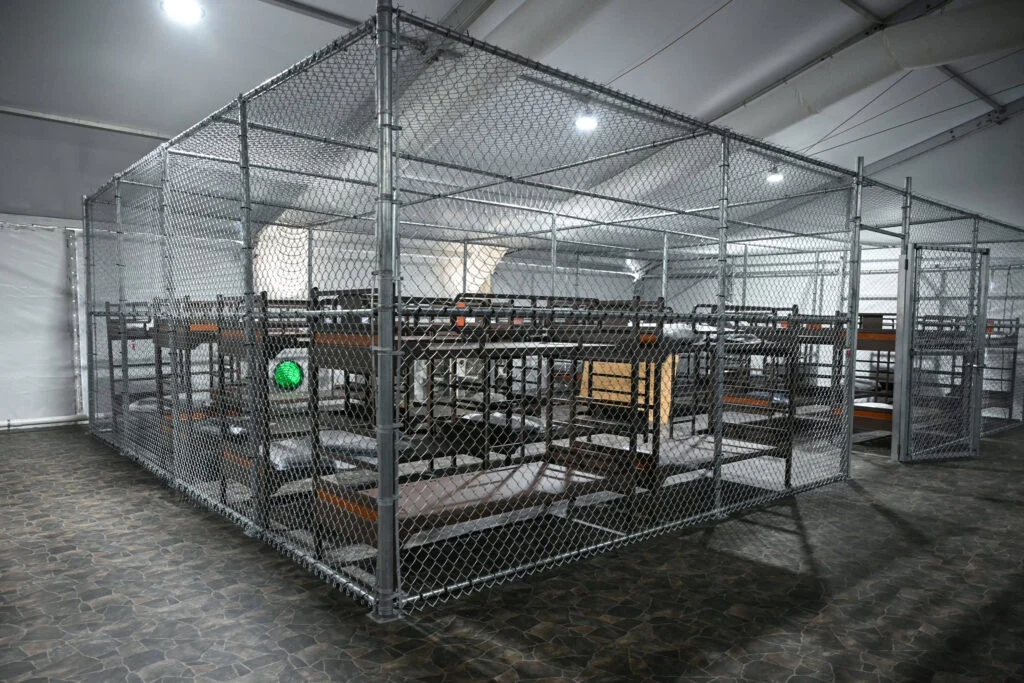
Introduction: A Controversial Chapter Ends
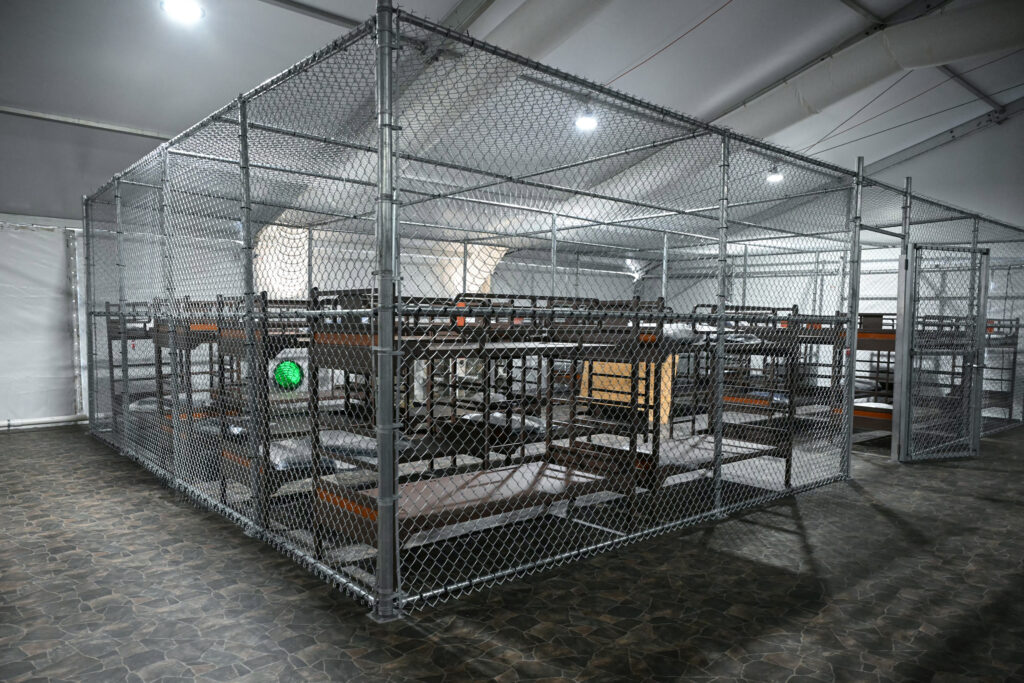
Florida is preparing to shutter the controversial migrant detention facility known as "Alligator Alcatraz" by early June, marking a definitive, if abrupt, shift in the state’s approach to immigration enforcement. Situated deep within the fragile ecosystem of the Everglades—a region critical to the drinking water supply for millions—the site has been the epicenter of a high-stakes legal and environmental battle since its inception in July 2025.
While the closure promises to remove a significant industrial footprint from the "River of Grass," the implications of its existence remain a subject of intense scrutiny. Environmental advocates, the Miccosukee Tribe, and legal experts are signaling that while the fences may come down, the quest for accountability and ecological restoration is only just beginning.
Chronology: From Rapid Deployment to Sudden Departure
The rise and fall of the Alligator Alcatraz facility reflects the volatile intersection of federal immigration policy and state-level cooperation.
- July 2025: The facility is hastily constructed and opened as a cornerstone of the Trump administration’s intensified immigration crackdown. The speed of the project bypassed traditional environmental impact assessments, triggering immediate outcry.
- August 2025: U.S. District Court Judge Kathleen Williams issues a preliminary injunction, ordering the state to wind down operations at the site due to the lack of necessary environmental reviews under the National Environmental Policy Act (NEPA).
- April 2026: In a significant reversal, the 11th U.S. Circuit Court of Appeals invalidates Judge Williams’ injunction. This ruling allows the facility to remain open temporarily, providing the state with a reprieve while environmental litigation continues.
- May 2026: Reports emerge that the state has begun notifying vendors that the site will close by early June. Despite the impending closure, legal plaintiffs state they will continue their litigation, aiming to ensure the land is remediated.
Supporting Data: The Ecological Stakes
The Everglades is not merely a regional wetland; it is a $27 billion restoration priority that represents one of the most ambitious ecological recovery efforts in human history. The detention center’s placement in this sensitive region raised immediate alarms from hydrologists and conservationists.
The Sensitivity of the River of Grass
The Everglades provides the primary drinking water source for the majority of South Florida’s population. The introduction of a high-density human facility—complete with sewage, lighting, waste management, and traffic—into an area characterized by slow-moving, filtered water flow posed a direct threat to water quality.
Critics argued that the state and federal governments effectively bypassed the National Environmental Policy Act (NEPA). Under normal circumstances, any major construction project in such a protected zone would require years of environmental impact statements (EIS). By classifying the site as a "state" operation rather than a "federal" one, officials argued that federal environmental mandates did not apply. This legal loophole remains the central focus of the ongoing litigation.
Official Responses and Political Maneuvering
The narrative surrounding the closure is marked by ambiguity and carefully crafted diplomatic language from both state and federal officials.
The Governor’s Stance
Governor Ron DeSantis, during a recent news briefing, remained intentionally vague regarding the motivation behind the closure. "I don’t think you get the job done without that close cooperation where we are assisting in this important mission, but if they have beds other places where they’re able to do it, that’s fine," DeSantis said. "That was never meant to be permanent. We didn’t build any permanent facilities down there because we knew it was going to be temporary."
The Governor’s rhetoric emphasizes a tactical withdrawal rather than a concession to environmental pressure, framing the closure as a logistical adjustment rather than a policy failure.
The DHS Perspective
The Department of Homeland Security (DHS) has taken a conciliatory tone toward the state of Florida, seeking to maintain the image of a unified front on immigration. "Any reports that DHS is pressuring the state to cease operations at Alligator Alcatraz are false," a spokesperson stated. "Florida continues to be a valuable partner in advancing President Trump’s immigration agenda, and DHS appreciates their support."
This statement highlights the complex interplay of power between Tallahassee and Washington, where the state acts as an extension of federal enforcement priorities while asserting its own jurisdictional autonomy to avoid regulatory hurdles.
Legal Implications: The Fight for Remediation
Even as the facility prepares for decommissioning, the legal battle is far from over. The plaintiffs, including the Miccosukee Tribe and several major environmental organizations, have stated that they are not satisfied with a simple closure.
Accountability Beyond Shutdown
"We are not letting up in court," said Eve Samples, executive director of Friends of the Everglades. The focus has now shifted from preventing the facility’s operation to ensuring that the damage caused by its construction and daily use is fully mitigated.
The legal team representing these groups is currently in active discussions regarding how to force the government to commit to a full site restoration. The argument is that the government cannot simply vacate the property and leave behind infrastructure, industrial waste, or altered topography without first restoring the natural hydrology of the area. This precedent is crucial; if the government is allowed to build, violate, and then simply abandon a site without penalty, it sets a dangerous precedent for future development in protected wetlands.
Implications: A Precedent for Environmental Justice?
The case of Alligator Alcatraz raises fundamental questions about the limits of government power in the face of environmental preservation.
The NEPA Loophole
The central issue—whether states can avoid federal environmental review by rebranding federal projects as state-led initiatives—is likely to reach higher courts. Legal scholars argue that the "Alligator Alcatraz" model could be replicated elsewhere if the courts do not definitively close this loophole. If the state is allowed to escape environmental accountability simply by shifting the project’s administrative status, the bedrock of environmental protection in the United States could be significantly weakened.
The Human Element
Beyond the environmental concerns, the closure of the facility leaves a question of where the detainees will go. The transition of human populations from a remote, sensitive site to other facilities underscores the instability of the current immigration system. The lack of transparency regarding where these individuals are being moved has drawn criticism from civil rights groups, who argue that the secrecy surrounding the facility’s closure is a continuation of the lack of transparency that characterized its opening.
Conclusion: A Fragile Future
As the June deadline approaches, the decommissioning of Alligator Alcatraz will be a quiet, perhaps hurried, affair. However, the legacy of the facility will persist. The $27 billion effort to restore the Everglades was predicated on the idea that the ecosystem is a sacred, protected resource—not a staging ground for political maneuvers.
The upcoming court proceedings in the U.S. District Court in the Southern District of Florida will serve as a bellwether for the future of the Everglades. If the plaintiffs succeed in securing a mandate for full remediation, it will send a powerful message that the rule of law and the protection of natural resources can, at times, triumph over the exigencies of political policy. If they fail, the "River of Grass" remains a vulnerable frontier, susceptible to the next urgent, and potentially destructive, political mandate.
For the people of Florida, the drinking water of millions remains the ultimate stake. Whether the closure of Alligator Alcatraz represents a return to conservation or merely a pause in industrial encroachment remains to be seen. One thing is certain: the eyes of environmentalists and legal scholars alike will remain fixed on the Everglades, waiting to see if the land is truly allowed to heal.

 Rifan Muazin
 Layla Zulfa