



 Dwi Wanna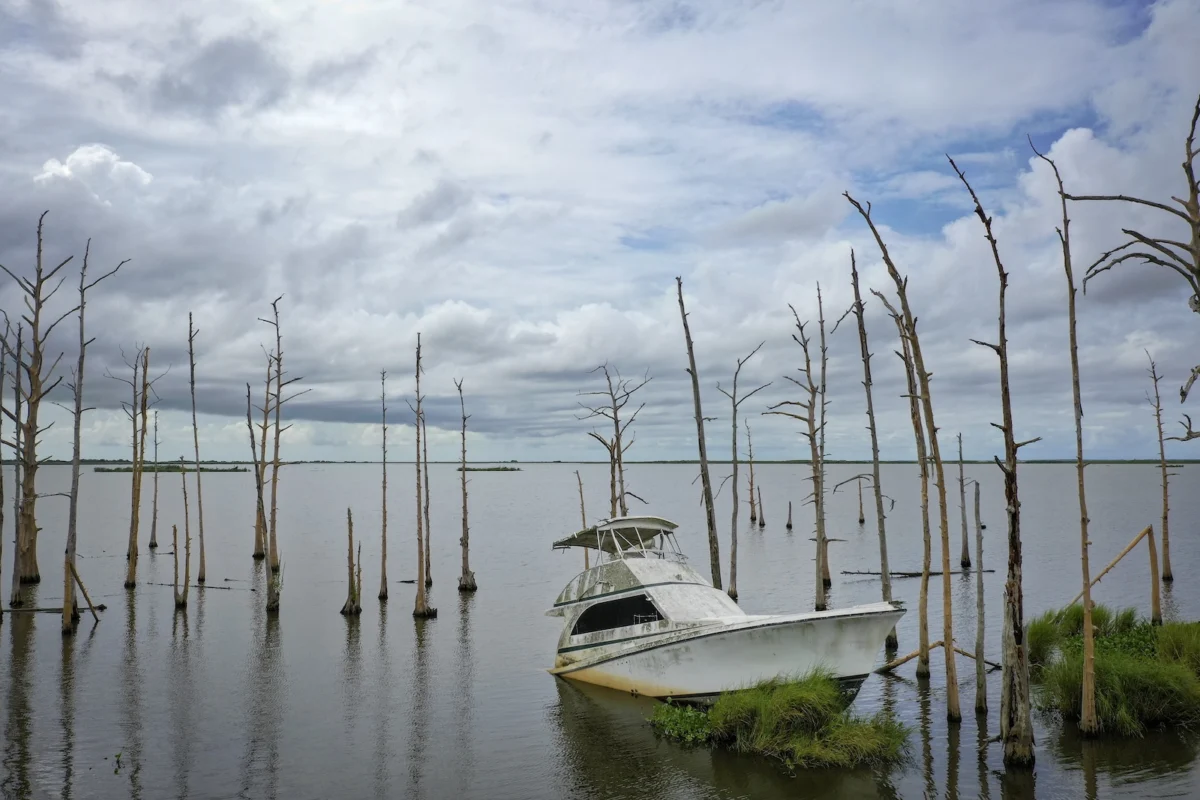
A recent scientific paper published in Nature Sustainability has ignited a firestorm of controversy, touching upon the raw nerves of identity, heritage, and the existential threat posed by a rapidly changing climate. The study posits a stark, unsettling reality: the Mississippi River Delta, and by extension the iconic city of New Orleans, may have already passed a "point of no return" regarding sea level rise. As human-caused global warming accelerates, the authors argue that the city faces a future where it is increasingly surrounded by open water, necessitating a long-term strategy for "managed retreat."
The findings have been met with a mixture of academic concern and fierce local pushback. For many residents, the suggestion that one of America’s most culturally distinct cities should consider relocating is not merely a policy proposal—it is an affront to their history and a dismissal of their resilience.
The Scientific Forecast: A Coastline in Flux
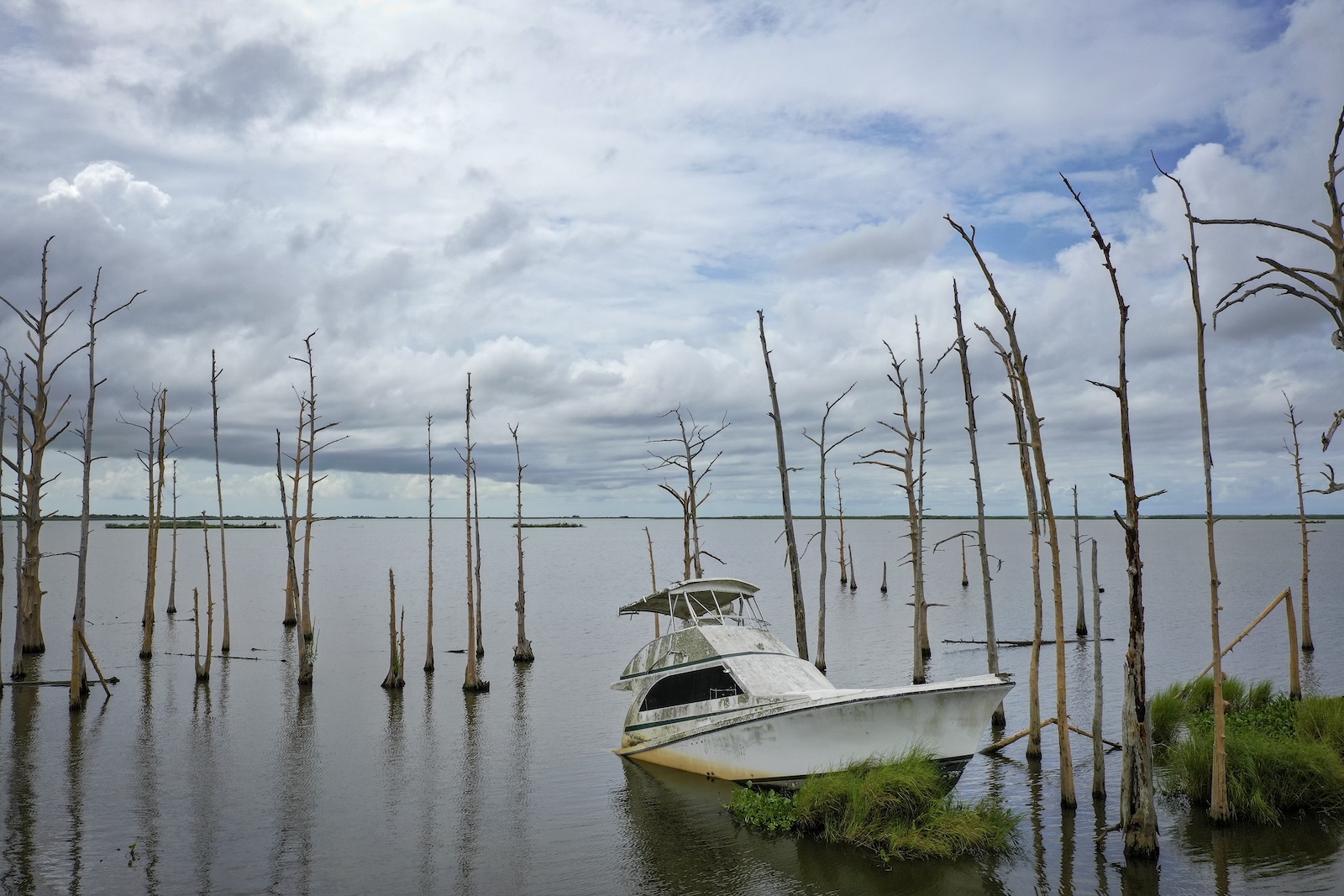
The research, led by a team of climate scientists and geologists, paints a harrowing picture of Louisiana’s geography by the end of the century. The paper estimates that coastal Louisiana could experience between 3 and 7 meters (roughly 10 to 23 feet) of sea level rise. Under these projections, the shoreline is expected to migrate inland by as much as 100 kilometers (62 miles), pushing the Gulf of Mexico’s reach significantly closer to Baton Rouge.
While the authors concede that the precise timeline for these environmental shifts remains fluid, they insist that the window for meaningful preparation is closing. They argue that the region has a matter of decades, not centuries, to plan for a massive, organized migration. The report does not offer a roadmap for how such an evacuation would occur; instead, it serves as a wake-up call, emphasizing that planning for such an immense transition is a multi-generational process that cannot be postponed.
Torbjörn Törnqvist, a co-author of the paper, attempted to temper the apocalyptic tone often associated with such findings. "Eventually, yes, this is not going to be a livable place anymore," Törnqvist admitted. However, he clarified that the study does not predict the total disappearance of New Orleans by 2100. Instead, he envisions a city that looks vastly different—perhaps mirroring the architectural and geographic reality of Venice, Italy, where the urban center exists as an island fortress surrounded by water.
Chronology of a Crisis: From Subsidence to Scientific Alarm
The current debate is the latest chapter in a decades-long struggle between the inhabitants of the Mississippi Delta and the relentless forces of nature.
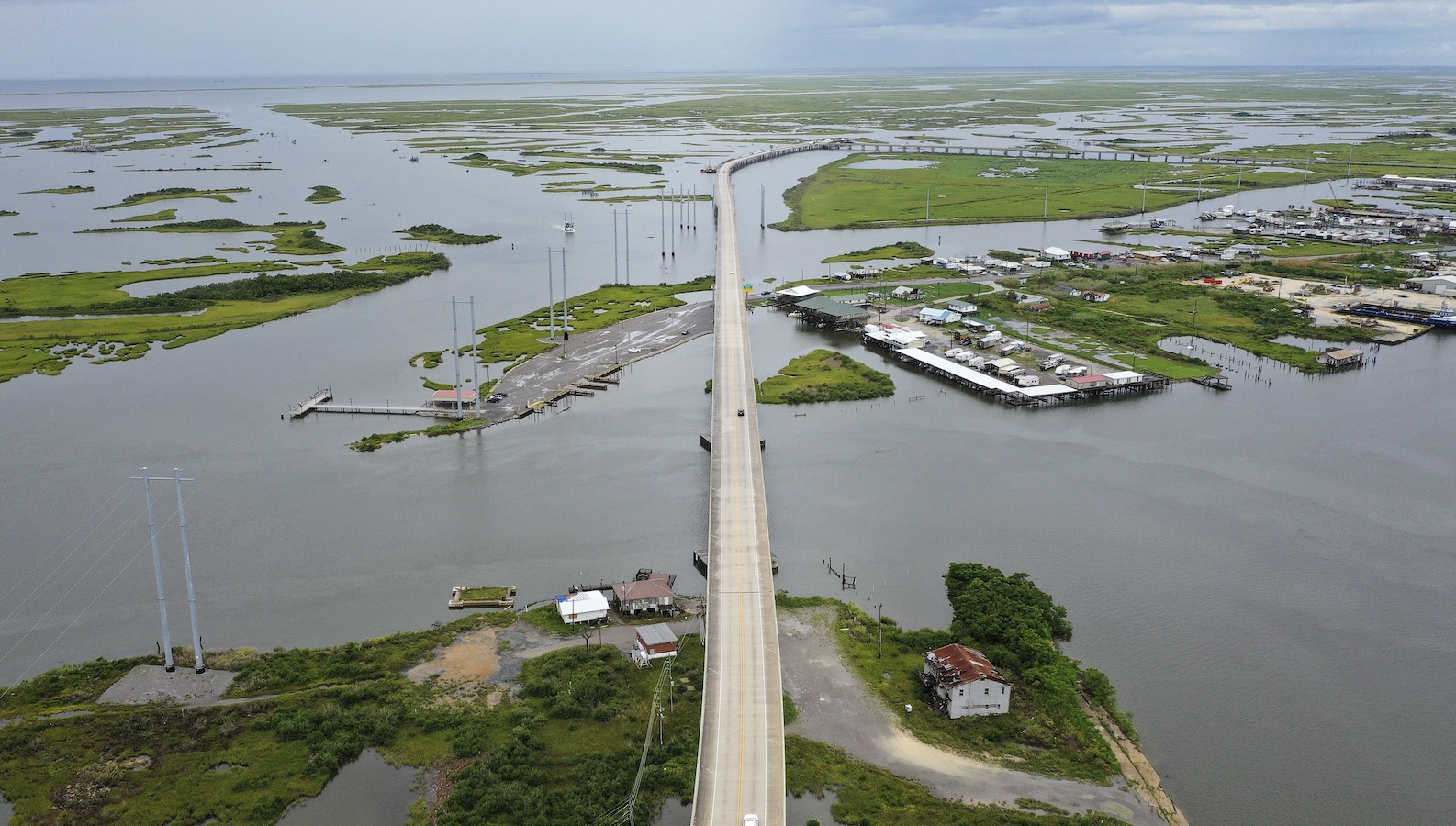
- Mid-20th Century to Present: Coastal Louisiana has suffered from a combination of natural subsidence (the sinking of land) and anthropogenic factors, including the construction of levees and oil and gas infrastructure that disrupted the natural sediment flow of the Mississippi River.
- 2016: The Isle de Jean Charles, a community home to a state-recognized Native American tribe, became a national focal point when it received nearly $50 million in federal funding to relocate. With 98 percent of their ancestral land lost to erosion, they became the first official "climate refugees" in the United States.
- 2022: The relocation of the Isle de Jean Charles tribal members faced significant scrutiny. Many participants later reported that the move was deeply flawed, highlighting the immense social and cultural trauma inherent in uprooting a community, even when the alternative is total submersion.
- May 2026: The publication of the Nature Sustainability paper formally introduces the concept of "managed retreat" for the broader New Orleans metropolitan area, triggering immediate public outrage and a national conversation about the limits of adaptation.
The Cultural Backlash: Identity vs. Infrastructure
The reaction from local residents was swift and scathing. Christopher Ard, an 11th-generation New Orleanian, authored an opinion column in The Lens that captured the sentiment of many who feel their home is being treated as a theoretical data point.
"Please stop saying ‘relocate New Orleans.’ That’s not going to happen," Ard wrote. He argued that the language used by researchers—specifically the term "managed retreat"—is insulting to those who have built their lives in the basin. He suggested that if academics want to discuss the inevitable out-migration, they should use terms like "abandon" or "give up on," noting that the euphemism of "relocating" a city of that size is fundamentally disconnected from the human experience.
For the people of Louisiana, the city is not just a collection of buildings on a map; it is an irreplaceable cultural heritage site. The resistance to the paper’s findings is rooted in the belief that if the experts begin talking about abandonment, it becomes a self-fulfilling prophecy, undermining property values and community investment long before the water actually arrives.
Supporting Data: The Economic and Demographic Reality
While the debate rages, the demographic trends in southern Louisiana are already shifting, albeit for reasons that are not always tied directly to climate change. Census data indicates that the population of the New Orleans area has declined four times in the last five years.
Sociologists like Beth Fussell of Brown University note that the primary driver for this out-migration is the search for economic opportunity. "Young people are leaving to go find jobs and places where they have more opportunities," Fussell explained. This "brain drain" is creating an aging population, leaving fewer resources to maintain the aging infrastructure required to keep the city dry.
Furthermore, the economic backbone of the region—the seafood industry—is facing a crisis of its own. Louisiana is the second-largest producer of seafood in the U.S., trailing only Alaska. New Orleans serves as the primary hub for this industry, which relies on a fragile network of ice houses, fuel docks, and distribution centers.
Jeffrey Plumlee, an assistant professor at Louisiana State University, warned that the destruction of this infrastructure by increasingly frequent and severe hurricanes is forcing a "graying of the fleet." Younger generations are abandoning the fishing profession, viewing it as too risky given the environmental and financial volatility. When the infrastructure is destroyed, it is often not replaced, accelerating the decline of a way of life that has sustained the delta for centuries.
Implications: The Hard Truth of Managed Retreat
The implications of the Nature Sustainability study extend far beyond the borders of Louisiana. It highlights the growing tension between scientific reality and the social necessity of maintaining community stability.
Lawrence Huang, a policy analyst at the Migration Policy Institute, argues that the discomfort surrounding "managed retreat" is precisely why the conversation must happen now. "This is why starting early and planning now matters," Huang said. "Because it takes such a long time to help people find new skills and new occupations."
If a major American city is eventually forced to relocate, the transition would require a massive, federally coordinated effort to "re-skill" an entire workforce. This would involve moving individuals from maritime and delta-based industries into entirely different economic sectors. It is a logistical, financial, and emotional challenge that the United States has never attempted on a municipal scale.
The case of the Isle de Jean Charles serves as a cautionary tale for policymakers. The relocation was not simply about moving houses; it was about moving a culture, a social network, and a collective identity. When the relocation failed to meet the needs of the community, it left a scar that serves as a reminder that "managed retreat" is rarely managed well.
Conclusion: A Conversation We Must Have
Despite the controversy, the consensus among policy experts is that ignoring the data is not a viable strategy. Insurance companies are already reacting to the risk, with many raising premiums or pulling out of the Louisiana market entirely. This "hidden" retreat, driven by market forces, is arguably more chaotic than any government-led plan.
The authors of the Nature Sustainability paper may have ruffled feathers with their terminology, but they have forced a necessary reckoning. Whether New Orleans becomes a "Venice of the West" or faces a more radical transformation, the reality of the rising tide is no longer a fringe theory. The future of the Mississippi River Delta will depend on whether the region can find a way to reconcile the scientific projections with the deeply held, and very human, desire to stay home. As the climate continues to change, the conversation in New Orleans is no longer just about levees and pumps; it is about the future of human settlement in an increasingly unpredictable world.



 Asep Darmawan