


 Nila Kartika Wati
As the retail landscape evolves, the conversation around public health and food policy has reached a critical juncture in Scotland. With new government regulations targeting products High in Fat, Sugar, and Salt (HFSS) set to take effect this October, the food and beverage industry is bracing for a seismic shift. This legislative move, designed to curb the prevalence of diet-related health issues, is forcing manufacturers and retailers alike to rethink everything from product formulations to the strategic architecture of supermarket aisles.
Main Facts: The New Regulatory Landscape
Scotland’s upcoming regulations represent a targeted intervention in the retail environment. By restricting the promotion and prime shelf placement of HFSS products, the Scottish government aims to influence consumer behavior at the point of purchase.
The core of the policy targets "volume-based" promotions—such as multi-buy offers—and "location-based" placement, which restricts the positioning of less healthy products in high-visibility areas like checkout counters, store entrances, and aisle ends. The objective is clear: by disrupting the "nudge" marketing tactics that have long defined grocery shopping, the government hopes to steer consumers toward healthier alternatives.
For manufacturers, this means that the familiar strategies of "price-driven volume" are becoming increasingly obsolete. The burden of proof is shifting onto the industry to demonstrate that their products meet new nutritional criteria or to face the economic reality of being relegated to less prominent shelves.
Chronology of Intervention
The journey toward these regulations did not happen in a vacuum. It is the culmination of years of escalating public health concerns regarding obesity and metabolic diseases in the United Kingdom.
- Pre-2020: Growing calls from public health advocacy groups for stronger government intervention to curb the marketing of unhealthy foods.
- 2022 (The England Precedent): England implemented similar restrictions, providing a real-world testing ground for the efficacy of location and volume-based marketing bans.
- 2023–2024: The Scottish government conducted comprehensive Business and Regulatory Impact Assessments (BRIA), refining the scope of the regulations and consulting with stakeholders across the food manufacturing and retail sectors.
- October 2025: The designated implementation date for the new Scottish regulations.
This timeline reflects a broader European trend toward "preventative" legislation, where the state intervenes in the commercial environment to mitigate long-term healthcare costs associated with dietary habits.
Supporting Data: Lessons from the English Experience
The efficacy of these measures is best understood by looking at the data emerging from England’s 2022 rollout. Research published in Food Policy (and corroborated by broader market analysis) suggests that the restrictions had a tangible impact.
Studies indicated that the volume of HFSS products sold dropped significantly—by some estimates, as many as 2 million units per day. This reduction was not merely a statistical anomaly; it represented a fundamental change in how retailers managed inventory and how consumers navigated store layouts.
However, the data also reveals a complex economic reality. When high-margin, high-turnover goods (typically sugar-laden snacks and processed foods) are removed from premium shelf space, retailers face immediate pressure on their bottom lines. Manufacturers, meanwhile, are faced with a "reformulation paradox": if they reduce sugar or salt to meet the new standards, they risk altering the very sensory profiles (taste and texture) that drive consumer loyalty.
Official Responses and Industry Sentiment
The reaction from the food industry has been characterized by a blend of cautious compliance and vocal concern. Large-scale manufacturers have publicly acknowledged the necessity of a healthier food supply but are warning of the logistical hurdles involved.
Industry trade bodies have pointed out that rapid reformulation of thousands of SKUs is an expensive and scientifically rigorous process. There are fears that smaller manufacturers, who lack the R&D budgets of global food conglomerates, may be disproportionately harmed by these regulations.
Conversely, public health advocates and medical professionals have lauded the move as a long-overdue step toward addressing the "obesity crisis." They argue that the industry has had ample time to adapt and that the profit margins of snack food companies should not take precedence over the health of the Scottish population.
Implications: The Reformulation Dilemma
The most significant implication of these rules is the acceleration of the "reformulation race." Food scientists are currently under immense pressure to strip out fat, sugar, and salt while maintaining the "craveability" of ultra-processed goods.
The Philosophical Question of Ultra-Processed Foods
Herein lies the central, unresolved tension of the policy: Does reformulation actually make a product "healthy"?
Critics of the current regulatory approach argue that by focusing strictly on nutrient profiling—fat, sugar, and salt—the government may inadvertently encourage the consumption of highly processed foods that have been chemically altered to meet the new definitions. A snack bar with reduced sugar but a laundry list of artificial stabilizers, emulsifiers, and synthetic additives is still an ultra-processed food.
The debate is shifting from "Is this product high in sugar?" to "Is this product truly nutritious?" This philosophical divide suggests that while the Scottish government is succeeding in changing the composition of retail shelves, the long-term impact on human health remains an open question.
Market Dynamics and Consumer Behavior
Retailers are currently testing various strategies to comply with the rules. Some are experimenting with "healthy zones" in stores, while others are focusing on private-label lines that are natively formulated to meet the new standards.
However, the "substitution effect" is the great unknown. If a consumer walks into a store intending to buy a sugary snack and finds it harder to locate or no longer on special offer, what do they buy instead? Do they choose fresh produce, or do they pivot to a different, equally processed product that currently sits outside the HFSS definition?
The Road Ahead: Evaluation and Evidence
As October approaches, the focus is shifting toward the mechanisms that will be used to evaluate the success of these measures. Policymakers have promised rigorous oversight, but the industry is calling for transparency in how "success" is measured.
Will the metric be a reduction in total caloric intake across the population? Or will it be a shift in the percentage of HFSS products sold relative to total grocery volume?
The research results from Scotland will undoubtedly become a case study for global food policy. If the results show a genuine improvement in health outcomes without stifling the retail sector, we can expect to see similar legislation ripple across other regions. If the results are mixed—showing high compliance costs for manufacturers but minimal changes in actual consumer health—it may spark a rethink of the "nutrient profiling" model itself.
Conclusion: A New Era for the Supermarket Shelf
Scotland is currently at the forefront of a global experiment in food governance. By legislating the physical environment of the grocery store, they are attempting to solve a systemic problem with a systemic solution.
As we look toward the implementation in October, the industry remains in a state of high alert. The pressure to reformulate is real, the financial stakes are high, and the potential for a fundamental shift in the average shopping basket is significant. Yet, as the debate continues, one thing remains clear: the days of "business as usual" for the food industry are numbered. Whether this leads to a healthier society or simply a more sophisticated version of processed food production remains the ultimate test of these regulations.
We await the data with anticipation. The grocery store of the future is being designed today, and it looks significantly different than the one we have known for the last half-century.


 Dwi Wanna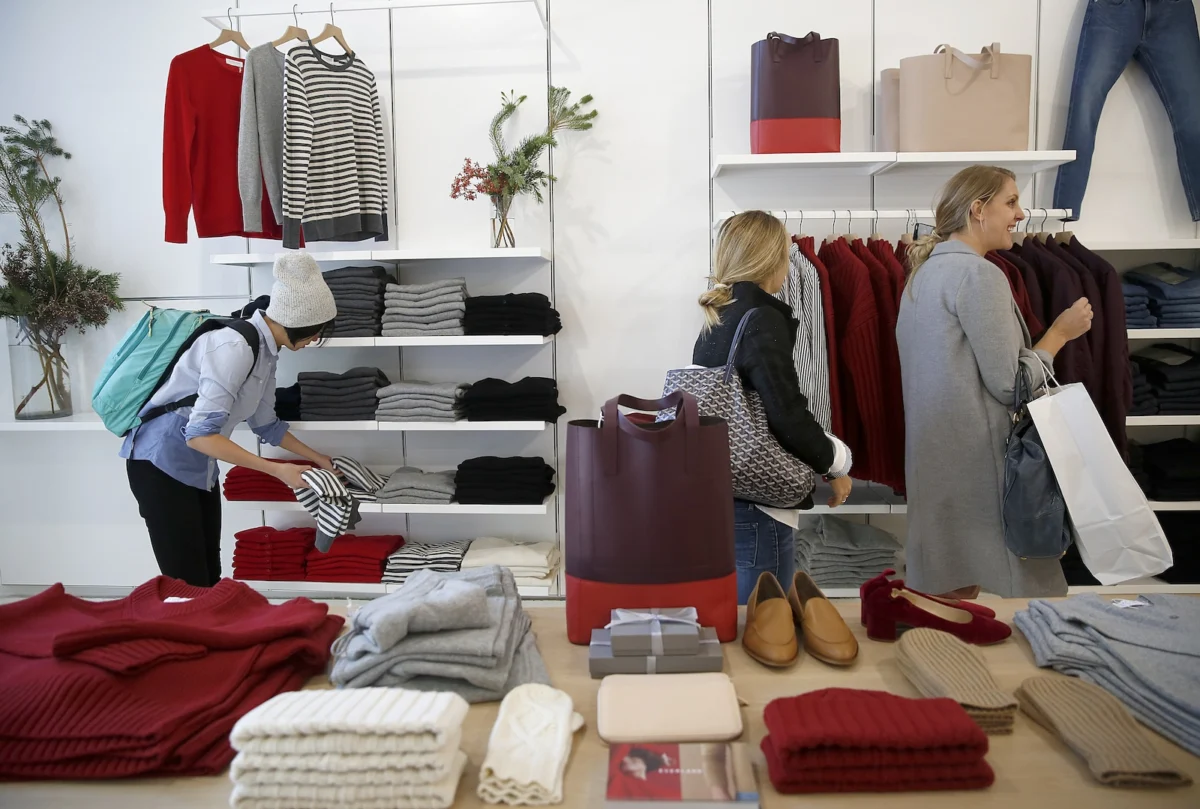
 Asep Darmawan