


 Dwi Wanna

The United Kingdom finds itself trapped in an energy paradox as the year 2026 draws to a close. Despite significant government interventions and a rapid expansion of renewable capacity, households and businesses are bracing for a further surge in energy bills that threatens to reverse recent economic progress. As the nation grapples with the fallout of global geopolitical instability—most notably the conflict in the Hormuz Strait—the domestic debate over whether to accelerate the clean-energy transition or return to a reliance on fossil fuels has reached a fever pitch.
Main Facts: A Crisis Reinvigorated
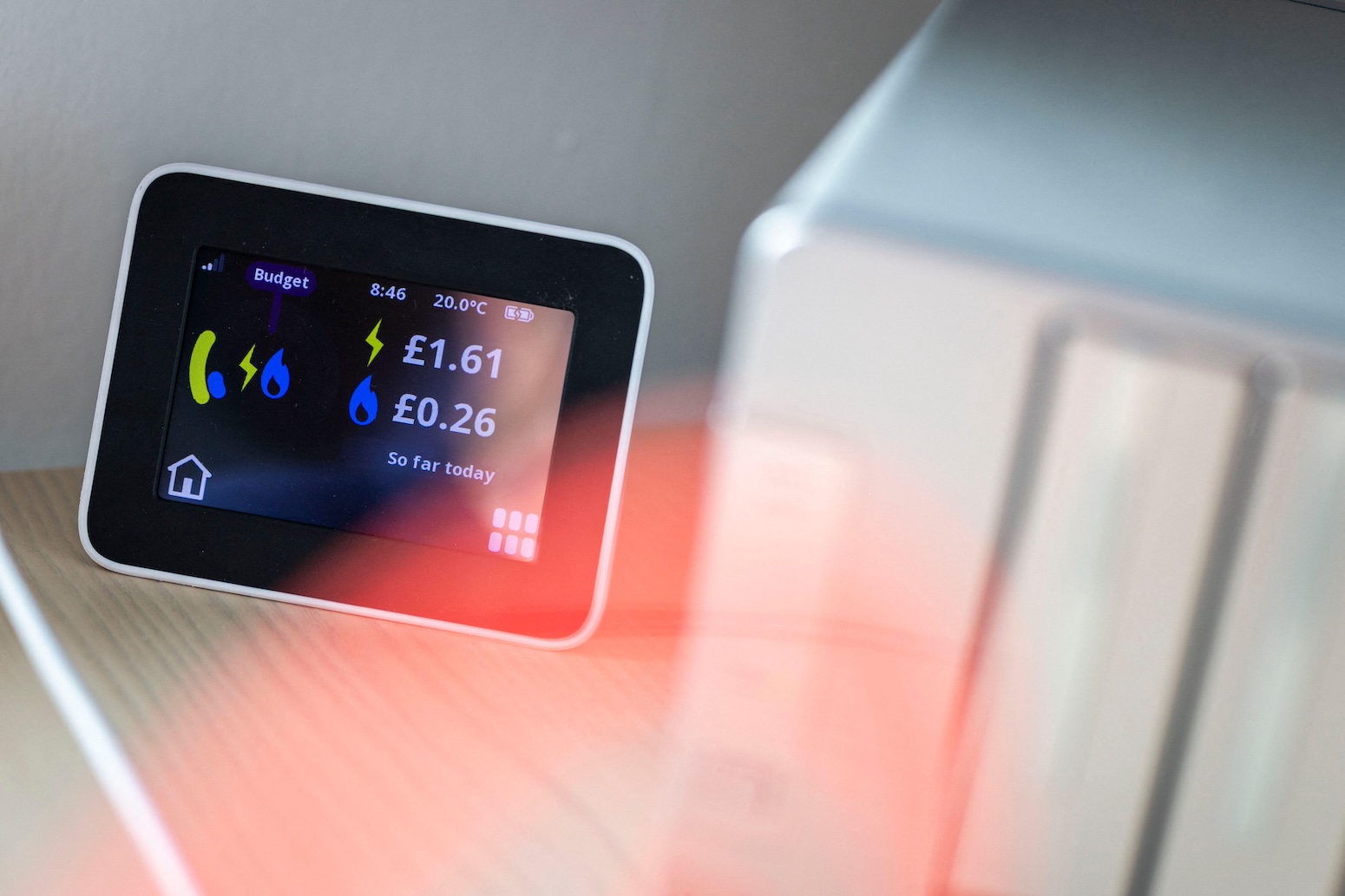
In October 2026, the UK energy price cap hit its highest level in three years, with a typical dual-fuel household facing an annual bill of £1,723. This represents a 47% increase in real terms since October 2020. However, the worst is yet to come: analysts forecast that in January 2027, the price cap will climb by another 25%, pushing annual bills toward the £2,200 threshold.
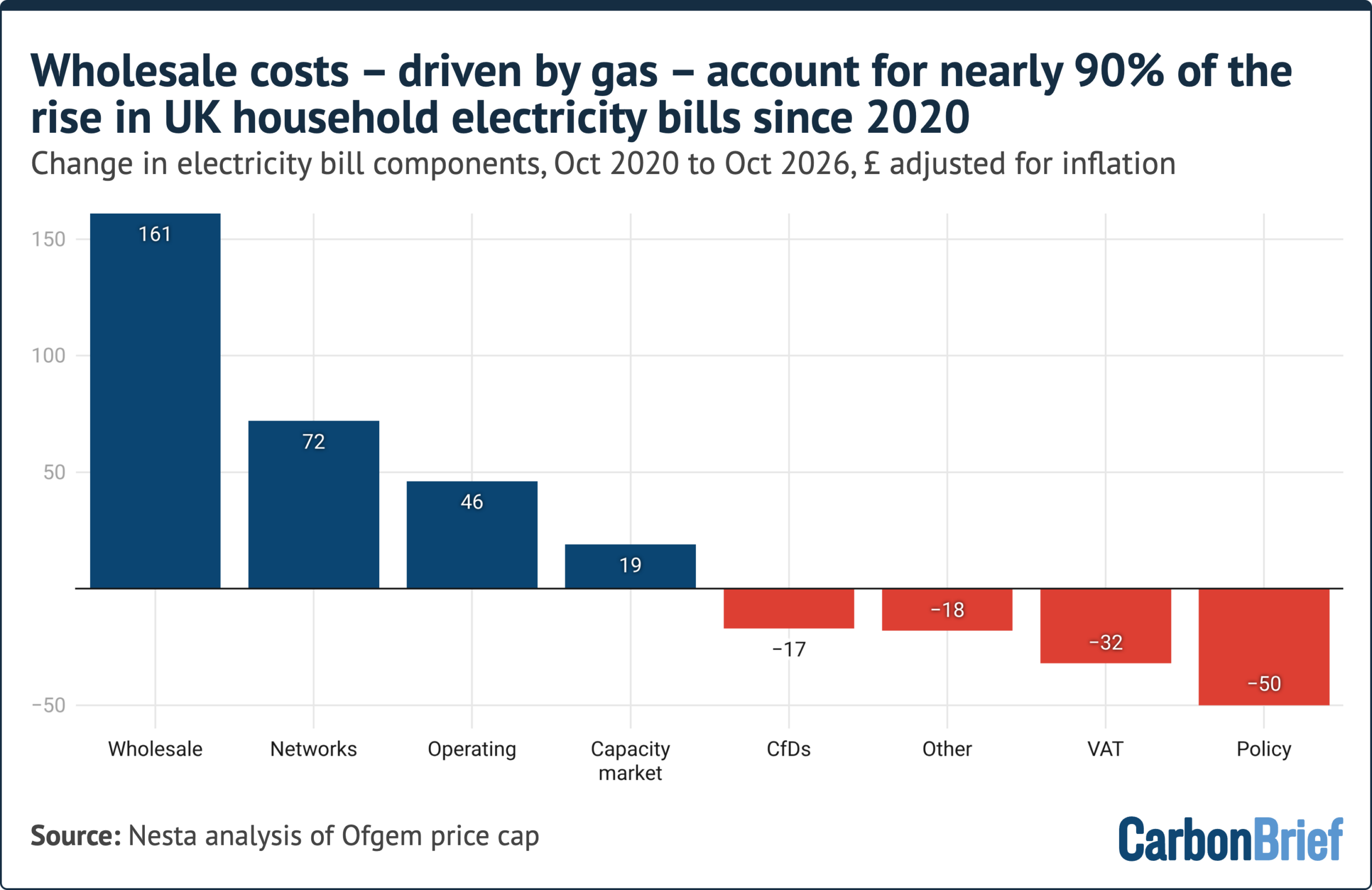
This upward trajectory is fundamentally driven by wholesale costs—specifically the volatile price of natural gas. Despite prevailing narratives in certain media outlets suggesting that "net-zero" policy costs are the primary culprits, data confirms that expensive gas is responsible for over 80% of the rise in electricity bills since 2020. Because the UK’s marginal pricing system links the price of electricity to the cost of the most expensive fuel source—usually gas—the nation remains critically vulnerable to international market shocks.
Chronology of the Crisis
The current turmoil is best understood through the lens of recent history:
- 2020-2022: The initial post-pandemic recovery and the Russian invasion of Ukraine sent global gas markets into a tailspin. The UK government responded by committing over £60bn to support consumers.
- 2024: The Labour government took office, campaigning on a manifesto promise to reduce annual energy bills by £300 by 2030.
- 2025: The government moved to reduce policy-related levies on electricity bills and initiated a massive £29bn investment into national grid infrastructure.
- Late 2026: The onset of the Iran war created a new supply-side shock, driving gas prices up once again and undoing the marginal relief provided by previous policy adjustments.
- January 2027 (Forecast): A projected 25% hike in the energy price cap is expected to put further strain on household budgets, necessitating urgent government deliberation ahead of the spring budget.
Supporting Data: Dissecting the Bill
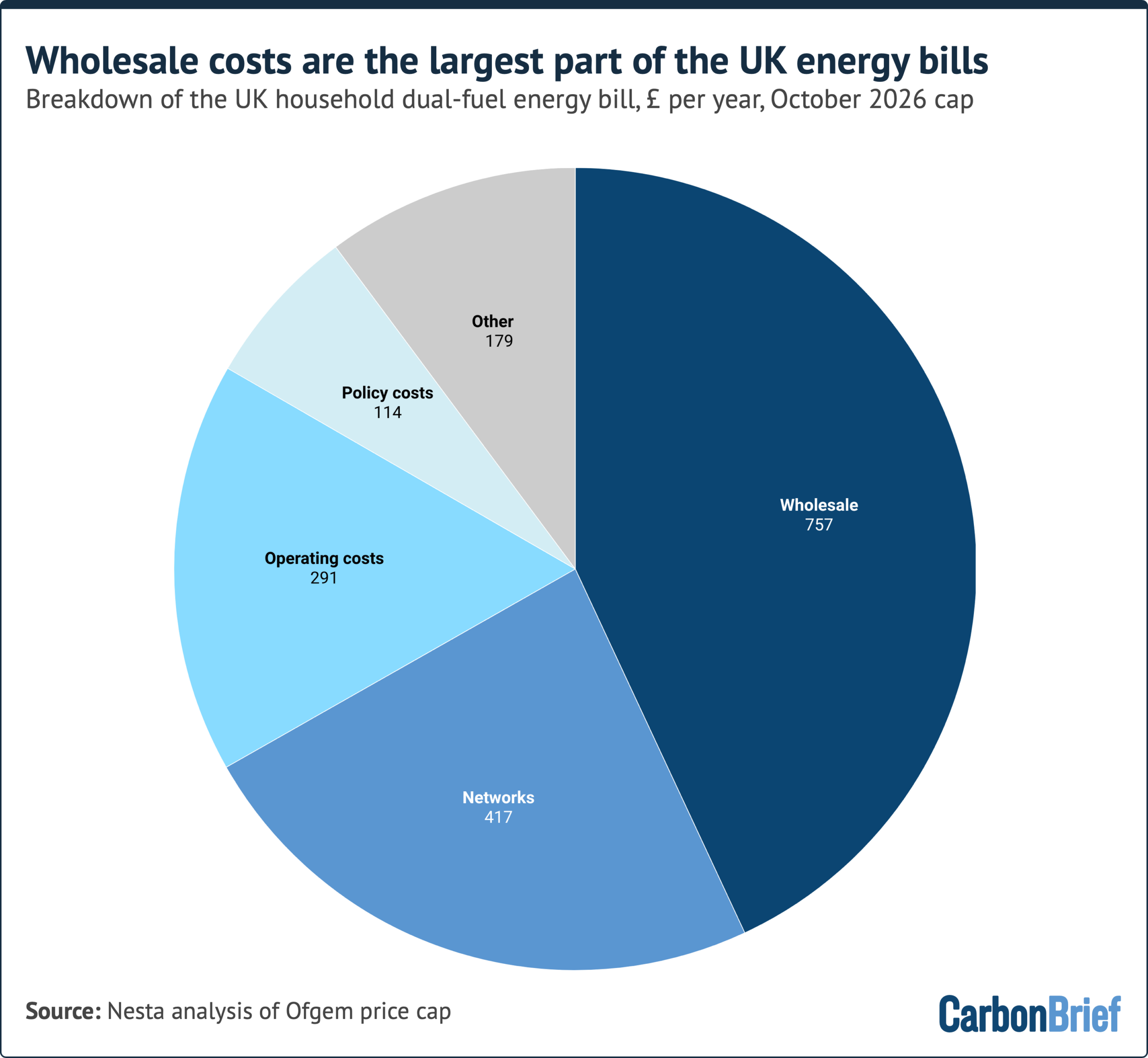
To understand why bills remain stubbornly high, one must look at the composition of the average energy invoice. According to analysis by Carbon Brief and Nesta, wholesale costs account for 44% of the current price cap. Network charges (the cost of building and maintaining the grid) make up 24%, while operating costs represent 17%. Policy costs—often the subject of intense political debate—account for only 7% of the total bill.
The Network Investment Dilemma
A point of frequent confusion is the rising cost of network charges. While some critics argue these hikes are solely due to connecting dispersed wind farms, the reality is more structural. Ofgem has identified that roughly 60% of the projected £108-per-household rise in network charges through 2030 is due to "business-as-usual" maintenance of ageing, neglected infrastructure. Only a small fraction is directly attributable to expanding the electricity transmission grid for renewables.
Industry experts, including those from RenewableUK, argue that failing to invest in this grid upgrade now would be catastrophic. The "connect and manage" policies of the 2010s deferred necessary upgrades, forcing the country to pay significant "constraint costs"—where wind farms must be turned off because the grid cannot handle the power, forcing the system to switch on expensive gas plants instead.
Official Responses and Political Friction
The political landscape is sharply divided. The government maintains that the path forward lies in energy sovereignty through renewables, arguing that "every wind turbine we build is gas we don’t need to buy." Prime Minister Andy Burnham has already taken steps to mitigate the pain, such as the temporary removal of VAT on electricity, which saved households roughly £45 over a six-month period.
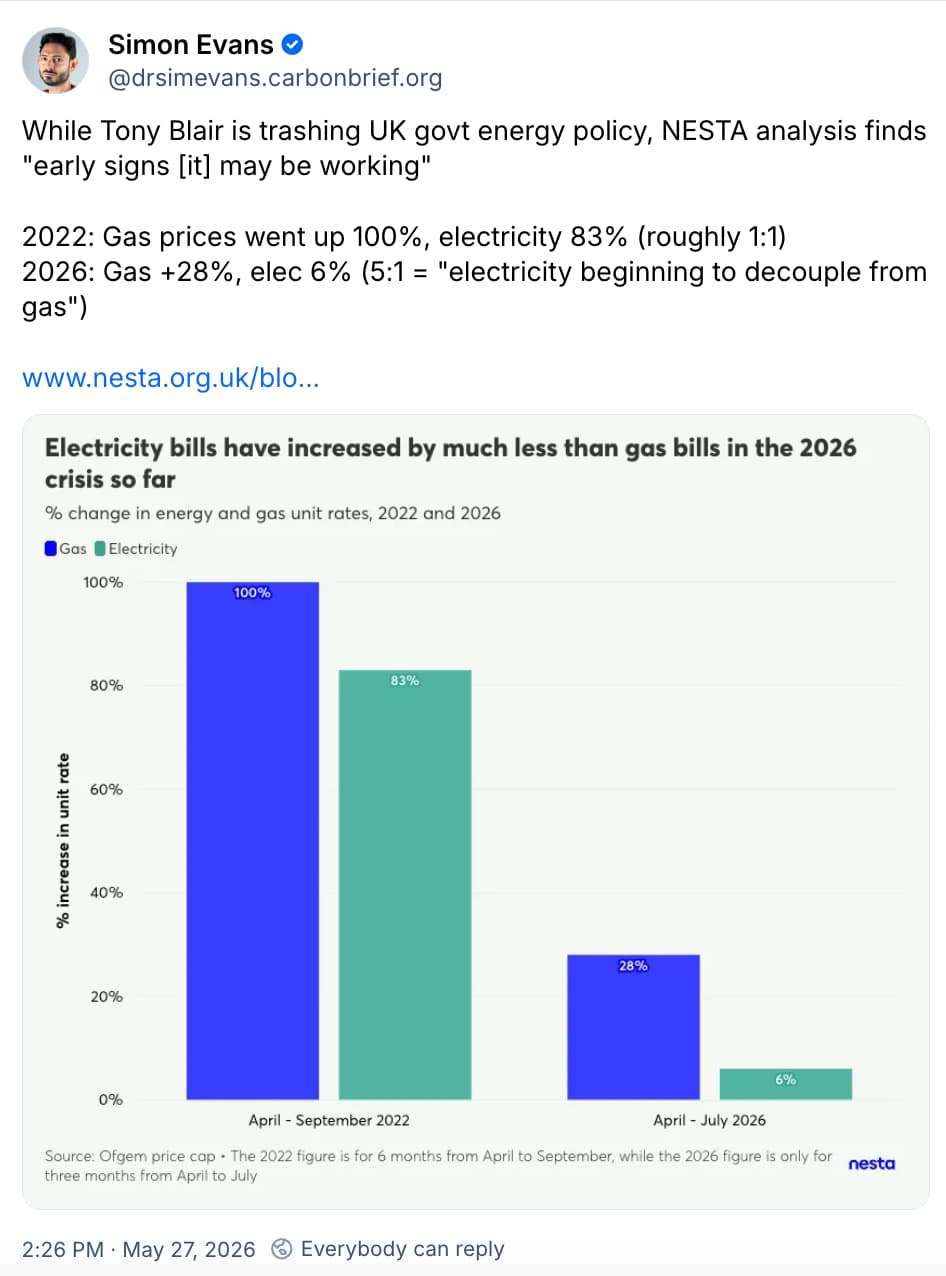
However, opposition parties and some think tanks have lobbied for a "reset." The Conservative party, citing reports from groups like Onward, has suggested that the government’s 2030 clean power target is too ambitious and should be slowed down to reduce costs. Critics of this view, such as RWE UK’s Tom Glover, argue that such reports rely on "optimistic inputs" regarding the future price of gas and nuclear power, essentially presenting a convenient scenario rather than a realistic energy plan.
Implications for the Future: Electrification as a Solution
Despite the political noise, there is a growing consensus among economists and industry leaders that the only durable solution to high bills is the systemic electrification of the UK economy.
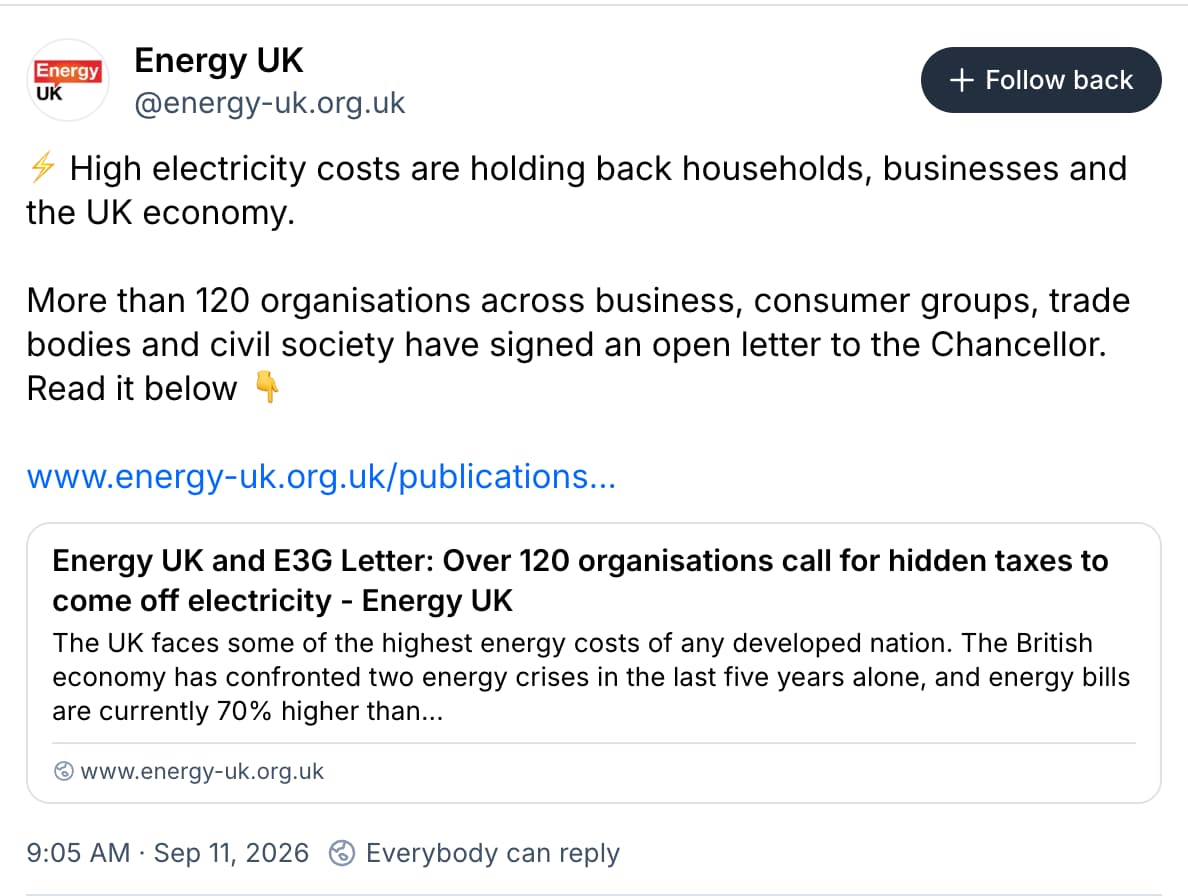
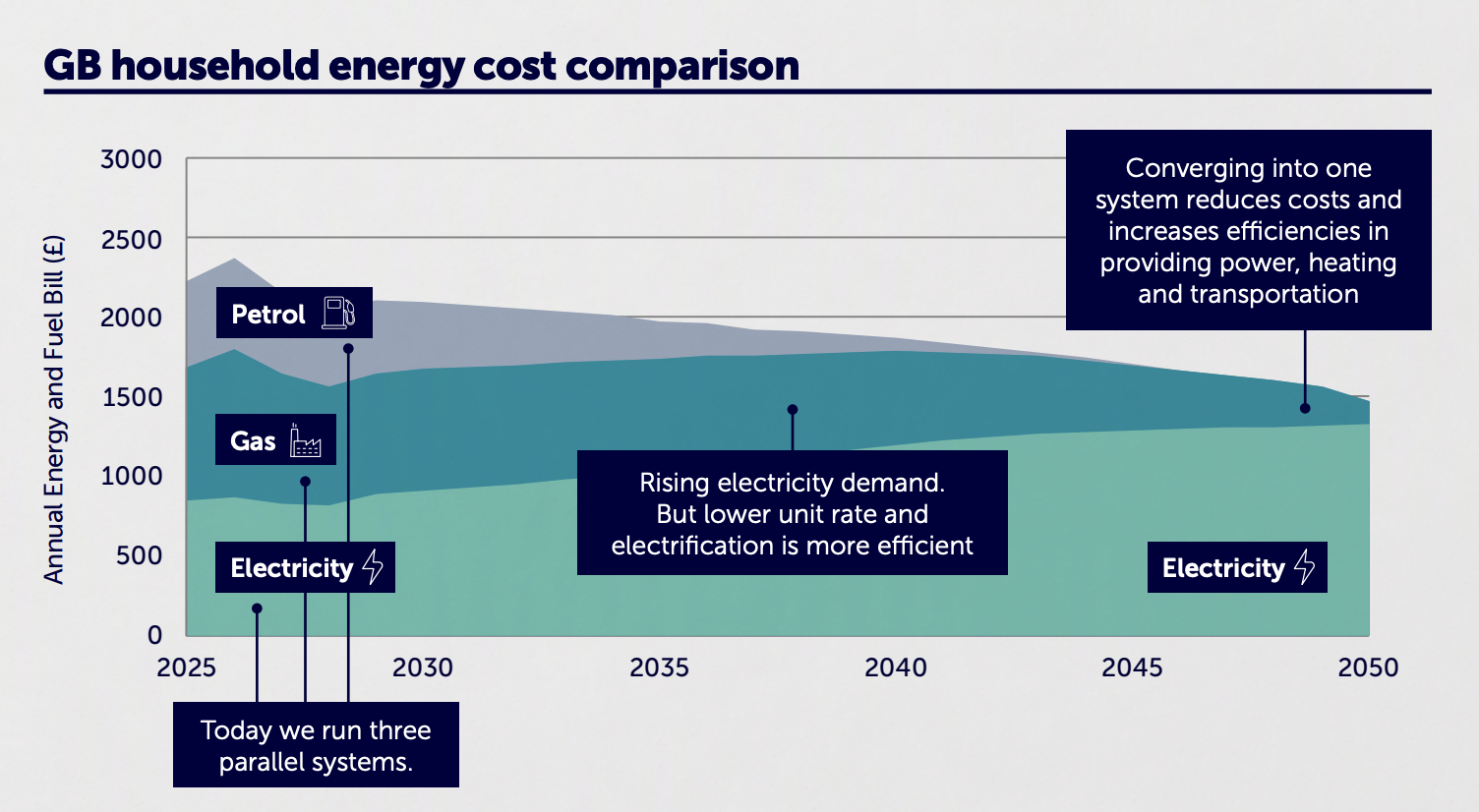
Currently, households pay for three separate, inefficient energy systems: gas for heating, electricity for appliances, and petrol/diesel for transport. By consolidating these into a single, electricity-based system, the UK can spread fixed network costs across a much larger base of demand.
The Efficiency Argument
The efficiency of electric technologies is vastly superior to that of fossil-fuel combustion. For instance, electric vehicles (EVs) are currently nine times cheaper to run than their petrol counterparts. Heat pumps, while requiring higher upfront capital, offer a pathway to drastically lower operating costs for households.
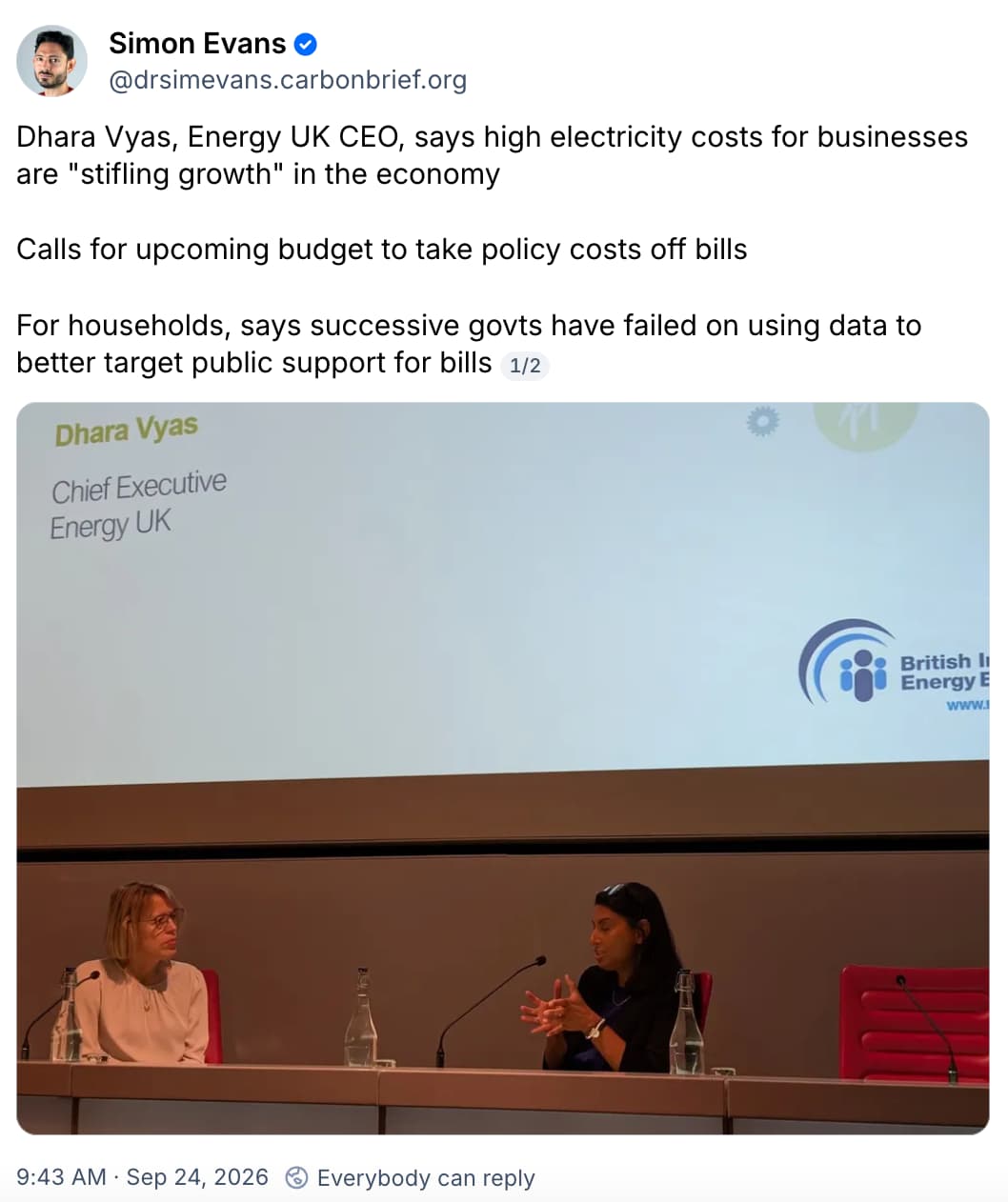
The Climate Change Committee (CCC) has repeatedly stated that faster electrification would put money back into people’s pockets. The government’s £13bn "warm homes plan" is designed to facilitate this shift, targeting a reduction of up to £600 per year for households that embrace energy efficiency and clean technology.
The Path Forward: Avoiding Past Mistakes
The UK stands at a crossroads. The temptation to "cut the green crap"—a strategy employed by previous administrations in 2015—is once again surfacing in political discourse. However, historical analysis shows that such cuts were self-defeating, ultimately adding £22bn to consumer bills by ensuring the UK remained tethered to volatile international fossil-fuel markets.
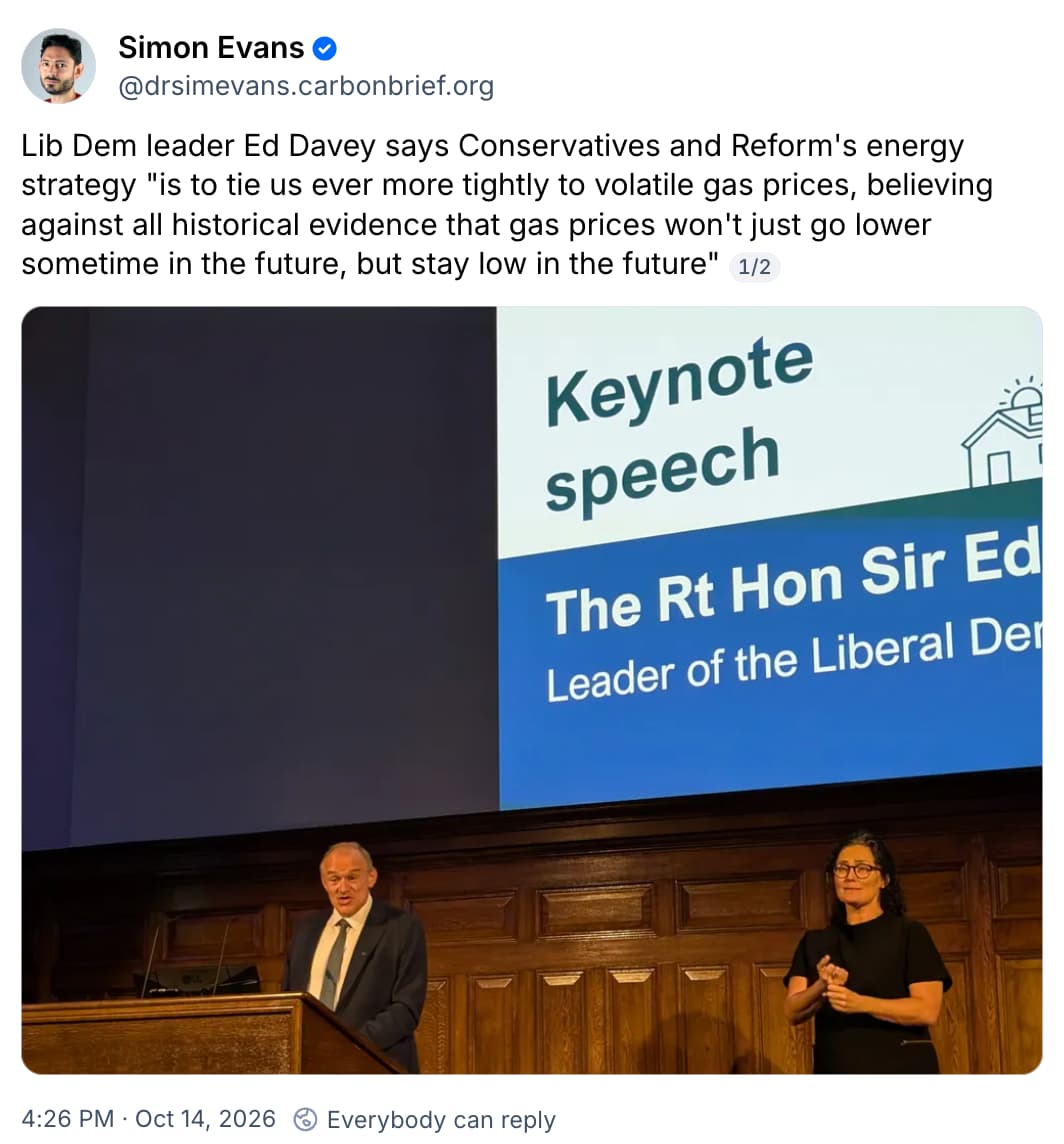
Energy Secretary Miatta Fahnbulleh has remained firm, noting that while the 2030 clean power target is challenging, it represents an essential move toward independence. "We all know that one of the reasons we are seeing rising prices is because we are uniquely exposed to global fossil-fuel markets," she noted at a recent industry conference.
As the government prepares its next set of fiscal measures, the focus appears to be shifting toward:
- Rebalancing Bills: Moving legacy policy costs and "bad debt" charges from electricity bills into general taxation to lower the "spark gap" (the price difference between gas and electricity).
- Strategic Flexibility: Investing in storage and system flexibility to maximize the utility of renewable generation and reduce the need for expensive gas peaker plants.
- Targeted Support: Implementing social tariffs for the most vulnerable to prevent a "cliff edge" in energy poverty, while ensuring the broader economy remains incentivized to transition.
Ultimately, the UK’s energy crisis is a byproduct of decades of reliance on a fuel source that it cannot control. While the transition to a clean, electrified system involves significant upfront investment, the cost of inaction—continued exposure to the "fossil-fuel rollercoaster"—is increasingly viewed as the more expensive and dangerous path. The question for the coming year is not whether the UK can afford to transition, but whether it can afford to wait.


 Azzam Bilal Chamdy

 Siti Muinah