
 Pevita Pearce
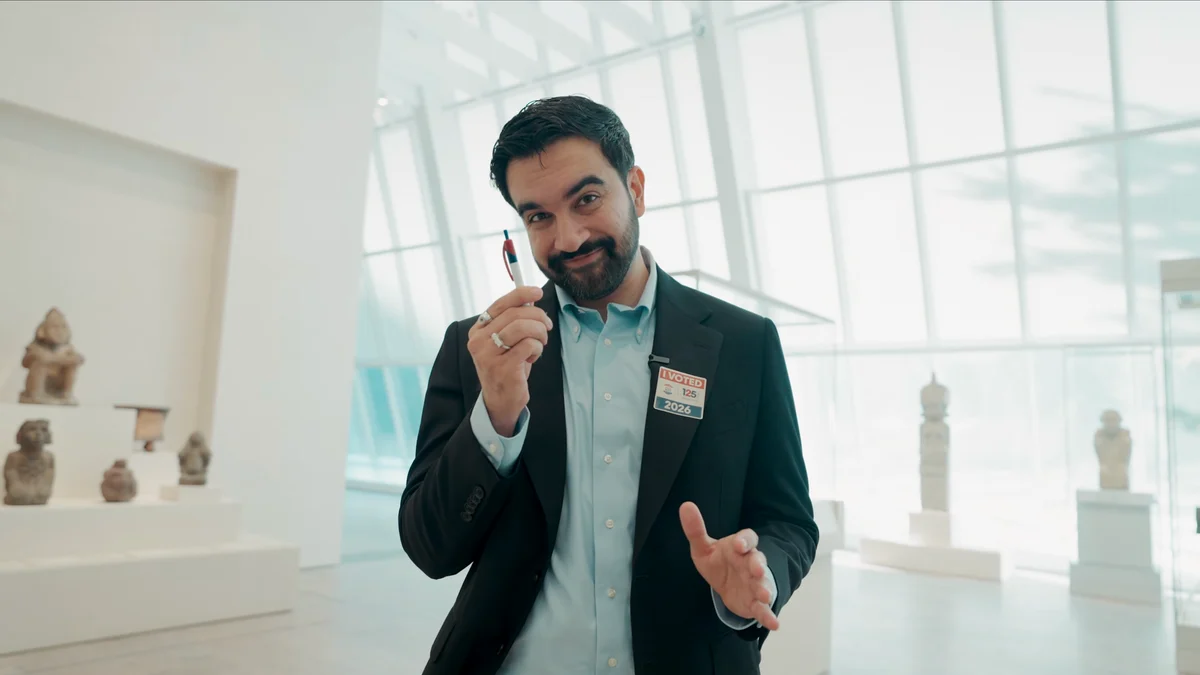
As October draws to a close, the air in New York City is thick with a familiar, seasonal duality. The transition from the revelry of Halloween and the profound reflection of Día de Muertos serves as a poignant backdrop for a city increasingly focused on the looming electoral deadlines of early November. This week, the intersection of art, politics, and historical legacy has been particularly vibrant, highlighting how cultural institutions are evolving from passive repositories of history into active participants in the democratic process.
The Intersection of Culture and Civic Engagement
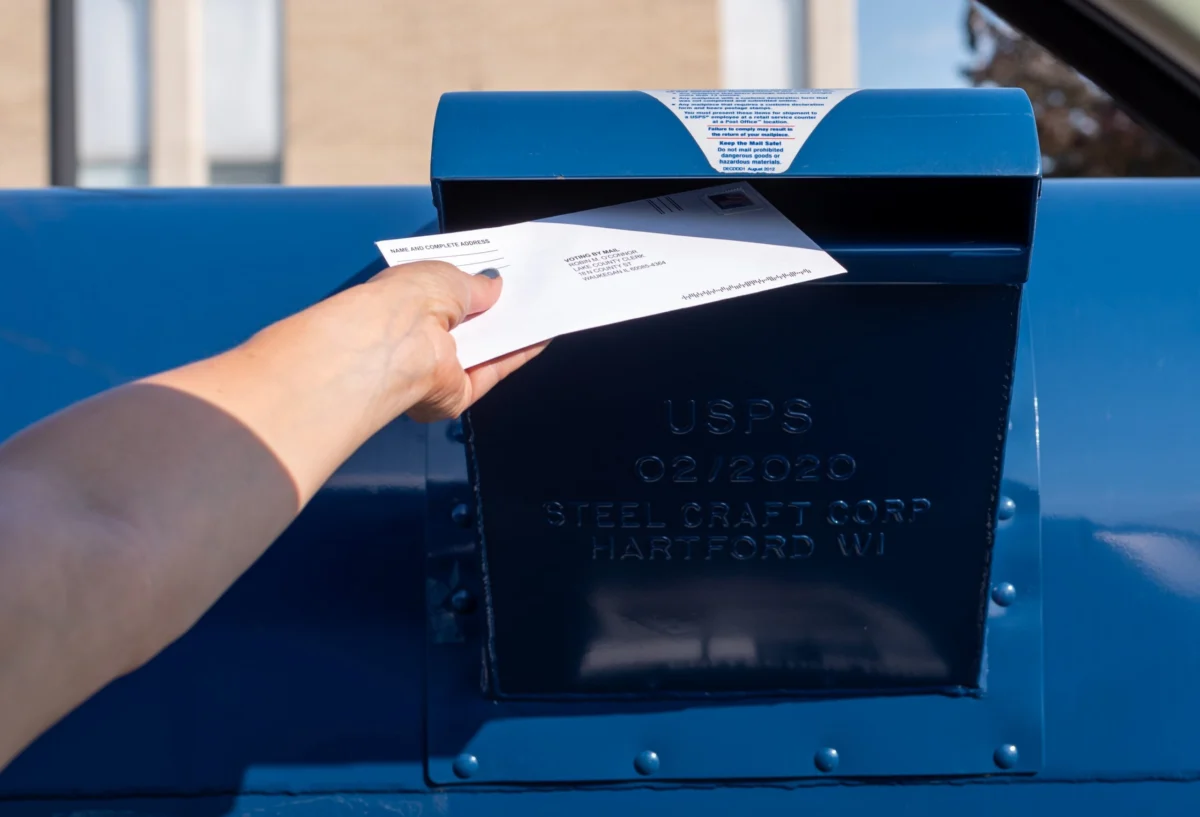
Perhaps the most significant development this week is the transformation of some of New York’s most storied cultural venues into essential civic infrastructure. As the midterm elections approach on November 3, cultural institutions are stepping up to bridge the gap between aesthetic engagement and political responsibility.
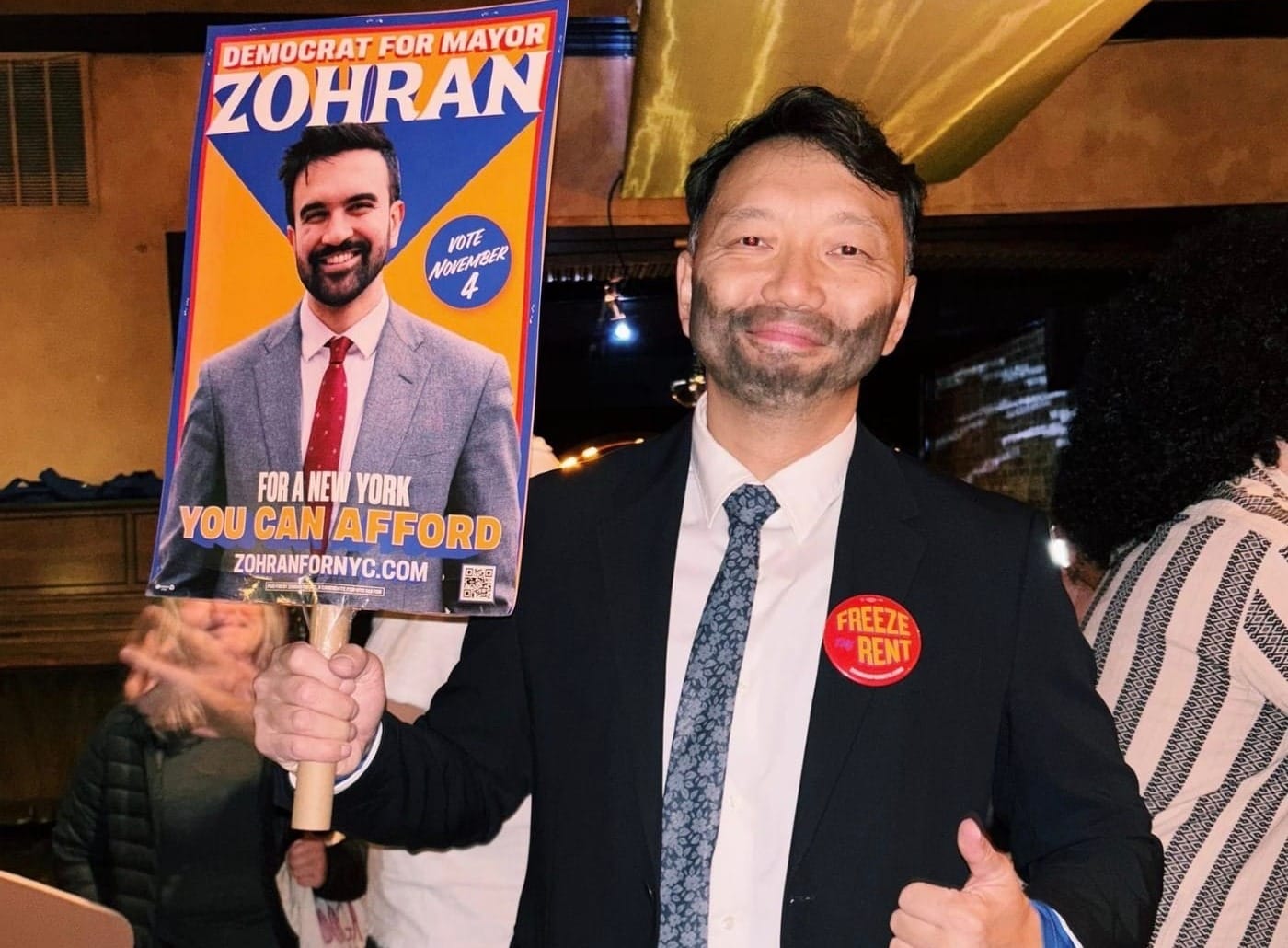
Notably, Mayor Mamdani recently utilized The Metropolitan Museum of Art as a polling site. This is not merely a logistical convenience; it represents a fundamental shift in how we perceive the role of the museum in public life. By hosting polling stations, institutions like The Met are signaling that the preservation of culture is inherently linked to the preservation of democracy. As citizens head to the polls, the act of voting within the hallowed halls of a museum serves as a reminder that the art we protect is a reflection of the society we choose to build.
Chronology of a Busy Week
The cultural calendar in New York is currently in a state of high-intensity activity, characterized by a mix of seasonal celebrations and critical exhibition closings:

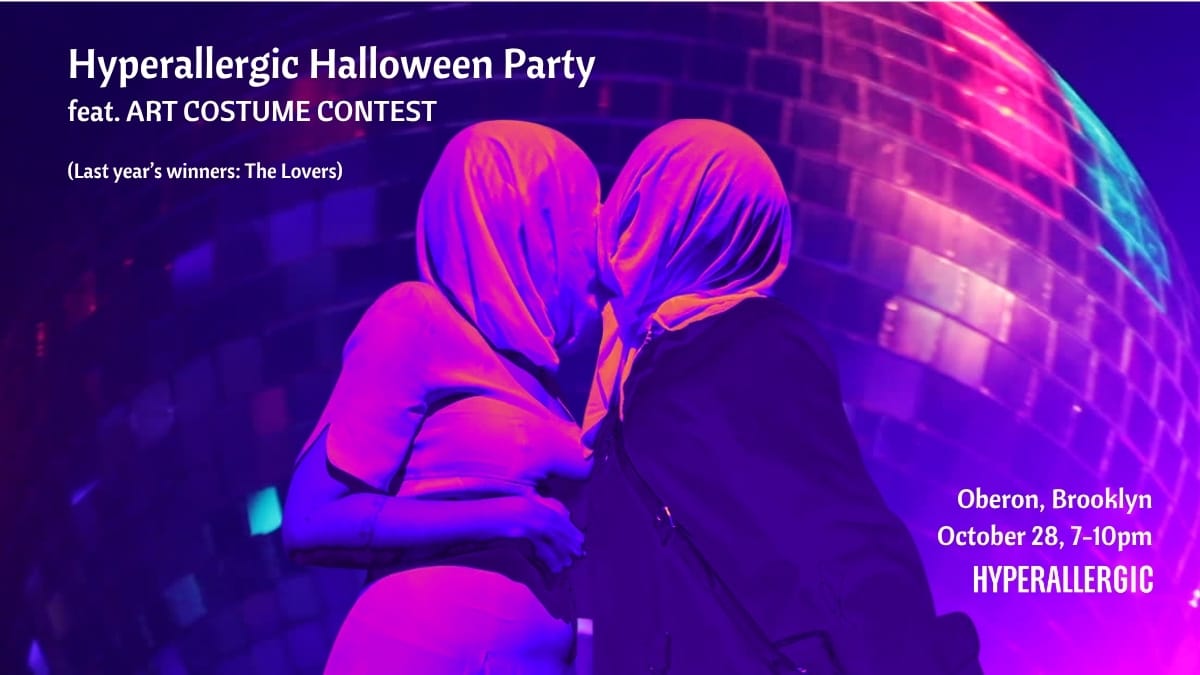
- October 28: Hyperallergic’s annual Halloween soirée brings together the city’s creative community for a night of costume-heavy celebration, underscoring the art world’s penchant for theatricality.
- October 30–November 2: Día de Muertos observances take center stage, anchored by a massive ofrenda at the Flatiron’s North Plaza, created by Powerhouse Arts in collaboration with Mexico-based Mestiz Studio.
- October 31: The official closing window for several high-profile exhibitions, including The Prime of Your Life at the Marc Straus Gallery.
- November 3: The midterm elections serve as the ultimate deadline for both civic participation and the end of the current, frenetic exhibition cycle.
Supporting Data: The "Prime" of the Woman Artist
One of the most thought-provoking exhibitions currently closing its doors is The Prime of Your Life at the Marc Straus Gallery in Tribeca. Featuring 18 women artists, all aged 75 and older, the exhibition serves as a rigorous investigation into the systemic ageism and gender bias embedded within the art market.
Curator and contributor Leah Triplett Harrington notes that the exhibition forces a critical conversation regarding the "prime" of a woman artist. Drawing on Marilyn Minter’s famous observation—that the "art world loves young bad boys and old ladies"—the show challenges the narrative that a woman’s work only achieves true value when she has reached an advanced age. The data, if one looks at auction records and institutional acquisitions, supports this cynical reality: women are frequently sidelined in their youth and only "valorized" by the market once their legacy is safely solidified in their later years. By assembling these artists, the exhibition moves beyond a mere generational statement and asks a deeper question: at what point does the art market stop viewing women as "emerging" or "fringe" and start treating their output with the sustained, lifelong respect afforded to their male counterparts?
Official Perspectives and Critical Reviews
The breadth of current cultural output is mirrored in the critical reception of several major shows. The following highlights provide a window into the current discourse:
On the "Costume Art" Exhibition
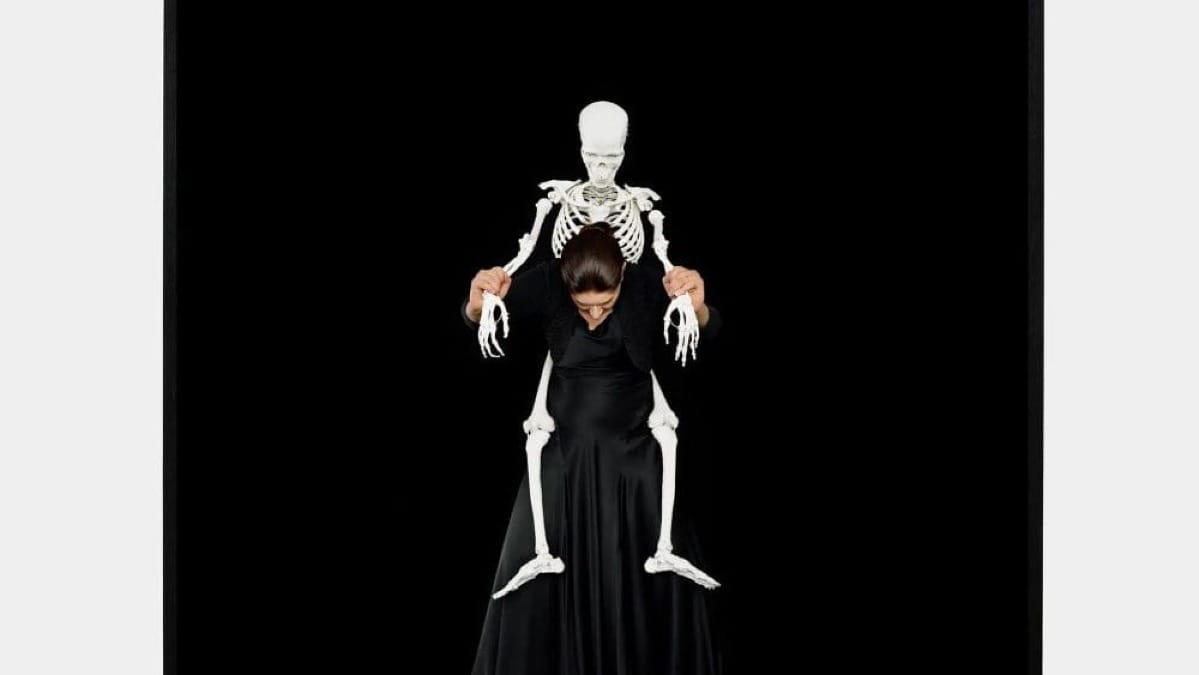
Natalie Haddad’s critique of Costume Art at The Met serves as a cautionary tale for institutional curation. Haddad argues that the exhibition fails both in its theoretical foundation and its practical execution. For an institution of The Met’s stature, the confusion surrounding the exhibition’s premise—what constitutes "costume art" versus historical fashion—is not merely an oversight; it is a fundamental breakdown in the institution’s ability to communicate clearly with its audience.
The "Savdie / Soutine" Dialogue
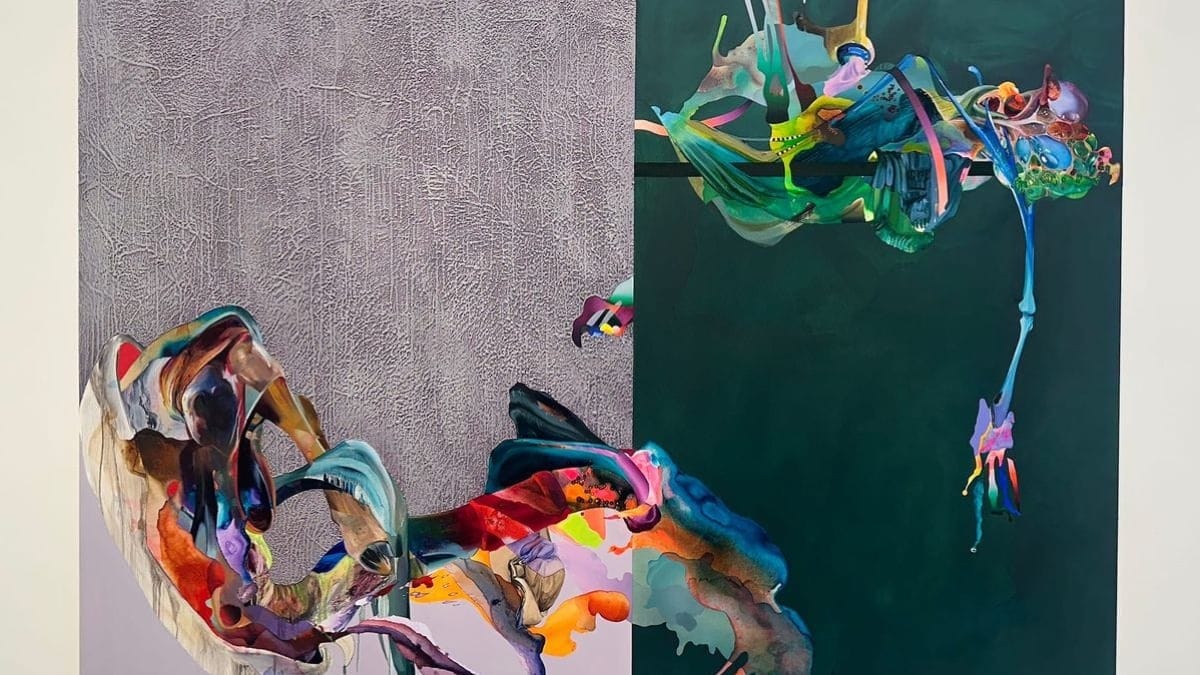
At Norr Cohan, the pairing of Ilana Savdie and Chaïm Soutine offers a visceral exploration of the body and the psyche. Lakshmi Rivera Amin notes that while Soutine uses the carcass as a metaphor for the physical decay of the human condition, Savdie dissects this legacy with a surgical, contemporary precision. The exhibition acts as a bridge between the expressionist angst of the past and the fragmented, estranged reality of the present.
Mediumship and the Occult
Eliza Swann’s review of Conduits of the Unseen: Women Artists Imagine Other Worlds at Andrew Edlin Gallery highlights a shift in how esoteric art is viewed. Rather than dismissing mediumistic work as merely "fringe," the exhibition positions these women artists as social agents who use their practice to challenge patriarchal structures. This is art that serves something beyond the ego—a refreshing departure from the market-driven focus on individual branding.
The Return of the Culture Wars
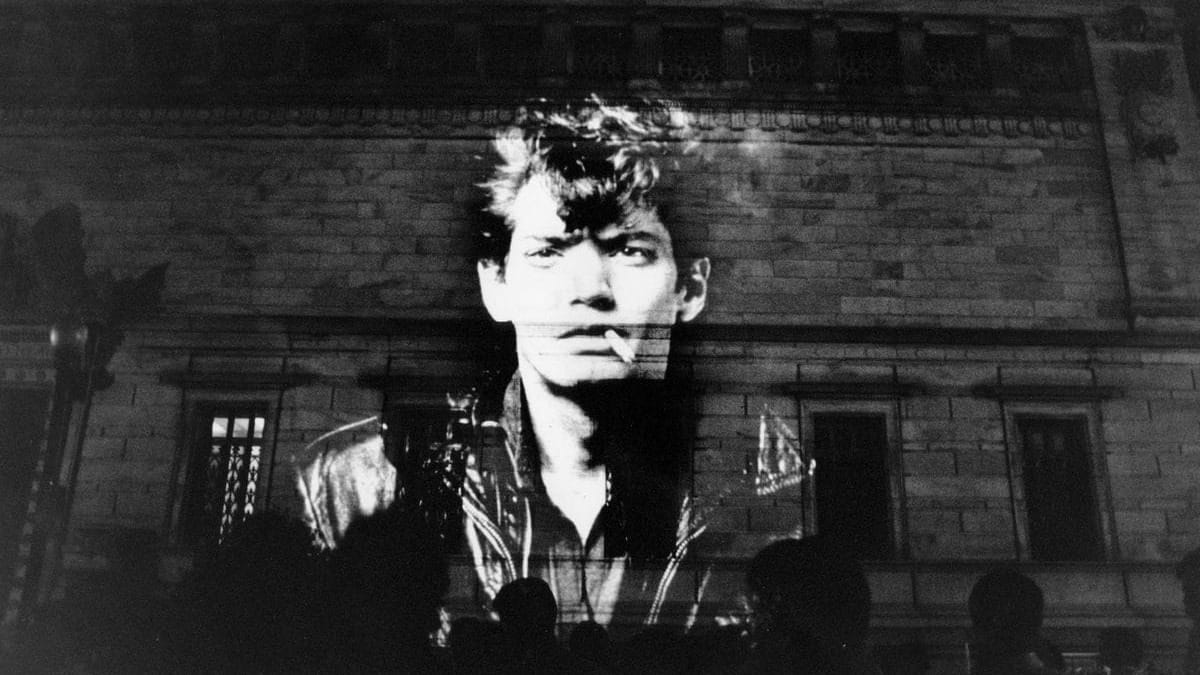
The release of Isaac Butler’s book, The Perfect Moment: God, Sex, Art, and the Birth of America’s Culture Wars, arrives at a particularly volatile time. Through the lens of the Mapplethorpe controversies, Butler chronicles how artists historically organized to protect freedom of expression. As Martha Wilson points out in her review, the book is not just a history lesson; it is a blueprint for the present. We are witnessing a recurrence of these exact tensions, suggesting that the "war on art" is a cyclical feature of American political life rather than a historical anomaly.
Implications for the Future of the Art World
As we look toward the end of the year, several structural implications emerge from these events. First, the movement toward "community-anchored" museums—where institutions double as polling sites or public plazas for ofrendas—is likely to accelerate. Museums are finding that their survival depends on their relevance to the immediate, physical needs of their neighborhoods.
Second, the discourse around the "prime" of a woman artist and the resurgence of the culture wars indicates a period of institutional introspection. The art world is being forced to confront its own participation in systemic inequities, from the undervaluing of older women artists to the erosion of artistic freedom in the face of political pressure.
Finally, the forthcoming biopic JEAN, starring Kid Cudi as Jean-Michel Basquiat, signals a continued fascination with the 1980s New York art scene. While this may be seen as a commercial enterprise, it also highlights the enduring power of Basquiat’s work to speak to new generations. The production of the film serves as a reminder that the artists who defined the cultural landscape of the past are still the primary architects of our current visual vernacular.
As the leaves fall and the midterm ballots are cast, the cultural sector remains in a state of high alert. Whether through the political act of voting at a museum, the reflective act of honoring ancestors, or the critical act of challenging the gendered biases of the market, the New York art community continues to assert its role as a vital, if often troubled, conscience for the city.
Stay tuned for our upcoming coverage of the post-election landscape and the winter exhibition season. And, as always, remember that even in the most intense of times, a little bit of creative expression—and proper dental hygiene—goes a long way.


 Rifan Muazin

 Neng Nana