
 Neng Nana

In a landscape defined by the volatile intersection of digital satire and high-stakes geopolitics, Brazil has once again proven that the ballot box and the internet are inextricably linked. Last night, incumbent President Luiz Inácio Lula da Silva—widely known simply as "Lula"—secured a decisive victory, defeating far-right challenger Flávio Bolsonaro in a high-tension presidential runoff.
This victory is not merely a triumph of policy; it is a cultural phenomenon. As the results were tallied, the Brazilian digital sphere exploded with a deluge of memes that did more than celebrate a political win—they articulated a national catharsis, reclaiming the narrative from years of far-right dominance and asserting a progressive vision for the future.
The Main Facts: A Progressive Return to Power
With approximately 52% of the vote, Lula’s victory secures his second consecutive term and his fourth overall as president. His win represents a critical juncture for Latin America’s largest economy, signaling a rejection of the exclusionary policies that characterized the Bolsonaro era.
Lula, a founding architect of the Workers’ Party (PT), campaigned on a platform of restoration and reform. His key policy pillars include:
- The Eradication of Food Insecurity: Reinvigorating programs that lift families out of poverty and ensure food security.
- Environmental Sovereignty: Committing to the protection of the Amazon rainforest and reversing deforestation trends.
- Indigenous Rights: Strengthening the legal protections and territorial sovereignty of Brazil’s Indigenous communities.
- Economic Equity: Prioritizing labor rights and social safety nets to address the nation’s widening wealth gap.
- Cultural Investment: Revitalizing funding for the arts, which had been severely gutted under the previous administration.
For many, this election was a referendum on democracy itself, especially following the tumultuous exit of the former president, Jair Bolsonaro, who was convicted of criminal conspiracy and sentenced to 27 years in prison last year for his involvement in a failed coup attempt.
Chronology: The Road to the Runoff
The path to this victory was far from certain. The political climate in Brazil has been marked by extreme polarization since the 2022 general elections.
- The 2022 Catalyst: Following Lula’s third-term victory, the country faced unprecedented instability, culminating in the attempted coup that ultimately led to Jair Bolsonaro’s imprisonment.
- Early 2026 – The First Round: The incumbent, Lula, faced an unexpected hurdle in the initial round of elections earlier this month. The results were closer than many pollsters predicted, creating a window of uncertainty that invigorated the far-right base, led by Flávio Bolsonaro.
- The Campaign Interval: The weeks between the first round and the runoff were defined by aggressive rhetoric. The Bolsonaro campaign attempted to frame the election as a battle between traditional values and globalist influence, while Lula focused on the tangible failures of his opponent’s familial political dynasty.
- October 25–26, 2026: Election Day saw massive turnout. By the evening, as the margin widened in Lula’s favor, the digital world began its work. The memes, which began as tentative expressions of hope, evolved into a triumphant celebration of the progressive win.
Supporting Data: The Digital Battleground
Brazil is often cited as a global epicenter of internet culture. The country’s unique blend of irony, national pride, and rapid-fire visual communication has made its meme culture a potent political tool.
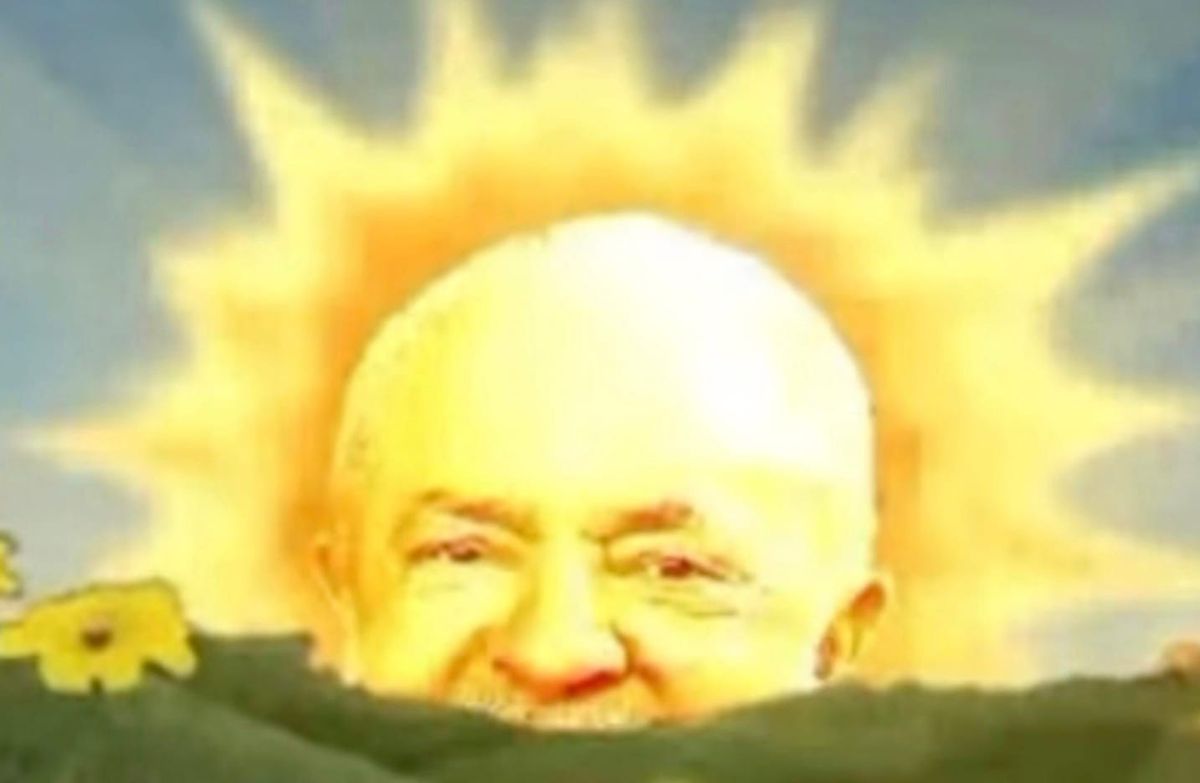
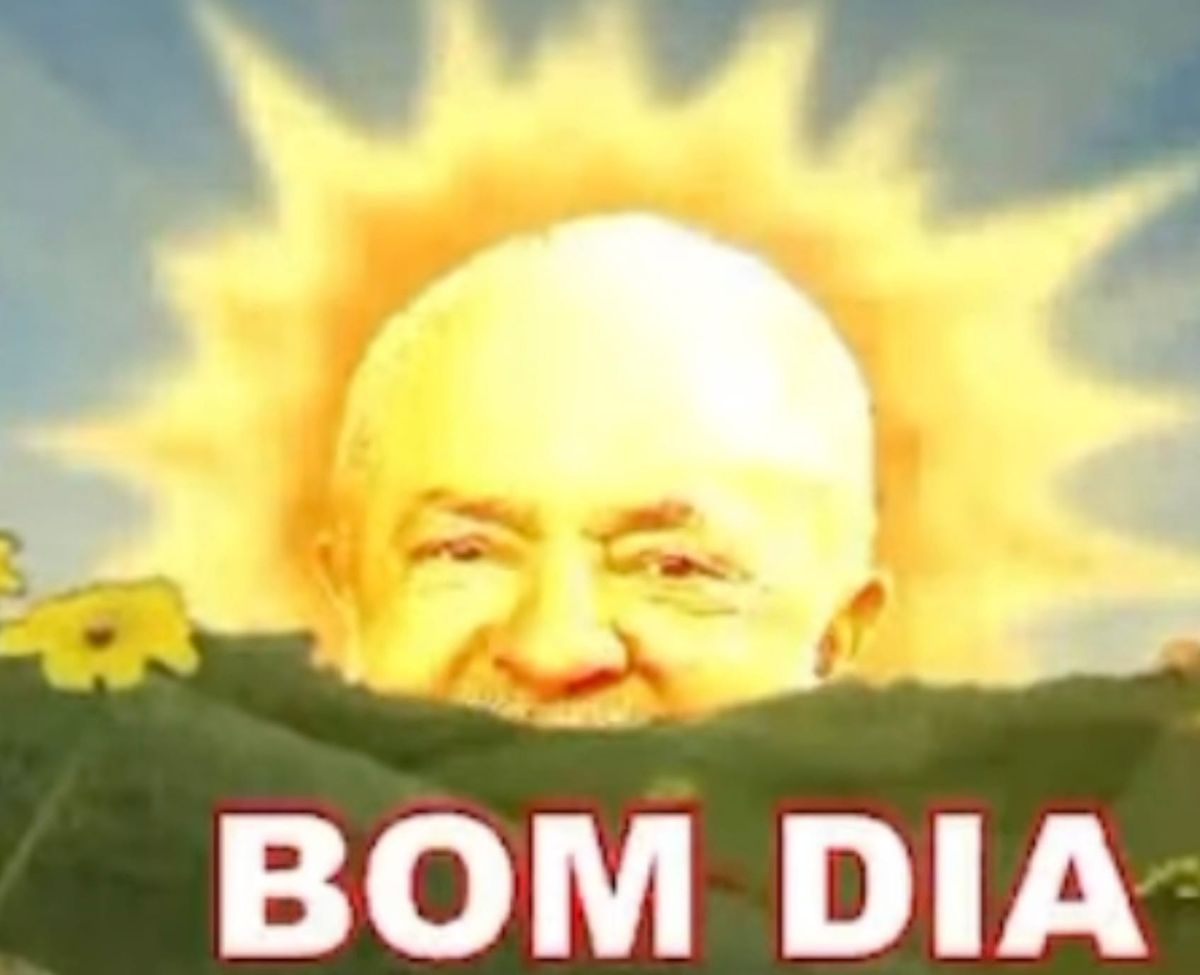
Historians and digital sociologists have long noted that Brazilian meme culture serves as a vital facet of free speech. In this election, the "Lula-fication" of the internet—where the President is reimagined as the baby sun from Teletubbies or depicted in surreal, humorous scenarios—served to humanize the political figurehead while simultaneously mocking the somber, aggressive tone of the opposition.
The opposition’s efforts, led by Flávio Bolsonaro, were countered by a grassroots digital insurgency. One viral image, featuring a mock dialogue between the candidate and a deity, translated to: “Flávio Bolsonaro: ‘God willing, I will be the president of Brazil.’ God: ‘I don’t want it.’” Such content, shared millions of times across Instagram, TikTok, and WhatsApp, effectively dismantled the gravitas the Bolsonaro campaign attempted to manufacture.
Official Responses and International Repercussions
The international community has watched the Brazilian election with bated breath, particularly given the recent escalation in American interventionism.
The relationship between Washington and Brasília hit a nadir recently when the Trump administration imposed a 50% import tariff on Brazilian goods—a move explicitly framed as retaliation for the prosecution of Jair Bolsonaro. This aggressive economic diplomacy backfired, according to political analysts, by stoking a nationalist sentiment among the Brazilian electorate that favored stability and sovereignty over foreign-dictated trade policies.
Flávio Bolsonaro, in a move reminiscent of his father’s past refusals to accept election outcomes, has publicly rejected the results. His camp has signaled intent to challenge the voting process, though international observers and the Brazilian judiciary have thus far found no evidence of systemic irregularities.

Official statements from the Lula camp have been measured, focusing on national unity. "We have won the right to dream again," Lula stated in his victory address. "This is not a victory for a party, but a victory for the Brazilian people who chose democracy over the darkness of the past."
Implications: A New Era for Brazil
The implications of this election extend far beyond the borders of South America.
1. The End of a Populist Dynasty
With Jair Bolsonaro in prison and his son’s defeat, the influence of the Bolsonaro brand is facing an existential crisis. The loss marks a potential turning point where the far-right’s grip on the national psyche may finally be loosening.
2. Environmental and Global Climate Leadership
Lula’s victory is being hailed by climate scientists worldwide. With a mandate to protect the Amazon, Brazil is expected to shift back to a role as a global leader in environmental preservation, a significant departure from the exploitative industrial policies of the recent past.
3. The Power of "Viral" Democracy
This election has demonstrated that digital humor is a legitimate political force. By using memes to satirize authoritarianism, the Brazilian youth and digital-native populations have created a model for how to engage with democratic processes in an age of disinformation. The ability to laugh at a dictator is, perhaps, the most effective tool in dismantling their power.
4. Navigating Global Tensions
Lula now faces the delicate task of balancing Brazil’s economic needs with its political independence. Navigating the hostile trade environment created by the United States will require a nuanced diplomatic strategy. However, with the backing of a decisive popular mandate, his administration enters the term with more leverage than many expected.
Conclusion: The Sun Rises Again
As the memes continue to circulate, the message they convey is clear: Brazil has chosen a path of reconciliation and progressive growth. The "Lula-sun" imagery—a lighthearted, absurd take on a serious political leader—ultimately mirrors the mood of a country that is ready to emerge from a period of intense shadow.
The digital culture that defined this election did not just report on the news; it actively shaped the emotional landscape of the voters. By transforming political discourse into a communal, humorous, and deeply personal experience, the Brazilian public has ensured that this victory feels like something they achieved together.
As the dust settles, the work of governance begins. But for now, the internet remains a space of celebration—a testament to the enduring power of a democracy that can withstand pressure, reject extremism, and laugh in the face of those who seek to undermine it. The era of the Bolsonaro dynasty has reached its effective end, and a new,, more unpredictable, and decidedly more digital chapter for Brazil has begun.

 Azzam Bilal Chamdy
 Jia Lissa