 Suro Senen
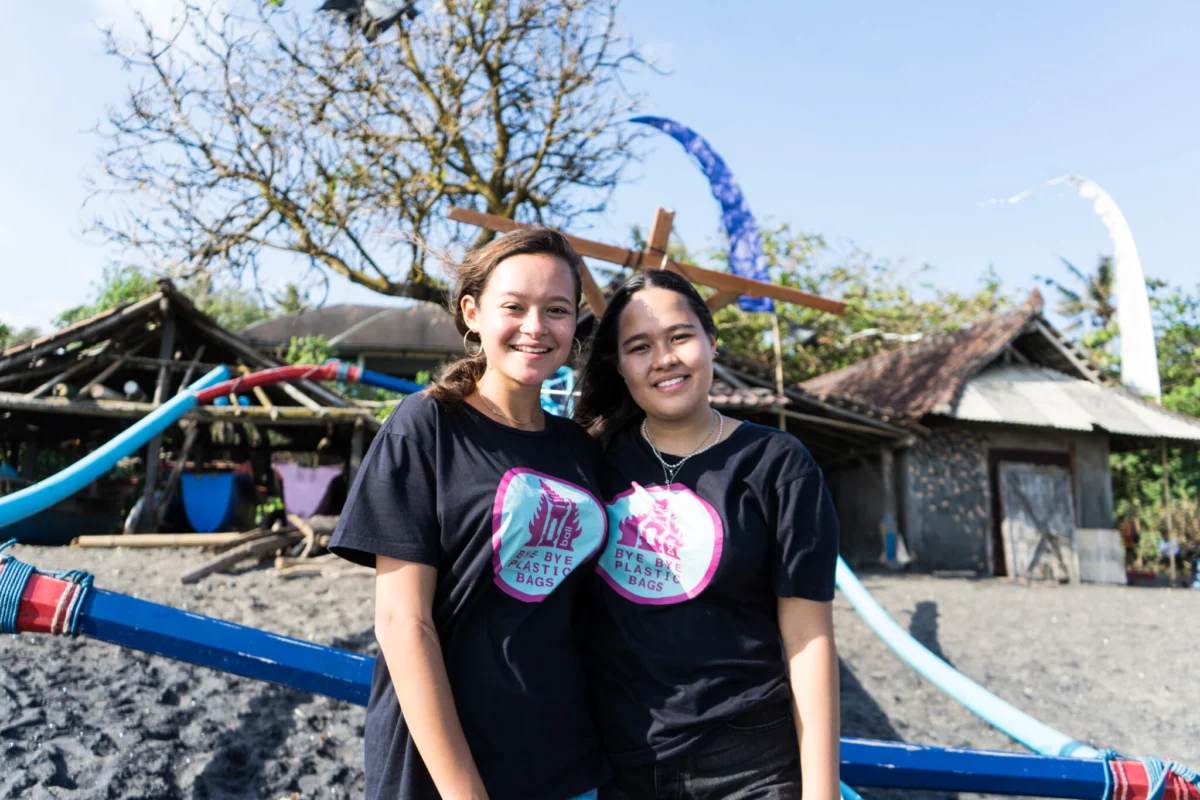
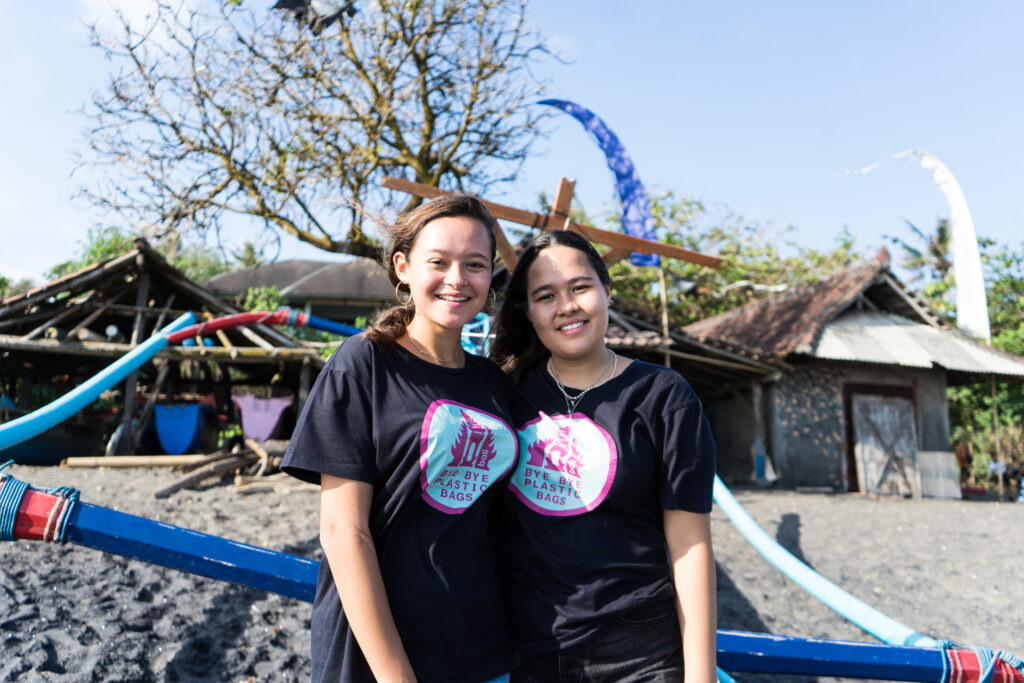
At the age of 12, while most children were navigating the complexities of middle school, Melati Wijsen was busy navigating the political landscape of Bali. Alongside her sister, she launched Bye Bye Plastic Bags, a grassroots movement that successfully pressured the Balinese government to ban single-use plastics. What began as an intimate concern for her island home—watching the pristine beaches she loved succumb to plastic waste—transformed into a global blueprint for youth-led advocacy.
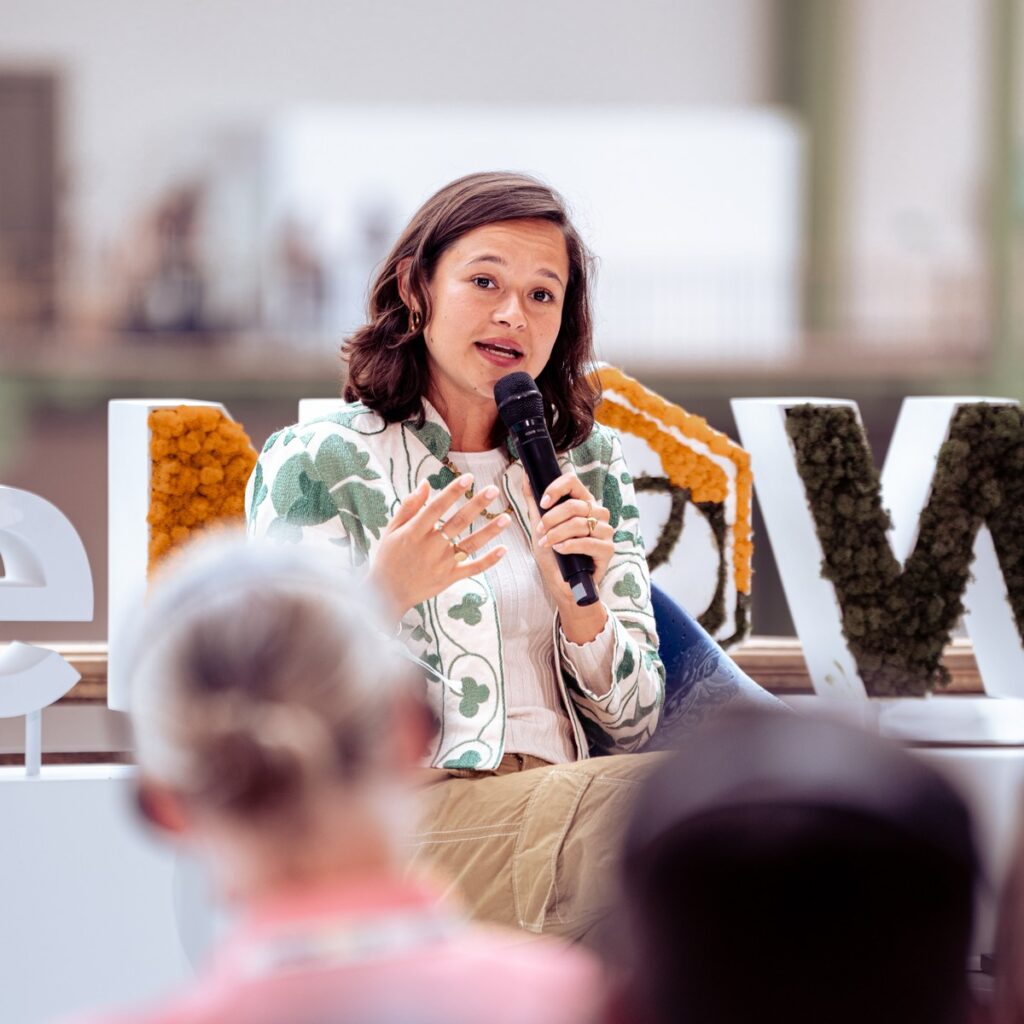
Today, Wijsen is no longer just a young activist; she is a seasoned architect of social change. As the founder of YOUTHTOPIA and the author of Change Starts Now, she has dedicated her career to bridging the gap between youthful passion and systemic impact. Her latest endeavor, a strategic partnership with the global movement GivingTuesday, seeks to democratize the concept of generosity, shifting the narrative from financial donation to a multifaceted practice of time, skill, and community connection.
The Genesis of a Movement: A Chronology of Impact
To understand Wijsen’s current work, one must look at the timeline of her evolution as a changemaker.
- 2013: Melati and her sister Isabel launch Bye Bye Plastic Bags in Bali. The campaign utilizes peaceful protests, petitions, and direct engagement with local government to advocate for a cleaner island.
- 2017: The success of the campaign reaches international recognition, leading to the establishment of global chapters and cementing the efficacy of peer-to-peer youth advocacy.
- 2020: Recognizing that young people across the globe share her drive but lack the technical infrastructure to execute their visions, Wijsen founds YOUTHTOPIA.
- 2024: Following the release of her book Change Starts Now, Wijsen expands YOUTHTOPIA’s educational reach, partnering with GivingTuesday to launch the Generosity Masterclass.
The transition from a single-issue campaign to an educational platform like YOUTHTOPIA highlights a critical shift in the NGO landscape. Wijsen observed that while passion is abundant in the youth sector, the "mechanics of change"—fundraising, leadership, project management, and advocacy strategy—are often inaccessible. By digitizing mentorship, YOUTHTOPIA has become a force multiplier for young activists worldwide.
Bridging the Gap: Data and the Reality of Youth Activism
Data from the philanthropic sector suggests that while young people are the most socially engaged demographic, they are often sidelined by traditional institutions due to perceived lack of experience or capital. YOUTHTOPIA’s internal metrics and pedagogical approach address this directly.
According to YOUTHTOPIA’s research, the primary hurdles for young changemakers include:
- Access to Networks: Difficulty in finding mentors who treat them as peers rather than subjects of tokenism.
- Resource Scarcity: A reliance on the assumption that "generosity" requires liquid capital, which creates an entry barrier for students.
- Institutional Skepticism: The struggle to be taken seriously by stakeholders in power.
By shifting the definition of generosity to include "time, skills, knowledge, and connections," Wijsen is effectively removing the financial barrier to entry. This is not just a philosophical shift; it is a strategic one. If millions of young people globally realize that their time and skills are valid currencies, the capacity for grassroots social impact grows exponentially.
Official Perspectives: The Generosity Masterclass
In a recent interview, Wijsen spoke candidly about the collaboration with GivingTuesday, which culminates in the Generosity Masterclass ahead of December 1.
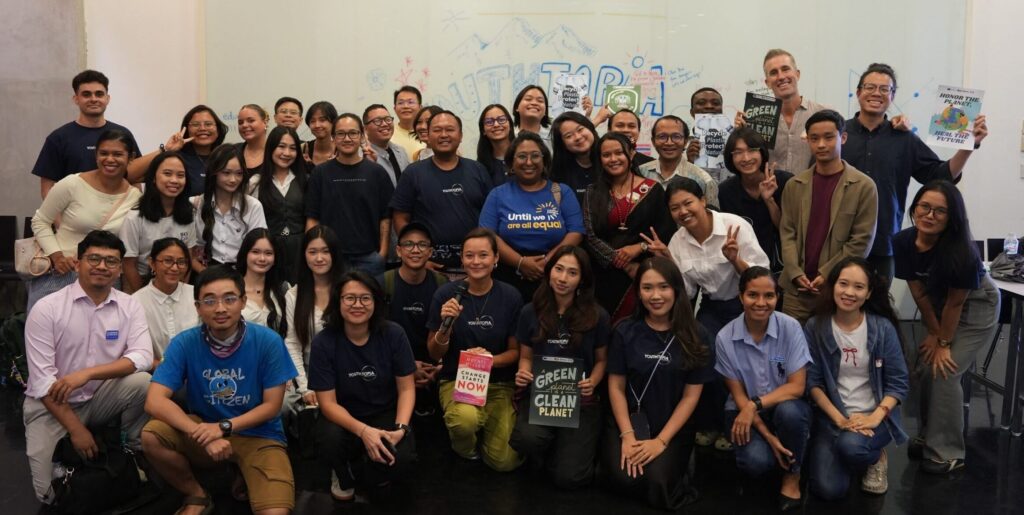
"What excited me most was the opportunity to look at generosity at scale," Wijsen explained. "For young people, the association of generosity with money can be a barrier. We wanted to help expand that approach. Generosity can be our time, knowledge, attention, skills, or even simply opening a door for someone else."
She emphasizes that the masterclass is designed to make giving "intentional, sustainable, and impactful." By framing generosity as a daily practice rather than a one-time transaction, the program aligns with the broader goals of GivingTuesday—to encourage a culture of altruism that persists throughout the year.
The Role of Education
Wijsen is a vocal proponent of integrating these concepts into formal education. "The time spent at school should reflect the kind of safe environment young people need to thrive," she notes. She believes that when schools treat students as partners in community health rather than just recipients of information, the trajectory of their future impact changes.
Implications: A Culture of Care vs. A Culture of Consumption
The implications of Wijsen’s work extend far beyond the immediate success of her campaigns. We are currently witnessing a shift in the global social contract. In a world increasingly defined by digital isolation and polarized discourse, the emphasis on "collective action through small, individual steps" serves as an antidote.
Redefining Success
The YOUTHTOPIA model challenges the traditional success metrics of social impact. Instead of focusing solely on "wins"—such as the banning of plastic bags—the focus has expanded to include the sustainability of the activist. By providing a community of practice, Wijsen is preventing the burnout that frequently plagues young leaders.
The Power of Peer Networks
The decentralization of knowledge is perhaps the most significant implication of YOUTHTOPIA. When a young person in rural Indonesia can access the same mentorship and peer network as a student in New York, the geographical limitations of social movements vanish. This interconnectedness allows for a "sharing of best practices" that accelerates the development of solutions for issues ranging from climate change to educational inequality.
How to Get Started: Actionable Generosity
For those inspired by Wijsen’s journey, the barrier to entry is intentionally low. The Generosity Masterclass encourages participants to audit their own lives for hidden assets.
- Inventory of Assets: What do you have that others need? Is it an hour of tutoring? Graphic design skills? A social media platform that can amplify an underrepresented voice?
- The First Step: Wijsen’s mantra is simple: "Start small, but just start." She advises against waiting for the "perfect plan," advocating instead for iterative action—doing one thing today that feels possible.
- Community Building: Reach out. The most meaningful projects Wijsen has led started with a simple request for help. "Don’t be afraid to ask ‘silly’ questions," she says. "Grow your team."
Conclusion: The Long-Term Vision
As December 1 approaches, the global community is being asked to reflect on its capacity to give. For the YOUTHTOPIA network, this is a moment of synchronization. When individuals across different continents, languages, and cultures engage in an act of generosity on the same day, it reinforces a global identity of care.
Melati Wijsen’s journey from a 12-year-old girl on a beach in Bali to a global mentor illustrates that the most potent form of power is not held by the few, but distributed among the many. By choosing to contribute rather than consume, and by organizing that contribution through education and community, the next generation is not just waiting for the world to change—they are actively building the world they wish to inhabit.
Whether through a small act of kindness or the launch of a new, global campaign, the lesson remains the same: Change starts now.
For those interested in participating in the global movement this GivingTuesday, the YOUTHTOPIA Generosity Masterclass offers a comprehensive guide on transforming intent into action. To see the impact of this work in real-time, you can also view the official campaign video.

 Nila Kartika Wati
 Pevita Pearce