

 Nila Kartika Wati
As the nonprofit sector moves deeper into the second half of the decade, the integration of Artificial Intelligence (AI) has shifted from an experimental novelty to an operational imperative. In 2026, the question for charitable organizations is no longer whether to adopt AI, but how to do so ethically, efficiently, and effectively to maximize social impact.
The following analysis explores the current state of AI adoption, the transformative potential of these tools, and the critical importance of AI literacy for the modern nonprofit professional.
Main Facts: The State of the Sector in 2026
The nonprofit landscape in 2026 is defined by a dual reality: while the promise of AI to automate administrative burdens and hyper-personalize donor outreach is immense, the digital divide between organizations that have embraced these technologies and those that have not continues to widen.
Key developments in 2026 include:
- Predictive Analytics: AI-driven donor modeling has moved beyond simple segmentation, allowing nonprofits to predict donor churn and lifetime value with unprecedented accuracy.
- Generative Content Creation: From personalized appeals to visual storytelling, generative AI tools are slashing the time required to produce high-quality marketing materials.
- The Literacy Gap: Data suggests that the primary barrier to AI adoption in 2026 is not cost, but a lack of technical fluency among staff, highlighting the urgent need for structured professional development.
Chronology: The Evolution of AI in Philanthropy
The trajectory of AI adoption within the nonprofit sector has been rapid and non-linear. Understanding this timeline is essential for organizations attempting to catch up or refine their current strategies.
2022–2023: The Awareness Phase
The public launch of advanced Large Language Models (LLMs) served as a "wake-up call" for the sector. Initial adoption was fragmented, characterized by individual staff members using AI for brainstorming and drafting emails.
2024–2025: The Integration Phase
Nonprofits began moving from ad-hoc usage to systematic integration. CRM systems began embedding native AI tools, and organizations began developing internal policies regarding data privacy, copyright, and the ethical use of AI in fundraising appeals.
2026 and Beyond: The Professionalization Phase
We are currently in the era of "AI Literacy." The focus has shifted from "what can AI do?" to "how do we use AI to build deeper human connections?" Certification programs and standardized training have become the gold standard, ensuring that AI is used as a tool for empowerment rather than a replacement for human empathy.
Supporting Data: Why AI is an Operational Necessity
The data supporting AI adoption in 2026 is compelling, reflecting significant shifts in productivity and engagement metrics.
AI in Nonprofit Marketing
In 2026, nonprofits reporting the highest ROI on digital marketing campaigns are those utilizing AI for:
- A/B Testing at Scale: AI tools now automatically iterate on landing pages and email subject lines, testing thousands of permutations in real-time to optimize conversion rates.
- Hyper-Personalization: Instead of generic mass-mailing, AI identifies the specific interests and philanthropic history of a donor, curating unique content that speaks directly to their values.
- Automated Social Listening: AI algorithms now monitor global trends and social media sentiment, allowing NGOs to insert their mission into relevant public conversations instantaneously.
AI in Nonprofit Fundraising
The financial implications for fundraising are even more stark:

- Retention Rates: Organizations using AI-driven predictive modeling have seen an average 12% increase in donor retention, as AI identifies "at-risk" donors before they lapse.
- Efficiency Gains: Development officers report that AI-powered prospect research tools reduce the time spent on donor background checks by nearly 60%, allowing for more face-to-face cultivation.
- Grant Writing: AI assistance in synthesizing complex program data for grant proposals has significantly increased the volume of applications smaller nonprofits can submit.
Official Responses and Expert Perspectives
Industry leaders, including Heather Mansfield of Nonprofit Tech for Good, have emphasized that the technology is only as good as the humans wielding it. The prevailing sentiment among experts is that AI is a "force multiplier."
"The goal of AI in the nonprofit sector is not to automate the soul out of our work," says one lead analyst in the sector. "It is to remove the friction of administration so that we can spend more time doing what matters—building relationships and serving our beneficiaries."
Regulatory bodies and nonprofit watchdogs have also weighed in, issuing guidance that underscores the importance of "Human-in-the-Loop" (HITL) protocols. These protocols mandate that all AI-generated content intended for public consumption must be reviewed and vetted by a human to ensure accuracy, tone, and ethical alignment with the organization’s mission.
Implications: The Future of the Nonprofit Workforce
The widespread adoption of AI has profound implications for the future of employment within the charitable sector.
The Rise of the "AI-Fluent" Professional
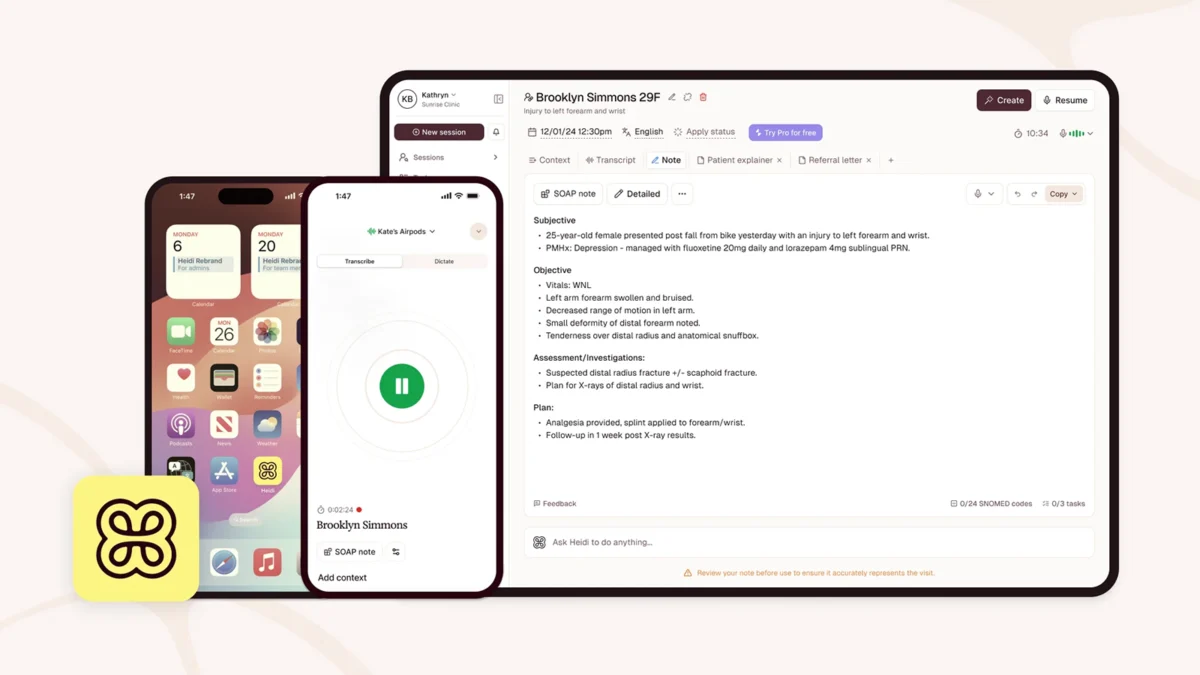
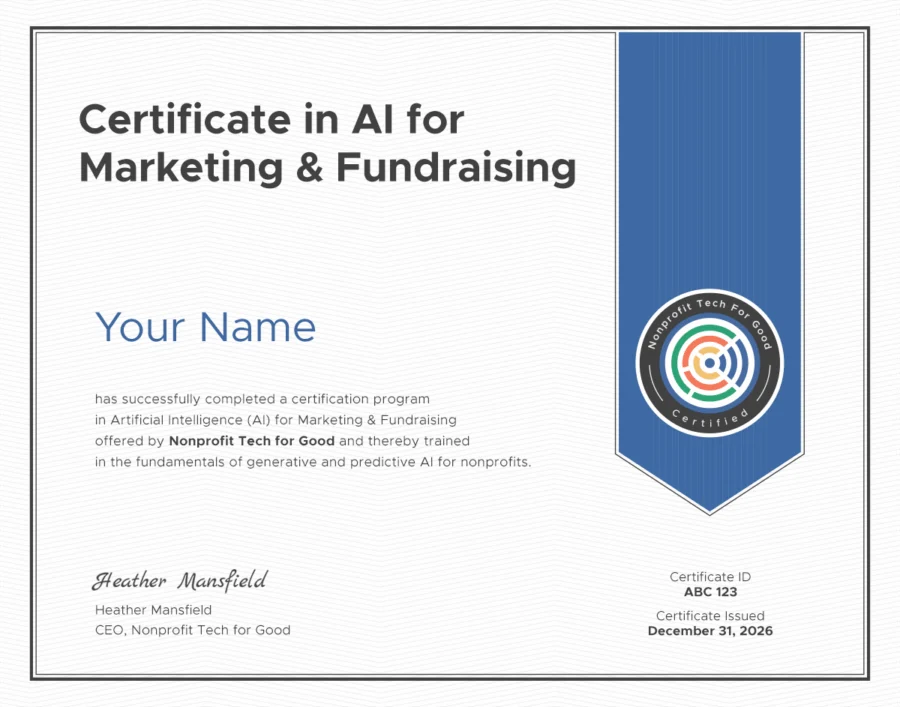
The job market of 2026 and beyond favors the "AI-fluent" candidate. Professionals who can prompt, audit, and integrate AI workflows are becoming highly sought after. This shift has necessitated a move toward formal education. Programs like the Certificate in Artificial Intelligence (AI) for Marketing & Fundraising have emerged to fill the gap, providing a structured, balanced approach to navigating the ethical and technical complexities of the field.
Ethical Considerations
As AI becomes more integrated into fundraising, the issue of algorithmic bias remains a significant concern. Nonprofits must be vigilant in ensuring that the data sets informing their AI tools do not reinforce historical inequities. Transparency with donors—disclosing when content is AI-generated—is also becoming a key factor in maintaining trust.
The Human-Centric Pivot
Paradoxically, the more technology we use, the more valuable human intuition becomes. AI can write a brilliant appeal, but it cannot empathize with a donor’s grief or celebrate a community’s triumph. The organizations that succeed in the coming years will be those that use AI to automate the "how" so they can focus entirely on the "why."
Conclusion: Preparing for the Future
As we look toward the remainder of 2026 and into 2027, the message for the nonprofit sector is clear: AI is a tool that requires both technical skill and moral wisdom.
Whether your organization is a small community-based group or a global NGO, the path forward involves:
- Continuous Learning: Committing to ongoing education through hubs and certification programs.
- Strategic Policy: Establishing clear, transparent AI usage policies that protect donor data and organizational reputation.
- Iterative Implementation: Starting small, measuring results, and scaling only what works.
The age of AI is not a future event—it is the present reality. By embracing this technology with a commitment to ethics and literacy, nonprofit leaders can ensure their organizations are not only surviving in a competitive digital landscape but thriving in their mission to make the world a better place.
To deepen your organization’s expertise, explore the AI Hub for Nonprofits and consider enrolling in the 2026 Certificate in Artificial Intelligence (AI) for Marketing & Fundraising. The transition to an AI-empowered organization begins with the first step of informed action.


 Pevita Pearce

 Basiran