




 Muslim
By Political and Economic Affairs Desk
In a sobering address delivered at the Carbon Capture and Storage Association’s (CCSA) annual conference in Westminster this Tuesday, the UK government signaled a definitive pivot in its environmental strategy. Junior minister at the Department for Energy Security and Net Zero (DESNZ), Martin McCluskey, delivered a message that cast a long shadow over the sector: the era of expansive state-backed financial support for carbon capture and storage (CCS) technologies is drawing to a close.
The declaration comes as the Labour administration, led by Prime Minister Andy Burnham, grapples with the competing pressures of an ambitious green transition and an urgent mandate to bolster national security. As the government seeks to reconcile its fiscal commitments with the geopolitical imperative to increase military spending in alignment with NATO targets, the "fledgling" carbon capture industry is being forced to confront a future of diminished public subsidies.
Main Facts: The End of an Era for Green Subsidies
The core of the government’s recent shift lies in a cold assessment of the national balance sheet. For years, the CCS industry has been viewed as a cornerstone of the UK’s Net Zero strategy—a vital mechanism for decarbonizing heavy industry and fossil fuel power plants. However, the government has now explicitly linked the scaling back of these subsidies to the broader need for fiscal consolidation.
The fiscal tightening is not limited to carbon capture. Reports indicate that the government is actively auditing a wide array of emissions-reduction projects. Among those in the "firing line" are subsidies for residential heat pumps, which have long been considered central to the decarbonization of the domestic heating sector.
The government’s rationale is rooted in a strict adherence to its self-imposed fiscal rules. By curbing expenditure on industrial decarbonization and green residential upgrades, ministers aim to redirect capital toward defense, reflecting a prioritization of traditional state functions over long-term, capital-intensive environmental subsidies.
Chronology: From Climate Ambition to Fiscal Austerity
To understand the current tension, one must look at the recent trajectory of UK energy policy:
- 2023–2024 (The Build-Up): Under previous administrations, the CCS sector saw a surge in policy interest, with multi-billion-pound funding envelopes announced to develop "clusters" in the North Sea and the industrial heartlands of the North of England.
- Early 2026 (The Political Transition): Following the leadership transition to Andy Burnham, the government began to recalibrate its long-term spending priorities. The worsening global security climate prompted a comprehensive review of the "Green Prosperity Plan."
- October 2026 (The Pivot): Reports emerged that the government was planning to slash heat pump subsidies to fund defense spending. This set the stage for the tension surrounding the CCSA conference.
- Tuesday’s Conference: Minister Martin McCluskey formally confirmed the fiscal constraints, signaling that the industry must prepare for a "post-subsidy" reality.
Supporting Data: The Cost of the Energy Transition
The scale of the investment required for carbon capture is immense. CCS technology involves capturing carbon dioxide emissions at the source—such as cement plants, steel mills, or gas-fired power stations—and injecting them into geological formations deep underground.
Current industry data suggests that the "Levelized Cost of Carbon Capture" remains significantly higher than the price of carbon on the UK Emissions Trading Scheme (ETS). Without government "contracts for difference" (CfDs) or direct capital grants, the commercial viability of these projects remains precarious.
- Financial Gap: Independent analysts estimate that current CCS projects require a funding floor of approximately £100–£150 per tonne of CO2 captured to be bankable.
- Military Trade-offs: With the UK aiming to push defense spending toward 3% of GDP, the treasury is looking for "savings" in the hundreds of millions of pounds. By trimming CCS and heat pump subsidies, the government identifies a pool of capital that can be immediately reallocated to military hardware and personnel.
The irony, climate economists point out, is that the government is trading a long-term climate liability for a short-term security asset. Whether the loss of private-sector momentum in the CCS industry will create a "carbon debt" that is more expensive to pay off in the 2030s remains a subject of heated debate.
Official Responses: The Government vs. The Industry
The Government Position
Minister Martin McCluskey’s rhetoric was carefully chosen to balance political messaging with fiscal reality. Addressing the CCSA, he stated: "It is no secret that we are operating in a challenging fiscal environment, and this government remains committed to meeting its fiscal rules. While we recognize the potential of carbon capture, we must ensure that the transition to Net Zero is affordable for the taxpayer."
This represents a departure from the "green at all costs" rhetoric that characterized the early 2020s. The government is now pivoting toward a "market-led" transition, where companies are expected to bear more of the risk themselves.
The Industry Reaction
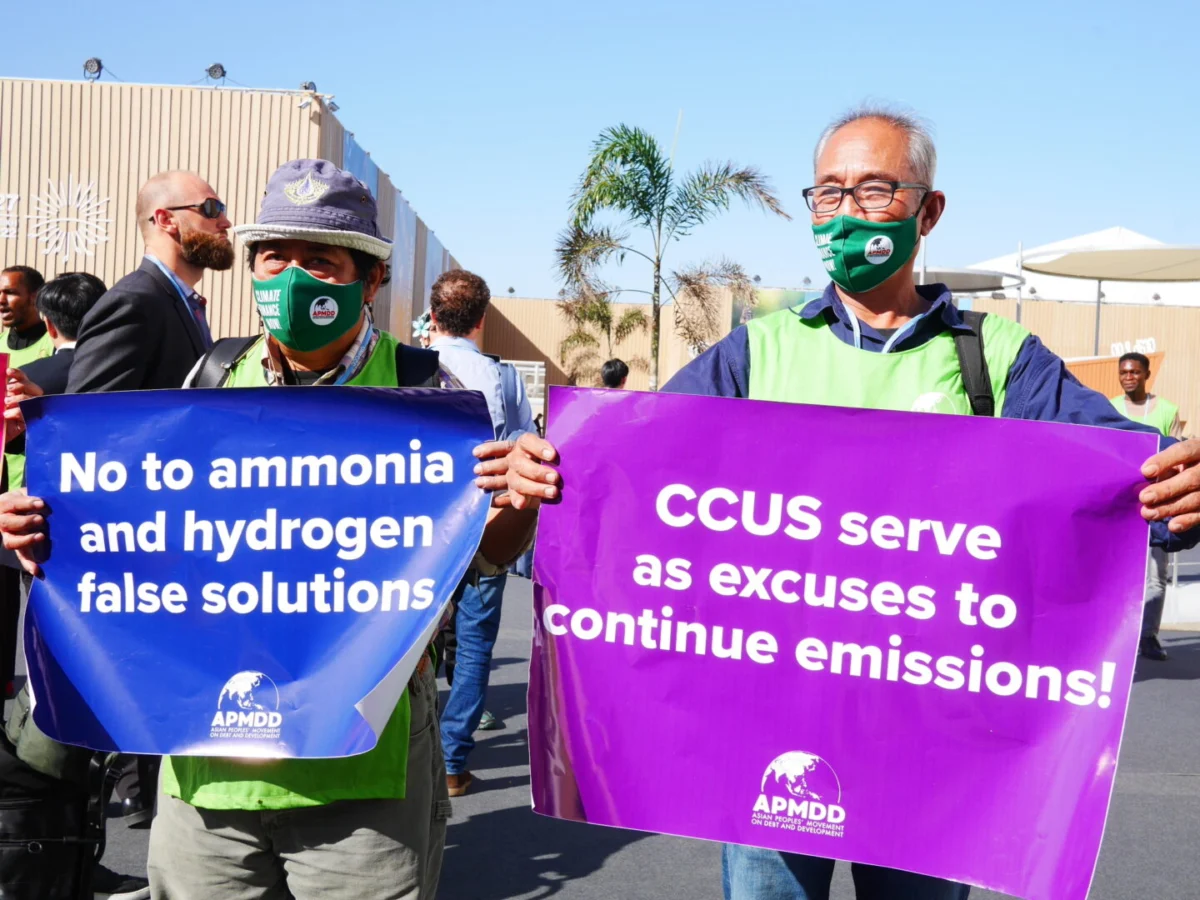
The response from the CCSA and its stakeholders was one of guarded concern. Industry leaders argue that carbon capture is not a "luxury" but a necessity if the UK is to meet its legally binding 2050 targets.
"If the government pulls the rug out from under us now, they are effectively choosing to fail on their climate promises," said a representative from a major energy firm currently developing a North Sea hub. The industry consensus is that private capital will not step in to fill the void left by government subsidies until the technology reaches a higher level of maturity and the carbon price floor is significantly higher.
Implications: A Future in Flux
The government’s decision to curtail subsidies for carbon capture and heat pumps carries profound implications for the UK’s industrial landscape and its international standing.
1. The Industrial Decarbonization Gap
Without state support, the "clusters" in areas like Teesside and the Humber may face delays or outright cancellation. These projects are intended to keep traditional industries—like steel and chemicals—alive in a low-carbon world. If these projects stall, the UK faces the prospect of "industrial flight," where businesses move to jurisdictions with more favorable tax and subsidy environments.
2. The Net Zero Target
The Climate Change Committee (CCC) has consistently warned that without widespread deployment of CCS, the UK’s path to Net Zero becomes "extremely narrow, if not impossible." By cutting these subsidies, the government is essentially betting that innovation will lower costs faster than the market currently predicts. If that bet fails, the UK may be forced to rely on expensive, unproven carbon removal technologies or risk missing its 2050 mandate.
3. Geopolitical and Domestic Balancing
The decision to prioritize defense over environmental infrastructure highlights the "Age of Scarcity" in which the UK finds itself. As Western nations grapple with the dual requirements of rearmament and the energy transition, the "peace dividend" of the late 20th century has fully dissipated. The government is signaling that it can no longer afford to do both to the degree it once promised.
4. The Future of the Green Economy
For the private sector, the message is clear: the era of guaranteed government support is over. Companies will now have to navigate a market defined by higher interest rates, fiscal restraint, and a political environment that is increasingly skeptical of "green handouts."
Conclusion: A High-Stakes Gamble
The UK government’s warning to the CCSA is more than just a budgetary update; it is a fundamental reassessment of the country’s priorities. By placing the fiscal burden of the energy transition squarely on the shoulders of the private sector and limiting taxpayer exposure, the Labour government is attempting to preserve its fiscal credibility in a dangerous world.
However, in doing so, they have introduced a new, significant risk. If the carbon capture industry fails to survive the coming "fiscal winter," the UK’s climate goals may suffer a setback from which they cannot easily recover. As the dust settles on the CCSA conference, both the government and the industry find themselves on a precarious path, where the price of national security is paid in the currency of environmental ambition.
Whether this transition proves to be a prudent recalibration or a short-sighted retreat will be the defining question of the Burnham administration’s term. For now, the message from Westminster is firm: the transition to Net Zero must learn to pay its own way, or risk being left behind in the pursuit of national security.


 Nila Kartika Wati
 Laily UPN





