


 Pevita Pearce

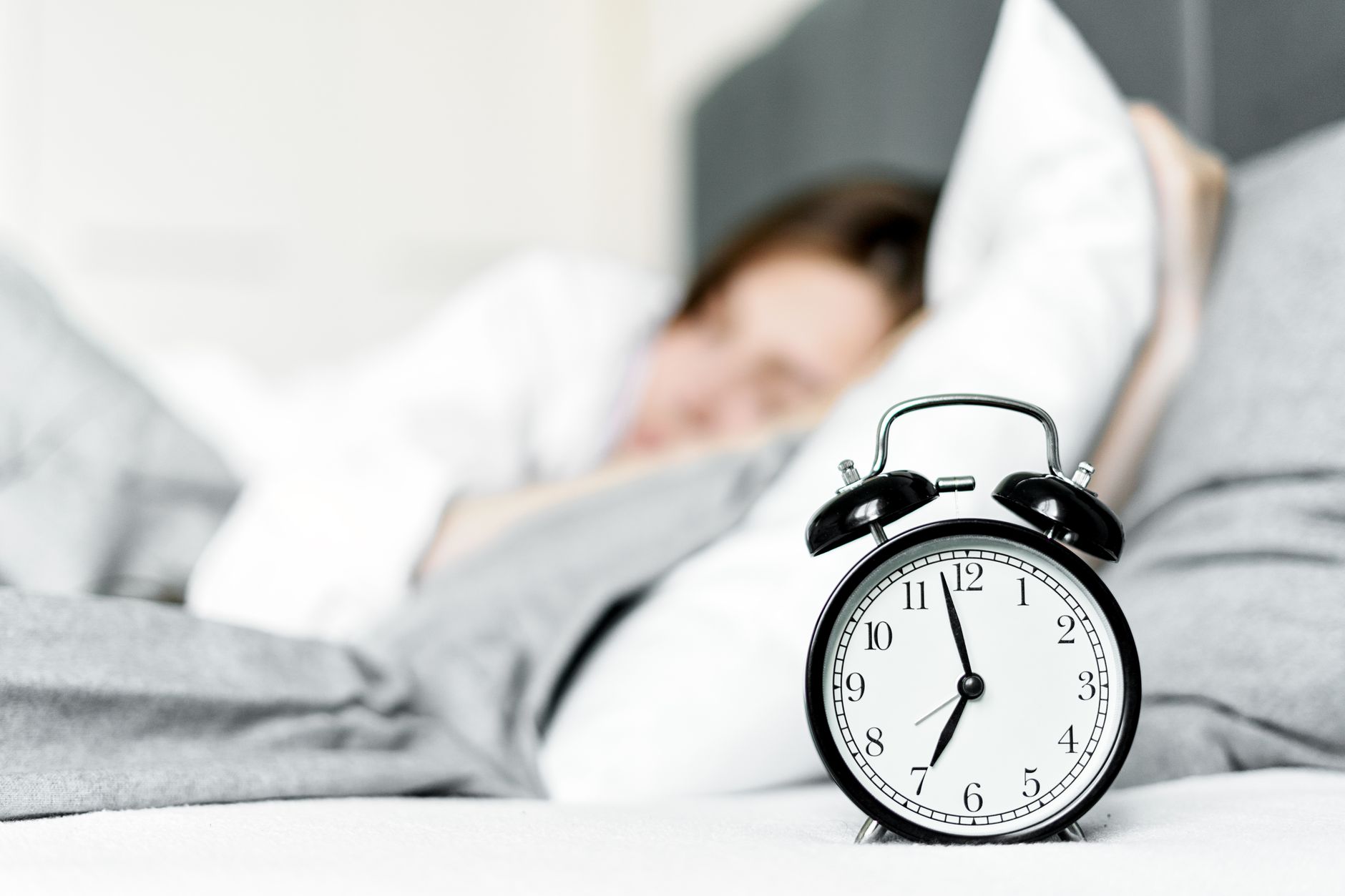
It is 12:47 a.m. You are lying in bed, staring at the ceiling, while your brain runs an endless, unwanted highlight reel of every awkward social interaction you had in 2019. The clock ticks forward, the anxiety mounts, and the prospect of a productive tomorrow slips further away.
For millions, the immediate impulse is to throw money or time at the problem: an expensive weighted blanket, a subscription to a meditation app, or a marathon 45-minute bedtime yoga routine. However, sleep science suggests that the solution is not found in grand gestures or expensive accessories. It is found in a three-minute window of neurobiological priming. By leveraging the way your nervous system actually functions, you can bypass the "staring contest" with the ceiling and signal to your body that it is time to power down.
Main Facts: The Science of Sleep Signaling
Your brain is not an enemy actively trying to sabotage your sleep; it is a pattern-recognition machine that is currently misinterpreting your environment. If your nightly routine involves scrolling through social media until your eyes sting or binge-watching television until you pass out, you are inadvertently training your brain that the bed is a site of high-stimulation activity rather than deep restoration.
The fundamental issue is the lack of a "sleep trigger." According to Harvard Health, sleep is governed by two primary forces: the circadian rhythm (your internal clock) and sleep pressure (the buildup of adenosine throughout the day). Both of these systems respond with remarkable sensitivity to behavioral cues. When you perform a consistent, short-duration routine every single night, you are engaging in a form of classical conditioning similar to Pavlov’s experiments. By performing the same sequence of actions—the same breath, the same physical scan, the same note-taking—you provide your nervous system with a predictive signal. Eventually, your body begins the physiological process of winding down before your head even touches the pillow.
The Three-Minute Protocol: A Chronology of Calm
To effectively transition from the "alert" state of the day to the "restorative" state of the night, you need a structured approach. This three-minute sequence is designed to be low-friction and high-impact.
Phase 1: The Breath (40 Seconds)
The fastest lever available to shift your autonomic nervous system is your breath. When you are stressed, you are likely in a sympathetic nervous system state—the "fight or flight" mode. To switch to the parasympathetic nervous system—the "rest and digest" mode—you must use rhythmic, controlled breathing.
The 4-7-8 technique is the gold standard in clinical sleep research.
- Inhale through your nose for 4 counts.
- Hold that breath for 7 counts.
- Exhale slowly and audibly through your mouth for 8 counts.
Two rounds of this take roughly 40 seconds. By extending the exhale, you physically force your heart rate to slow down and signal to your brain that you are in a safe environment.
Phase 2: The Body Scan (90 Seconds)
We carry the tension of our commutes, our meetings, and our digital interactions in our muscles. A body scan, often recommended by the Mayo Clinic as a core mindfulness exercise, allows you to systematically release this "residual stress."

Start at your forehead. Consciously soften the brow. Move to your jaw—a common site of tension—and consciously drop it away from your teeth. Let your shoulders sink into the mattress, then work your way down through your arms, chest, stomach, and legs. This is not a meditative journey; it is a 90-second maintenance sweep to ensure no muscle is holding onto the day’s stress.
Phase 3: The Brain Dump (50 Seconds)
The final minute is dedicated to clearing your mental cache. Your brain is a notoriously poor "notes app." It views unfinished tasks as urgent threats, which is why it replays them at 2 a.m. to ensure you "don’t forget."
Keep a physical notepad by your bed. Spend the final 50 seconds writing down every lingering thought, meeting, or errand. Research from Baylor University and reported by The Guardian confirms that individuals who offload their to-do lists to paper fall asleep significantly faster than those who ruminate. Once it is on paper, your brain is granted "permission" to move from "don’t forget" mode to "done for now" mode.

Supporting Data: Why Consistency Trumps Intensity
The effectiveness of this routine is rooted in the consistency of the signal, not the intensity of the effort. Sleep specialists at the Cleveland Clinic note that sleep hygiene succeeds because the brain builds associations through repetition.
- Temperature Regulation: The Sleep Foundation recommends a room temperature between 65–68°F (18–20°C). As you drift into sleep, your core temperature naturally dips. Maintaining a cool environment works in harmony with your biology.
- Blue Light Mitigation: Research from Harvard Medical School shows that blue light exposure—from phones, tablets, or LED lights—suppresses melatonin production for up to three hours. By dimming the lights or using a "night mode" on devices 30 minutes before bed, you protect your hormonal readiness for sleep.
- Acoustic Masking: For those living in urban environments, total silence can actually be jarring. The Cleveland Clinic suggests that consistent background noise, such as white or brown noise, can mask irregular, startling sounds that trigger wakefulness.
Official Responses and Clinical Perspectives
Clinical sleep organizations, including the CDC and the Sleep Foundation, emphasize that the seasonal transition—particularly during the autumn months—requires a recalibration of these habits. As daylight hours diminish, our internal clocks can become misaligned.
The consensus among experts is that morning light exposure is the most potent anchor for your circadian rhythm. By stepping outside for 10 minutes before your first coffee, you "set" your internal clock for the day, which in turn makes the evening wind-down process significantly more effective. The goal is to create a 24-hour cycle of regulation, where the morning light sets the stage for the evening wind-down.
Implications for Modern Living
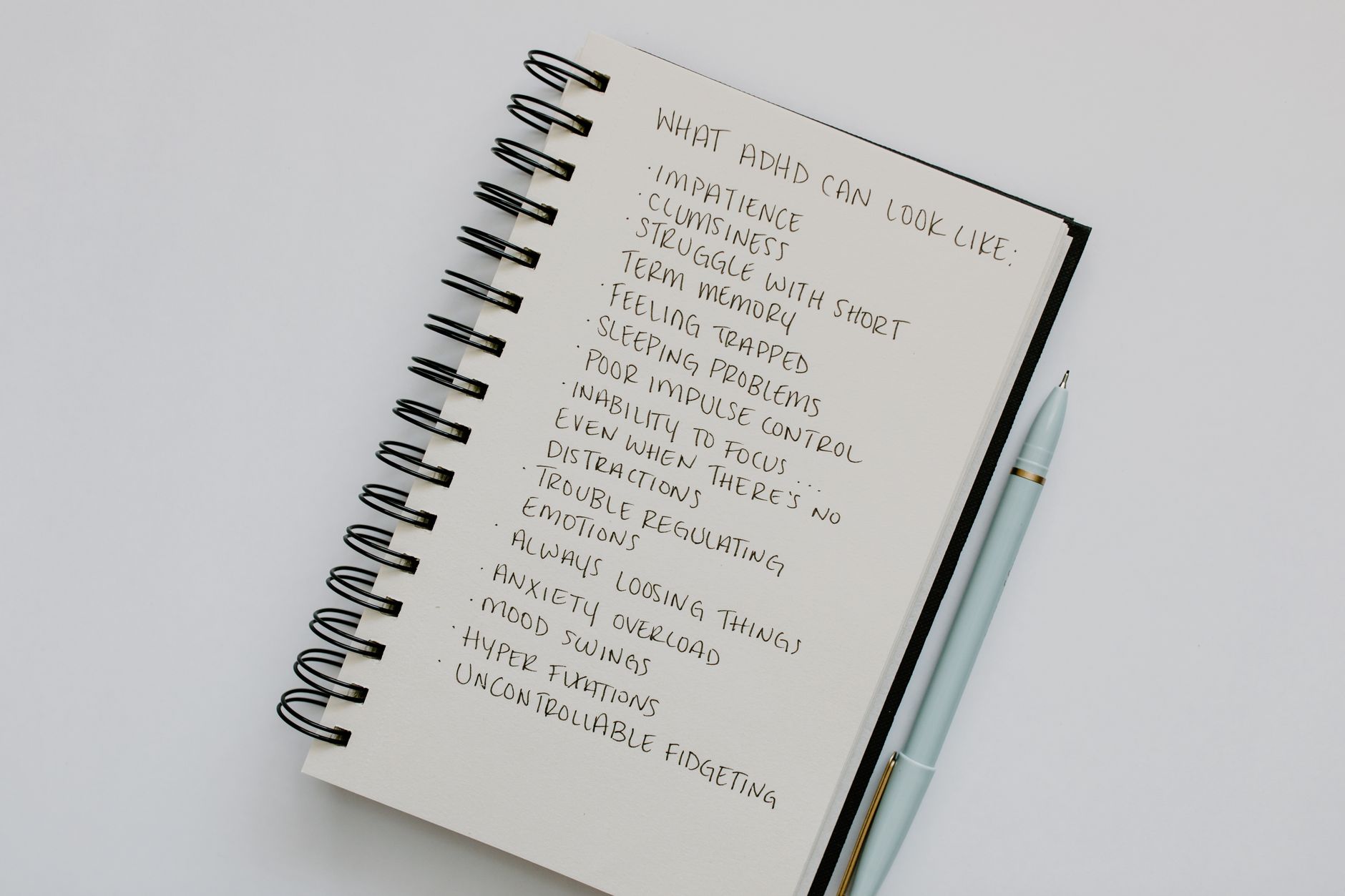
The modern professional is often caught in a cycle of "productivity guilt," where the inability to sleep is viewed as a personal failure or a sign of weakness. However, the move toward "micro-routines" suggests a paradigm shift. We are realizing that the most sustainable habits are those that require zero willpower.
When you frame sleep as a biological process that can be "triggered" rather than a mental state you must "achieve," the anxiety surrounding sleep begins to dissipate. If you fail to fall asleep on the first night, the implications are not a failure of the method, but a sign that the conditioning is still in its infancy.
Moving Forward
The beauty of this three-minute protocol is its modularity. If you find the breath work effective, start there. If the brain dump provides the most relief, make that your cornerstone. You do not need to overhaul your entire lifestyle to see improvements in your sleep quality.

By dedicating three minutes to these specific, evidence-backed signals, you are no longer at the mercy of your 2 a.m. ruminations. You are effectively taking control of your nervous system. As the research indicates, the yawning will come, the ceiling-staring will shorten, and the restorative sleep your body requires will finally be within reach.
Pick one technique, commit to it for seven days, and observe the shift. Your brain is waiting for the signal; it is time to give it to them.


 Muslim

 Suro Senen