


 Suro Senen
The modern American economy is currently navigating a period of unprecedented consolidation, where the mechanisms of self-regulation are increasingly failing to protect the public interest. From the consolidation of media giants to the rapid, unchecked advancement of artificial intelligence and the rise of unregulated prediction markets, the trend is clear: corporate entities are effectively writing their own rules, often at the expense of democratic stability and worker security.
This week, the Roosevelt Institute highlighted a series of alarming developments that underscore a broader, systemic retreat from rigorous regulatory oversight. As power concentrates in fewer hands, the need for a shift from voluntary corporate compliance to mandatory democratic accountability has never been more urgent.
The Paramount-Skydance Merger: A Masterclass in Media Concentration
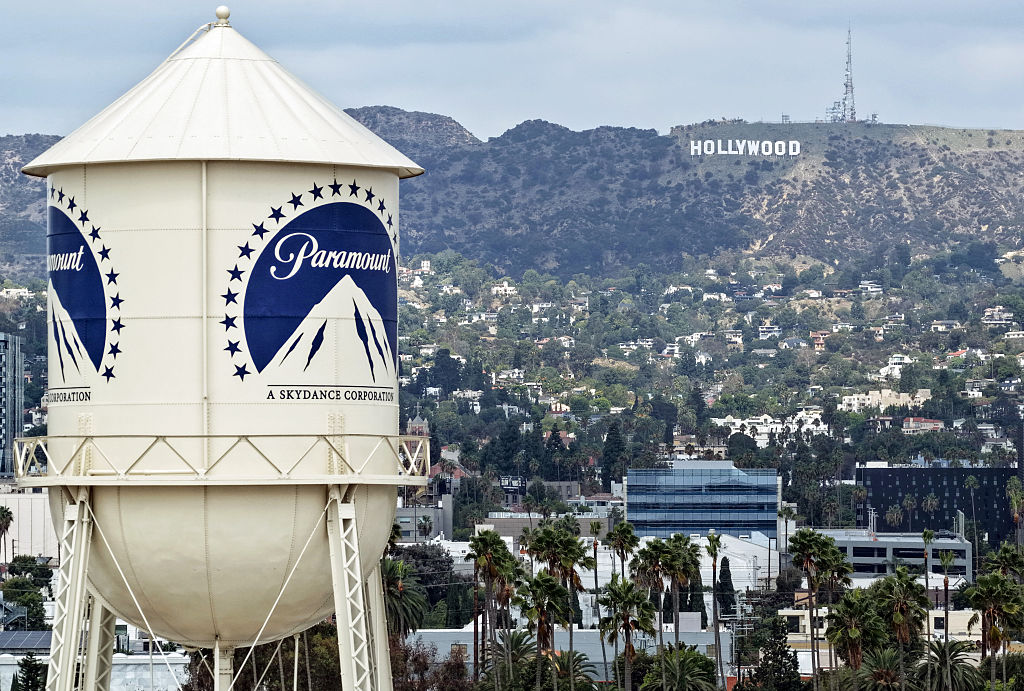
The recent settlement between Paramount Skydance and state regulators—following a challenge to its merger with Warner Bros.—marks a significant milestone in the erosion of media diversity. While the deal was greenlit amidst promises of an "independent editorial board" for CNN, critics argue this is a cosmetic fix for a structural problem.
The Illusion of Independence
The "independent editorial board" is widely viewed by institutional analysts and media watchdogs as a toothless concession. By focusing on editorial oversight rather than the underlying concentration of capital, the deal allows the parent company to maintain centralized control over vast segments of the information ecosystem. The history of corporate media mergers suggests that promises of independence rarely survive the pressures of profitability and shareholder demand.
Implications for the Information Ecosystem
The consolidation of these giants threatens to reduce the variety of voices in the media, leading to a "deteriorated information ecosystem." When a handful of conglomerates own the infrastructure of news, the democratic process suffers. Journalists face increased pressure to align with corporate interests, and the diversity of viewpoints essential for a functioning democracy is systematically squeezed out. The Roosevelt Institute’s 2025 report, The Political Economy of the US Media System: Excavating the Roots of the Present Crisis, provides a deep dive into these systemic failures, tracing how corporate ownership has historically undermined the public sphere.
The Perils of Self-Regulation: Lessons from Financial Crises
As the media landscape shifts, a similar, perhaps more dangerous, trend is emerging in the technology sector. The rush to develop and deploy Artificial Intelligence has been accompanied by a corporate push for "self-regulation."
Insights from Graham Steele
Roosevelt Senior Fellow Graham Steele, drawing on his deep expertise in financial regulatory policy, warns that we are repeating the mistakes of the pre-2008 financial crisis. In a recent analysis, Steele argues that the regulatory framework for AI cannot be left to the companies creating the technology.
"Financial crises teach us that AI self-regulation must not replace a broader regulatory framework," Steele writes. The logic is simple: when corporations are left to police themselves, they prioritize internal risk management and profit maximization over public safety. In the case of AI, the stakes are arguably higher, as the technology influences everything from employment practices to the integrity of democratic discourse. Policymakers must look beyond voluntary industry standards and establish firm, legally binding oversight mechanisms that prioritize the common good over technological speed.
Prediction Markets: Gambling Under the Guise of Innovation
The third front in the battle for regulatory integrity involves the rise of "prediction markets." Companies like Kalshi and Polymarket have positioned themselves as cutting-edge financial platforms, yet their operations increasingly mirror those of traditional, state-regulated gambling entities.
The Federal vs. State Disconnect
Brad Lipton of the Roosevelt Institute has pointed out a critical regulatory arbitrage occurring in this space. While state-level gambling regulations are designed with strict consumer protections, ethical constraints, and tax obligations in mind, these companies are aggressively lobbying for federal-level regulation that is significantly more lenient.
By framing themselves as "prediction markets" rather than casinos, these platforms bypass the stringent consumer protections that states have spent decades refining. The concern is that these platforms are incentivizing the gamification of political and social outcomes, further destabilizing a volatile public discourse. Without a coherent federal policy that aligns with the rigor of state-level oversight, these markets risk becoming sites of unchecked speculation that could harm both individual users and the broader political landscape.
Chronology of Consolidation and Regulatory Retreat
To understand how we arrived at this junction, it is necessary to view these events not as isolated incidents, but as a pattern of governance:
- 2023–2024: The rapid integration of Generative AI into corporate workflows begins without a clear, centralized regulatory framework.
- Early 2025: The Roosevelt Institute publishes its exhaustive study on the political economy of US media, warning that current antitrust enforcement is insufficient to handle the scale of modern media conglomerates.
- Mid-2025: Prediction markets gain significant public attention, leading to legal skirmishes over whether they should be classified as securities or gambling platforms.
- September 2026: Paramount Skydance reaches a settlement with state regulators, clearing the path for further media consolidation.
- Present Day: Regulatory bodies continue to struggle with the tension between "pro-innovation" policies and the need for public oversight.
Data and Implications: Why Oversight Matters
The economic implications of this trend are profound. Data suggests that when industries reach extreme levels of concentration, wage growth stagnates, and the ability of new, smaller firms to enter the market is stifled.
The Impact on Working Families
The Roosevelt Institute has made a core pillar of its mission the connection between economic policy and the reality of working families. Concentration is not just a high-level macroeconomic problem; it is a kitchen-table issue. When media companies consolidate, jobs are cut in the name of "synergy." When AI is deployed without regulation, it is often used to replace human labor rather than augment it. And when prediction markets are left unregulated, they extract wealth from the public under the guise of financial "prediction."
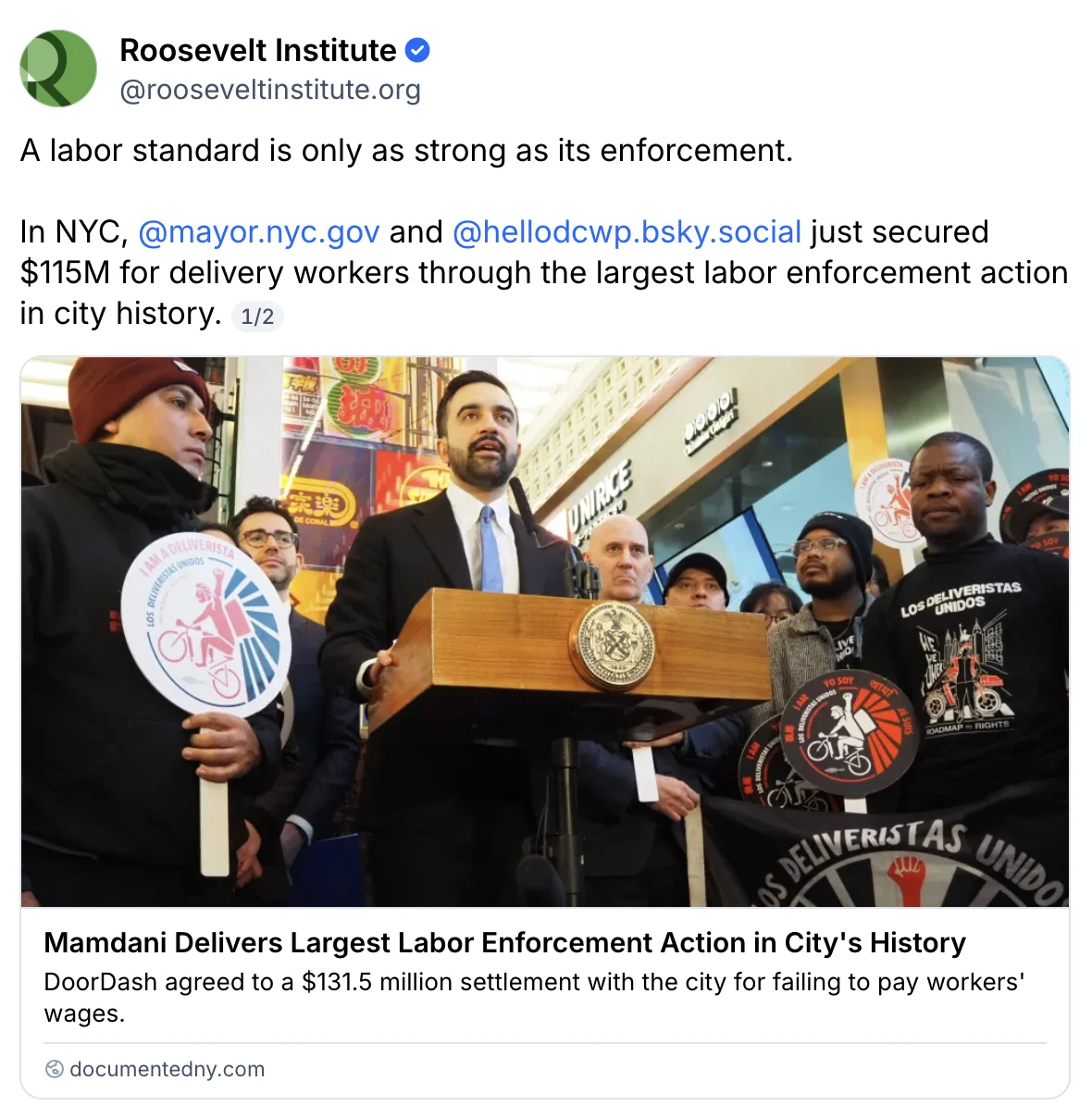
The recent $115 million labor enforcement action in New York City—highlighted by the Roosevelt Institute—serves as a reminder that when the government actually enforces the rules, the results for workers can be transformative. This case, where labor violations were met with massive penalties, proves that accountability is a viable and necessary tool for maintaining a fair economy.
Official Responses and The Path Forward
The corporate response to these concerns has been consistent: they argue that regulation will stifle innovation and hinder the competitiveness of American firms in the global market. However, critics like the Roosevelt Institute argue that true innovation cannot exist in an environment of monopoly.
Policy Recommendations
- Reclaiming Antitrust Authority: Policymakers must move beyond the "consumer welfare" standard that has dominated antitrust law for forty years and return to a standard that prioritizes democratic health and worker bargaining power.
- Mandatory Transparency for AI: Instead of voluntary industry pledges, the government should require developers to disclose the data sources and training methodologies of large-scale AI models.
- Unified Gambling Standards: Federal regulators should harmonize their rules with state-level gambling laws, ensuring that "prediction markets" are subject to the same consumer protection, anti-money laundering, and ethical standards as any other betting entity.
Conclusion: The Choice Before Us
The events of this week highlight a fundamental choice for the American public and its representatives. We can continue down the path of corporate-led governance, where "self-regulation" becomes a euphemism for a lack of oversight, or we can choose to assert the power of democratic institutions.
The "Roosevelt Rundown" serves as a clarion call: the concentration of power in media, the unchecked rise of AI, and the gray-market expansion of gambling platforms are not inevitable consequences of progress. They are the results of policy choices. As we look toward the future, the lessons from past financial crises and the ongoing struggles for labor rights in cities like New York must serve as our guide. Real democratic oversight is not a barrier to progress; it is the essential infrastructure upon which a stable, fair, and prosperous society is built.
To join the discussion on these critical issues—including the future of AI and its impact on working families—the Roosevelt Institute continues to invite policymakers, academics, and citizens to engage in the vital work of structural reform. The time for "tweaks" has passed; the era of transformational change must begin.

 Rifan Muazin
 Ammar Sabilarrohman






