




 Rifan Muazin
In the rolling, verdant hills of Uganda’s Isingiro District, a quiet revolution is taking place. Nakivale, one of the oldest refugee settlements in Africa, has long served as a sanctuary for those fleeing the horrors of conflict. Established in 1958, it has evolved into a complex, sprawling landscape hosting over 280,000 individuals. However, as the global spotlight shifts and humanitarian funding dwindles, the residents of Nakivale—most of whom fled the Democratic Republic of Congo (DRC)—are navigating a transition from aid-dependency to a new, hard-won era of self-reliance.
The Shrinking Safety Net: A Crisis of Rations
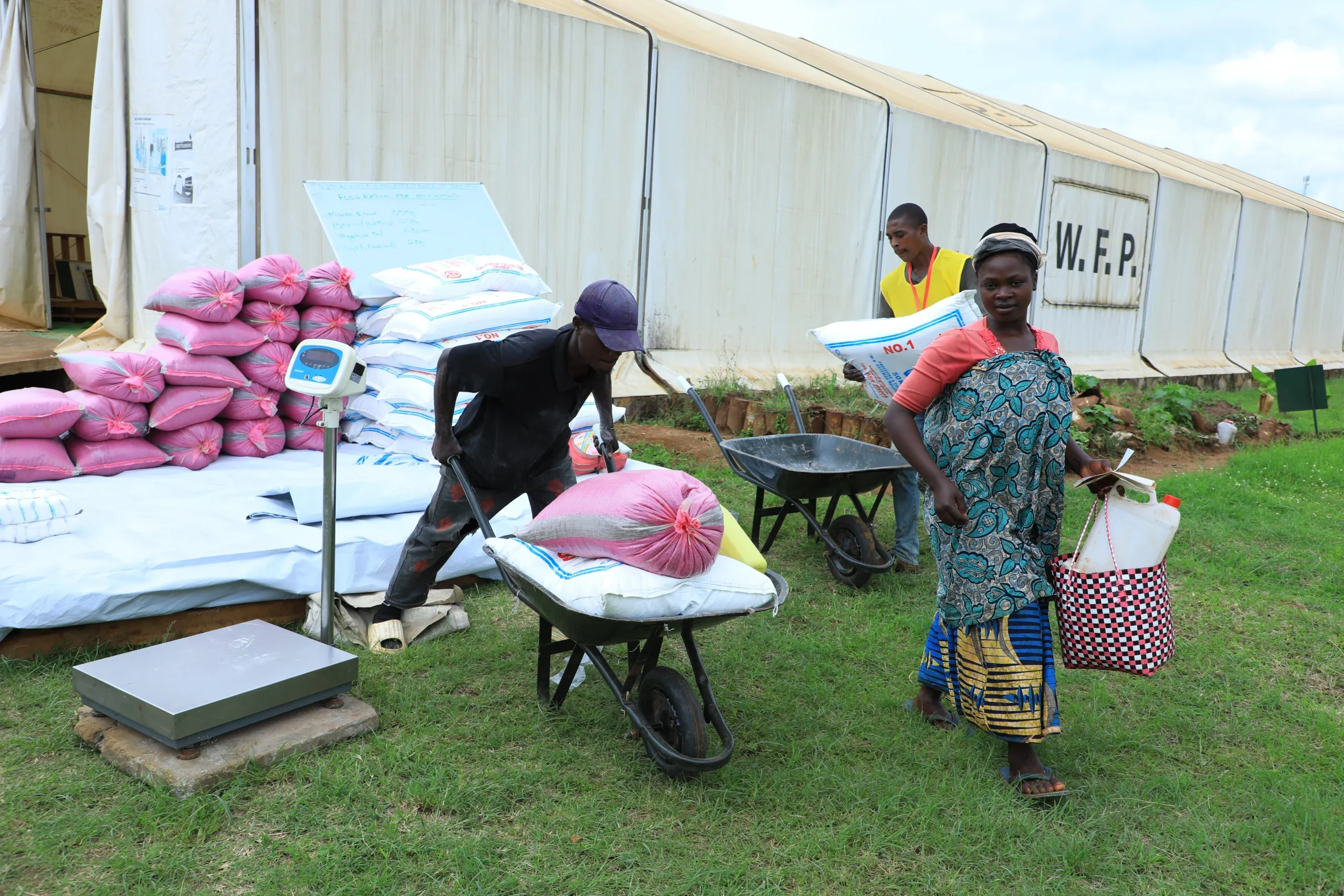
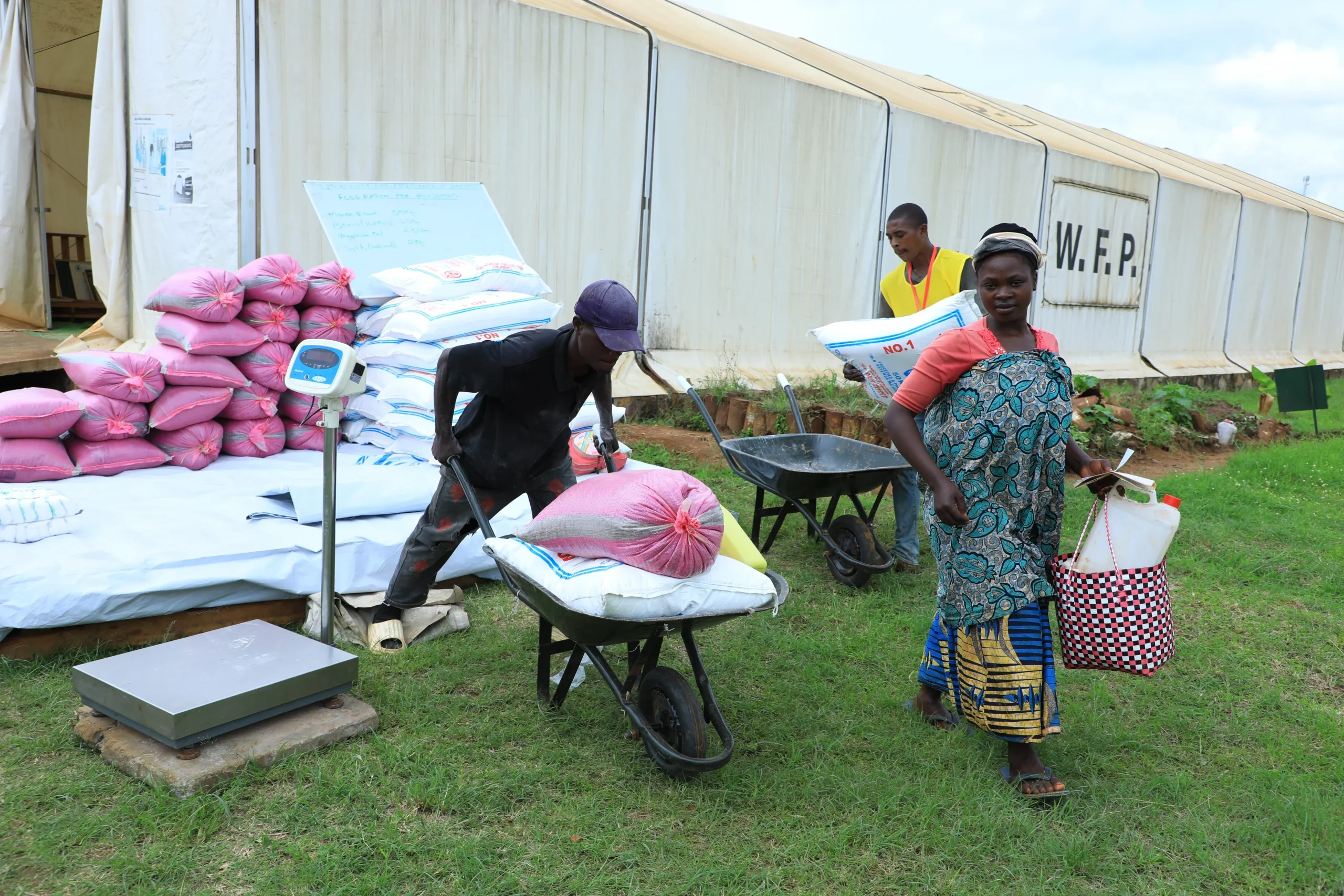
For years, the World Food Programme (WFP) was the primary lifeline for families in Nakivale. For Natalia, a 38-year-old mother of eight who arrived in 2022 after escaping renewed fighting in eastern DRC, the settlement was initially a place of survival, not growth.
"When they welcomed us, WFP could give us 12 kilograms of maize per person, 3 kilograms of beans, and a quarter kilogram of salt," she recalls.
However, as the global humanitarian funding landscape fractured, rations were slashed. Refugees were categorized by vulnerability, and for families like Natalia’s, the caloric intake plummeted. What was once a steady supply became a scarcity crisis. Monthly support for refugees in the region has dwindled to as low as $4.90 per person—among the lowest ration levels in East Africa. For many, the transition from physical food rations to mobile money transfers was further complicated by system failures, leaving families with nothing.
The statistics are sobering: in early 2025, WFP supported 1.6 million refugees in Uganda. Today, that number has been cut by more than half, despite food insecurity rates among the refugee population tripling within a single year. The agency estimates a $47 million shortfall is required just to prevent further cuts through 2026.
Chronology of a Shift: From Aid to Enterprise
The turning point for the residents of Nakivale was the realization that the "emergency" phase of their stay was becoming a permanent reality. Recognizing that neither the host government nor international agencies could sustain indefinite full-scale support, CARE and its local partners launched the Emergency Food Assistance and Self Reliance (EFASeR) program.
- Mid-2025: The EFASeR program initiated a one-time food voucher stimulus (worth approximately $116) for 10,000 participants in Nakivale and Kiryandongo.
- Late 2025: Participants made a clear demand: they did not want only food; they wanted the skills to never be hungry again.
- July 2025 – August 2026: A structured transition phase began. Working with the Directorate of Possibility, 900 households were organized into 36 groups, each specializing in cultivation, livestock, tailoring, or soap-making.
- Present Day: These groups have transitioned from passive recipients of aid to active contributors to the settlement’s micro-economy.
Supporting Data: The Economics of Dignity
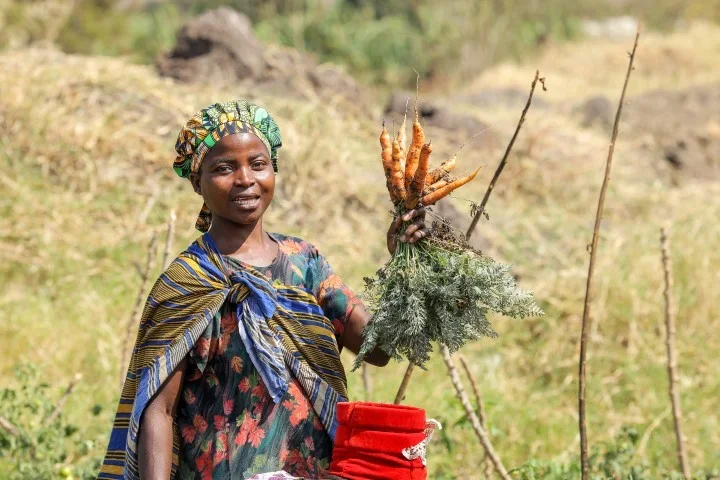
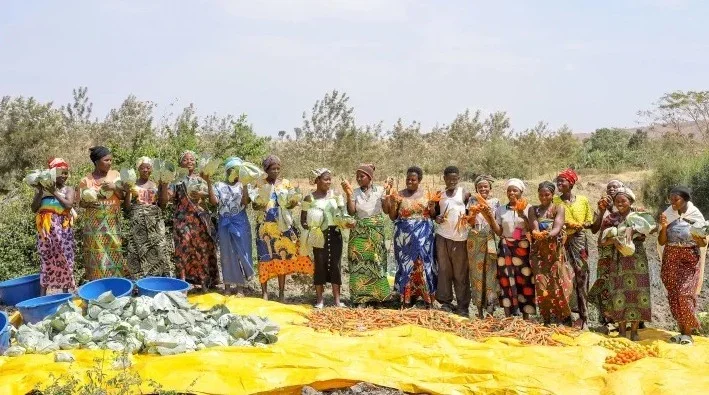
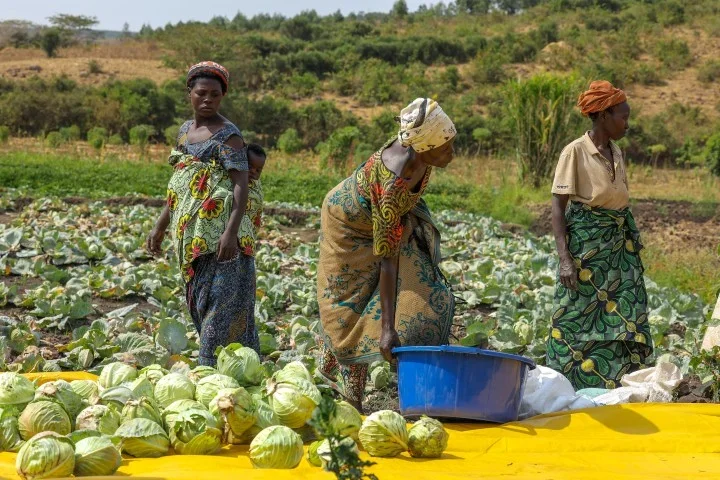
The impact of this transition is best measured not in calories, but in the newfound autonomy of its participants. Natalia, now the chairperson of a 31-member cultivation group, represents this shift. Through irrigation training and the implementation of seasonal calendars, her group has turned formerly barren plots into productive cabbage farms.
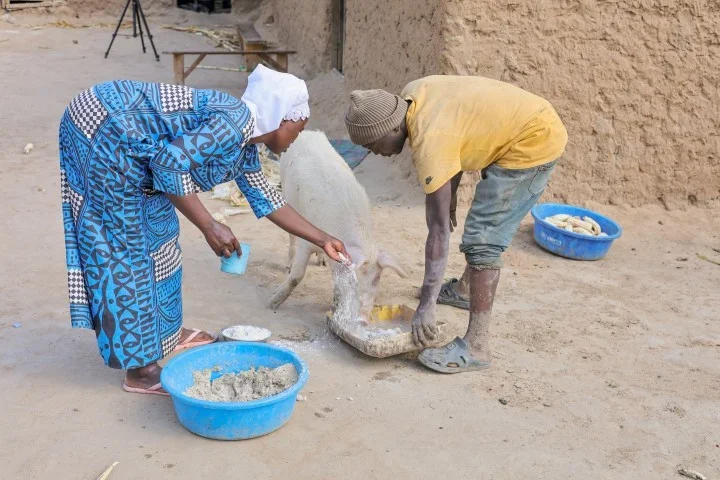
The program’s success is rooted in a circular economic model. Livestock groups, for instance, utilize the manure from their goats and poultry to fertilize the vegetable gardens, which in turn feed the families and provide surplus for the market.
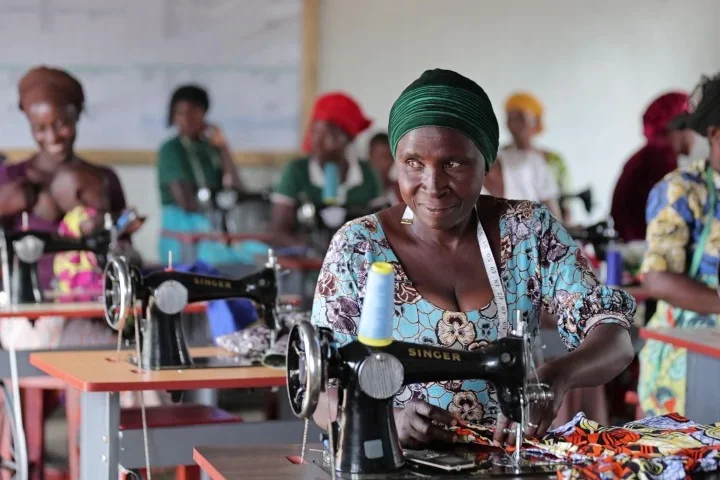
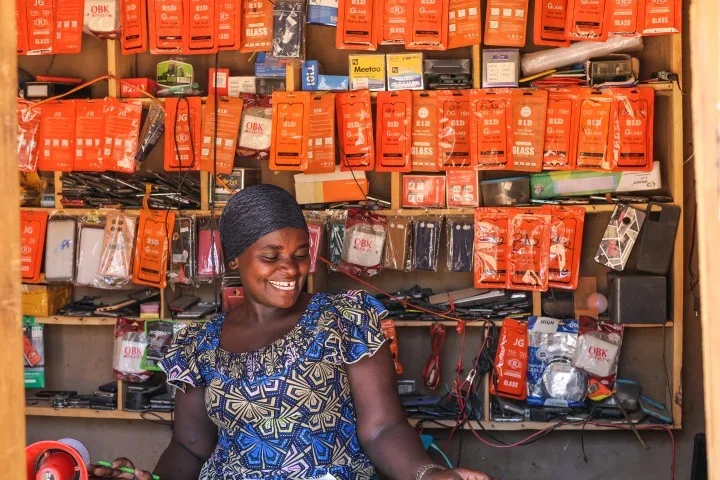
Oliva, a tailor who also arrived from the DRC in 2022, highlights the portability of these skills. "That knowledge stays in your head," she says. "Even if you move, you take your machine and continue." By choosing a trade rather than a crop, Oliva has successfully decoupled her income from the unpredictability of rainfall. She now earns up to 70,000 Ugandan shillings ($19) per month—enough to cover school fees that previously necessitated begging or cheap, unpredictable labor.
Official Responses and Strategic Implications
The strategy behind EFASeR, supported by The Church of Jesus Christ of Latter-day Saints, aligns with a global shift in humanitarian aid: the "Triple Nexus" approach, which integrates humanitarian relief, development, and peacebuilding.
Uganda, which hosts the largest refugee population in Africa (nearly 2 million people), has long been praised for its progressive policies allowing refugees the right to work and land. However, the government’s Office of the Prime Minister, in coordination with UNHCR, acknowledges that the current funding model is unsustainable.
"The measure of humanitarian action is not only how long people receive support," notes a CARE spokesperson, "but whether that support helps open a path toward greater choice, dignity, and self-reliance." By providing the "scaffolding"—training in financial literacy, market linkage, and group management—CARE has allowed refugees to move beyond mere survival.
The Human Element: Building Stability
The transformation is not limited to economics; it has fundamentally altered the social fabric of the settlement. Natalia and her husband, Silverano, once managed their meager resources separately, often leading to friction. Today, they plan their household budget together.
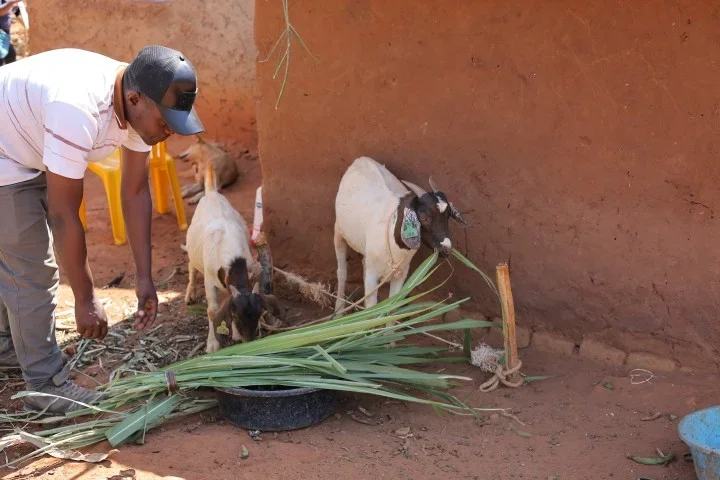
In the Juru zone, Amani Munyakazi is building a system for the future. By investing in livestock, he is not merely raising animals; he is building an asset class that multiplies. "If you give me one goat, next time you come, find me with ten," he says. This mindset shift—from consuming the next meal to investing in the next season—is the hallmark of the EFASeR initiative.
A Future Beyond Displacement
The implications of the Nakivale model are profound. As the world faces an increasing number of protracted crises, the "Nakivale model" offers a roadmap for moving beyond the donor-recipient dichotomy.
The residents of Nakivale are not asking to be defined by their displacement. They are reclaiming their identities as farmers, tailors, livestock keepers, and entrepreneurs. While the food assistance that once kept them alive was essential, it was, at best, a temporary stopgap. The current focus on self-reliance provides something far more durable: the ability to plan for a future that is not contingent on the volatility of international aid budgets.
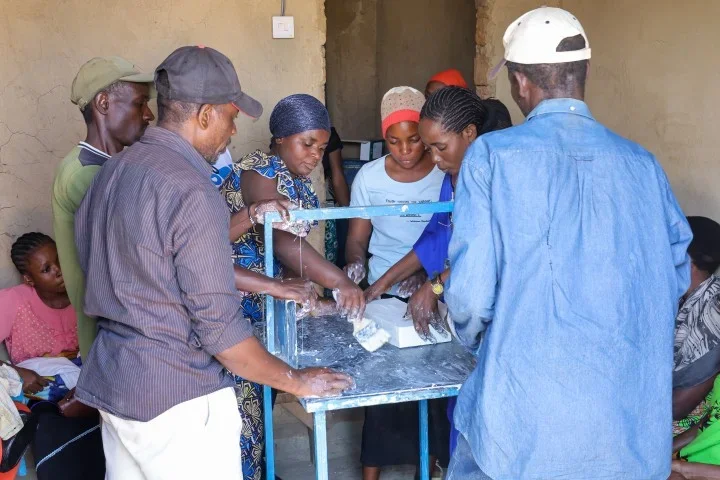
For Natalia, the next goal is clear: she intends to buy the land she currently farms, moving from a temporary occupant to an owner. For others, like the soap-makers or the budding authors in the settlement, the path forward involves integrating their local micro-businesses into the broader Ugandan economy.
As the humanitarian community watches, the story of Nakivale serves as a powerful testament to the resilience of the human spirit. When provided with the tools to innovate and the space to organize, refugees are not a burden to be managed, but a community capable of building its own path to prosperity—one cabbage, one garment, and one goat at a time.
About CARE in Uganda
Since 1969, CARE has been a fixture in Uganda’s humanitarian sector. With a deep commitment to gender equality, CARE’s programming is specifically designed to empower women and girls, who often bear the brunt of displacement. Today, the organization reaches over 1 million people annually, ensuring that even in the face of dwindling global resources, the most vulnerable can transition from crisis to self-sufficiency.


 Reynand Wu
 Jia Lissa






