
 Lina Hope
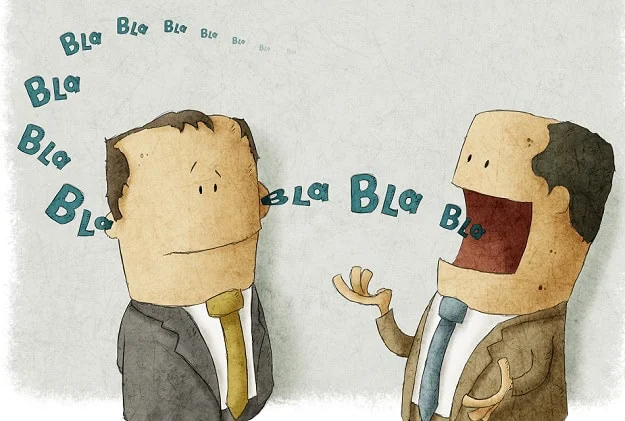
In the modern professional landscape, the relationship between an employee and their manager is perhaps the most scrutinized dynamic in organizational psychology. From the "quick question" that consumes an entire afternoon to the paradoxical directive to "think outside the box" while operating within the strictest budgetary constraints, the office environment is a breeding ground for both high productivity and extreme frustration.
While leadership theory emphasizes mentorship and vision, the day-to-day reality often involves navigating the eccentricities of those in power. To survive the inherent stressors of the 9-to-5 (or, more accurately, the 8-to-7), employees have long turned to humor as a vital coping mechanism. By laughing at the absurdities of corporate culture, workers find a way to bond, release tension, and maintain their sanity.
The Psychology of Workplace Humor
Humor in the workplace is not merely a distraction; it is a sophisticated social lubricant. According to organizational behavior experts, shared laughter serves as a release valve for the high-pressure environment of contemporary business. When a boss makes a demand that borders on the impossible, the ability to frame that request with irony—rather than anger—can prevent burnout and improve team cohesion.
This phenomenon is particularly prevalent during periods of organizational change or high-stress deadlines. By collecting and sharing "boss quotes," employees transform a solitary struggle into a communal experience, effectively humanizing the power structure and making the workplace feel more like a community and less like a hierarchy.
A Chronology of Corporate Frustration
The history of the "boss trope" is as old as the concept of the workplace itself. Throughout the 20th and 21st centuries, our perception of the workplace has shifted from the rigid, hierarchical structures of the industrial era to the fluid, "family-oriented" startups of today.
The Era of Rigid Hierarchy (Pre-1980s)
In the mid-20th century, the boss was a distant, authoritative figure. The humor of this era, characterized by voices like Groucho Marx, focused on the power dynamic:
"No man goes before his time — unless the boss leaves early."
The Rise of Middle Management (1980s–2000s)
As the workforce grew more complex, the frustrations shifted toward bureaucracy and the delegation of tasks. The mid-90s saw a rise in "dilbert-esque" satire, capturing the soul-crushing nature of meetings and unnecessary oversight. This is the era that birthed the "boss who retires on the job" or the manager who claims to value teamwork while demanding total compliance.
The Modern "Family" Dynamic (2010s–Present)
In the modern era, the lines between professional and personal life have blurred. Phrases like "we’re a family" are now standard, leading to a new wave of irony. As one anonymous employee noted: "My boss keeps saying we’re like a family. Unfortunately, I can’t keep my contact with him to only a few days around major holidays."
Supporting Data: Why Employees Are Laughing
While formal statistics on workplace humor are difficult to quantify, survey data from human resources research consistently points to a direct correlation between humor and employee retention. In environments where "gallows humor" is permitted, morale remains higher than in environments where it is strictly suppressed.
Consider the "Coffee-Task Paradox." While anecdotal, it is a universally recognized workplace truth: “As soon as you get a cup of hot coffee, your boss will assign you a task that lasts just long enough for your coffee to go cold.” This is not just a joke; it represents the constant interruption cycle that defines modern cognitive labor. When employees share these observations, they are validating their own experiences, which is a crucial step in maintaining mental health.
Official Perspectives: The Boss’s View
It is easy to paint the manager as the villain, but it is worth noting the pressure points from the top down. Often, the "stupid" requests coming from above are actually the result of pressures from shareholders, boards, or upper management.
Many leadership coaches now argue that the "funny boss" is actually the most effective one. A manager who can laugh at themselves—who understands that they might be the subject of a joke—is often more approachable and less likely to foster a toxic environment. When a boss acknowledges, "I know this meeting could have been an email," they build a bridge of trust with their team.
The Anatomy of a Great Boss Quote
To truly understand why these quotes resonate, we must look at the structural elements of workplace humor:
1. The Paradox of Empowerment
Many quotes highlight the gap between what a boss says and what they do.
- "A team effort is a lot of people doing what I say." – Michael Winner
- "Accomplishing the impossible means only that the boss will add it to your regular duties." – Doug Larson
2. The Illusion of Autonomy
The modern employee is often told they are an "owner" of their work, yet they lack the authority to make decisions.
- "My boss told me to think outside the box. Then he also told me to do it quickly and that the budget was very limited this year." – Sam Williams
3. The Survival Instinct
Sometimes, the humor is simply about getting through the day.
- "Nothing makes you work faster than hearing your boss’s footsteps while you have seven tabs open and none of them are about work." – Sandra Shea
Implications for Corporate Culture
What does the persistence of these quotes tell us about the future of work? As remote and hybrid work models become the standard, the physical "boss’s footsteps" may disappear, but the digital equivalents—the Slack notification, the surprise Zoom call, the "just a quick check-in" email—remain.
The implication is clear: Humor is a tool for resilience. If an organization wants to keep its talent, it must allow for the "human" element of the job. Rigid, humorless environments are increasingly viewed as outdated and unappealing to the modern workforce.
Building a Culture of Lightheartedness
Organizations that want to foster a healthier culture should:
- Encourage Feedback: Create channels where employees feel safe expressing their frustrations, even through humor.
- Lead with Vulnerability: Managers should be the first to acknowledge the absurdity of certain corporate processes.
- Recognize the Human Factor: Understand that employees are not just productivity units; they are individuals with needs, stresses, and a capacity for wit.
Conclusion: Laughing All the Way to the Weekend
Whether it’s the frustration of a 2% raise that comes with a 20% workload increase or the simple, universal truth that employees are happiest on Fridays, humor remains our most effective defense against the grind of the corporate machine.
As we continue to navigate the complexities of professional life, let us remember that the goal is not to eliminate all workplace tension—that is likely impossible—but to manage it. By sharing these quotes, we remind ourselves that we are not alone in our experiences. We are part of a global collective of people who, at some point or another, have looked at their boss and wondered, "Are they actually serious?"
So, the next time your manager pulls you into a two-hour meeting to discuss "why we need to be more productive," take a deep breath, keep your sense of humor sharp, and remember: you aren’t just working; you are participating in a grand, often hilarious, human tradition.
Quick Reference: 31 Ways to Find Humor in the Hierarchy
- "No man goes before his time — unless the boss leaves early." – Groucho Marx
- "Accomplishing the impossible means only that the boss will add it to your regular duties." – Doug Larson
- "Tell your boss what you really think about him, and the truth shall set you free." – Patrick Murray
- "When my boss says ‘whenever you get a chance,’ he means right now." – Sandra Shea
- "By working faithfully eight hours a day, you may eventually get to be boss and work twelve hours a day." – Robert Frost
- "If I could pay you less, I would, but it’s against the law." – Chris Rock
- "If your boss is getting you down, look at him through the prongs of a fork and imagine him in jail." – David Brent
- "If you tell the boss you were late for work because you had a flat tire, the next morning you will have a flat tire." – Cannon’s Law
- "My boss keeps saying we’re like a family. Unfortunately I can’t keep my contact with him to only a few days around major holidays." – Jim Harper
- "Kill my boss? Do I dare live out the American dream?" – Homer Simpson
- "A team effort is a lot of people doing what I say." – Michael Winner
- "There’s no better vacation than my boss being on vacation." – Unknown
- "I didn’t say it was your fault. I said I was going to blame it on you." – Ashleigh Brilliant
- "When you don’t do it, you’re lazy. When your boss doesn’t do it, he’s too busy." – Unknown
- "Executive ability is deciding quickly and getting somebody else to do the work." – Earl Nightingale
- "I always try to go the extra mile at work, but my boss always finds me and brings me back." – Unknown
- "There’s an enormous number of managers who have retired on the job." – Peter Drucker
- "Do not underestimate your abilities. That is your boss’s job." – Unknown
- "The best time to start thinking about your retirement is before the boss does." – Unknown
- "Most of what we call management consists of making it difficult for people to get their work done." – Peter Drucker
- "My boss told me to think outside the box. Then he also told me to do it quickly and that the budget was very limited this year." – Sam Williams
- "Tact is the ability to tell someone to go to hell in such a way that they look forward to the trip." – Winston Churchill
- "If you think your boss is stupid, remember: you wouldn’t have a job if he was any smarter." – Unknown
- "Employers are at their happiest on Mondays. Employees are at their happiest on Fridays." – Mokokoma Mokhonoana
- "My boss told me to start every presentation with a joke. The first slide was my paycheck." – Unknown
- "Nothing makes you work faster than hearing your boss’s footsteps while you have seven tabs open and none of them are about work." – Sandra Shea
- "The main difference between a boss and the Pope is that the Pope only expects you to kiss his ring." – Unknown
- "I finally got a raise. 2% in pay and 20% in workload." – Jody Jepson
- "As soon as you get a cup of hot coffee, your boss will assign you a task that lasts just long enough for your coffee to go cold." – Unknown
- "Deadlines are sacred to my boss, unless they’re his deadlines." – Steve Jones
- "My boss insists on having a two-hour meeting to discuss why we need to be more productive." – Unknown

 Ali Ikhwan

 Azzam Bilal Chamdy