

 Basiran
As December 1 approaches, organizations worldwide are shifting their focus from traditional fundraising tactics to innovative, community-centric models of generosity. GivingTuesday, once defined primarily by the volume of online monetary donations, has evolved into a global movement where the "how" of giving is just as important as the "how much."
From employee-led governance to the transformation of corporate concert riders into philanthropic assets, the landscape of social impact is being rewritten. This article explores how five pioneering organizations are leveraging GivingTuesday to move beyond transactional charity and toward a model of sustained, community-embedded impact.
1. Main Facts: The Evolution of Modern Generosity
GivingTuesday has transcended its origins as a digital counterpoint to consumer-heavy shopping holidays like Black Friday and Cyber Monday. Today, it serves as a litmus test for corporate social responsibility (CSR) and community engagement. The core shift observed in the current landscape is the decentralization of decision-making.
Organizations are no longer dictating where funds go; instead, they are empowering stakeholders—employees, volunteers, and beneficiaries—to steer the ship. By integrating generosity into existing organizational infrastructures, these entities have successfully increased both participant morale and tangible social outcomes. Whether through matching gift campaigns, youth-led service initiatives, or the creative repurposing of industry-standard logistics, the common thread is an emphasis on participatory philanthropy.
2. A Chronology of Innovation: How We Got Here
The journey toward this new model of giving has been gradual but steady over the past decade.
- 2012–2016 (The Foundation Phase): GivingTuesday launched as a simple call to action for end-of-year charitable giving. Organizations focused on social media mobilization and digital fundraising efficiency.
- 2017–2020 (The Participatory Shift): A growing interest in "giving circles" and employee-matched funds began to surface. Companies realized that engagement spiked when employees felt a sense of ownership over the donation process.
- 2021–2024 (The Creative Integration Phase): Organizations began moving away from the "ask" and toward "action." This period saw the rise of cross-sector partnerships, such as bookstores collaborating with youth service clubs and creative agencies embedding philanthropy into the entertainment industry’s operational standards.
- 2025–Present (The Scaling of Impact): We are currently in an era where global organizations are formalizing these grassroots tactics into "playbooks" that can be adapted across different cultural and economic contexts. The 2025 successes in Kenya, Nigeria, and Puerto Rico serve as the blueprint for the 2026 campaign season.
3. Supporting Data and Case Studies
The Power of Employee Agency (Czech Republic)
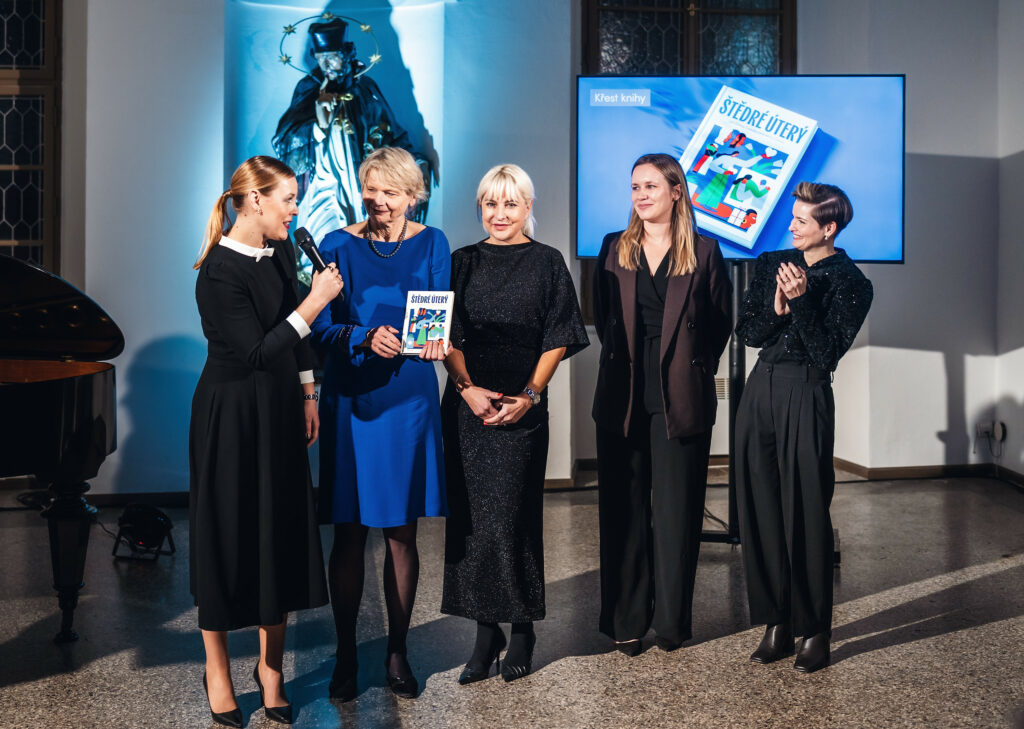
In the Czech Republic, corporations like ČEPS and ČEZ have redefined the internal culture of giving. By implementing "employee-nominated" and "employee-voted" funding programs, these companies have effectively turned their internal staff into a philanthropic board.
- Data Insight: Research indicates that when employees have a voice in the selection of nonprofit beneficiaries, participation in internal CSR programs increases by upwards of 40%. The result is a more engaged workforce that views their employer as a facilitator of their own personal values.
The Multiplier Effect: Matching Campaigns (Kenya)
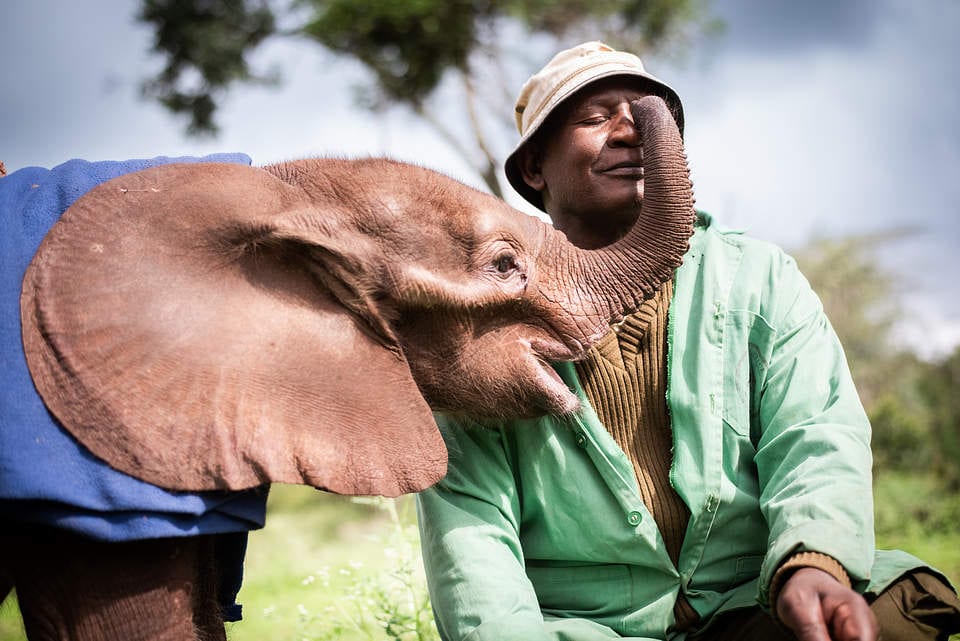
The Sheldrick Wildlife Trust’s 2025 campaign in Kenya highlights the psychological efficacy of the "matching gift." By securing commitments from local partners to double donations, the trust was able to shift the narrative from "please give" to "your impact is doubled."
- Strategic Outcome: This model creates a sense of urgency and transparency, as donors can clearly see the trajectory of their contribution from a small individual gift to a significant collective sum.
Youth-Led Service (Nigeria)
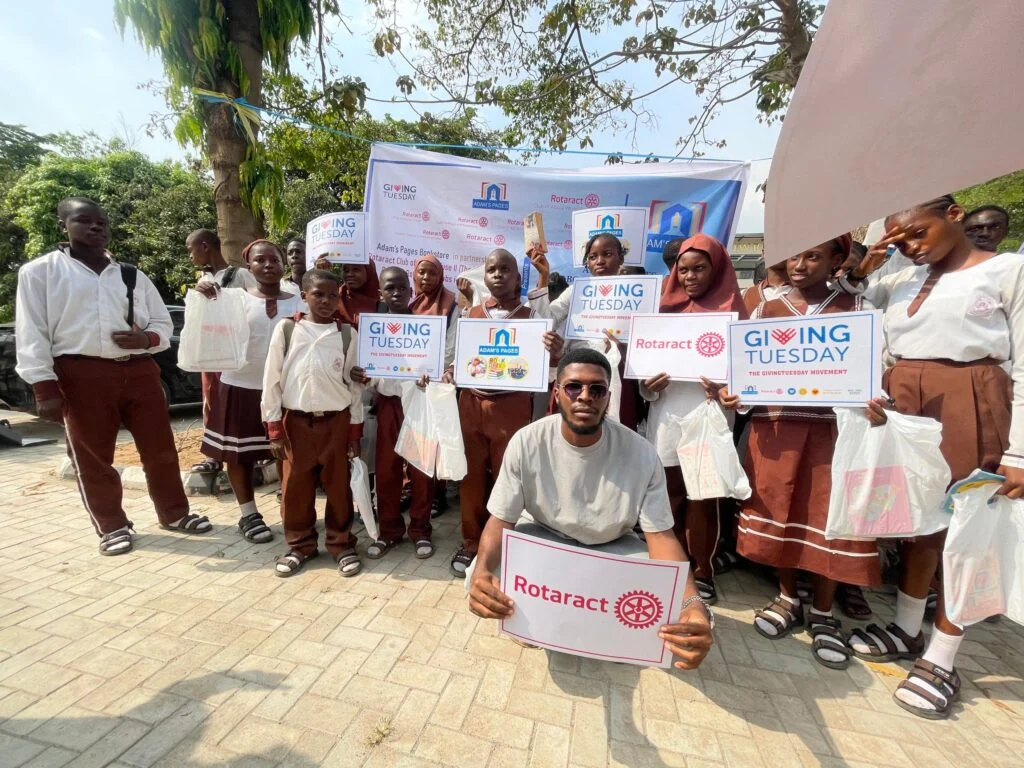
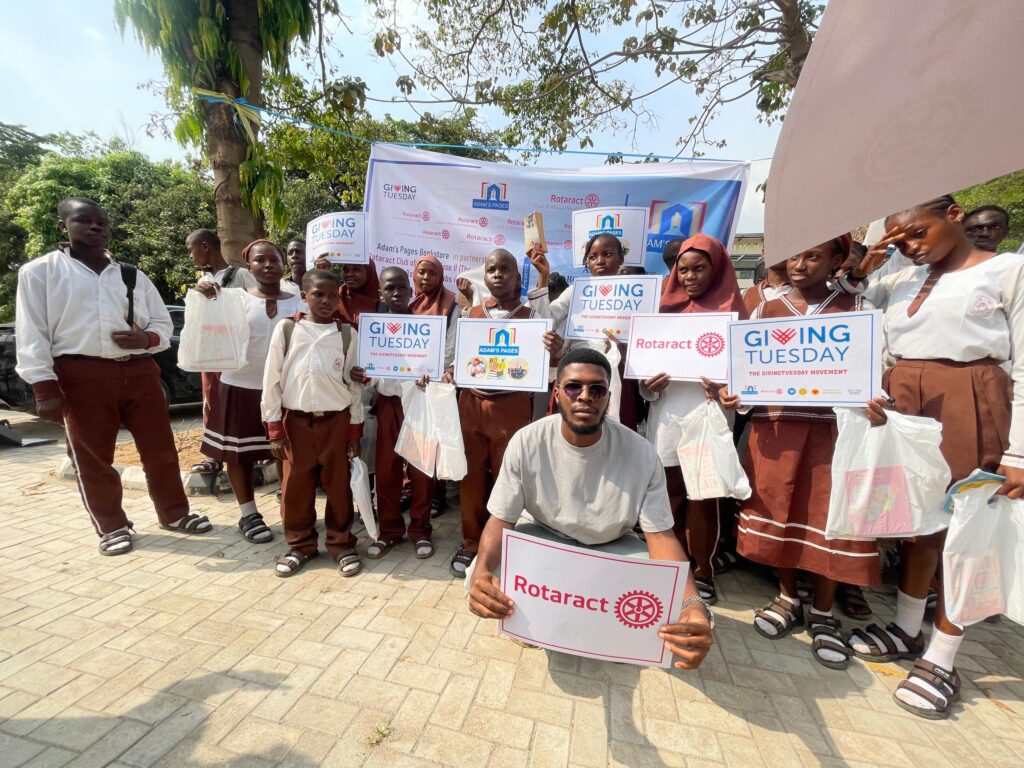
The partnership between Adam’s Pages Bookstore and Rotaract clubs in Nigeria is a masterclass in grassroots mobilization. By handing the operational reins to young leaders, the initiative distributed over 300 books and 120 exercise books to more than 215 children.
- Key Finding: Youth-led projects tend to be more agile and responsive to immediate community needs than top-down corporate initiatives.
Operational Philanthropy (Puerto Rico)
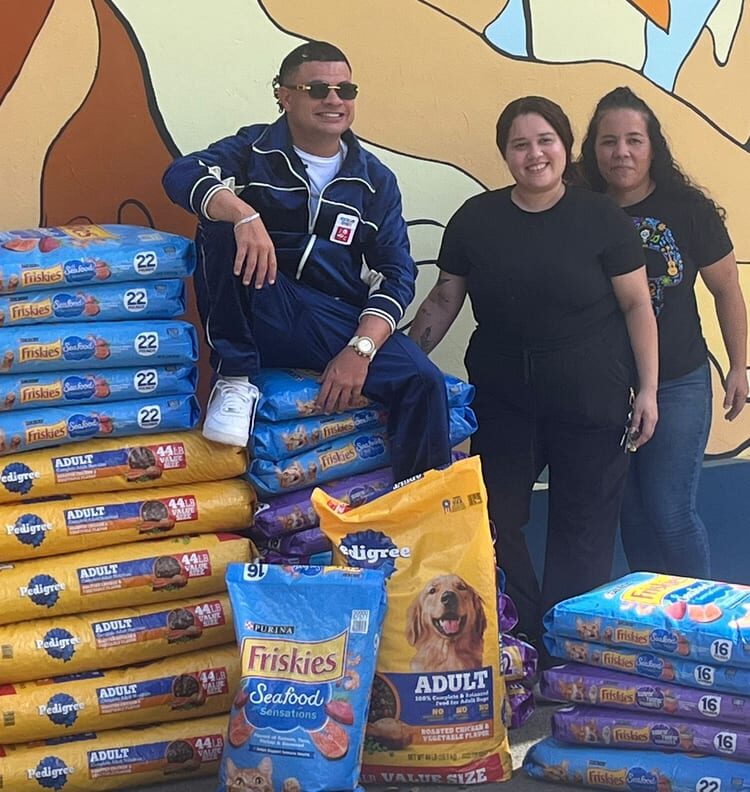
Perhaps the most creative pivot occurred in Puerto Rico, where a concert rider (a set of requirements for an artist’s performance) was turned into a donation vehicle. By requiring 1,500 pounds of pet food as part of an artist’s contract, the "Demands for Giving" campaign successfully used industry infrastructure to support local animal rescues.
4. Official Responses and Industry Perspectives
GivingTuesday leadership emphasizes that there is no "one-size-fits-all" approach to the movement. "Your GivingTuesday campaign doesn’t have to look like anyone else’s," says the official GivingTuesday organizational mandate. The focus for the 2026 season is "relational, not transactional."
Industry experts suggest that the most successful organizations are those that listen to their communities before they launch their campaigns. "Don’t ask what you can give," says a spokesperson for a global nonprofit collective. "Ask what your community needs and how your existing assets—whether it’s a logistics team, a marketing budget, or a network of volunteers—can meet those needs."
5. Strategic Implications for Organizations
For organizations planning their participation in the upcoming December 1 event, the implications of these trends are clear:
Decentralize Decision-Making
Organizations should move away from top-down giving strategies. By allowing employees or community members to vote on project funding, you increase the likelihood of buy-in and long-term commitment. This creates a "stakeholder" mentality rather than a "donor" mentality.
Leverage Existing Assets
Before launching a new fundraising drive, audit your existing operations. Do you have a bookstore? Use it for a literacy drive. Are you a logistics company? Offer free shipping for local food banks. Are you an agency? Use your creative team to amplify a grassroots campaign. As the Puerto Rican case study shows, the most effective campaigns often hide in plain sight within an organization’s standard operating procedures.
Focus on Youth Leadership
Younger generations are increasingly values-driven. Providing them with the resources to run a project—rather than simply asking for a donation—builds a pipeline of future leaders who are invested in your organization’s mission.
Transparency in Matching
If you are launching a matching campaign, clarity is paramount. Donors want to know exactly how their money is being used and exactly what the "match" achieves. A transparent, clearly defined goal makes the participation process more rewarding for the contributor.
Conclusion: Beyond the Calendar
GivingTuesday is, by definition, a single day on the calendar, but its true power lies in its ability to spark year-round systemic change. As organizations look toward December 1, 2026, the mandate is to stop thinking about "how much" and start thinking about "who."
By putting people—employees, youth, and community members—at the center of the GivingTuesday experience, organizations can transform their corporate culture from one of passive donations to one of active, meaningful partnership. The future of generosity is not found in a bank account or a donation button; it is found in the collaborative spirit of the communities we serve.
As you prepare for this year’s cycle, remember: the most successful campaigns are not the ones that demand the most from their supporters, but the ones that give their supporters the most meaningful ways to contribute. Explore the "Stories of Generosity" map for inspiration, align your team, and prepare to make this GivingTuesday the most impactful one yet.


 Pevita Pearce

 Reynand Wu






