

 Nila Kartika Wati
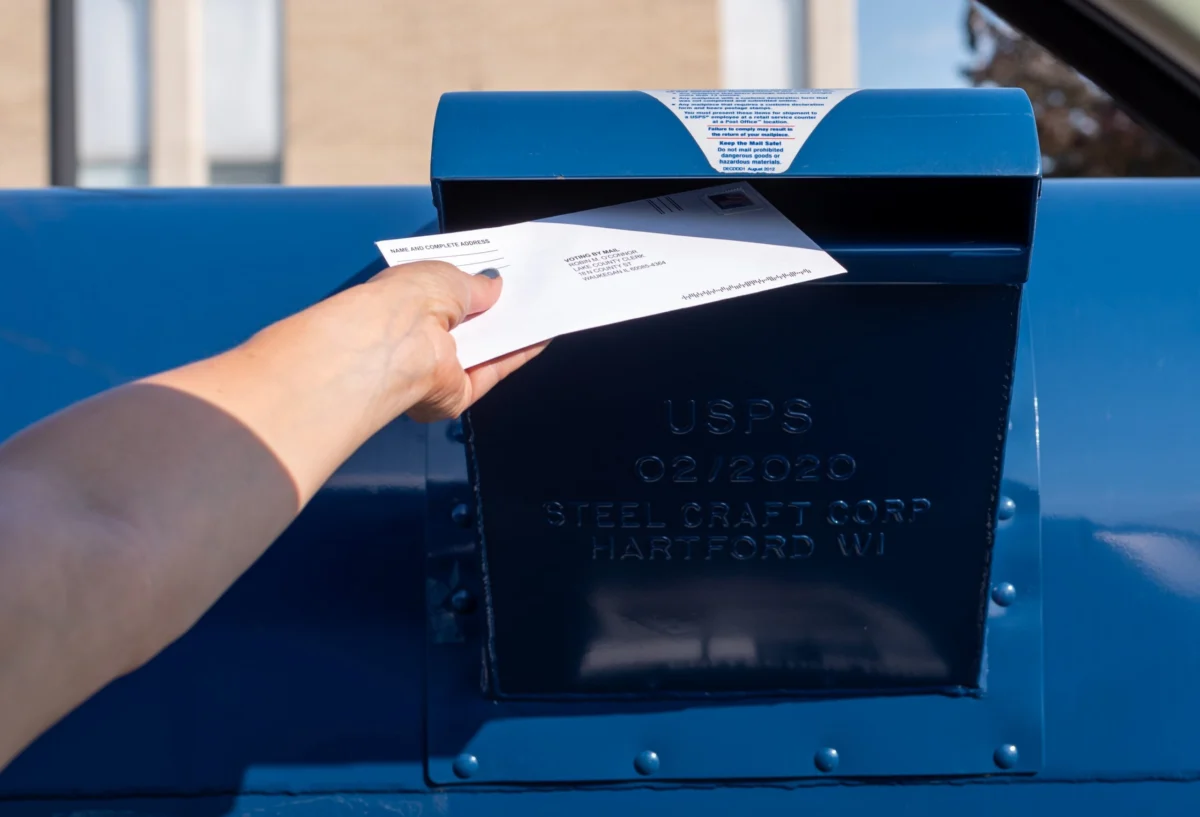
WASHINGTON — A powerful coalition of civil rights organizations, including the Lawyers’ Committee for Civil Rights Under Law, the NAACP, Common Cause, and Black Voters Matter, has escalated its legal battle against the Trump administration’s policies on mail-in voting. In a significant filing submitted to federal court today, the group unveiled an amended complaint that specifically targets a controversial new rule issued by the United States Postal Service (USPS), which critics argue imposes illegal, last-minute restrictions on the ability of Americans to cast their ballots by mail.
The legal action represents a critical pivot in a months-long struggle over the integrity and accessibility of the democratic process. As the nation approaches the November general election, the plaintiffs contend that these new postal directives are designed to bypass state election laws, induce widespread administrative confusion, and effectively disenfranchise millions of eligible voters. The coalition is now seeking an immediate judicial stay to halt the implementation of the USPS rule, arguing that it represents an unprecedented and unauthorized federal overreach into state-governed electoral processes.
The Core Conflict: Federal Authority vs. State Sovereignty
At the heart of the litigation is a fundamental question of federal jurisdiction. The amended complaint asserts that the Postal Service lacks the legal authority to enact regulations that fundamentally alter the mechanics of federal elections. By imposing restrictive guidelines on the processing and delivery of mail-in ballots, the USPS is accused of encroaching upon powers traditionally reserved for state legislatures and election officials.
“The Postal Service exists to deliver our mail, not to be weaponized by this administration to silence voters,” said Virginia Kase Solomón, president and CEO of Common Cause. The coalition’s filing argues that the rule serves as a de facto barrier to the ballot, masquerading as a procedural update while effectively targeting marginalized populations.
The plaintiffs emphasize that the timing of the rule is particularly suspect. Issued mere weeks before the election, the directive leaves little time for state election boards to adjust their logistics, for the USPS to retrain staff, or for voters to navigate the new, more stringent requirements. Legal analysts suggest that this "last-minute" implementation strategy is a hallmark of voter suppression tactics, creating a chaotic environment where legitimate ballots are more likely to be disqualified for technicalities.
Chronology of the Legal Battle
The current filing is the latest development in a protracted legal saga that began in early 2024.
- April 2024: The coalition initially filed a lawsuit challenging the executive order issued by the President regarding mail-in voting, arguing that it lacked constitutional grounding and threatened to destabilize the electoral system.
- Summer 2024: A federal judge presiding over the case opted to pause the proceedings, citing that the specific postal restrictions had not yet been finalized or formally implemented. The court indicated that the case was not yet "ripe" for adjudication because the harm was speculative.
- August 2024: The USPS officially finalized and published the new rules, rendering the harm immediate and concrete.
- Present Day: The coalition filed their amended complaint, providing the court with the necessary evidence of the finalized rule to revive the lawsuit. The plaintiffs are now urging the court to move with urgency, noting that every day the rule remains in effect, voter confidence and accessibility suffer.
The Human Impact: Who is at Risk?
The coalition’s complaint outlines a broad spectrum of citizens who stand to be disenfranchised by the USPS rule. The list includes, but is not limited to:
- Black Voters and Voters of Color: Historically targeted by suppression tactics, these communities are statistically more reliant on mail-in options in many jurisdictions.
- Seniors: Older Americans, who may have limited mobility or rely on caregivers to transport ballots to mailboxes, face increased hurdles under the new guidelines.
- Military Personnel Serving Overseas: These voters rely entirely on the integrity and efficiency of the postal system to exercise their franchise from thousands of miles away.
- Rural Residents: With fewer drop-off locations and greater distances to polling places, mail-in voting is often the only viable method for participation.
- Voters with Disabilities: The flexibility of mail-in voting has been a cornerstone of accessibility for those with physical limitations, providing a private and safe way to vote without the physical challenges of in-person lines.
The plaintiffs argue that the administration’s focus on these specific demographics is not coincidental. "This is the same old playbook," stated Cliff Albright and LaTosha Brown, co-founders of the Black Voters Matter Fund. "Manufacture confusion, create unnecessary hurdles, and chip away at voting access."
Supporting Data and Precedent
The coalition’s legal arguments are bolstered by extensive data regarding the reliance on mail-in ballots. According to a 2024 election study cited in an amicus brief by the Lawyers’ Committee, absentee voting accounted for approximately 31 percent of all votes cast across 32 states. The scale of this participation is massive: nearly 2 million Black voters, 3 million Asian voters, and over 4 million Hispanic voters utilized mail-in ballots in those states alone.
By disrupting a system that serves millions, the USPS rule effectively threatens the democratic participation of a significant percentage of the American electorate. The legal team argues that because these populations are so heavily represented in the mail-in voting cohort, any broad-based restriction on the USPS constitutes a form of discriminatory policy, regardless of its stated intent.
Official Responses and Organizational Stance
The leadership of the organizations involved in the lawsuit has been unified in their condemnation of the administration’s actions.
Damon Hewitt, president and executive director of the Lawyers’ Committee for Civil Rights Under Law, framed the struggle as a defense of the democratic process itself. “We will not let this or any administration further undermine our democratic process,” Hewitt stated. “We will fight to ensure our elections are free and fair, and that eligible voters are not shut out.”
Derrick Johnson, president and CEO of the NAACP, echoed these sentiments, highlighting the urgency of the moment. “No federal entity should be allowed to implement last-minute rules that disenfranchise voters and override state election laws,” Johnson said. “We will not stand idly by while the voices of the people are silenced.”
Implications for the November Election
The potential implications of this lawsuit are profound. If the court grants the injunction, it would effectively freeze the USPS rule, allowing states to continue their established mail-in procedures without the interference of the new federal mandate. If the court declines, however, election officials across the country face a daunting task: reconciling conflicting federal and state requirements during the most critical weeks of the election cycle.
Furthermore, the case sets a significant precedent regarding the extent of federal agency power over electoral administration. Should the court uphold the USPS’s authority to implement such rules, it could open the door for future administrations to use federal agencies as tools to influence election outcomes, further politicizing institutions that are intended to remain neutral.
The coalition has urged voters who encounter difficulties or have questions about the changing landscape of voting access to utilize the Election Protection Hotline at 866-OUR-VOTE.
As the legal proceedings continue, the eyes of the nation are fixed on the federal bench. With the integrity of the November election hanging in the balance, the coalition remains steadfast in its resolve. As the Black Voters Matter Fund noted in its statement, the goal is clear: "We cannot allow voter suppression to be repackaged as voter protection or allow political interference to determine who gets to participate and whose voice counts."
The case now moves to the briefing stage, where the administration will be expected to defend the legal authority behind the USPS rule against the constitutional challenges posed by the civil rights coalition. For now, the fight for the ballot box continues in the courts, reflecting a deep divide over the accessibility and future of American democracy.


 Rifan Muazin

 Layla Zulfa