




 Lina Irawan
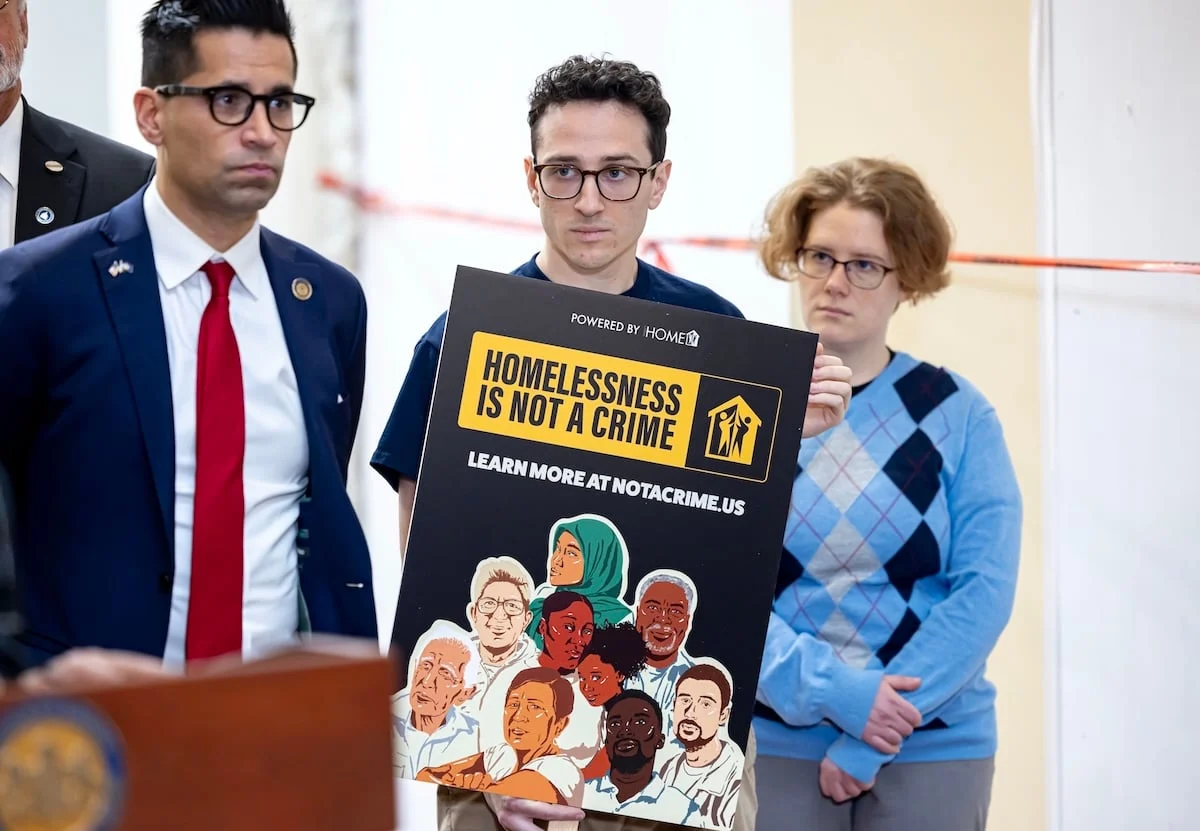
Nearly two years have passed since the Supreme Court’s landmark ruling in City of Grants Pass v. Johnson, a decision that fundamentally altered the legal landscape regarding homelessness in the United States. By confirming that jurisdictions may constitutionally criminalize sleeping in public spaces—even when no adequate shelter is available—the Court effectively removed a critical legal safeguard that had previously protected the most vulnerable members of society.
As the dust settles, the nation finds itself in a period of legislative and administrative volatility. While some regions have embraced the ruling as a green light for aggressive encampment sweeps, a growing coalition of advocates, state lawmakers, and local officials are pushing back, seeking to codify protections that mirror the pre-Grants Pass era.
Main Facts: The Legal Shift and Its Aftermath
The June 2024 Supreme Court ruling sent a shockwave through the national discourse on urban policy. By overturning Ninth Circuit precedents that had limited the ability of cities to punish individuals for the "involuntary" act of sleeping outside, the Court shifted the focus of homelessness management from social services to law enforcement.
The immediate aftermath was characterized by a surge in "encampment sweeps"—the systematic clearing of public spaces where homeless individuals congregate. These operations often involve the destruction of personal property, including identification documents, medications, and survival gear, which can further destabilize individuals struggling to transition into permanent housing.
However, the response has not been uniform. While some leaders, such as California Governor Gavin Newsom, have explicitly utilized the ruling to justify "carrot and stick" approaches—frequently emphasizing the latter through high-profile encampment removals—other jurisdictions have sought to preserve, or even expand, civil rights protections for those experiencing homelessness.

Chronology of a Crisis
- June 2024: The Supreme Court issues its ruling in City of Grants Pass v. Johnson, effectively legalizing the criminalization of public camping.
- July 2024: The Los Angeles County Board of Supervisors reaffirms its commitment to a "care-first" model, formally opposing the use of jails for enforcing anti-camping ordinances.
- October 2024: Governor Newsom signs California SB 634, protecting aid workers and good Samaritans from criminalization, a notable pivot following local controversies in cities like Fremont.
- January 2025: Illinois introduces House Bill 1429, a legislative attempt to enshrine protections against the criminalization of "life-sustaining activities" on public land.
- February 2025: The "Housing Not Handcuffs Act" is introduced in Congress, seeking federal protection against the arrest of individuals for resting, sleeping, or storing personal property in public.
- November 2025: Connecticut becomes the first state in the nation to pass legislation banning "hostile architecture," marking a significant, albeit narrow, victory for housing advocates.
Supporting Data: The Scale of the Challenge
The urgency of these legislative efforts is underscored by the worsening housing affordability crisis. Data from the National Homelessness Law Center (NHLC) suggests that the solution remains structural: a lack of affordable housing and supportive services.
In Illinois, for example, the Coalition to End Homelessness estimates a staggering shortfall of more than 5,300 shelter beds and 10,900 permanent supportive housing units. This deficit creates a reality where, for many, public spaces are the only available refuge.
Similarly, in Connecticut, the annual Point-in-Time count recorded a 45 percent increase in unsheltered homelessness between 2024 and 2025. These figures provide the context for why local governments are facing intense pressure to choose between punitive measures and sustainable, long-term investments in housing infrastructure.
Official Responses and Policy Interventions
The "Housing Not Handcuffs" Framework
The National Homelessness Law Center (NHLC) has emerged as the primary architect of legislative resistance. Their "Housing Not Handcuffs Act" serves as the gold standard for advocates. It seeks to protect "life-sustaining activities"—defined as moving, resting, sitting, standing, lying down, sleeping, and protecting oneself from the elements—on public land. Crucially, the act distinguishes between those who have access to adequate, safe, and non-coercive shelter and those who do not.
The Gloria Johnson Act
Designed for the state and local level, the Gloria Johnson Act attempts to codify the protections that existed under the Ninth Circuit prior to the Grants Pass decision. By making the criminalization of homelessness illegal in the absence of "adequate alternative housing," it forces municipalities to prioritize shelter capacity before resorting to police intervention. While the bill has seen mixed success—stalling in Maryland, for instance—it has become a focal point for state-level advocacy in Illinois and Pennsylvania.

Pennsylvania’s "Shelter First" Approach
Pennsylvania has adopted a dual-legislative strategy with Senate Bill 1089 and House Bill 2028. These bills mandate that public camping bans cannot be enforced unless there is an "adequate indoor alternative" that accommodates pets, partners, and personal property. The focus here is on the quality of shelter; recognizing that many individuals avoid congregate shelters because they are forced to separate from their families, pets, or belongings.
Banning Hostile Architecture: A New Front
Perhaps the most innovative development is the legislative assault on "hostile architecture"—design choices like slanted benches, anti-homeless spikes, or uneven pavement intended to prevent people from sitting or lying down.
Connecticut’s 2025 law, integrated into a broader zoning update, prohibits towns from installing such features on publicly owned property. While advocates like Jessica Kubicki of The Housing Collective acknowledge that the state has relatively little existing hostile architecture, the law serves as a critical preemptive strike, preventing cities from designing exclusion into their infrastructure.
Implications: The Long Road Ahead
The legal landscape post-Grants Pass has created a bifurcated reality. On one hand, the ruling has empowered local administrations to clear encampments with less legal friction. On the other, it has galvanized a national movement that argues these policies are not only inhumane but counterproductive.
The argument, championed by lawmakers like Illinois Representative Kevin Olickal, is clear: "People experiencing homelessness deserve to be treated with dignity and respect, not penalized for simply trying to survive." The data backs this sentiment; criminalization creates a revolving door between the streets and the criminal justice system, which costs taxpayers significantly more than providing permanent supportive housing.

As states like Illinois and Pennsylvania continue to debate these protections, the focus is shifting from "how to clear the streets" to "how to address the housing gap." The legislative battles occurring in state houses today will likely determine the character of American cities for the next decade.
The success of these initiatives remains uncertain. With conservative majorities in the federal House and Senate, the Housing Not Handcuffs Act faces steep odds. However, the momentum at the state level—driven by local coalitions and a growing public awareness of the housing crisis—suggests that the fight to decriminalize homelessness is far from over.
Ultimately, the Grants Pass ruling may have opened the door to increased policing, but it has also forced a necessary, albeit painful, confrontation with the reality of the American housing market. Whether that confrontation leads to further criminalization or a renewed commitment to "Housing First" remains the defining question of current social policy. For now, the patchwork of state-level laws suggests that the future of homelessness response will be decided locally, one municipality at a time.

 Ammar Sabilarrohman

 Basiran






