

 Jia Lissa
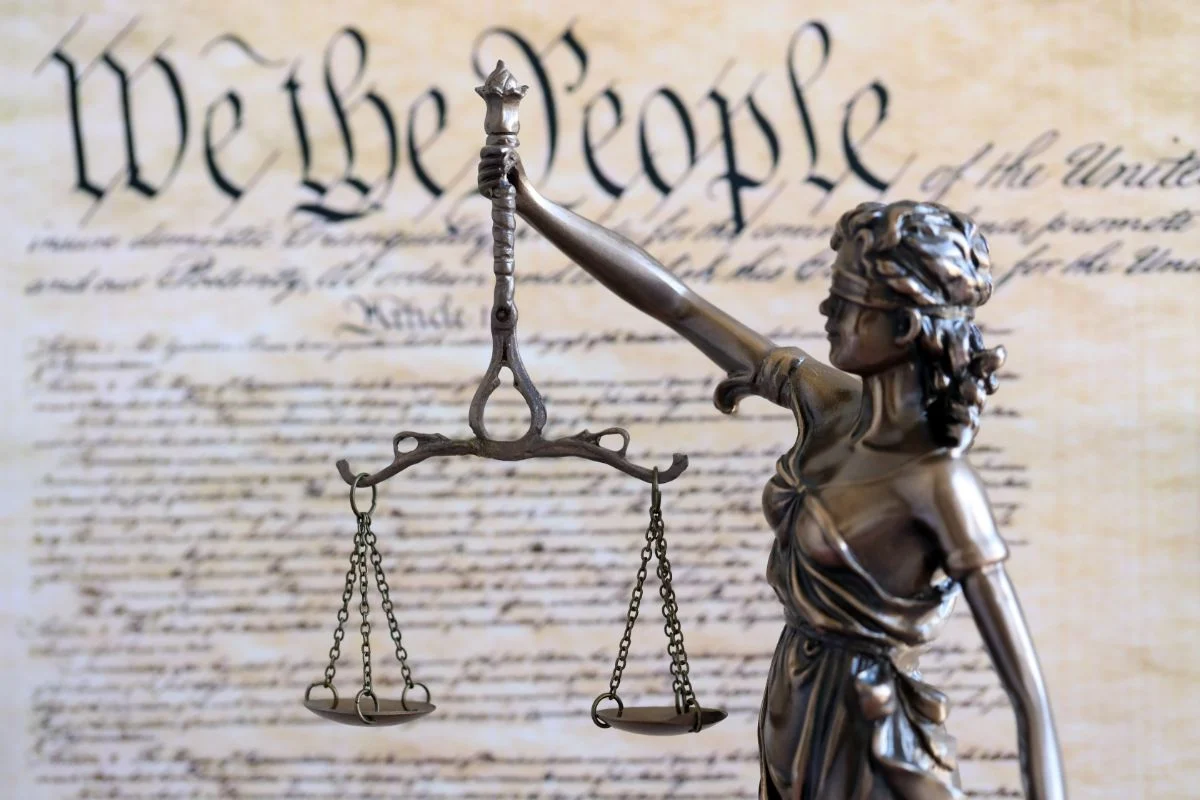
WASHINGTON, D.C. — In a seismic political shift that has redefined the trajectory of the federal government, the American electorate has delivered a resounding verdict on the state of the nation’s integrity. Following the November 2026 midterm elections, which saw voters decisively reject the current administration’s record of alleged systemic corruption, the newly sworn-in Congress is now facing intense pressure to restore the foundational norms of governance.
RepresentUs, the nation’s preeminent nonpartisan anti-corruption organization, has formally stepped into this vacuum of leadership. On November 4, 2026, the group released its comprehensive "Accountability Agenda for Congress," a blueprint designed to dismantle what critics describe as a "mafia-like" infrastructure of power that has permeated the executive branch since 2025.
The Mandate: A Turning Point for Democracy
The midterm results were not merely a shift in partisan control; they represented a systemic demand for transparency. Analysts suggest that the electorate’s primary concern over the last 24 months has been the erosion of checks and balances. According to Maria McFarland Sánchez-Moreno, CEO of RepresentUs, the message from the ballot box was clear: the American people are no longer willing to tolerate a government that prioritizes private enrichment over public service.
"Mafias seek revenge, but democracies demand accountability," Sánchez-Moreno stated during a press conference at the organization’s headquarters. "Voters have delivered a blistering indictment of this administration’s corruption. Now, Congress must meet this moment. It is time to stop merely tolerating corruption and begin the work of systematically ending it."
Chronology: The Rise of the ‘Insider State’ (2025–2026)
To understand the urgency of the Accountability Agenda, one must look back at the rapid degradation of institutional norms since the start of 2025.
- January 2025: Following the transition of power, a series of executive orders began to centralize control over independent regulatory agencies, effectively insulating political appointees from traditional oversight mechanisms.
- Summer 2025: Reports began to surface of "pay-to-play" schemes involving government contracts, where access to federal grants became increasingly linked to political loyalty or private financial contributions.
- Winter 2025–2026: Public outcry intensified as allegations emerged that law enforcement agencies were being repurposed. Instead of serving the public, these institutions were allegedly utilized to shield administration allies from litigation while simultaneously targeting political dissenters.
- Spring/Summer 2026: The "normalization" phase of the administration’s alleged corruption reached a fever pitch, with numerous whistleblowers from within the federal bureaucracy reporting that personal profit-seeking had become a standard operating procedure for mid-to-high-level officials.
- November 2026: The midterm elections serve as the definitive legislative check, effectively handing the new Congress the mandate to investigate the preceding two years of executive conduct.
The Accountability Agenda: Four Pillars of Reform
The RepresentUs Accountability Agenda is not merely a call for rhetoric; it is a tactical manual for the legislative branch. The organization has identified four critical domains where the executive branch’s abuse of power has been most acute.
1. The End of Self-Dealing
The agenda calls for immediate investigations into the financial disclosures of executive officials. RepresentUs argues that public office has been treated as a vehicle for private wealth accumulation, with officials utilizing confidential information to steer market outcomes in favor of their personal portfolios.
2. Regulating for Personal Profit
The organization highlights the phenomenon of "regulatory capture," where the rules governing major industries—such as energy, finance, and technology—were rewritten to benefit specific corporations that hold close ties to administration officials. The Agenda demands that Congress subpoena communication records between agency heads and industry lobbyists to map these conflicts of interest.
3. Pay-to-Play Practices
RepresentUs has identified a disturbing pattern in the distribution of federal contracts and subsidies. The Agenda urges the House and Senate to audit every major federal grant issued since January 2025 to determine if the recipients were selected based on merit or as a reward for political alignment.
4. Weaponization of Law Enforcement
Perhaps the most alarming claim involves the use of the Department of Justice and other federal law enforcement arms as a tool for political retribution. The Agenda calls for a full review of cases involving the investigation of political opponents, suggesting that these actions were coordinated to stifle dissent and ensure the survival of the current administration’s political agenda.
Supporting Data: Why Oversight is Essential
The necessity for these investigations is backed by a growing body of evidence gathered by non-governmental organizations and investigative journalists. RepresentUs points to a significant increase in FOIA (Freedom of Information Act) backlogs since 2025, which they argue is a deliberate strategy by the executive branch to bury evidence of wrongdoing.
Furthermore, polling data suggests that public trust in federal institutions is at an all-time low. A recent survey conducted by the organization revealed that 78% of voters, regardless of party affiliation, believe that the federal government is currently "rigged" to favor the wealthy and well-connected. This bipartisan consensus is what gives the Accountability Agenda its political teeth.
Official Responses and Political Implications
The release of the agenda has sparked a flurry of activity on Capitol Hill. While some veteran lawmakers remain cautious about the potential for "political theater," a significant caucus of newly elected members has already pledged to adopt the agenda’s recommendations.
"The new Congress’s job is to drag the corruption into the light," said McFarland. "We need to ensure that no president or party, regardless of their ideology, ever again treats the United States government as a private, profit-making enterprise."
However, the road ahead is fraught with legal and political hurdles. The administration is expected to invoke "Executive Privilege" to block congressional subpoenas, setting the stage for high-stakes litigation that may eventually reach the Supreme Court. Political analysts note that the outcome of these investigations will likely define the legislative legacy of this Congress and set the stage for the 2028 presidential cycle.
Implications for the Future of Democracy
The struggle between the executive and legislative branches over the next two years will be a stress test for the U.S. Constitution. If Congress successfully implements the Accountability Agenda, it could lead to:
- Stricter Ethics Legislation: Including mandatory divestment for all senior executive officials and stronger conflict-of-interest statutes.
- Whistleblower Protections: A new, robust legal framework to protect federal employees who expose wrongdoing from retaliation.
- Institutional Independence: A fundamental restructuring of independent agencies to prevent political interference in regulatory and law enforcement functions.
As RepresentUs continues to mobilize its grassroots network—which boasts nearly 1.5 million social media followers—the organization is signaling that it will not allow this issue to fade from the public consciousness. By engaging local action teams in congressional districts across the country, they aim to create a persistent, vocal presence that keeps pressure on representatives to act.
"We have seen over the past decade that change is possible," concluded McFarland. "RepresentUs has helped secure more than 200 state and local anti-corruption wins. We know that when the public is informed and engaged, the institutions of power have no choice but to respond."
As the 120th Congress prepares to convene, the eyes of the nation are fixed on the Capitol. The message is clear: the era of unchecked executive power must end, and the restoration of the public trust must begin. Whether the newly elected officials can transform these demands into lasting policy remains the defining question of the current political era. For now, the Accountability Agenda serves as the standard against which their performance will be measured.

 Raul Delapena Setiawan
 Sagoh