



 Sagoh
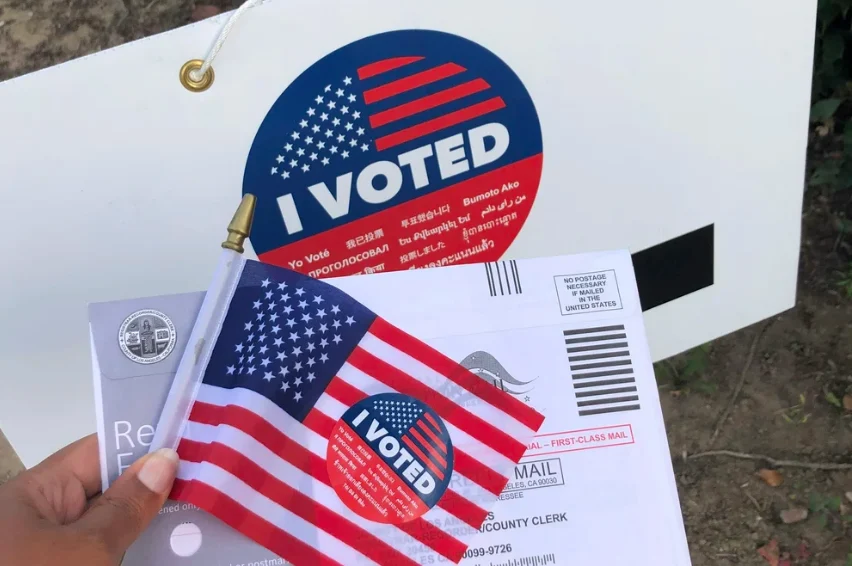
As the nation approaches the final days of the election cycle, the pressure on local administrative systems intensifies. While election officials serve as the frontline defenders of democracy, the broader apparatus of local government—including municipal, county, and city departments—plays a vital role in ensuring that the electoral process runs smoothly.
For local government leaders who support elections but do not directly administer them, the final week is a critical window. A new directive from the Local Policy Lab highlights that while direct administration is the responsibility of election clerks, the surrounding infrastructure of the city must be fully optimized to support voter access and administrative efficiency. This guide serves as a comprehensive checklist and strategic framework to ensure that local governments are prepared to provide seamless support during this high-stakes period.
Main Facts: The Supportive Role of Municipal Governance
The fundamental premise of this operational readiness is simple: local governments must act as force multipliers for their election offices. Election administrators are currently managing an unprecedented volume of tasks, from ballot reconciliation to poll worker staffing and logistical troubleshooting.
The primary mandate for municipal leaders is to provide support that is streamlined, non-intrusive, and strictly nonpartisan. The Local Policy Lab emphasizes that local officials must avoid becoming a distraction to the electoral process. Instead, they should focus on leveraging city resources—such as public works, communications departments, and facility maintenance teams—to remove obstacles for voters and administrators alike.
Core Objectives for Local Government Support:
- Voter Education: Ensuring that all residents have access to accurate, nonpartisan information regarding their polling locations and ballot content.
- Resource Optimization: Identifying and resolving facility or utility issues that could hinder voting operations.
- Communication Efficiency: Serving as a megaphone for official election office messaging to ensure clarity and consistency across all municipal channels.
- Operational Continuity: Maintaining high-level readiness to respond to unforeseen emergencies, such as power outages or infrastructure failures at polling sites.
Chronology of the Final Week: A Strategic Timeline
T-Minus 7 Days: Coordination and Inventory
At the one-week mark, local government leaders should conduct a final "check-in" with election administration leads. This is not the time to suggest new protocols, but rather to ask, "What are the current pain points?"
- Facilities Audit: Verify that all planned polling locations are accessible, secure, and have functioning HVAC, lighting, and communication infrastructure.
- Logistics Review: Confirm that public transit schedules are optimized for heavy traffic near polling stations.
T-Minus 3 Days: The Communication Push
This is the moment for a coordinated information campaign. Local governments should use their social media, websites, and newsletter platforms to drive traffic to official state or county election websites.
- Nonpartisan Messaging: Focus exclusively on the "Who, What, Where, and When." Provide clear, accessible links to poll site finders and sample ballots.
- Accessibility Outreach: Partner with community organizations to ensure that vulnerable populations, including the elderly and those with disabilities, have the necessary information to navigate the voting process.
Election Day: The Response Phase
On the day of the election, the role of the local government shifts to a "reactive support" model.
- Rapid Response Teams: Establish a point of contact in Public Works or Facilities Management who is dedicated exclusively to handling emergency requests from the election office.
- Monitoring and Maintenance: Ensure that traffic control, parking enforcement, and building security are operating at peak efficiency to facilitate voter flow.
Supporting Data: The Impact of Institutional Readiness
Research from the National Civic League’s CORE Playbook (Continuity & Operational Readiness for Elections) suggests that municipal involvement correlates directly with voter satisfaction and reduced administrative error. When local governments provide proactive support, the burden on election offices is reduced by an estimated 20-30%, allowing administrators to focus on ballot integrity rather than logistical fires.
Furthermore, data on voter turnout indicates that clear, centralized information—distributed through trusted local government channels—reduces "voter anxiety," a key factor in whether a resident chooses to cast a ballot. In communities where the city website clearly identifies polling locations and provides real-time updates on wait times, voter participation rates have historically remained more stable during high-stress election years.
Official Responses and Strategic Guidance
The Local Policy Lab emphasizes a "Low-Touch, High-Impact" approach. When asked how municipal leaders should interact with election staff, the prevailing advice is to "clear the path, then step back."
Key Areas of Focus:
- Facilities and Utilities: If a polling place is a city-owned facility, verify that custodial staff are prepared for extended hours. Ensure that exterior lighting is sufficient for voters arriving before dawn or leaving after dusk.
- Technology and Infrastructure: Collaborate with IT departments to ensure that public Wi-Fi or, conversely, restricted networks, are functioning as requested by election authorities. Cyber-security, while handled by the election office, often relies on the broader city network; ensure that all municipal IT personnel are on high alert for potential anomalies.
- Post-Election Logistics: The work does not end when the polls close. Local governments must be prepared to assist with the secure transport of materials, the breakdown of polling sites, and the transition of facilities back to their regular use.
Implications: Building Long-Term Trust
The implications of a well-prepared local government extend far beyond a single election cycle. By demonstrating operational excellence and a commitment to neutral support, local leaders reinforce the public’s trust in the electoral process.
When local government departments work in lockstep with election administrators, they create a "safety net" that allows for the safe and secure exercise of democracy. This institutional stability is the bedrock of civic life. As the Local Policy Lab notes, the goal is to create an environment where the voter is the primary focus, and the machinery of government is invisible, reliable, and perfectly aligned.
Best Practices for Future Readiness:
- Institutionalize Support: Don’t wait for the final week. Create a standing committee or task force that meets quarterly to review election facility requirements.
- Cross-Departmental Training: Ensure that staff in Public Works, Parks and Rec, and IT understand their specific roles in the election ecosystem.
- Feedback Loops: After each election, conduct a debriefing session with the election administration office to identify what worked and what needs improvement.
Conclusion: The Path Forward
The final week of an election is a test of a community’s infrastructure and its commitment to the democratic process. By following these guidelines, local government leaders can ensure that they are doing their part to support the vital work of election administrators.
For those seeking further guidance, the CORE Playbook: Continuity & Operational Readiness for Elections remains the industry standard for best practices. Municipalities are encouraged to consult this resource to ensure their readiness protocols meet national standards.
Remember: Your role is to provide the support that makes a smooth, efficient, and accessible election possible. Stay nonpartisan, stay organized, and most importantly, stay responsive to the needs of those on the front lines. If you have specific questions or require immediate support, reach out to your local election clerk’s office today to ensure that all lines of communication are open and that your collaborative efforts are perfectly aligned with their operational needs.
The integrity of our elections depends on the preparation we do today. Let us ensure that our cities and towns are ready to meet this moment with the professionalism and efficiency that our residents deserve.

 Lina Irawan

 Lina Hope