

 Ali Ikhwan
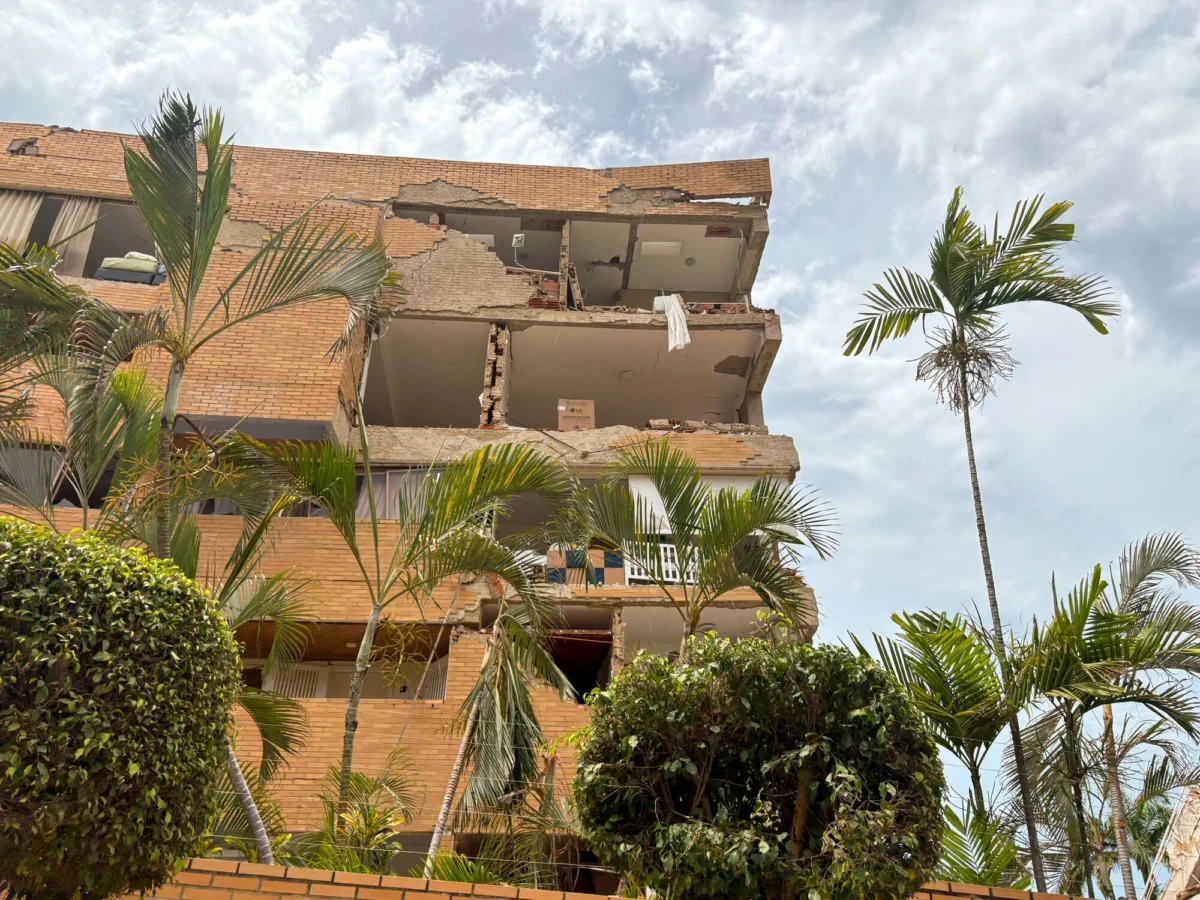
In the immediate aftermath of the catastrophic earthquakes that recently leveled parts of Venezuela, the humanitarian landscape shifted in an instant. As infrastructure buckled and local medical facilities faced an overwhelming influx of trauma cases, Doctors Without Borders (Médecins Sans Frontières, or MSF) mobilized an rapid-response operation. Moving from Caracas into the heart of the destruction in La Guaira, MSF became one of the few international organizations on the ground during the critical "golden hour" of disaster response. Today, their efforts have evolved from emergency trauma stabilization to a complex, multi-layered mission focused on public health, sanitation, and the psychological recovery of the displaced.
Main Facts: A Crisis of Infrastructure and Health
The seismic event triggered a cascade of humanitarian challenges. The primary issue was not merely the trauma caused by falling debris, but the subsequent collapse of essential services. Hospitals in Caracas and La Guaira quickly exhausted their emergency stocks, leaving surgeons and nurses without the basic materials required to treat the wounded.
MSF’s intervention was defined by its agility. By filling critical supply gaps, the organization ensured that roughly 10,000 injured patients received the care they required. Beyond clinical medicine, MSF identified a grim, often overlooked reality of disaster response: the management of the deceased. By donating 1,000 body bags, personal protective equipment (PPE), and industrial-grade disinfectants to central morgues, MSF helped maintain a baseline of dignity and biosafety in the face of a mounting death toll.
The current strategy centers on the vulnerable. With nearly 18,000 people displaced and living in informal settlements—ranging from municipal parks to stadiums—the risk of disease outbreaks has become the primary concern. MSF’s presence now acts as a vital bridge between the disaster and the long road to recovery.
Chronology of the Response: From Emergency to Stabilization
The Immediate Aftermath
The day following the quake, MSF teams transitioned from their permanent bases in Caracas to La Guaira. The objective was immediate assessment. The team found a landscape of fractured roads, damaged clinics, and a populace in shock.
Week One: The Supply Chain Intervention
Within the first 72 hours, MSF successfully deployed 8.5 tons of medical supplies. This included emergency trauma kits specifically designed for crush injuries, lacerations, and fractures. By embedding themselves within the existing hospital network, MSF avoided duplicating local efforts and instead bolstered the existing, albeit strained, health system.
Month One: Mobile Clinics and Surveillance
As the dust settled, the focus shifted toward the informal shelters. A 12-person multidisciplinary team—comprising doctors, nurses, psychologists, and environmental health specialists—was deployed to cities like Naiguatá and Catia La Mar. Over a one-month period, this unit conducted 2,217 medical consultations, focusing on respiratory infections and skin diseases, which thrive in the crowded, unhygienic conditions of post-disaster encampments.
Supporting Data: By the Numbers
The scale of the MSF intervention is best understood through its operational metrics:
- Medical Consultations: 2,217 completed within the first month of mobile operations.
- Logistical Support: 8.5 tons of medical aid delivered to hospital networks.
- Trauma Capacity: Supplies provided were sufficient to treat approximately 10,000 injured patients.
- Infrastructure Support: 1,000 body bags and associated PPE provided to the central morgue system.
- Team Composition: 12-person specialized mobile units, including psychologists and environmental health specialists.
- Displacement Impact: Roughly 18,000 individuals identified as currently living in informal, high-risk settlements.
These figures illustrate a transition from acute trauma management to long-term public health monitoring, reflecting the evolving needs of the Venezuelan population.
Official Responses and Strategic Priorities
Water, Sanitation, and Hygiene (WASH)
MSF’s environmental health specialists are currently treating water and sanitation as the most effective "medicine" against potential outbreaks. In disaster zones, stagnant water and destroyed sewage lines create a breeding ground for waterborne and vector-borne diseases. MSF is actively monitoring for:
- Dengue, Zika, and Chikungunya: Risks exacerbated by standing water.
- Waterborne Pathogens: Risks associated with the lack of clean drinking water in shelters.
The organization is implementing a robust WASH strategy, which includes the chlorination of water supplies, the installation of emergency latrines, and the continuous trucking of potable water to isolated communities.
The Mental Health Imperative
"Mental health first aid" has been identified as a pillar of the next phase of the response. The trauma of the earthquake—combined with the loss of homes, belongings, and loved ones—has created a secondary crisis of psychological distress. MSF’s inclusion of psychologists in their mobile clinics is a deliberate move to address the long-term emotional scarring that often goes untreated in the immediate wake of physical medical crises.
Implications: The Long Road Ahead
As the initial shock fades, the implications for Venezuela’s public health system are profound. The current reliance on informal, volunteer-led distributions of food and water is unsustainable. MSF’s exploratory visits to outlying areas serve a critical purpose: they identify "blind spots" where geography or political instability may have prevented other aid agencies from arriving.
Structural Vulnerability
The displacement of 18,000 people into stadiums and parks is a temporary solution that creates permanent risks. Without organized sanitation systems, these sites are ticking time bombs for cholera or other infectious outbreaks. MSF’s focus on these sites underscores a broader humanitarian warning: the disaster is not over simply because the ground has stopped shaking.
Future Outlook
MSF is now pivoting toward a dual-track strategy. The first track maintains the high-acuity medical support required for those still suffering from long-term injuries or post-surgical complications. The second track is a community-level outreach program, where mobile clinics operate in the most vulnerable sectors of Caracas and La Guaira.
By maintaining permanent mobile clinics in areas like Playa Verde, MSF is signaling a commitment to stay until the local health system can absorb the burden once again. However, the success of this phase relies heavily on the coordination between international actors, local government, and community leaders.
Conclusion: A Model for Disaster Management
The MSF response in Venezuela serves as a case study in modern humanitarian aid. By refusing to focus solely on the "media-friendly" trauma cases and instead diving deep into the unglamorous but essential tasks of sanitation, psychological support, and supply chain logistics, MSF has provided a framework for resilience.
The crisis is far from resolved. As the nation grapples with the destruction, the presence of these mobile teams represents more than just medical aid; it represents a lifeline for thousands who remain in the shadow of the disaster. The focus must now remain on sustained surveillance and the slow, arduous process of rebuilding both the physical infrastructure and the public health resilience of the affected regions. MSF’s continued presence ensures that when the next challenge arises—whether a disease outbreak or a further aftershock—the communities will not be facing it alone.


 Nana Wu
 Layla Zulfa