
 Neng Nana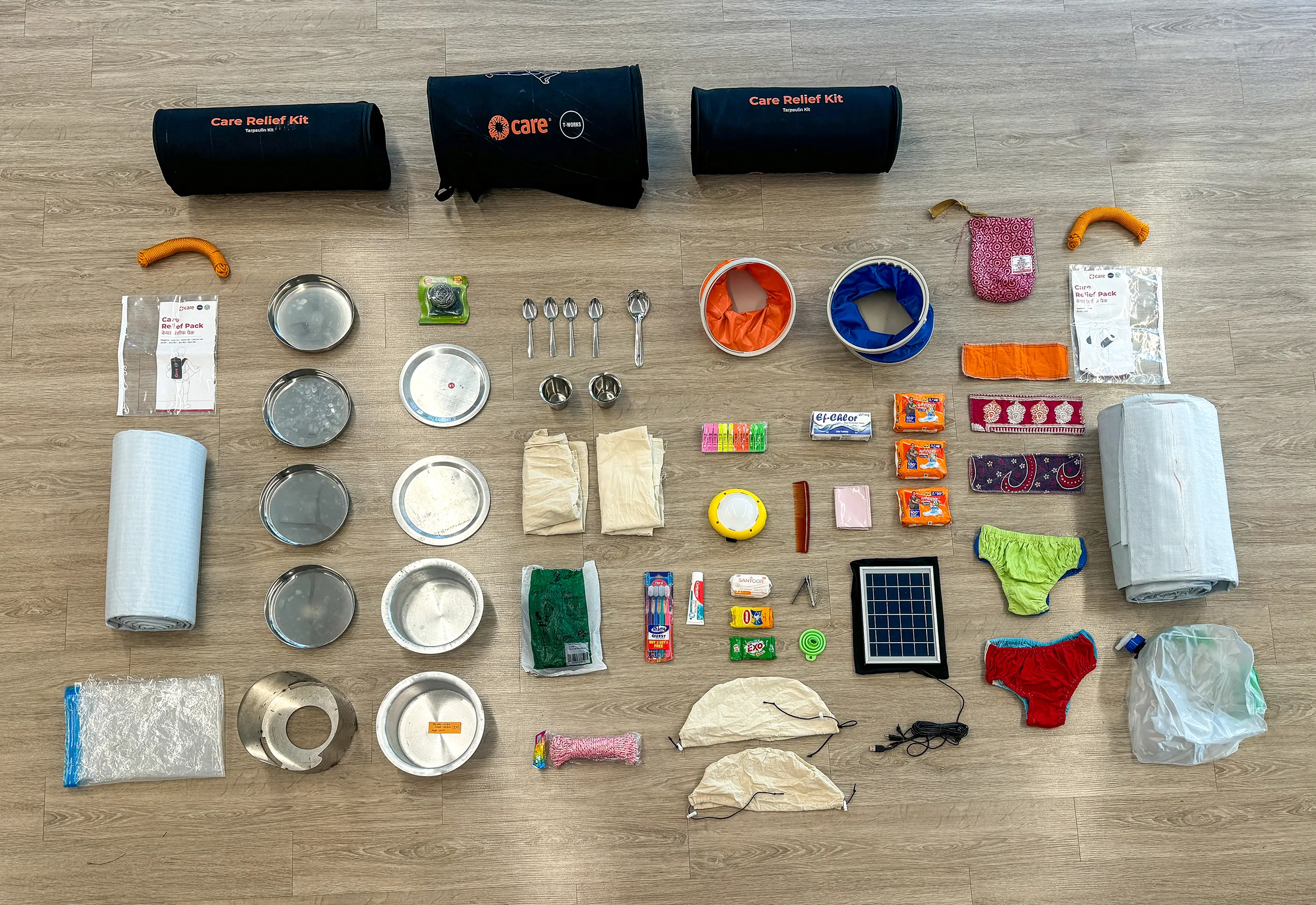
Eighty years ago, in the aftermath of the Second World War, the iconic CARE PACKAGE® became a global symbol of hope, delivering essential food and supplies to millions of families across a fractured Europe. Today, as climate-induced disasters, displacement, and geopolitical instability redefine the landscape of humanitarian aid, the organization is unveiling a radical evolution of that legacy: the CARE PACKAGE® for Emergencies.
Designed to transcend the limitations of traditional relief kits, this modular, portable, and meticulously curated system aims to address not just the immediate biological survival of disaster victims, but their dignity, safety, and psychological recovery. By integrating modern technology with deep local insights, CARE is shifting the paradigm of disaster response from fragmented aid to comprehensive, human-centered support.
The Architecture of Survival: Main Facts
The new CARE PACKAGE® for Emergencies is a feat of logistical and humanitarian engineering. Developed in partnership with the Indian prototyping company T-Works, the kit moves away from the "one-size-fits-all" approach of the past. Instead, it offers a sophisticated, three-bag, lightweight system designed to sustain a family of four for up to 30 days.
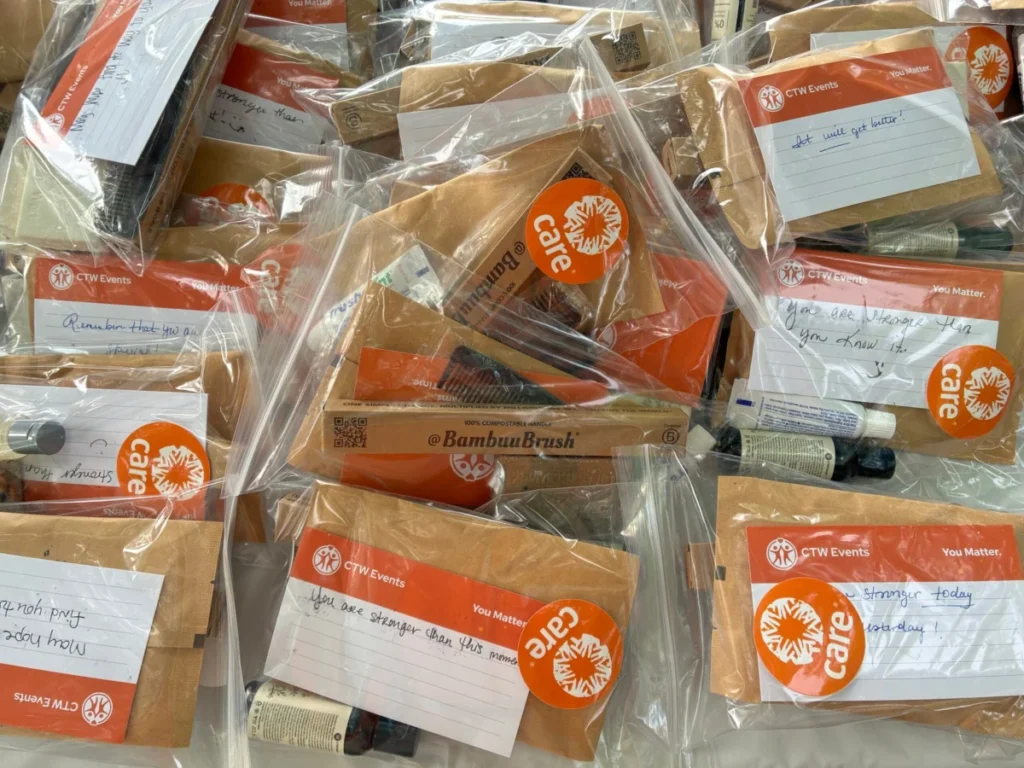
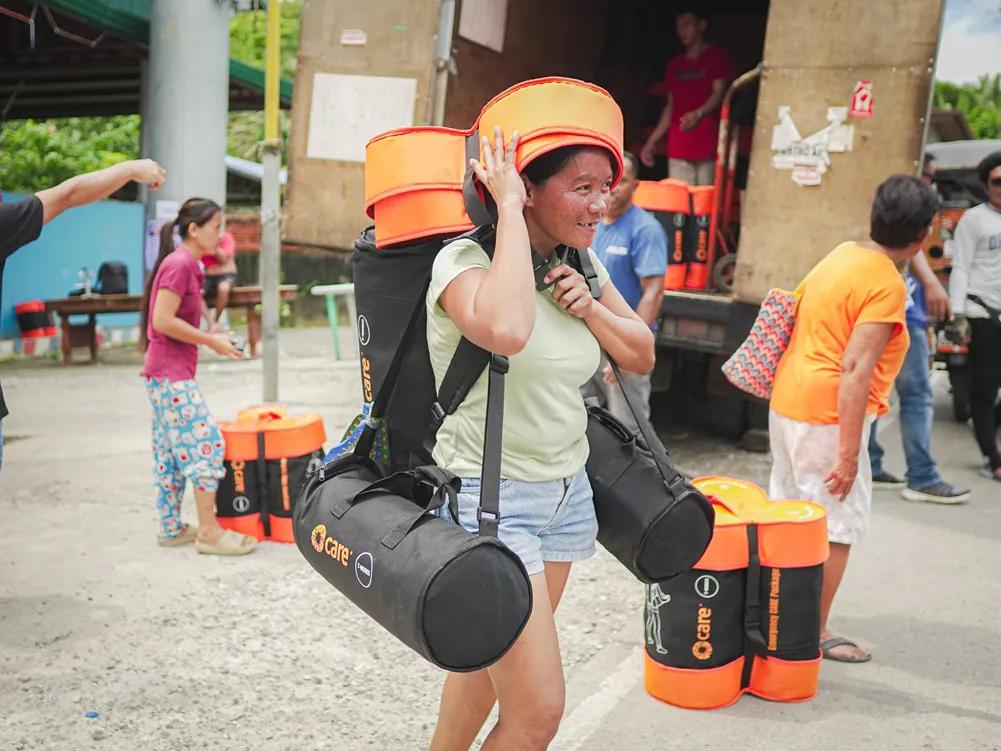
The kit contains up to 40 carefully selected items categorized into five essential pillars: shelter, energy, cooking, water purification, and hygiene. Each item, from the solar-powered charging unit and emergency lighting to the durable, waterproof bags, has been selected for its portability and multi-functionality.
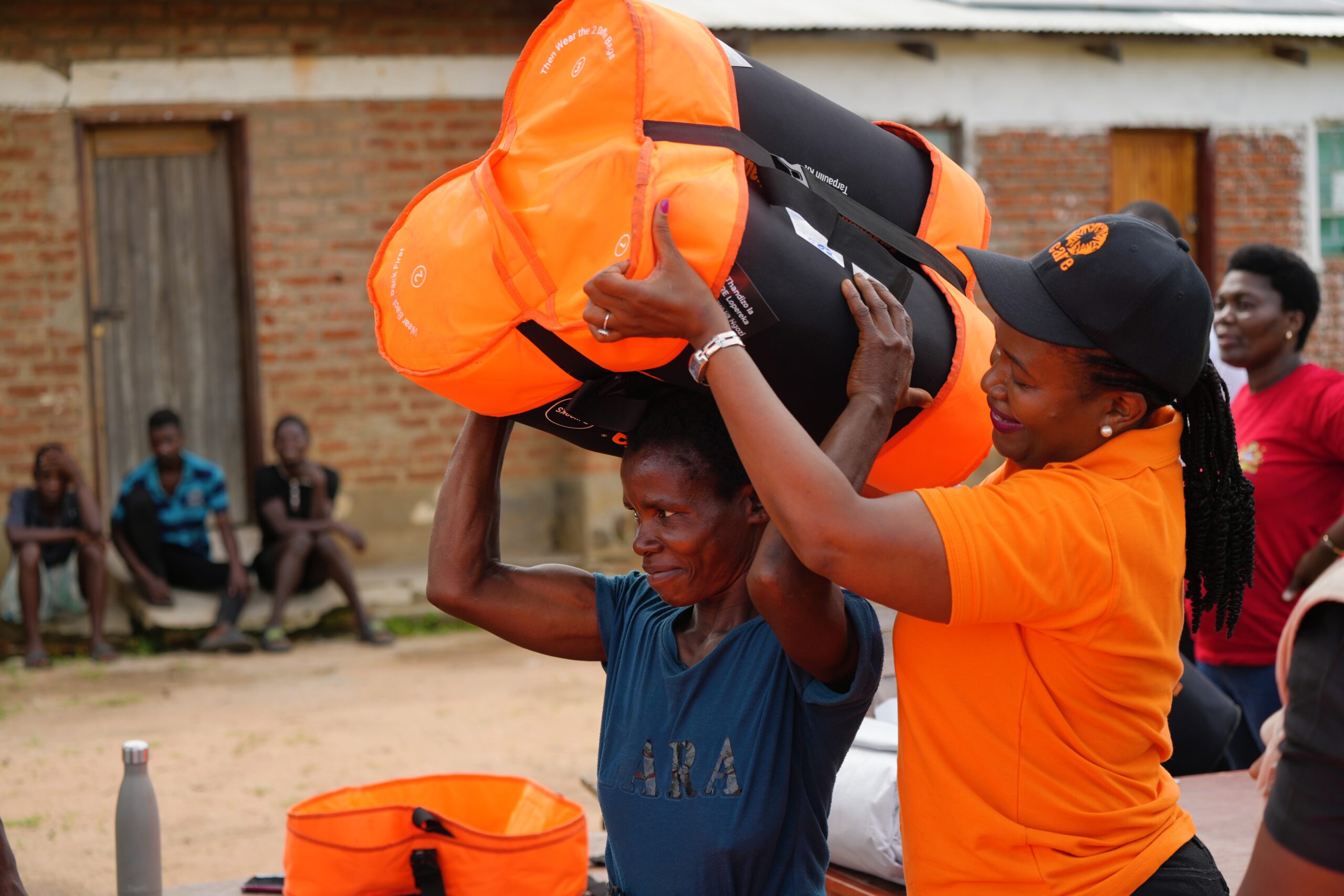
Crucially, the design recognizes that in the chaos of a disaster, a survivor’s mobility is vital. The three-bag system, inspired by the cylindrical tiffin containers of South Asia, allows for even weight distribution, leaving the wearer’s hands free to navigate rugged terrain, carry children, or manage other critical tasks during evacuation.
A Chronological Shift in Disaster Response
The impetus for this redesign was born from frustration. In May 2022, when catastrophic flash floods inundated northeastern India and Bangladesh, nine million people were displaced. CARE staff on the ground witnessed a recurring, heartbreaking failure: even when aid was available, it arrived in bulky, disorganized, or fragmented shipments that failed to meet the holistic needs of stranded families.
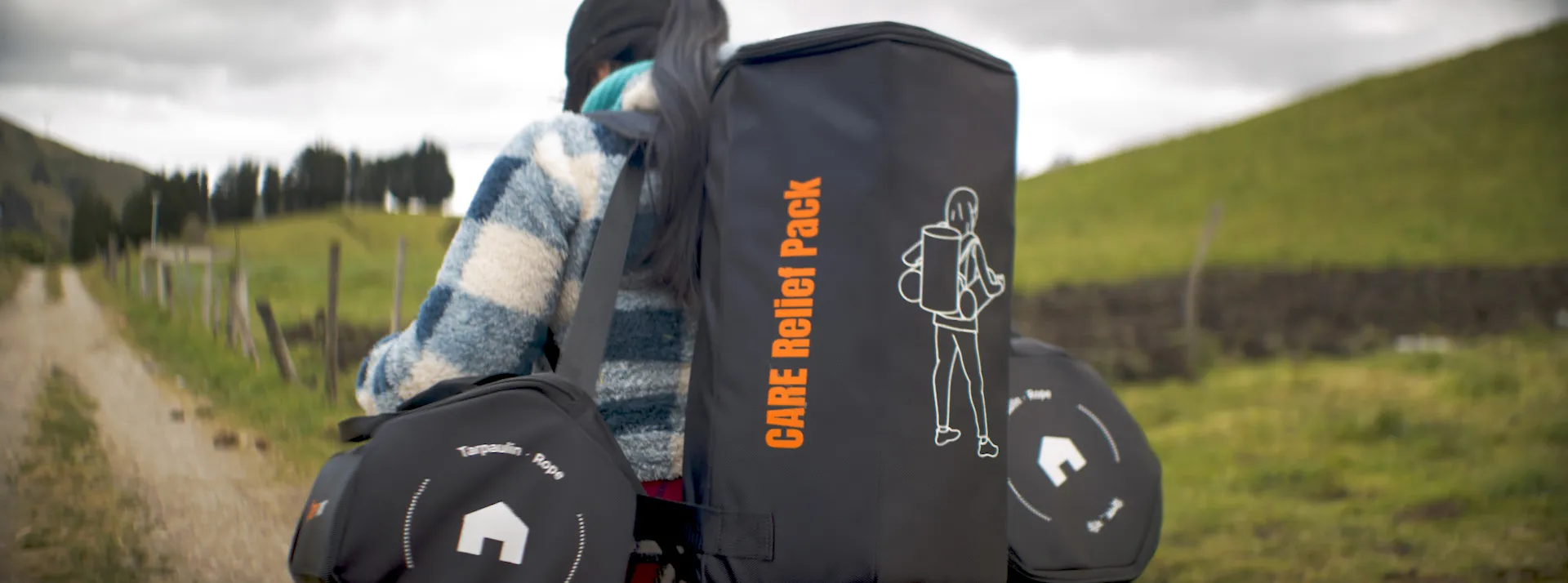
"Families do not experience disasters in sectors," explains Reiza Dejito, Country Director of CARE Philippines. "They don’t want things in fragments. They don’t only need shelter or only hygiene items."
Following this realization, the design process unfolded through a series of rapid iterations:
- 2022–2023: Conceptualization and partnership with T-Works to address the weight and distribution issues of traditional kits.
- November 2023: Field testing during the Jajarkot earthquake in Nepal. The data gathered here proved that a single large bag was a burden; the shift to a modular, three-bag system was finalized.
- 2024–2025: Extensive pilots in Malawi, Mozambique, and the Philippines, where the kit was adapted to reflect local customs and environmental challenges.
- 2026 and Beyond: Global rollout aimed at distributing 250,000 units by 2030, reaching an estimated one million people.
Data-Driven Impact: Beyond the Checklist
The success of the CARE PACKAGE® for Emergencies is measured not just in the number of items delivered, but in the efficiency of the response. By pre-positioning these kits through local humanitarian networks, CARE has demonstrated the ability to reach affected populations within 36 to 72 hours—a critical window that often determines survival.
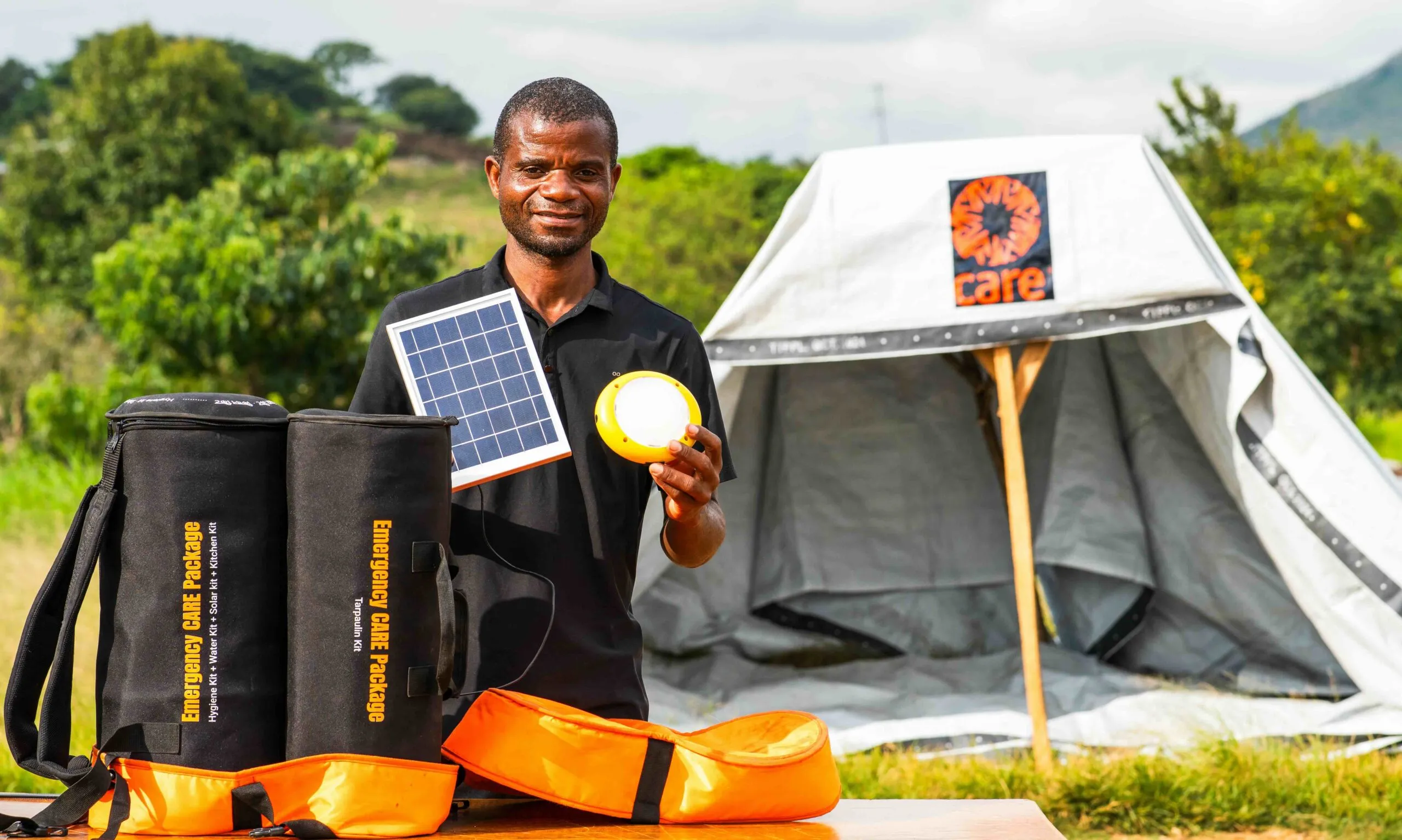
Data from the pilot programs reveals significant improvements in:
- Dignity and Autonomy: By consolidating supplies, the time spent in queues for separate aid distributions—often a humiliating and exhausting experience—has been drastically reduced.
- Resource Efficiency: The use of durable, waterproof materials ensures that the kits survive extreme weather, reducing the need for repeat distributions.
- Psychological Well-being: Field reports highlight that the inclusion of items like solar lights and radios provides more than just utility; they provide a "sense of normalcy" in the middle of chaos, allowing families to communicate and maintain social bonds.
The Human Element: Official Responses
The leadership at CARE emphasizes that while the kit is a technological achievement, its value is ultimately emotional.
"The CARE PACKAGE for Emergencies is not just a collection of supplies, but a package full of hope," says Dilip Niroula, Deputy Director of Humanitarian Operations at CARE. "We have seen it bring smiles to people’s faces."
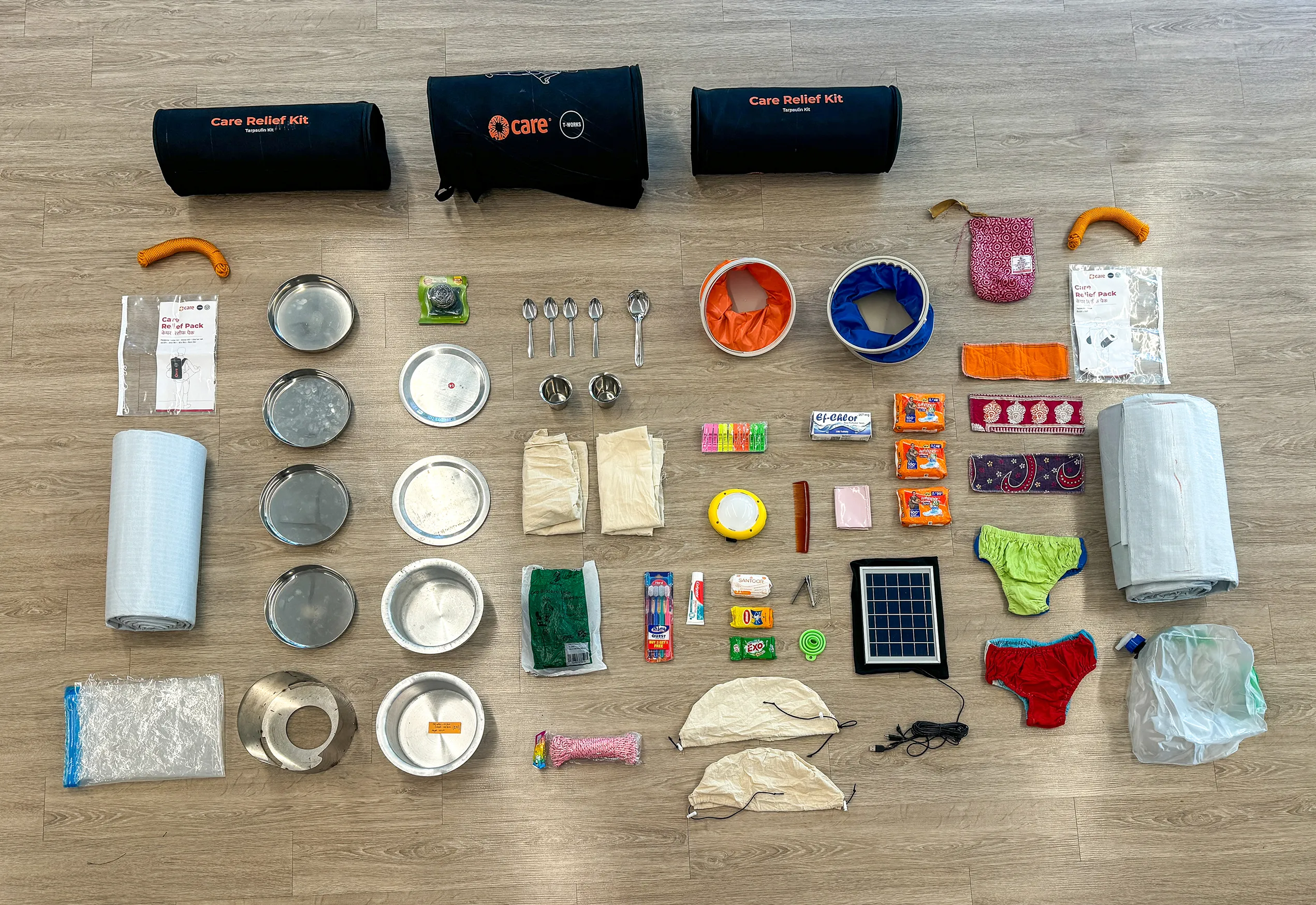
Mona Sherpa, Country Director of CARE Nepal, recalls the profound impact of witnessing families open the kits. "It looks very small, but it contains 37 different items—all lightweight, all very well organized, and all essential. It is a symbol of love. It is a reminder that someone thought ahead, showed up, and cared."
The integration of local culture is a core component of this strategy. In the Philippines, for instance, developers replaced hair oil—which was included in the global standard but not widely used locally—with shampoo. In Malawi, the inclusion of capulana cloths (traditional cotton fabrics) acknowledges the cultural importance of textiles for clothing, carrying, and comfort. This localized customization ensures that the aid feels respectful rather than intrusive.
Implications for Future Humanitarianism
The CARE PACKAGE® for Emergencies represents a significant shift toward "anticipatory action." By creating a kit that is both portable and versatile, CARE is empowering communities to become their own first responders.
Resilience and Re-purposing
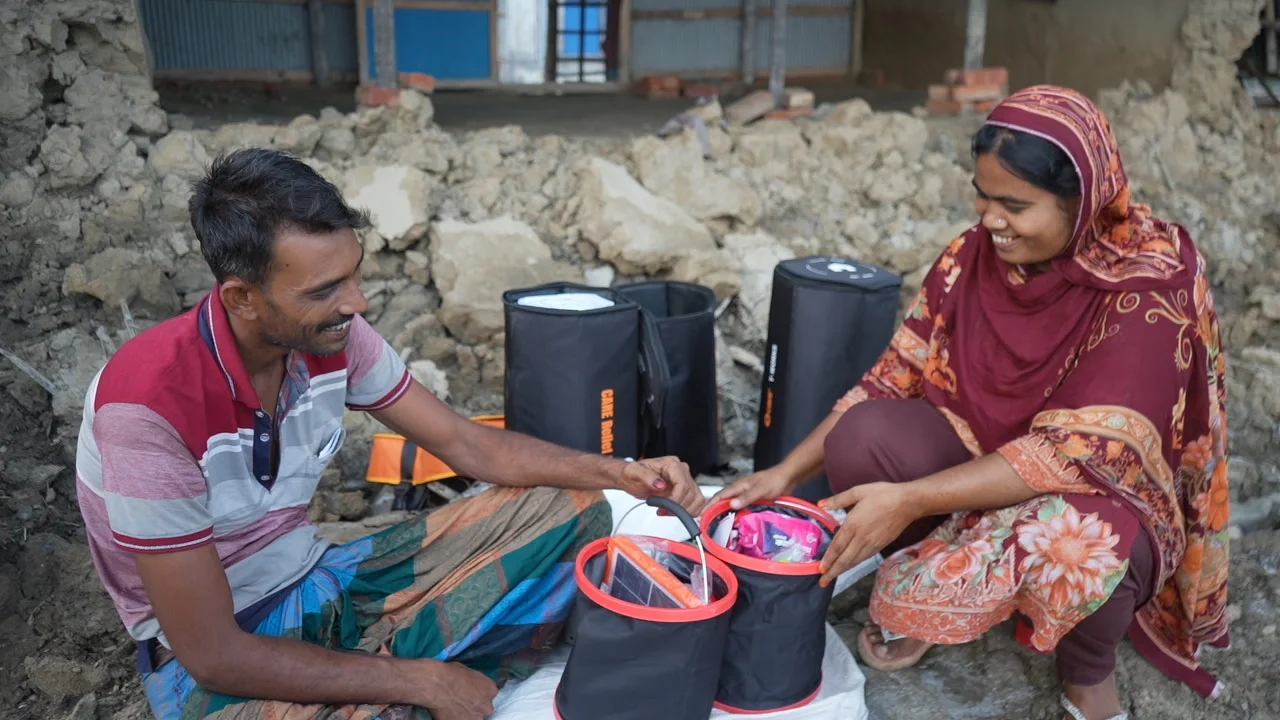
Perhaps the most telling sign of the kit’s success is how it lives on after the emergency. Field reports from Nepal and the Philippines indicate that survivors have integrated the items into their daily lives long after the crisis has passed. Tarps are used to dry harvests, solar chargers power household radios for entertainment, and the durable bags serve as "go-bags" for future preparedness.
The Vision for 2030
Looking ahead, CARE envisions an even deeper integration with local economies. There is an active initiative to source kit components from Village Savings and Loan Associations (VSLAs)—women-led groups that CARE supports. By sourcing items from these local businesses, the CARE PACKAGE® will not only save lives during disasters but also help build economic resilience during times of peace.
"My hope is that the CARE PACKAGE becomes part of how communities prepare, not just how they respond," says Dejito. "In the Philippines, we are both survivors and responders at the same time."
As the world faces an increasingly uncertain future marked by climate change, the CARE PACKAGE® for Emergencies serves as a blueprint for the next generation of humanitarian aid. It is a reminder that in the face of catastrophe, the most effective tool is a combination of foresight, technological innovation, and an unwavering commitment to the dignity of the human spirit. Through these 250,000 kits, CARE is not just delivering supplies—it is delivering the tangible, essential reassurance that no one is forgotten.

 Iffa Jayyana
 Nana Muazin