
 Sagoh
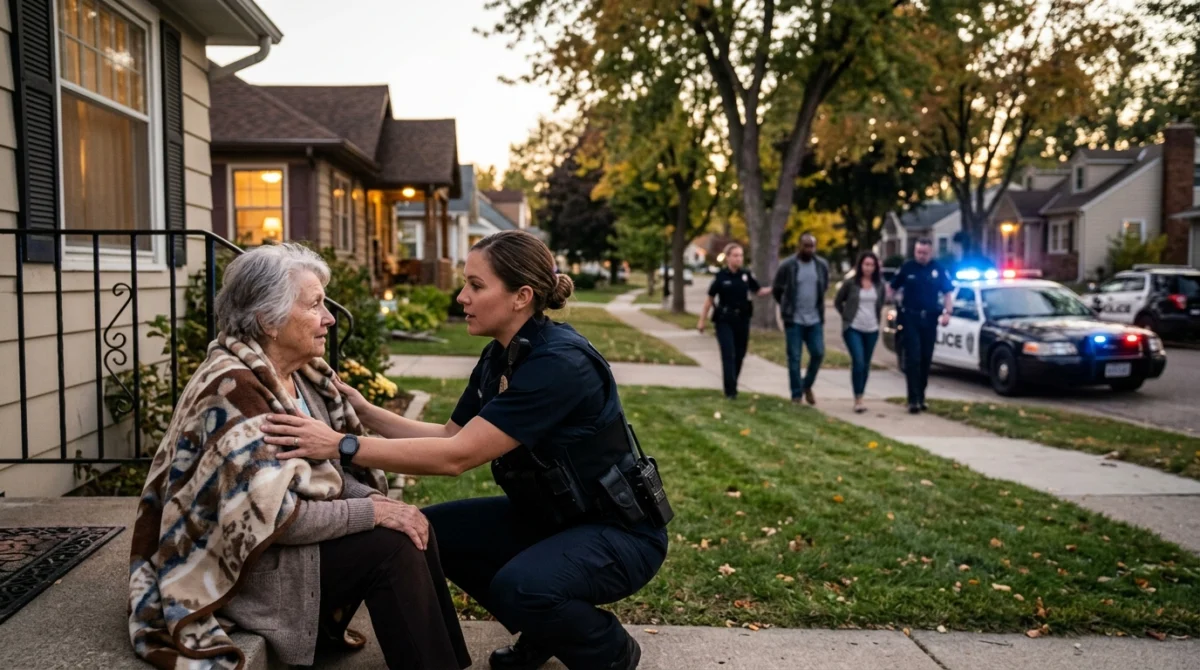
Elder abuse has emerged as a silent epidemic in the United States, casting a long shadow over the lives of millions of older adults. As the demographic shift toward an aging population accelerates, the frequency and sophistication of mistreatment—ranging from physical neglect to complex financial schemes—have reached alarming proportions. For families, caregivers, and the elderly themselves, understanding the distinction between misdemeanor and felony-level abuse is not merely an academic exercise; it is a vital component of ensuring safety and seeking justice.
The Scope of the Crisis: Main Facts and Statistics
The scale of the issue is difficult to overstate. According to the U.S. Department of Justice (DOJ), more than 10% of adults aged 65 and older experience some form of abuse annually. This abuse manifests in various, often overlapping forms: physical violence, psychological trauma, sexual assault, systemic neglect, and, increasingly, devastating financial exploitation.
Financial exploitation, in particular, has become a focal point for federal investigators. In its 2025 Elder Justice Report, the DOJ detailed a massive crackdown on predatory behavior targeting the elderly. During that reporting period alone, federal criminal and civil litigators initiated over 280 enforcement actions, targeting more than 600 defendants. The scope of these crimes was staggering: offenders had allegedly attempted to steal—or successfully absconded with—more than $2 billion from over one million older Americans. These figures underscore a grim reality: the elderly are being targeted with unprecedented frequency, necessitating a robust and nuanced legal response.
Chronology of Legal Escalation: When Does Misconduct Become a Felony?
In the eyes of the law, not all mistreatment is categorized equally. Most state statutes classify elder abuse as a "wobbler"—a legal term denoting an offense that can be charged as either a misdemeanor or a felony depending on the specific circumstances of the case.
The Threshold of Severity
The transition from a misdemeanor to a felony almost always hinges on the severity of the conduct and the resulting threat to the victim. Misdemeanor charges are frequently reserved for incidents that do not cause permanent or catastrophic harm, such as minor neglect or non-violent emotional distress. However, once the conduct crosses the line into creating a "substantial risk" of severe bodily injury or death, prosecutors are empowered to pursue felony charges.
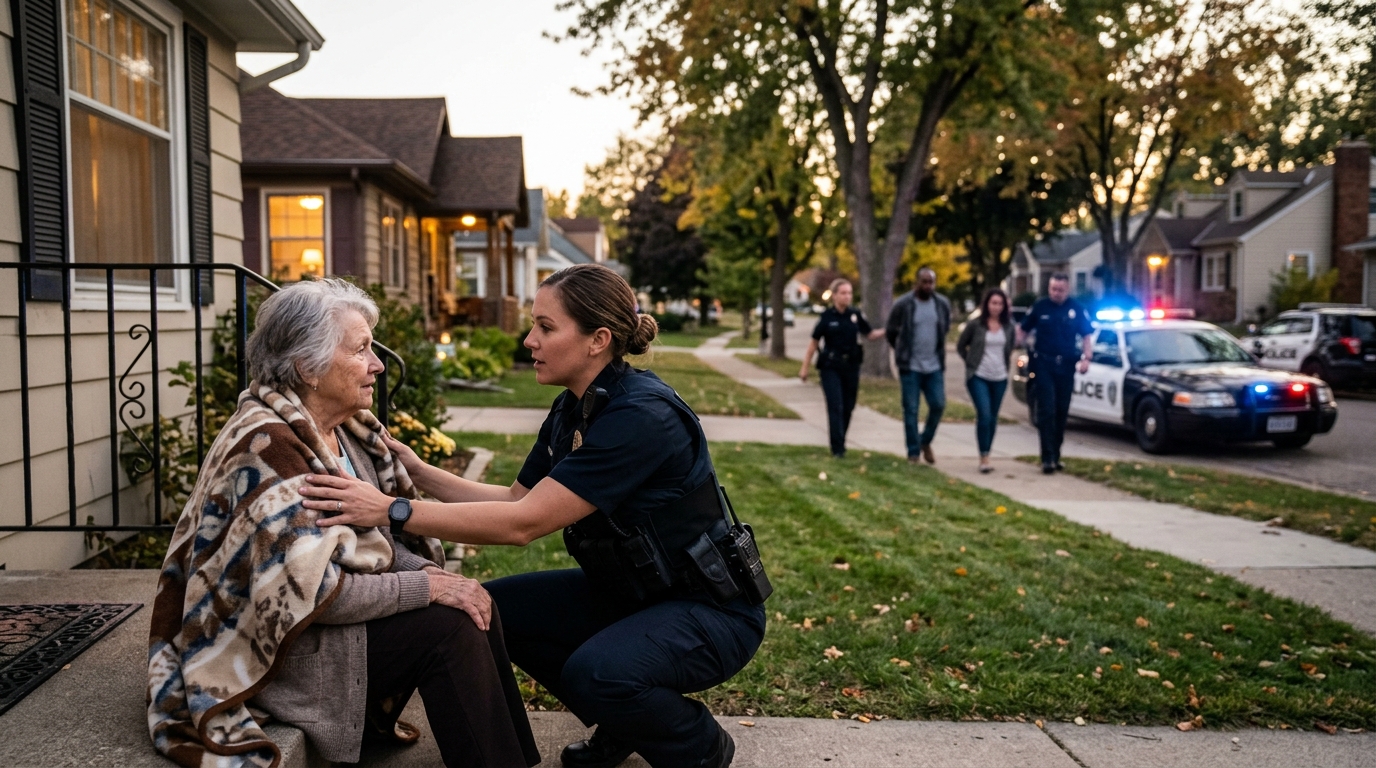
It is a common misconception that an injury must be present for a felony charge to be filed. In many jurisdictions, if a caregiver’s actions (or failure to act) create a situation where severe harm is likely, the potential for catastrophic injury is enough to elevate the charge. For example, failing to provide necessary medication or nutrition to a vulnerable senior can be prosecuted as a felony if that negligence creates an imminent, life-threatening risk, regardless of whether the victim survived the ordeal unscathed.
The Role of Intent
While severity is the primary driver, intent plays a secondary, yet critical, role in many states. In some jurisdictions, prosecutors must prove that the offender acted with malice or a specific intent to harm. In others, however, "criminal negligence"—a gross deviation from the standard of care expected of a reasonable person—is sufficient to trigger felony prosecution. This lower threshold for intent is designed to protect those who are most dependent on the care of others, ensuring that "accidental" or "careless" neglect that results in grave consequences is not met with leniency.
Supporting Data: Factors That Escalate Charges
Beyond the baseline of physical harm, the legal system evaluates several aggravating factors that can push a case into the realm of a felony:
- Actual Physical Harm: The presence of lasting injuries, broken bones, or signs of prolonged malnutrition provides objective evidence that necessitates higher-level prosecution.
- Criminal History: An accused individual’s prior record is a significant influencer. If the defendant has a history of elder mistreatment or similar violent offenses, prosecutors are far more likely to pursue the maximum available penalties to prevent recidivism.
- Vulnerability of the Victim: The degree of the victim’s dependency on the caregiver is often a factor. If the victim was completely immobile or suffered from cognitive impairments such as dementia, the law may view the abuse as more egregious, leading to enhanced charges.
Case Study: The Danger of Neglect in Facilities
One of the most concrete examples of felony-level neglect occurs within residential care facilities. Consider the issue of choking—a common but preventable incident. When an elderly resident chokes due to a lack of supervision during mealtimes or the provision of improperly prepared food (such as food that violates a resident’s prescribed texture diet), the incident often triggers a rigorous investigation.
Legal experts, including those specializing in nursing home litigation, often examine staffing logs, meal preparation records, and internal incident reports to determine if the event was the result of systemic negligence. If the facility knowingly ignored safety protocols, such neglect may rise to the level of a felony. This highlights the importance of holding both individual caregivers and institutions accountable for the standard of care they are legally mandated to provide.
Official Responses and the Two-Track Legal System
It is essential to understand that criminal and civil legal processes operate on separate, yet parallel, tracks.
Criminal Prosecution
When a state prosecutor files charges, the primary objective is punishment and public safety. A conviction can result in:
- Substantial jail or prison time.
- Hefty fines paid to the state.
- Mandatory participation in rehabilitation or counseling programs.
- The creation of a criminal record, which can carry long-term consequences for the offender’s future.
Civil Litigation
Simultaneously, victims or their families can pursue a civil lawsuit to recover damages. Unlike criminal court, the goal here is to make the victim "whole" again. This involves:
- Seeking monetary compensation for medical bills and pain and suffering.
- Pursuing punitive damages to punish the facility or individual for particularly egregious conduct.
- Securing settlements that cover ongoing care costs necessitated by the abuse.
The two tracks are not mutually exclusive. In fact, a favorable outcome in a criminal case can sometimes provide the evidence or leverage necessary to secure a larger settlement in civil court. Conversely, a civil settlement does not preclude the state from pursuing criminal charges, nor does it mitigate the gravity of the criminal act.
Implications: The Consequences of a Felony Conviction
The discrepancy between misdemeanor and felony sanctions is profound. A misdemeanor conviction may result in a short stay in a county jail, probation, and fines. A felony conviction, however, fundamentally alters the trajectory of the defendant’s life.
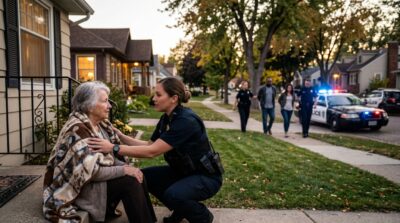
Beyond the immediate reality of years spent in state prison, felony convictions for elder abuse carry "collateral consequences." These include the permanent loss of professional licenses—a vital protection for the public to ensure that abusive caregivers never work in the healthcare sector again. In many states, a felony elder abuse conviction is categorized as a "strike" under three-strikes laws, significantly increasing the potential sentence for any future offenses. Furthermore, the loss of certain civil rights, such as the right to serve on a jury or possess a firearm, serves as a lasting social and legal penalty for those who violate the trust placed in them by the elderly.
Conclusion: Empowering Families to Seek Accountability
The reality of elder abuse is sobering, but it is not without remedy. Families who suspect that their loved ones are being mistreated must act swiftly to document evidence, contact adult protective services, and consult with legal professionals who understand the specific thresholds of state law.
By recognizing that abuse can range from subtle neglect to felonious endangerment, families can better advocate for their loved ones. Whether it is a facility’s failure to prevent a choking incident or the calculated financial exploitation of an older individual, the legal system provides mechanisms to seek justice. Understanding these thresholds is the first step in transforming fear into action and ensuring that our most vulnerable citizens are afforded the dignity, care, and protection they rightfully deserve.


 Dwi Wanna

 Nana Wu