

 Raul Delapena Setiawan
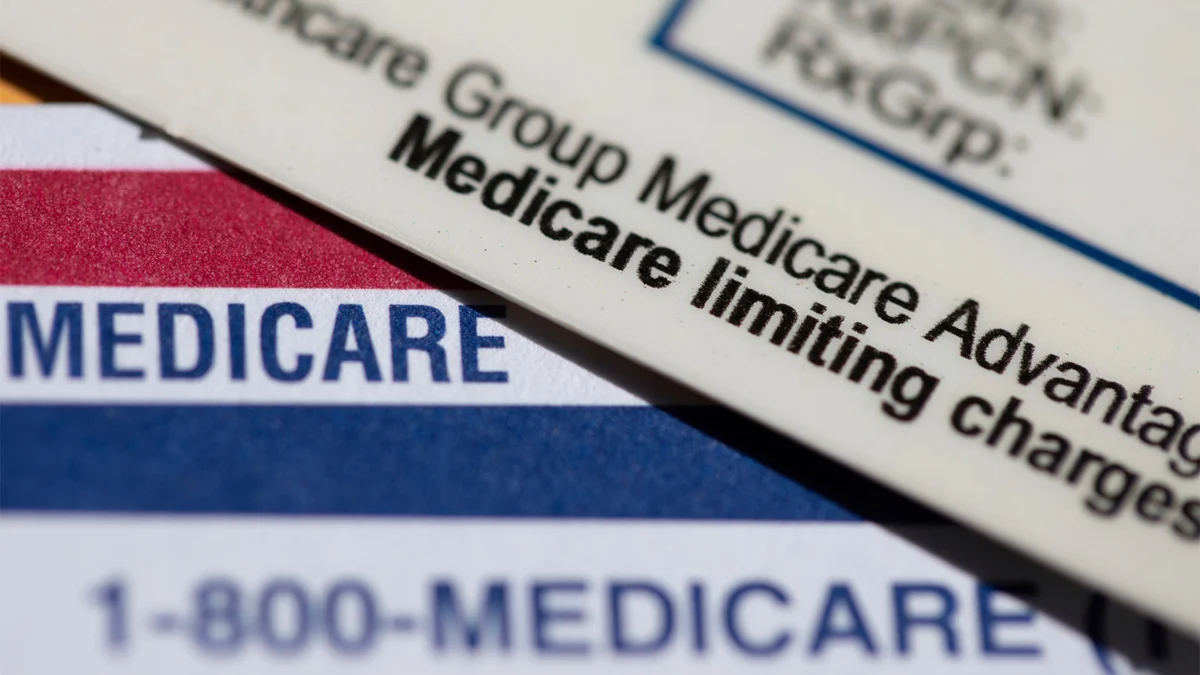
In a move that has ignited both praise for immediate financial relief and sharp criticism regarding its political timing, the Trump administration has announced a targeted initiative to provide one-time $90 payments to more than 20 million Medicare beneficiaries. The initiative, aimed at alleviating the burden of Part B premiums, represents a $2 billion expenditure from the federal Medicare Improvement Fund. As the nation approaches a critical election cycle, this policy shift has sparked a robust debate over the intersection of federal healthcare spending and political strategy.
The Scope of the Initiative: Who Qualifies and Who Doesn’t
The administration’s plan targets a specific subset of the Medicare population. According to officials, approximately 20.8 million individuals enrolled in "Original Medicare" Part B are eligible for the rebate. To qualify, beneficiaries must be residents of the United States and must not currently receive premium assistance from Medicaid—a group often referred to as "dual-eligibles"—nor be subject to the Income-Related Monthly Adjustment Amount (IRMAA), which applies to higher-earning seniors.
However, the exclusion criteria are significant. The policy does not extend to the roughly 35 million Americans enrolled in Medicare Advantage plans, which now account for more than half of the 64.2 million total Medicare beneficiaries. Furthermore, the 12 million low-income older adults and individuals with disabilities who already receive state-based premium assistance are also ineligible.
For the recipients, the $90 payment is intended to provide a modest cushion against the rising cost of Part B, which covers essential services including outpatient doctor visits, diagnostic laboratory tests, and emergency ambulance services. With standard monthly premiums for Part B generally starting at approximately $200—and fluctuating based on income levels—the rebate covers roughly half of a single month’s standard premium for those who qualify.
Chronology and Implementation: The Logistics of the Payout
The rollout of these payments is designed for speed, a factor that has drawn attention from both supporters and analysts. The Centers for Medicare & Medicaid Services (CMS) has confirmed that the distribution process begins immediately, with the majority of eligible beneficiaries expected to receive the funds via direct deposit on or around the upcoming Friday. For those without direct deposit arrangements on file with the Social Security Administration, the Treasury Department will issue physical paper checks throughout the remainder of the month.
The disbursement is entirely automated. Juliette Cubanski, PhD, MPH, director of the program on Medicare policy at KFF, a non-partisan healthcare research nonprofit, noted that beneficiaries do not need to take any action to receive the funds. "As far as a benefit goes, people don’t have to call or sign up—it’s just money they receive directly," Cubanski explained. "But it is important to emphasize that not everybody on Medicare will receive this money."
For those seeking to verify their status, the administration has provided two primary channels:
- Eligibility Verification: Beneficiaries can contact 1-800-MEDICARE (1-800-633-4227).
- Payment Status: For tracking the delivery of the payment, the Social Security Administration has directed inquiries to 1-800-772-1213.
The Financial Mechanism: Understanding the Medicare Improvement Fund
The $2 billion cost of this initiative is being drawn from the Medicare Improvement Fund (MIF). Established by Congress in 2008, the fund was originally intended to serve as a resource for enhancing the quality and efficiency of the Medicare fee-for-service program.
According to the Congressional Budget Office (CBO), the fund was initially tasked with improving program management, oversight of contractors, and implementing long-term structural refinements. Over the years, however, the scope of the MIF has evolved significantly through various legislative amendments. This is not the first instance of the fund being utilized for broad policy initiatives; during the Obama administration, approximately $20 billion was redirected from the fund to support the expansion of coverage under the Affordable Care Act (ACA).
Despite these precedents, the current application is unique. This marks the first time in the fund’s history that its resources are being used to issue direct cash payments to individual Medicare beneficiaries. Critics argue that this pivot from systemic improvement to direct cash transfers represents a fundamental departure from the fund’s original statutory intent.
Official Responses and Administrative Justification
The White House has defended the policy as a proactive measure to support seniors facing the dual pressures of healthcare costs and general inflation. Allison Schuster, a White House spokeswoman, issued a statement highlighting the administration’s philosophy behind the payout: "The administration is enabling Americans to take control of their health by putting money directly back in the hands of Medicare patients."
The administration suggests that by returning funds to beneficiaries, they are providing tangible relief at a time when the cost of living—specifically in the categories of food, energy, and medicine—has placed significant strain on fixed-income households.
Political Implications: A Pre-Election Stunt or Necessary Relief?
The timing of the announcement has prompted intense scrutiny from opposition leaders and political analysts. With the November 3 midterm elections looming, the cost of living and healthcare access have emerged as the dominant themes for the electorate.
Senator Ron Wyden (D-Ore.), the top Democrat on the Senate Finance Committee, did not mince words regarding his assessment of the policy. In a formal statement, he described the move as "another desperate attempt by a failed president to escape Americans’ revulsion with his failed agenda, amounting to one tank of Trump-inflated gas."
Critics argue that the $90 payment is insufficient to address the systemic challenges within the healthcare sector. By opting for a one-time, limited-scope rebate rather than pursuing long-term legislative reforms to lower the cost of prescription drugs or premiums, the administration is accused of prioritizing short-term voter optics over durable policy solutions.
Furthermore, this move mirrors other recent administrative actions, such as the promised $500 rebate checks for roughly 1 million Obamacare enrollees in 30 states. In that instance, the White House claimed those individuals had been overcharged by the Biden administration, a narrative that has also been heavily contested by Democratic officials.
Economic Context and Future Outlook
From an economic perspective, the impact of a $90 payment is subject to debate. While it may provide temporary relief for individual households, economists question whether such small, one-time infusions of capital can offset the broader inflationary pressures currently affecting the U.S. economy.
Dr. Cubanski of KFF noted that while the rebate might be helpful to some, its real-world utility remains limited. "This might be helpful for people, but it might not go very far," she observed. As inflation continues to impact the prices of essential goods, the effectiveness of a singular $90 disbursement as a tool for economic stability remains a point of contention.
As the program begins to reach the bank accounts of millions of Americans, the long-term legacy of this decision will likely be viewed through two distinct lenses: one of administrative agility in the face of economic hardship, and another of political maneuvering in an era of heightened polarization. Whether the policy will influence voter behavior in the coming weeks remains to be seen, but it has undeniably solidified its place as a centerpiece of the current healthcare debate.
The reliance on the Medicare Improvement Fund for such direct payouts also sets a precedent that future administrations may be pressured to follow, potentially altering the traditional use of federal healthcare reserve funds for years to come. As the dust settles on this announcement, stakeholders—including seniors, taxpayers, and legislators—will continue to monitor the long-term viability of these fiscal interventions in a volatile political climate.

 Sagoh
 Neng Nana