 Reynand Wu
By Hillol Sobhan | September 10, 2026
In the low-lying, water-logged plains of southern Bangladesh, the concept of "emergency preparedness" is not a bureaucratic exercise—it is a matter of survival. For the residents of Barguna District, a region perpetually scarred by the fury of cyclones like Sidr, Yaas, and Remal, the geography itself is a barrier to progress. Yet, deep within these remote, mud-streaked villages, a quiet revolution is taking place, led by women who were once told their voices held no weight.
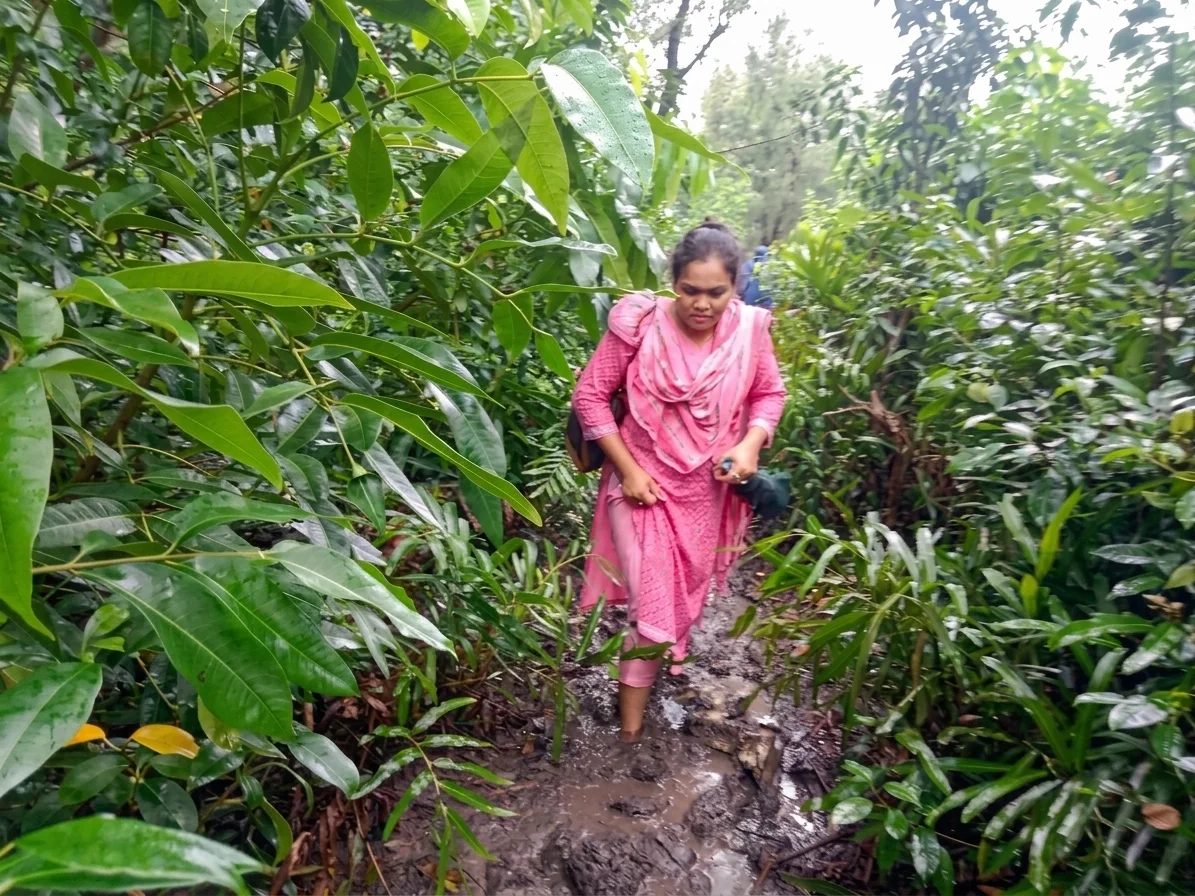
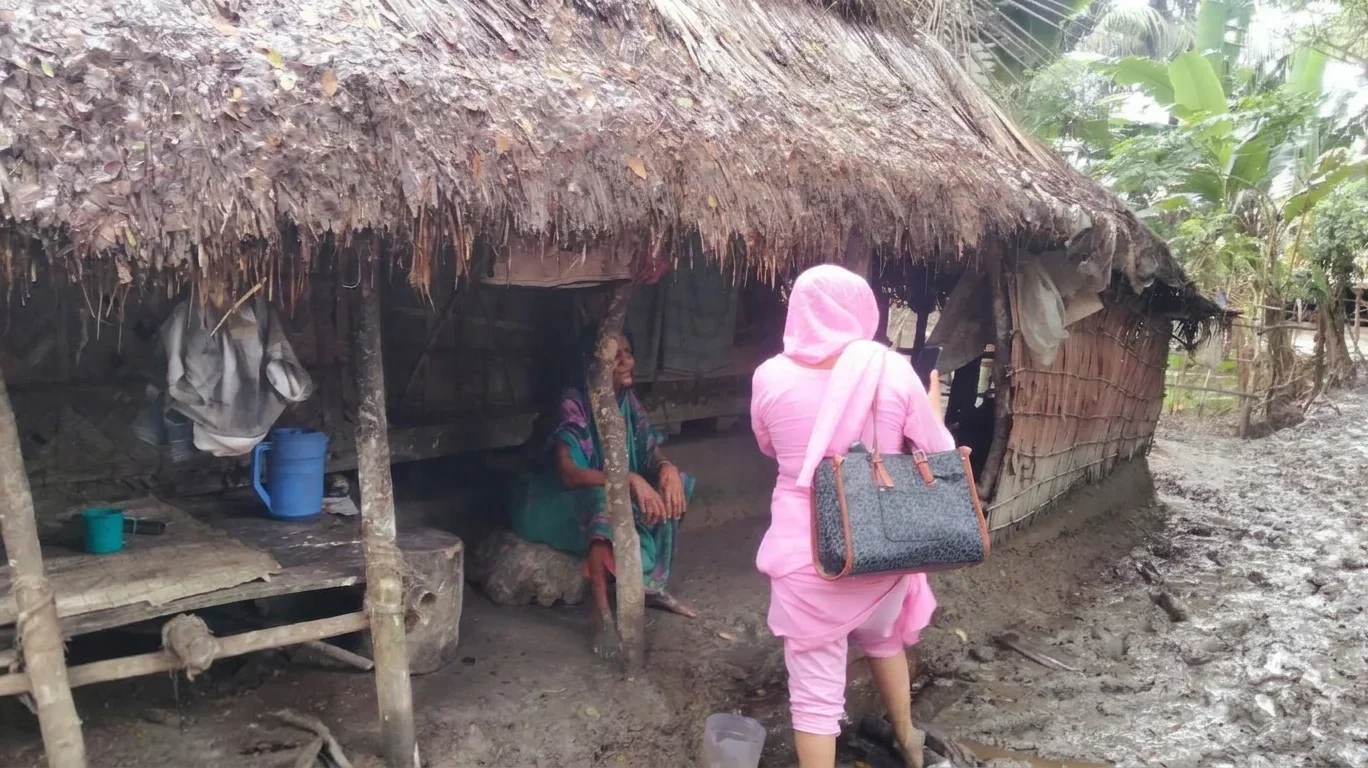
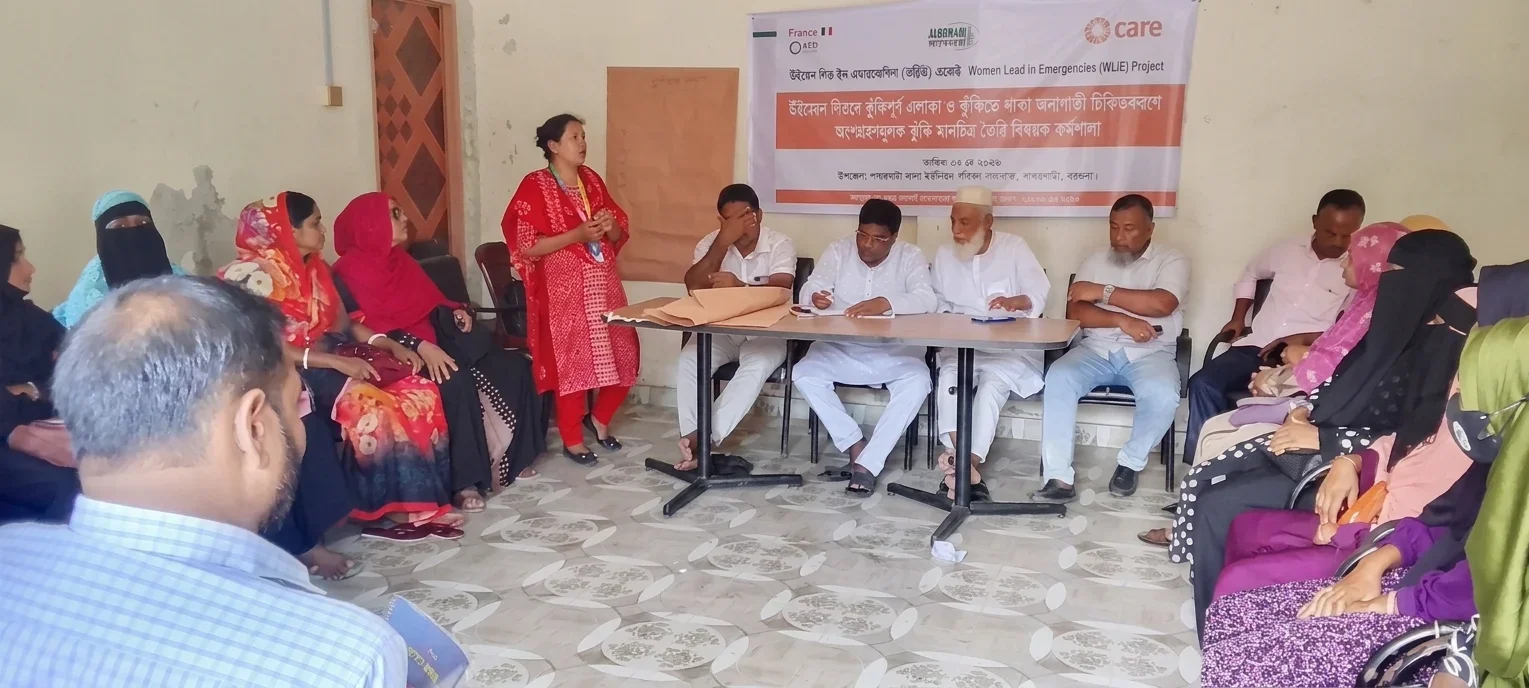
At the center of this movement is Rabeya Munni, a veteran project officer with 16 years of experience working alongside the local women’s rights organization JAGO NARI. Her mission is as arduous as the terrain she traverses: she travels by trawler, motorcycle, and on foot through knee-deep mud to reach women in the most marginalized corners of the country. Her goal is to foster a new generation of local leadership through the "Women Lead in Emergencies" (WLiE) program, an initiative that is fundamentally altering how communities handle crisis.
Main Facts: The WLiE Initiative
The Women Lead in Emergencies (WLiE) program is a four-year, multi-country effort designed to place women at the forefront of peace, security, and humanitarian action. Managed by CARE Bangladesh and CARE France, and funded by the Agence Française de Développement, the program operates on a core, transformative philosophy: women are the first to be affected by disasters but are traditionally the last to be consulted.
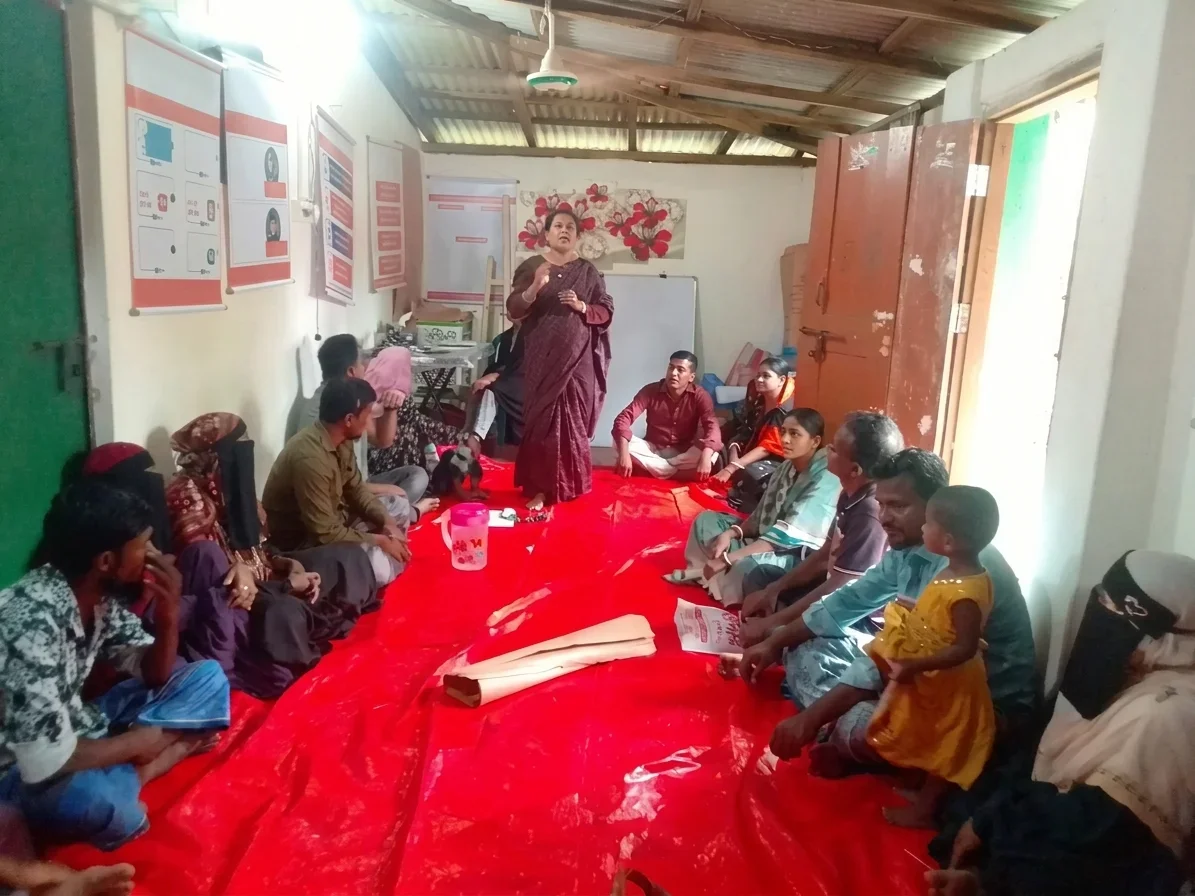
By bypassing top-down approaches, WLiE focuses on building 45 community women’s groups in Bangladesh, aiming to empower approximately 900 women. These groups do not function as passive aid recipients; they are trained to identify local risks, set their own priorities, and manage their own resources. Each group is provided with a grant of 350,000 taka (approximately $2,850 USD), allowing them to initiate tangible infrastructure and social projects that benefit their entire community.
A Chronology of Change
The transformation in Barguna did not happen overnight. It is the result of years of grassroots persistence.
- 2007–2024: Barguna District faces a series of catastrophic climate events, including the devastating Cyclone Sidr, Cyclone Yaas, and most recently, Cyclone Remal. These disasters highlight the systemic failure to include women in disaster management planning.
- 2024 (Two years ago): CARE Bangladesh, in partnership with JAGO NARI, launches the district-level rollout of the WLiE program.
- The Early Phase: The initial months were marked by skepticism. Villagers, accustomed to NGOs bringing aid packages or micro-finance, were confused by a program that demanded their labor, time, and intellectual input rather than offering a handout.
- The Scaling Phase: Over the past two years, the program has successfully activated 20 women-led groups. These groups have moved beyond dialogue to administrative influence, with over 10 women securing seats on Union Disaster Management Committees—a major milestone for gender-inclusive governance in rural Bangladesh.
Supporting Data: The Ripple Effect of Empowerment
The impact of the WLiE program is measurable through both the shifting of domestic power dynamics and the physical improvement of community infrastructure.
One of the most profound metrics of success is the "24-hour clock" exercise. During workshops, Munni asks men and women to map out their daily routines. The results consistently reveal a staggering disparity: while men often enjoy periods of rest or socialization, women’s labor is continuous, spanning from the pre-dawn hours until late at night.
"The men realized that even when a woman sleeps, she rarely rests," Munni notes. This realization has led to measurable behavioral changes, with many husbands acknowledging the necessity of sharing household burdens.
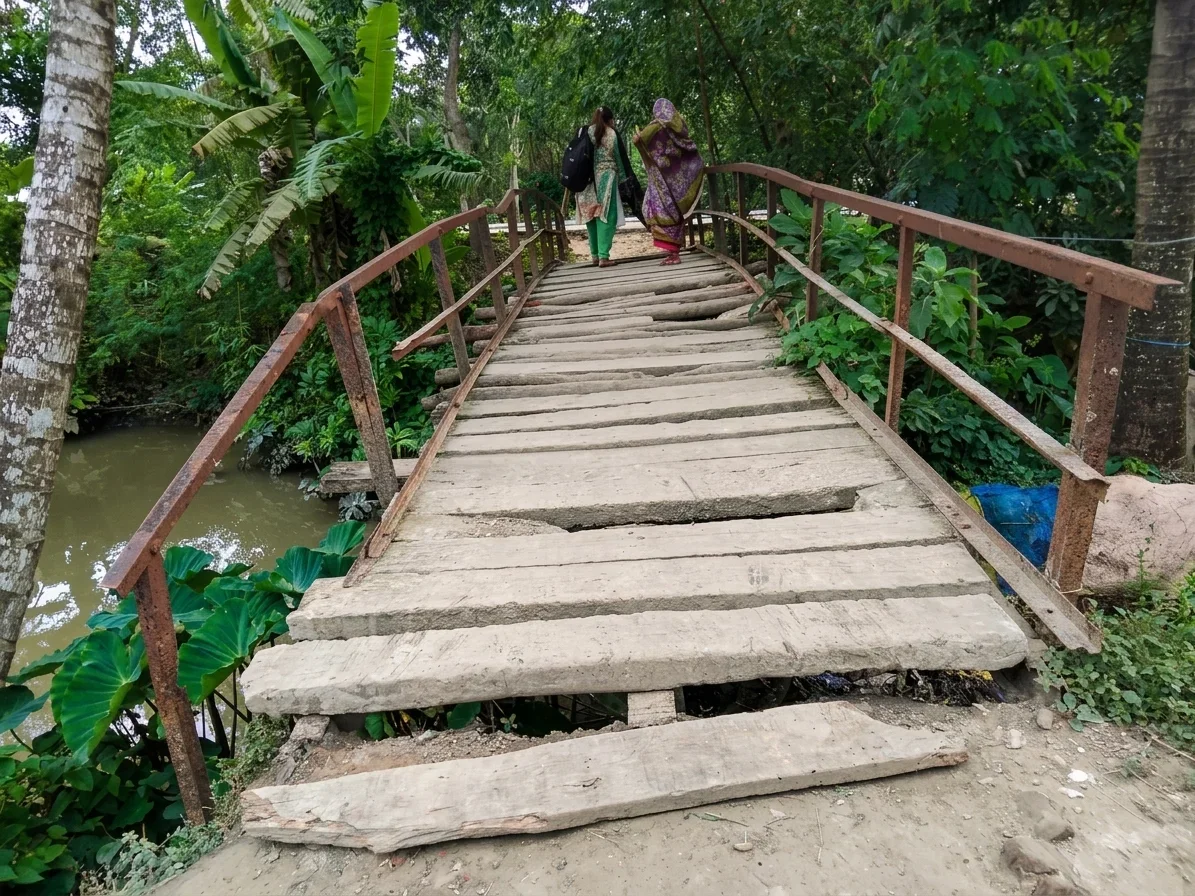
Furthermore, the "Newton Women’s Group" in the village of Dakshin Itbaria provides a case study in effective local advocacy. Faced with a crumbling, dangerous bridge—the Molla Bari Bridge—the group did not wait for government intervention. By leveraging their WLiE grant and successfully lobbying the local council chairman for 96,000 taka in construction materials, they managed to repair the bridge themselves. This infrastructure now serves as a permanent, physical testament to what organized, empowered women can achieve.
Official Perspectives and Program Philosophy
The leadership of the program emphasizes that WLiE is not about "helping" women; it is about recognizing their latent power.
"In the past, many villagers assumed NGOs only provided relief goods or micro-finance," explains Proma Israt, CARE Bangladesh’s technical coordinator for the project. "Now they know there is a budget, the state is responsible, and they can demand public allocations."
Rafiqul Islam, the WLiE project manager for CARE Bangladesh, echoes this sentiment: "The model makes women realize how far behind they are in terms of power and decision-making. It is designed to change that equation from the ground up."
The program is supported by a robust network of international technical expertise, including CARE International UK and the Institute of Development Studies, ensuring that the local efforts in Bangladesh are informed by global research and best practices in humanitarian aid.
Implications for Future Humanitarian Work
The implications of the WLiE model extend far beyond the borders of Bangladesh. As climate change increases the frequency and severity of natural disasters globally, the traditional humanitarian model—which often treats women as vulnerable dependents—is becoming increasingly obsolete.
1. Shifting the Burden of Proof
The success of Munni’s work suggests that when women are given the resources to manage their own risk, they prove to be the most efficient disaster responders. By shifting the "decision-making table" to include women, local councils are now making more informed, inclusive policies that account for the specific needs of children, the elderly, and those with limited mobility.
2. Redefining "Essential Work"
The 24-hour clock exercise has implications for development policy globally. It forces a recognition of the "care economy"—the unpaid labor that keeps rural economies afloat. By validating the, often invisible, work of women, the program is setting a standard for what development in a post-crisis world should look like: it must be gender-transformative.
3. The Human Element
Ultimately, the program’s success hinges on individuals like Rabeya Munni. Her dedication is not merely professional; it is deeply personal. Despite the logistical challenges of her role—the long commutes by engine-powered trawler, the physical toll of walking through deep mud, and the delicate balance of managing her own household and her 12-year-old son’s education—she remains undeterred.
"Our social system is still not entirely women-friendly," Munni admits. "But I see myself as a human being, and as a human, we can do it. We have the courage and mental strength for it. Work is work, regardless of being a man or a woman."
Conclusion: A Model for the World
The work in Barguna represents a critical juncture in international development. By proving that rural women are capable of engineering infrastructure, managing substantial grants, and influencing government policy, the WLiE program has dismantled the myth that disaster response is exclusively the domain of men or external agencies.
As the program continues to expand, the question for the global humanitarian community is not whether women can lead in emergencies, but why they were ever sidelined in the first place. Through the commitment of facilitators like Munni and the collective voice of groups like the Newton Women, the future of disaster resilience in Bangladesh—and perhaps the world—is being written by those who know the landscape best: the women who live and work in it every single day.
To support the vital work of field officers and the communities they serve, organizations like CARE continue to rely on the backing of global citizens. The transformation of a single village, one bridge at a time, serves as a beacon for what is possible when resilience is met with the right tools, the right partners, and the unyielding belief that every voice deserves a seat at the table.

 Siti Muinah
 Ali Ikhwan