


 Nana
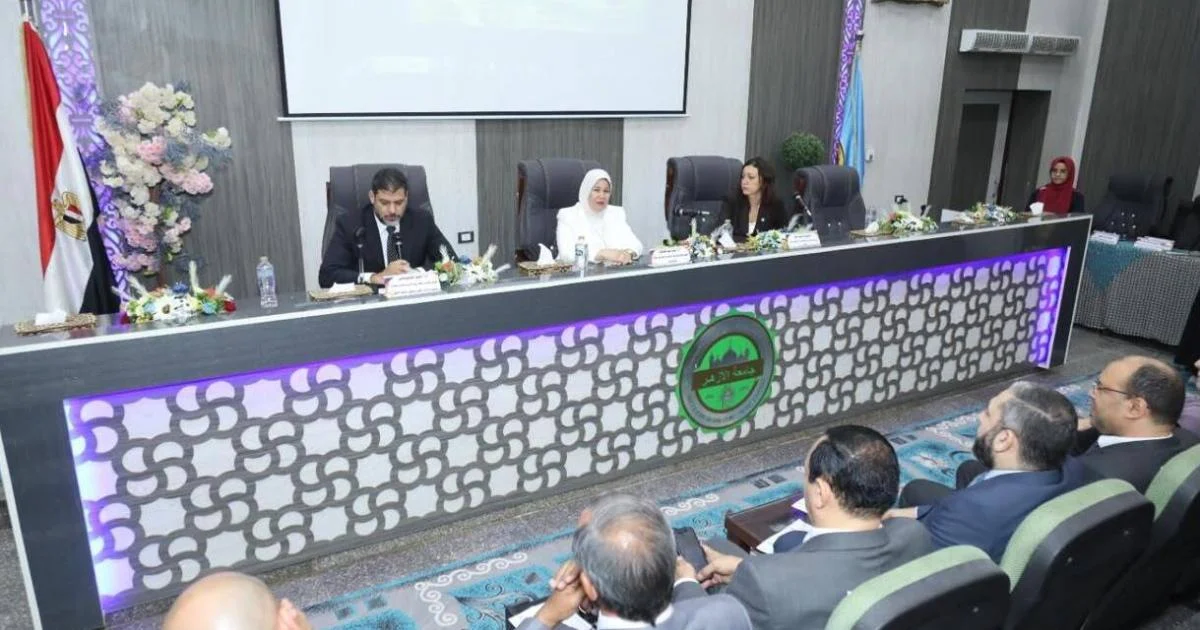
In an era defined by increasingly complex geopolitical tensions and the devastating impact of armed conflict on civilian populations, the search for a universal language of protection has never been more urgent. A landmark two-day seminar held in Egypt recently served as a crucible for this dialogue, bringing together eminent scholars of Islamic jurisprudence and experts in International Humanitarian Law (IHL). By aligning the ethical imperatives of Sharia with the codified norms of modern humanitarian conventions, the event underscored a profound, shared commitment to human dignity and the alleviation of suffering in times of war.
The seminar, a collaborative effort between the International Committee of the Red Cross (ICRC) and the prestigious Al-Azhar University, sought to move beyond theoretical debate. Instead, it focused on the practical, life-saving intersections between two of the world’s most significant legal and ethical frameworks, particularly in addressing the agonizing humanitarian crisis of missing persons.
A Shared Moral Compass: The Foundations of the Dialogue
The seminar’s opening ceremony set a tone of intellectual rigor and deep-seated compassion. Professor Abeer Badawy, Dean of the Faculty of Islamic and Arabic Studies, articulated the core purpose of the gathering, framing it as an essential step toward building a global consensus on human protection.
“Our seminar opens avenues for dialogue on the shared values and noble principles of Islamic law and IHL,” Professor Badawy stated. “Foremost among them are safeguarding human dignity, promoting compassion and solidarity, and alleviating human suffering, particularly during crises and conflicts. These shared principles foster a common understanding of our moral and humanitarian responsibility towards humanity.”
For the participants, the seminar was not merely an academic exercise; it was an exploration of historical continuity. Professor Ahmed El-Sintrissy, a scholar of Public Law at the Faculty of Sharia and Law in Cairo, challenged the notion that modern humanitarian law exists in a vacuum. He argued that the foundational principles of the Geneva Conventions—the bedrock of modern IHL—find profound resonance in the centuries-old tenets of Islamic Sharia.
“The similarities between IHL and Islamic Sharia are no coincidence,” Professor El-Sintrissy remarked. “Modern international humanitarian law, with its conventions and principles designed to protect the vulnerable, safeguard civilians, and limit the cruelty of war, reflects and formalizes deeply rooted ethical and humanitarian values that have existed for centuries.”
Chronology of the Seminar: A Two-Tiered Approach to Education
The structure of the seminar reflected a commitment to long-term impact, targeting both the educators who shape future legal minds and the students who will soon enter the professional landscape of law and governance.
Day One: Empowering the Educators
The first day was specifically curated for faculty members and teachers. This session focused on institutional alignment, examining how the ICRC functions within the broader International Red Cross and Red Crescent Movement. Discussions delved into the specific operational realities of the ICRC in Egypt, juxtaposed with the historical and ongoing humanitarian contributions of Al-Azhar. By engaging with the academic leadership, the seminar aimed to integrate IHL more deeply into the curricula of Sharia and Law faculties, ensuring that the next generation of scholars is well-versed in the practical application of humanitarian standards.
Day Two: Engaging the Future
The second day shifted focus to the next generation, bringing together 70 students from the Faculty of Sharia and Law. These students, representing a diverse cross-section of Egyptian governorates, participated in interactive sessions designed to demystify the role of national committees in the implementation of IHL. This pedagogical approach ensured that the theoretical discourse of the first day was translated into actionable knowledge, equipping future judges, lawyers, and civil servants with the tools to advocate for humanitarian compliance within their own national frameworks.
The Humanitarian Crisis of Missing Persons
A central theme of the seminar was the heart-wrenching issue of missing persons—a crisis that poses a significant challenge to both legal systems and human conscience. Whether through armed conflict, migration, or natural disaster, the disappearance of a loved one leaves families in a state of perpetual limbo.
The Scale of the Problem
The urgency of the discussion was bolstered by stark data. Over the past five years, the number of missing-person cases reported to the ICRC has nearly tripled globally. This staggering increase highlights the failure of existing mechanisms to prevent disappearances and the inadequacy of post-conflict processes to provide families with the closure they deserve.
The Intersection of Law and Ethics
The panel discussion on this topic featured a robust exchange between Basant Abdel Meguid, Regional Legal Advisor at the ICRC, and Professor Badeea Al-Tamlawy of the Faculty of Islamic and Arabic Studies.
Ms. Abdel Meguid emphasized the human-centric nature of the crisis, noting that the primary victims are often the families left behind. “When addressing the issue of missing persons, we must put their families at the centre, as they bear the humanitarian consequences of this uncertainty,” she said. “Families have a right to know, and living with the pain of not knowing, without closure, is extremely difficult. States should therefore take families’ needs into account when developing legal and policy frameworks.”
Professor Al-Tamlawy provided the Islamic perspective, grounding the conversation in the sanctity of human life and the rights of the deceased. She argued that the obligation to provide answers is not merely a social courtesy but a religious and legal mandate. “Human dignity remains a priority even after death,” she asserted. “Families’ right to know the fate of their loved ones is not merely an emotional need, but an ethical and legal right. Islam recognizes these needs and upholds these rights.”
Implications for Global Humanitarian Action
The seminar represents a vital component of the ICRC’s broader strategy: to engage with religious and cultural leaders worldwide to foster a global consensus on the protection of victims of war. In a world characterized by polarization, the convergence of Islamic jurisprudence and IHL offers a powerful counter-narrative.
Moving Beyond Cultural Relativism
By demonstrating that the humanitarian protections mandated by international treaties are not "foreign" impositions but are instead echoed in the ethical traditions of Islam, the ICRC is fostering local ownership of humanitarian norms. When communities perceive these laws as extensions of their own values, compliance becomes more than a bureaucratic obligation—it becomes a moral imperative.
The Path Forward
The partnership between the ICRC and Al-Azhar is emblematic of the "humanitarian diplomacy" required to address 21st-century conflicts. The seminar’s success suggests that similar initiatives in other regions could help bridge the gap between abstract international law and the lived realities of people in conflict zones.
Looking ahead, the organizers hope that the discussions initiated in Cairo will influence policy development at the state level. By integrating the insights of Islamic scholars into the legal frameworks for missing persons, states can create more effective and culturally sensitive mechanisms for searching for the missing and supporting their families.
Conclusion: A Legacy of Protection
The collaboration between the ICRC and Al-Azhar is a testament to the fact that when diverse intellectual and religious traditions converge on the sanctity of human life, the result is a more resilient framework for protection. As the seminar concluded, it left behind a clear mandate: that the law is not just a collection of articles and statutes, but a living instrument that must be wielded with empathy and a profound sense of shared responsibility.
In the words of the participants, the ultimate goal is not merely to mitigate the cruelty of war, but to uphold the dignity of every individual—whether they are a combatant, a civilian, or one of the thousands whose whereabouts remain unknown. By aligning the wisdom of the past with the challenges of the present, this dialogue offers a path toward a more humane future.
About the International Committee of the Red Cross (ICRC)
The ICRC is an impartial, neutral, and independent organization whose exclusively humanitarian mission is to protect the lives and dignity of victims of armed conflict and other situations of violence and to provide them with assistance. Established in 1863, the ICRC is at the origin of the Geneva Conventions and the International Red Cross and Red Crescent Movement. The organization operates in more than 90 countries worldwide, including a continuous presence in Egypt for over a century, providing essential support to those affected by the ravages of conflict.
For further information, please contact:
Nesma Nowar, ICRC Cairo
Tel: 0100 0708515
Email: [email protected]

 Siti Muinah
 Ali Ikhwan