
 Nila Kartika Wati
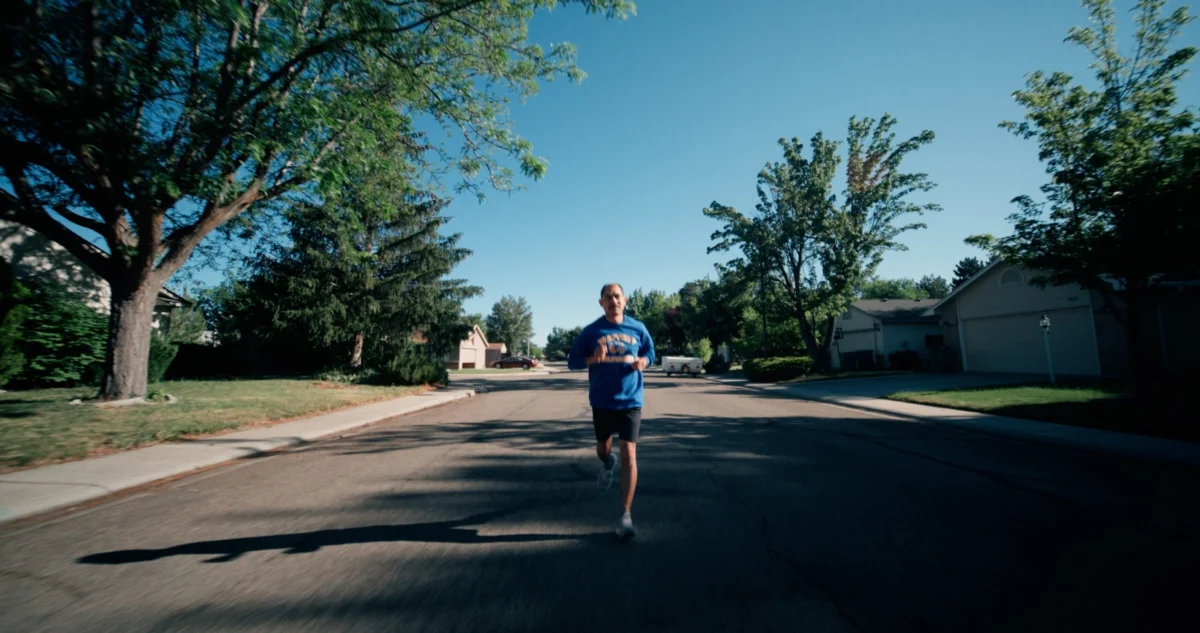
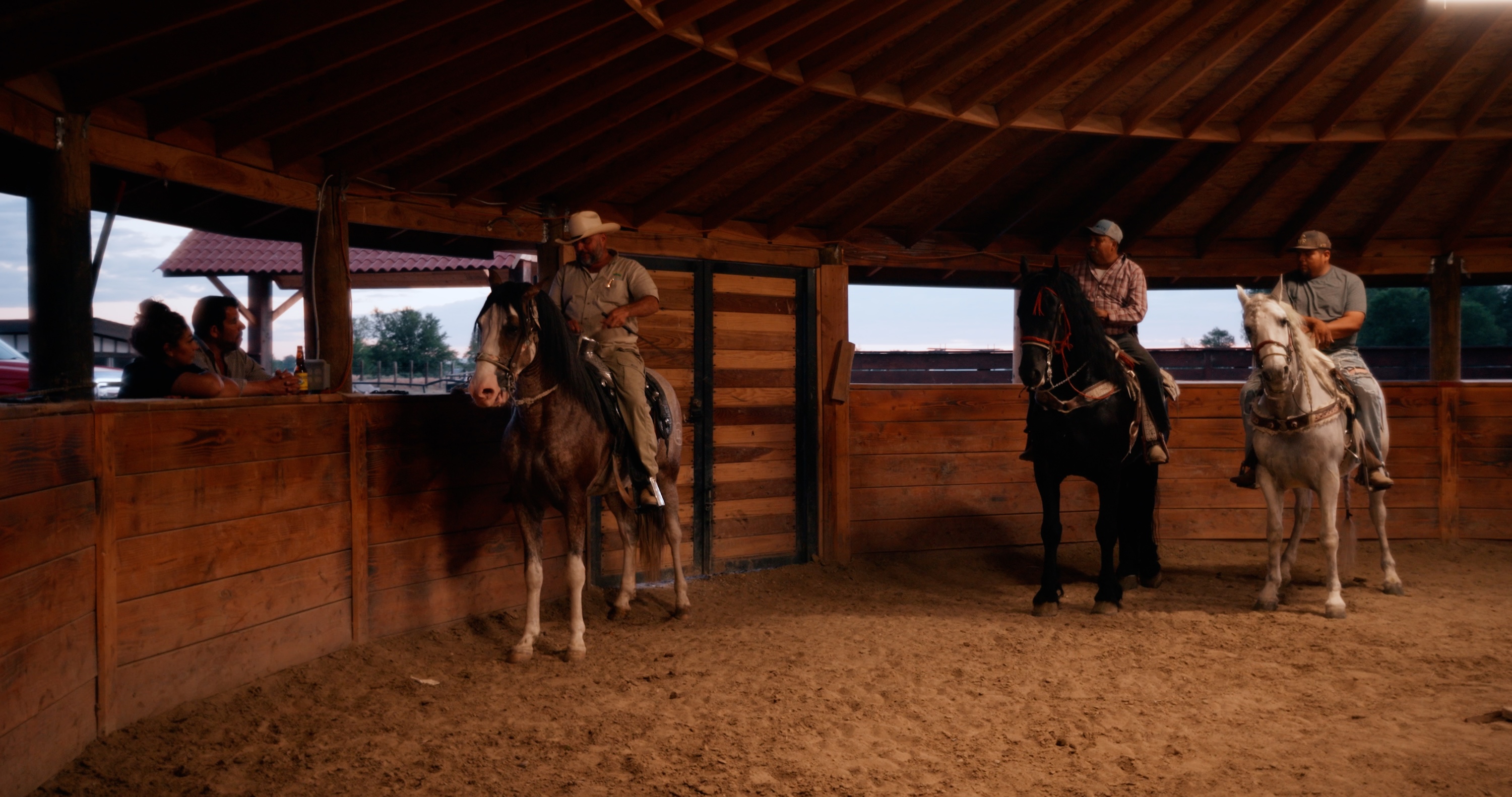
On a crisp Sunday afternoon in October 2025, the rural Idaho community of Wilder was transformed into a militarized zone. What began as a celebration of culture and family at the La Catedral Arena—a local hub for horse racing, music, and community gatherings—devolved into a scene of chaotic state-sanctioned violence. More than 200 federal, state, and local law enforcement officers descended upon the event, executing a mass detention that would leave an indelible mark on the lives of hundreds of innocent people.
One year later, the American Civil Liberties Union (ACLU) has released a harrowing short documentary, Wilder Raids, which pulls back the curtain on the traumatic events of that day. The film chronicles the lived experiences of families who were caught in the crosshairs of what the ACLU describes as an unconstitutional "fishing expedition" targeting the local Latino population.
The Anatomy of an Unlawful Raid: The Facts
The raid at La Catedral Arena was not a standard law enforcement operation; it was a sweeping, coordinated effort that prioritized the detention of individuals based on perceived ethnicity rather than individualized suspicion of criminal activity. According to the lawsuit filed by the ACLU in collaboration with Cooley LLP and Stoel Rives LLP, approximately 400 people were detained, including U.S. citizens, lawful permanent residents, and young children.
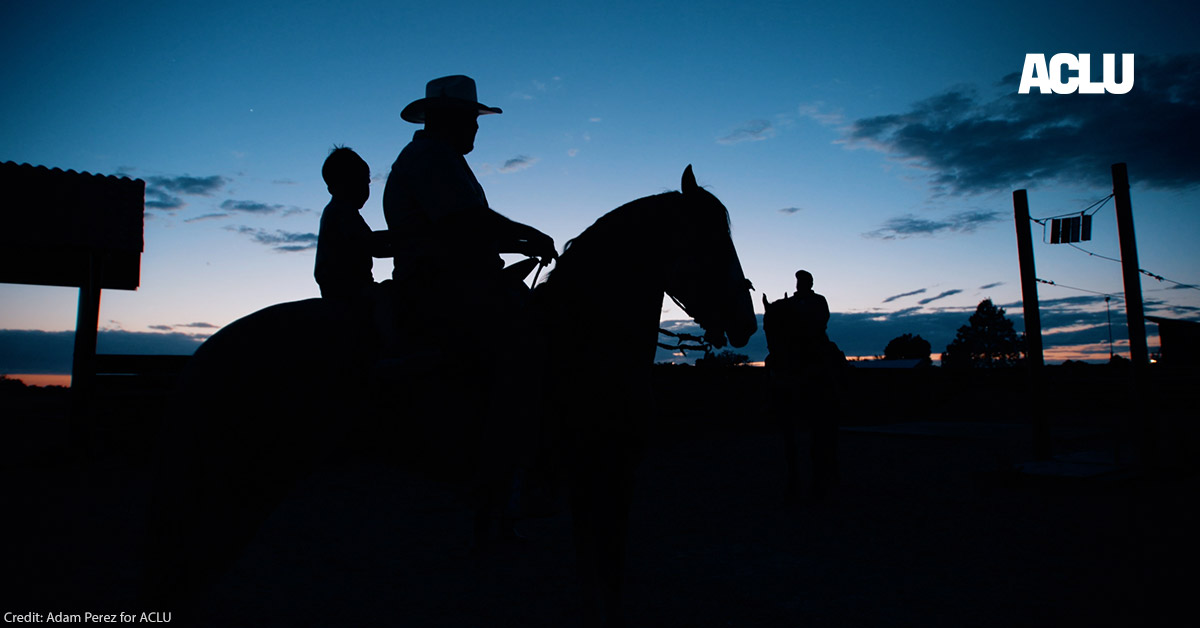
The legal complaint, Rodriguez et al. v. Porter et al., alleges that government officials conspired to abuse narrow criminal warrants to conduct a mass sweep. The plaintiffs argue that this operation violated the Fourth Amendment’s protection against unreasonable seizures and the Fourteenth Amendment’s guarantee of equal protection under the law.
Witnesses described a scene of profound cruelty. Armed, masked agents forced attendees to the ground, zip-tied their wrists, and subjected them to public humiliation, including denying them access to restrooms. Mothers were prevented from feeding their infants, children watched as their parents were manhandled, and rubber bullets were deployed against civilians—all in the name of a federal immigration operation that ignored the basic human rights of those in attendance.
A Chronology of Chaos
To understand the gravity of the incident, one must look at the progression of the operation as it unfolded on October 19, 2025.
The Initial Incursion: The relative peace of the Sunday afternoon was shattered by the arrival of a heavy aerial presence. Ivan Popoca, a long-time Idaho resident and father, recalls the moment he knew something was wrong: "I realized something was happening when I was talking with my friends, and I saw a helicopter flying above us. That’s when I thought, ‘something’s not right.’"
The Escalation: Within minutes, the perimeter of the arena was breached. Law enforcement officers, outfitted in military-grade tactical gear, moved through the crowd with overwhelming force. Teenagers were ordered to their knees at gunpoint, while other agents targeted families. The sheer volume of armed personnel created a sense of inescapable terror for those trapped inside the facility.
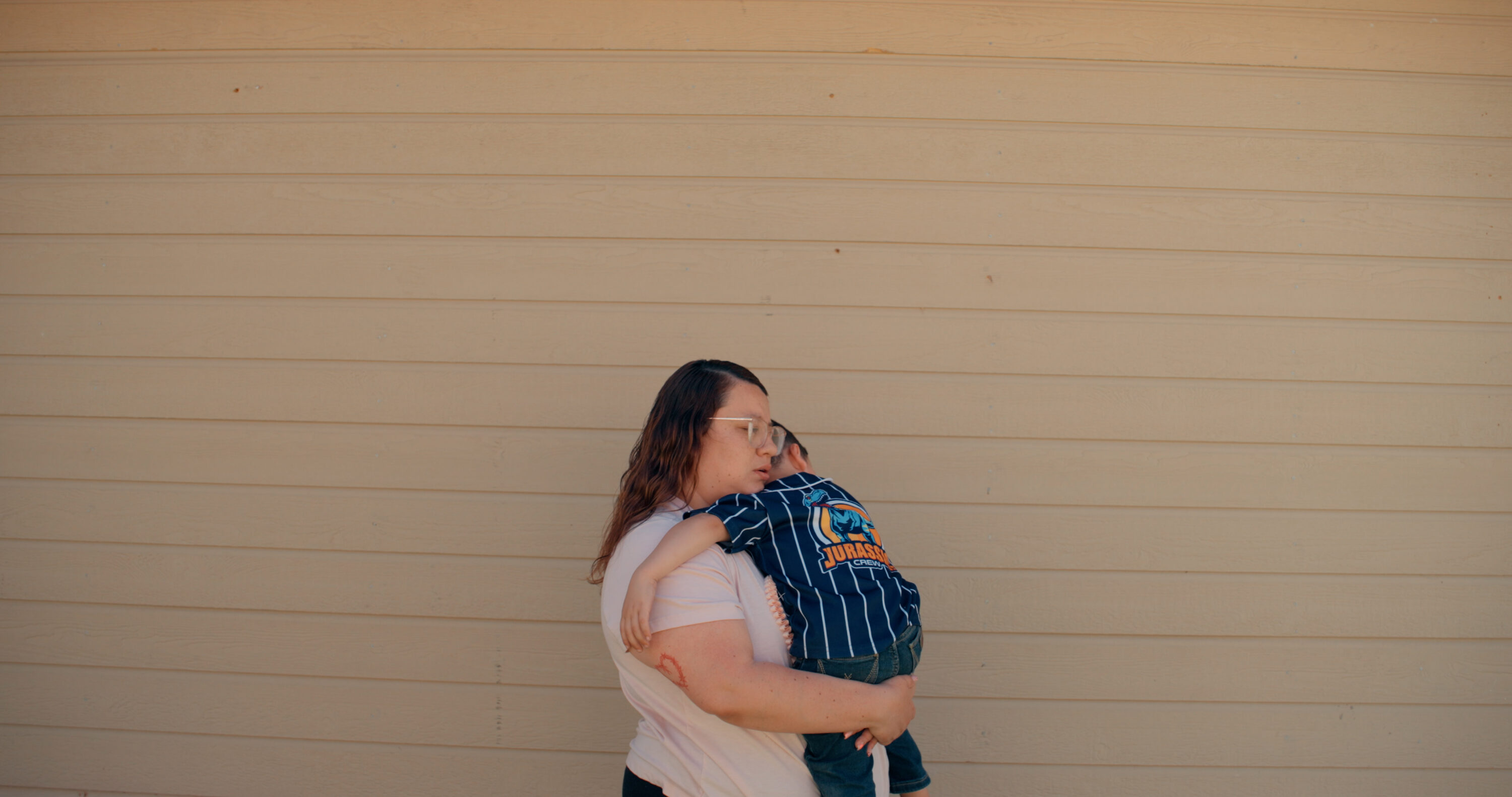
The Violation of Privacy and Dignity: As the detention process continued, the physical and psychological toll intensified. Reports of people being forced to urinate in public and the denial of basic necessities like water and food highlight the dehumanizing nature of the operation. Juana Rodriguez, a U.S. citizen and mother of four, was zip-tied while her young son begged for food and water. Her account—that she was too terrified to "overreact" for fear of being physically harmed—underscores the coercive environment created by the authorities.
The Human Toll: Voices from the Ground
The Wilder Raids documentary centers on the families who remain the faces of this legal battle. Their stories are not merely anecdotal; they are evidence of the systemic failure of law enforcement to respect the dignity of the communities they are sworn to protect.
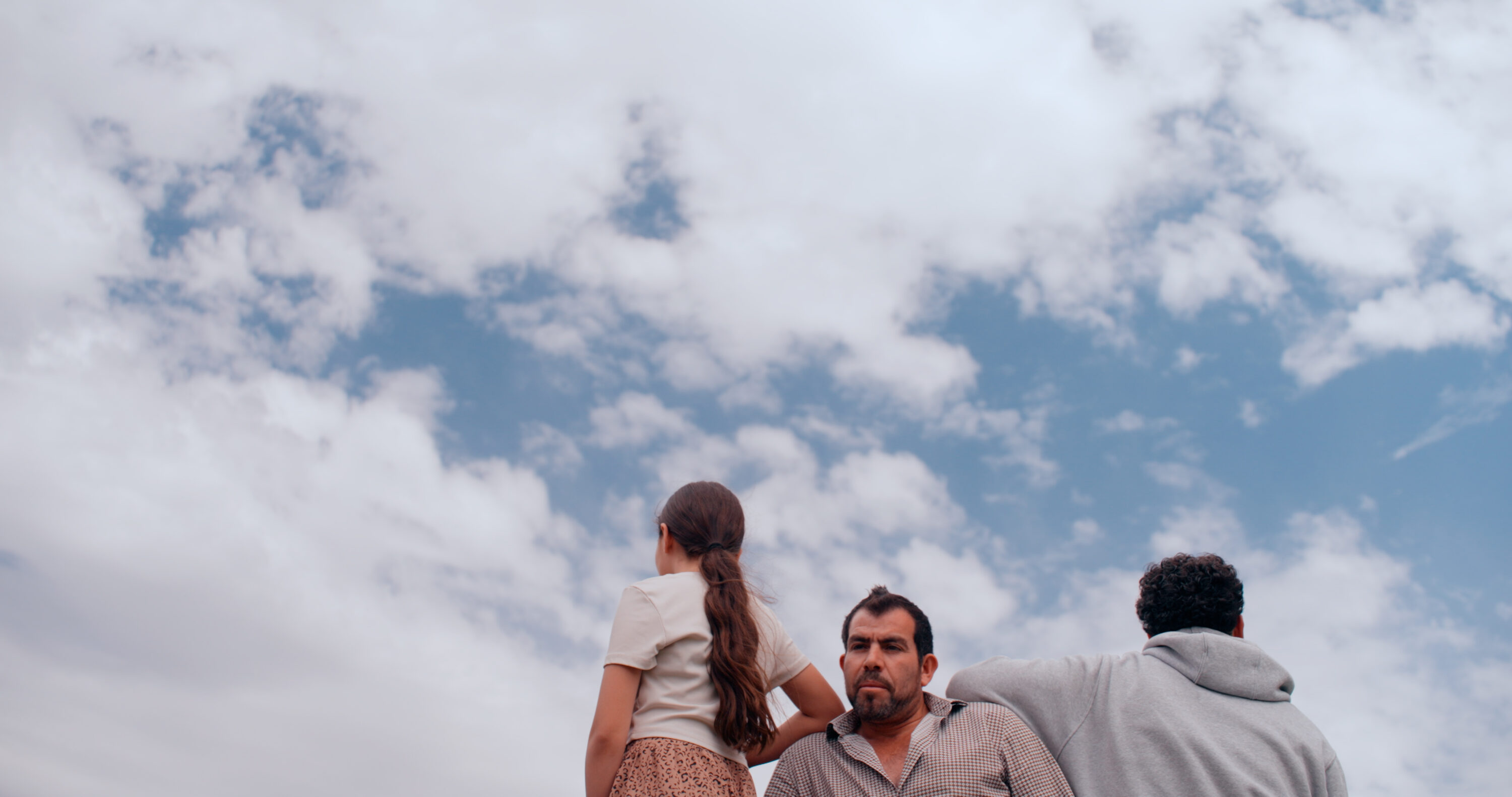
Ivan Popoca’s testimony is particularly chilling. He described how his own children were subjected to the violence of the raid. His son, then 16, was ordered to his knees at gunpoint, while his then-10-year-old daughter was physically grabbed by the neck by an agent as she attempted to navigate the chaos to reach her father. For the Popoca family, the trauma is not a memory of the past—it is an ongoing struggle to regain their sense of safety and trust in their community.
Juana Rodriguez’s experience as a mother highlights the helplessness parents felt as they were forced to choose between the safety of their children and their own survival. The psychological impact on her children, who were exposed to such blatant disregard for their humanity, remains a primary concern for the legal team representing the families.
The Legal and Ethical Implications
The lawsuit brought by the ACLU posits a critical question: Can federal, state, and local agencies coordinate to circumvent constitutional protections under the guise of law enforcement?
The plaintiffs argue that the raid was a calculated move to use limited criminal warrants as a pretext for a wide-scale immigration operation. This "fishing expedition" approach specifically targeted the Latino community, effectively treating their presence at a cultural event as sufficient cause for suspicion. By doing so, the agencies involved allegedly violated the fundamental right to be free from unreasonable detention.
"There’s a possibility that what the administration was trying to do is go to a rural community, where no one is paying attention," says Leo Morales, the executive director of the ACLU of Idaho. Morales, who grew up in Wilder, rushed to the site when he heard the news, only to be met by a wall of armed agents. "But what they got wrong is that the ACLU is in every single state of the union, and our job is to protect the constitutional rights of every person, regardless of whether that’s in a large city or whether that’s in rural America."
Wider Context: Accountability in a Changing Landscape
The Wilder raid is symptomatic of a broader national debate concerning the intersection of federal immigration policy and local law enforcement. Under the administration in power during the time of the raid, there was a documented push to increase the involvement of local authorities in federal immigration enforcement—a practice that civil rights advocates warn erodes trust between communities and police.
Critics argue that when local police departments align themselves with aggressive federal immigration tactics, they jeopardize public safety. When residents of a community, regardless of their status, fear that attending a public event could lead to a militarized raid, they are less likely to report crimes, cooperate with law enforcement, or participate in the civic life of their towns.
Looking Forward: The Fight for Justice
The release of the Wilder Raids documentary serves as a rallying cry for accountability. As the legal proceedings in Rodriguez et al. v. Porter et al. continue, the case stands as a landmark opportunity to set a precedent that restricts the ability of law enforcement to conduct mass, discriminatory detentions.
The ACLU’s involvement signifies a commitment to ensuring that the events in Wilder do not become a new "normal" for rural America. By documenting the trauma and the legal violations, the organization is demanding that the government answer for its actions. For the families involved, the hope is that through the judicial system, they can secure some measure of justice and ensure that no other community is forced to live through a nightmare like the one they experienced on that Sunday in October.
The documentary is a stark reminder that behind every policy, every warrant, and every "operation," there are real human lives—children, parents, and community members—whose constitutional rights are not negotiable. As the legal battle unfolds, the nation watches, waiting to see whether the principles of equality and justice will prevail over the unchecked power of the state.
How You Can Help
The struggle for justice in Wilder is far from over. The ACLU continues to advocate for the rights of the families impacted by this raid and others like it across the country. To learn more about the case, watch the documentary, or take action against discriminatory immigration practices, visit the ACLU’s official website. Together, we can ensure that the rights of all people are protected, from the largest cities to the smallest rural towns.

 Raul Delapena Setiawan
 Pevita Pearce






