


 Sagoh
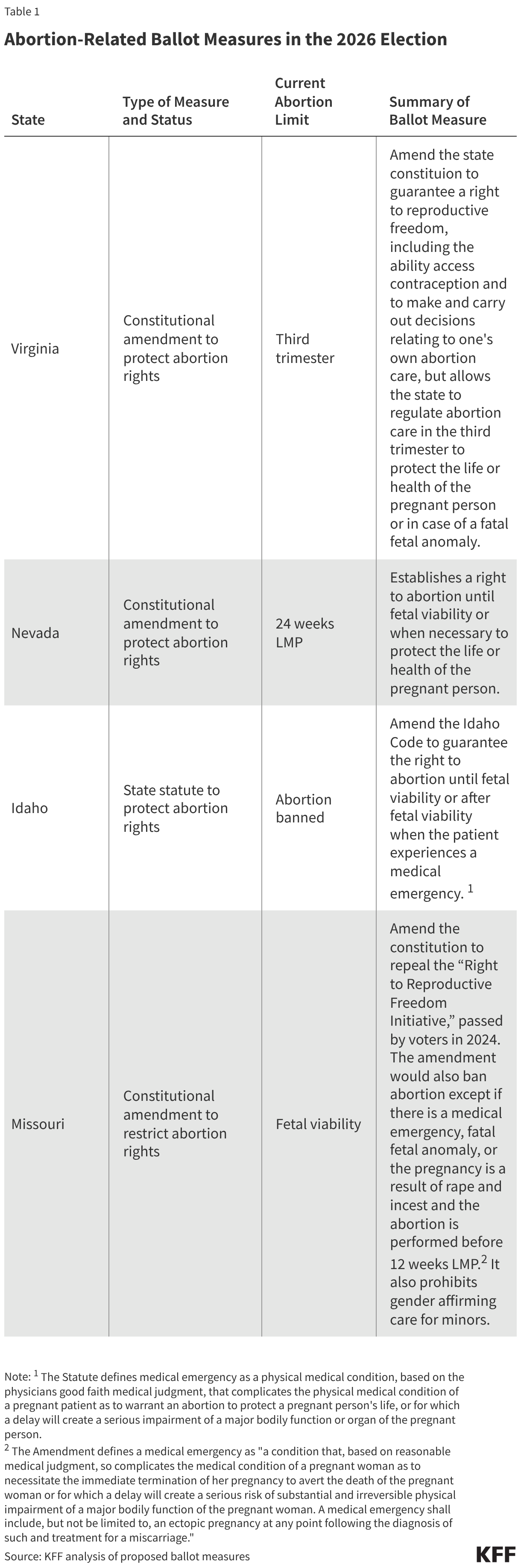
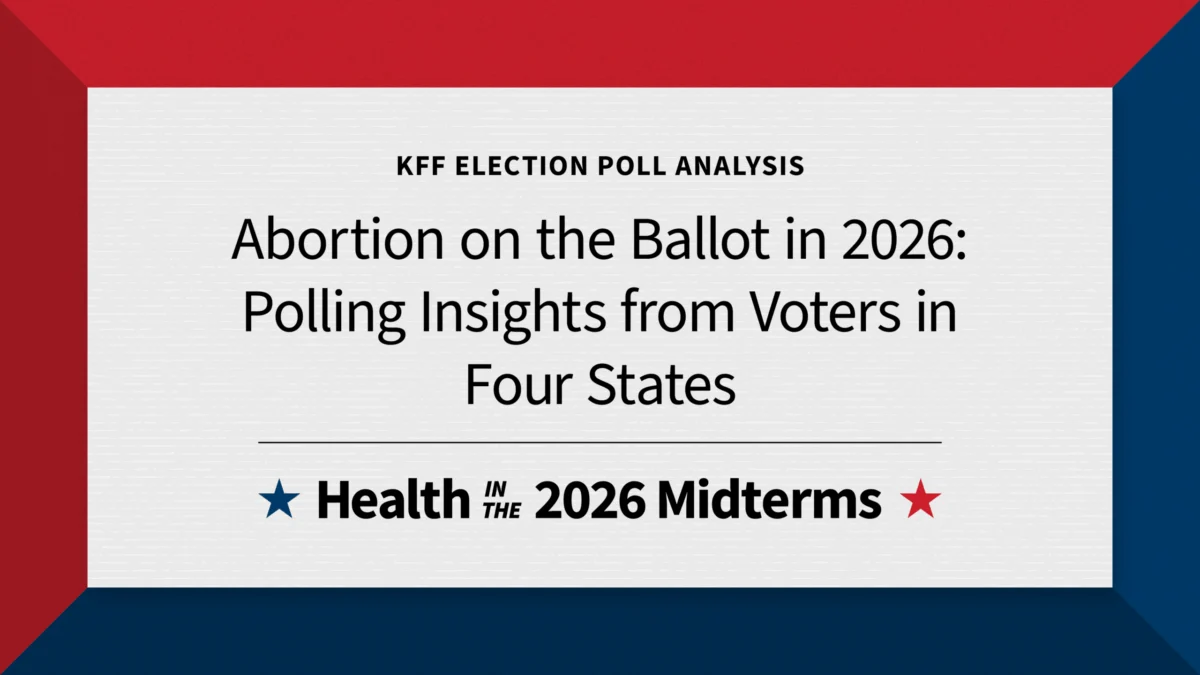
The landscape of American reproductive rights underwent a seismic shift during the 2026 election cycle. Since the U.S. Supreme Court’s 2022 Dobbs v. Jackson Women’s Health Organization ruling, which overturned the federal constitutional right to abortion, state-level ballot initiatives have emerged as the primary mechanism for deciding the legality of reproductive care. This November, the electorate in four key states—Nevada, Virginia, Missouri, and Idaho—served as the ultimate arbiters, either cementing constitutional protections or attempting to dismantle existing rights.
Main Facts: A Divided Map
The results of the 2026 elections have created a complex patchwork of abortion access across the country.
In Nevada and Virginia, voters overwhelmingly chose to enshrine the right to abortion directly into their state constitutions. These measures provide a robust legal firewall against legislative interference, ensuring that future shifts in political power cannot easily strip away access to reproductive health services.
Conversely, Missouri witnessed a rare and high-stakes reversal effort. While voters had passed a "Right to Reproductive Freedom" amendment in 2024, the state legislature successfully placed a 2026 measure on the ballot intended to repeal those protections and institute a near-total ban on abortion, while also prohibiting minors from accessing gender-affirming care. Missouri voters ultimately rejected this repeal, maintaining the status quo of protected reproductive rights.
In Idaho, voters faced a different challenge. After navigating a landscape of strict, near-total bans, advocates attempted to enact a new statute establishing a right to abortion until fetal viability. The measure was defeated at the ballot box, leaving the state’s current, highly restrictive legal framework firmly in place.
Chronology of the 2026 Initiatives
The path to the 2026 ballot was fraught with intense legal maneuvering, underscoring the high stakes involved in these state-level decisions.
- February 6, 2026: Governor Abigail Spanberger of Virginia signed legislation officially placing the "Right to Reproductive Freedom Amendment" on the ballot after two successful legislative sessions.
- March 3, 2026: A legal challenge was filed in Virginia by Charla Bansley, a local government official, attempting to block the measure based on procedural errors in the distribution of the amendment language.
- April 30, 2026: A second, separate lawsuit was filed in Virginia by medical advocacy groups, arguing that the ballot language was misleading and insufficiently explained to voters.
- June 2026: A Missouri court struck down several restrictive state regulations on abortion providers, a decision that intensified the urgency of the legislative push to repeal the 2024 constitutional amendment.
- July 14, 2026: The Idaho Secretary of State officially certified the "Reproductive Freedom and Privacy Act" for the November ballot, confirming that organizers had gathered sufficient signatures despite significant bureaucratic hurdles.
- September 4, 2026: The Idaho Supreme Court ordered state officials to rewrite ballot language that the court deemed confusing and biased, following a successful challenge by reproductive rights advocates.
- November 2026: The general election concluded, finalizing the constitutional status of abortion in these four states.
Supporting Data and Legal Context
The significance of these ballot initiatives lies in their permanence. Unlike laws passed by state legislatures—which can be repealed or amended by a simple majority vote in a subsequent session—constitutional amendments represent the "will of the people" and are significantly harder to reverse.
Since 2022, twelve states have utilized ballot initiatives to address abortion rights. In states like Arizona and Ohio, which passed amendments in previous cycles, courts have relied on the new constitutional language to systematically strike down pre-existing bans and restrictions. For instance, in Arizona, a state court blocked a 15-week ban and various physician-only restrictions in early 2026, citing the constitutional protections approved by voters in 2024.
However, the path is not always linear. Even in states where protections have been passed, restrictions remain. In Ohio and Arizona, laws barring public funding for abortion and enforcing parental consent requirements remain in effect, as these were not explicitly overruled by the language of the amendments.
Official Responses and Legal Friction
The role of state officials in shaping the ballot language has been a point of extreme contention. In Idaho, the legal battle over the description of "YES" and "NO" votes highlighted how semantic framing can be used to influence voter behavior. The original text provided by the Idaho Attorney General’s office was criticized by the state Supreme Court for using argumentative language, such as "protects the life of the unborn," which the court ruled failed to meet the legal standard for neutral, objective information.
Similarly, in Missouri, the ACLU fought a protracted battle against the Secretary of State regarding the ballot summary for the repeal measure. The court eventually ruled that the original summary was deceptive, as it failed to clearly inform voters that a "YES" vote would directly repeal the protections granted just two years prior. This intervention was widely viewed as a critical victory for transparency in the democratic process.
Implications for Future Reproductive Rights
The 2026 election results reveal both the power and the limitations of the ballot initiative process.
The Strength of Constitutional Protections:
For states like Virginia and Nevada, the passage of constitutional amendments marks a new era of security. These states have effectively removed abortion access from the daily tug-of-war of partisan politics. By requiring a future vote of the people to amend the constitution, these states have created a high barrier for anti-abortion groups looking to reverse current laws.
The Fragility of Statutory Law:
Idaho’s experience serves as a cautionary tale. Because the proposed change was a statute rather than a constitutional amendment, it would have remained vulnerable to legislative interference. Even had the initiative passed, the Idaho legislature has a history of overriding the electorate—having previously repealed or amended voter-approved measures regarding term limits and Medicaid eligibility. This highlights that in states where the legislature is deeply opposed to reproductive rights, statutory changes are often insufficient to provide long-term, stable access.
The "Repeal" Precedent:
The Missouri case is historically significant as it marks the first time voters were asked to decide whether to repeal a previously passed abortion protection. The rejection of this repeal suggests that once voters have established a right to reproductive healthcare, they are reluctant to see it taken away. However, it also signals that the "end" of the debate is unlikely to arrive soon; advocates on both sides of the issue are increasingly viewing ballot initiatives as a continuous battlefield rather than a one-time solution.
Limited Avenues for Change:
The window for citizen-led initiatives is narrowing. In states with total bans—such as Arkansas and Oklahoma—the combination of restrictive signature-gathering requirements, aggressive legal challenges from state attorneys general, and high approval thresholds makes success incredibly difficult. With only 17 states offering a path for citizen-initiated constitutional amendments, and many of those already having addressed the issue, the geographic scope for future ballot-driven change is becoming increasingly restricted.
Conclusion: A New Normal
The 2026 midterm cycle has solidified the ballot initiative as the most important venue for reproductive rights in America. While the results have provided stability in some states and continued volatility in others, the underlying trend is clear: the American public is increasingly being asked to bypass their elected representatives to define the boundaries of bodily autonomy. As the legal challenges in Virginia, Missouri, and Idaho demonstrate, the future of abortion access will be determined not just by the votes cast, but by the legal battles over the very words on the ballot. As the nation looks toward the next election cycle, the focus is likely to shift toward these "permanent" constitutional protections, as both advocates and opponents recognize that once a right is enshrined in a state constitution, it is significantly more difficult to undo.

 Neng Nana
 Asro