




 Basiran
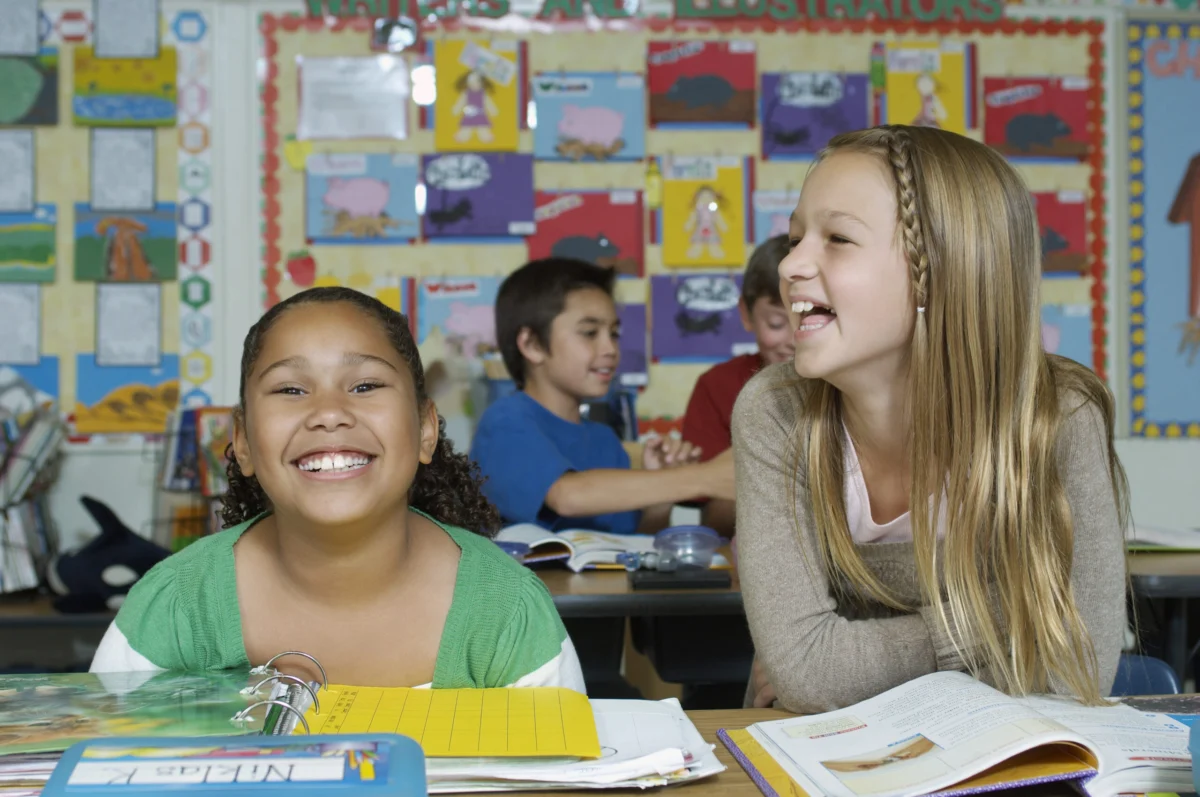
As the academic calendar approaches its final chapters, educators across the country are facing a familiar, albeit exhausting, phenomenon: the "end-of-year slump." For middle school teachers, this period is often characterized by heightened student restlessness, a surge in off-task behavior, and a palpable sense of distraction. However, pedagogical experts suggest that this is not a failure of classroom management, but rather a predictable biological and psychological response to the encroaching summer break.
The Main Facts: Understanding the "End-of-Year" Shift
The transition from the structured rigors of the school year to the impending freedom of summer creates a unique atmospheric pressure in the classroom. Middle school students, who are already navigating a period of intense hormonal development and shifting social dynamics, find their ability to self-regulate further taxed by warmer weather, longer days, and the "cumulative fatigue" of a nine-month academic grind.
Starr Sackstein, a veteran educator and author, emphasizes that the disruption often mislabeled as "bad behavior" is, in reality, "dysregulated energy looking for an outlet." Teachers who view these behaviors as a personal affront to their authority risk entering a power struggle they cannot win. Instead, experts argue that the solution lies in a strategic pivot: moving away from strict containment and toward the channeling of momentum.
Chronology of the "Slump"
The descent into year-end chaos usually follows a predictable timeline:
- The Early Spring Plateau: After spring break, students often feel the "home stretch" mentality. Motivation begins to wane as the final assessments loom, and classroom routines start to feel redundant.
- The Mid-Spring Peak: As temperatures rise, focus declines. Students begin to prioritize social interactions over academic output, leading to an increase in side-talking and non-compliant behaviors.
- The Final Countdown: In the last few weeks, the "novelty" of the classroom environment has completely worn off. Students are physically present but mentally disengaged, leading to the "dead zones" of transition time where chaos finds its foothold.
Supporting Data and Developmental Realities
The challenges faced in middle school classrooms are not merely anecdotal; they are rooted in adolescent brain development. According to research on adolescent emotional regulation, the prefrontal cortex—the area responsible for impulse control and long-term planning—is still undergoing significant refinement during the middle school years.
When external stressors, such as the anticipation of summer or the exhaustion of final exams, are introduced, the adolescent brain struggles to maintain its focus. Data suggests that movement-based learning can mitigate these biological hurdles. By providing "controlled outlets" for physical energy, teachers can reduce the frequency of "uncontrolled outlets" like tapping, fidgeting, or unauthorized movement.
Strategies for Classroom Re-Engagement
To navigate these final weeks successfully, educators are advised to implement four specific, actionable shifts that do not require an overhaul of the existing curriculum.
1. Tightening the Transitions
The most significant disruptions often occur in the "dead zones" between activities—the minute a teacher says, "put your notebooks away," and the next task begins. To combat this:
- Script the transition: Use a stage-director approach. Clearly outline the next steps before ending the current activity.
- Visual Cues: Project a timer on the board and write instructions clearly.
- The Countdown Method: Use specific commands such as, "In 15 seconds, I need your eyes on me," to provide a psychological "closing cue" for the brain.
2. Building Movement into the Lesson
Middle schoolers are experiencing rapid physical growth. If a teacher does not provide opportunities for movement, the students will create their own.

- Stand-Share-Sit: A low-stakes, 90-second activity where students stand, find a peer, share an answer, and return to their seats. This simple reset drains restless energy without sacrificing academic integrity.
3. Raising the Stakes with Low-Risk Competition
Routine is a double-edged sword; while it provides security, it also breeds complacency. Injecting novelty through healthy competition can revitalize a stagnant classroom.
- The Tag-Team Review: When reviewing material, have students answer in teams. If a team answers correctly, they "tag" another team to go next. This creates a state of "vigilant readiness," as students are held accountable not just by the teacher, but by their peers.
4. Naming the Reality
Transparency is a powerful pedagogical tool. When a teacher acknowledges the shared experience—"I know the weather is beautiful, and I know it’s hard to sit here"—the power dynamic shifts. The teacher ceases to be an adversary and becomes a partner in the collective struggle to finish strong.
Implications for Educators
The implications of these strategies are profound. They suggest that the traditional model of "managing" students via strict compliance is less effective than "coaching" them through their developmental challenges.
By acknowledging that students are not acting against the teacher, but are instead struggling with the biological reality of the end-of-year cycle, educators can preserve their own mental health. Laughing with students—not at them—acts as a powerful, non-punitive reset. It humanizes the learning environment and reminds students that they are part of a community that values their presence, even as the finish line approaches.
Official Perspective: Advice for the Weary
For those currently in the trenches of the school year, the consensus from education experts is clear: you have not lost your touch. The surge in disruptive energy is a sign that both you and your students are human.
"You’ve got this," notes Sackstein. "Spring always comes, and summer always follows. Until then, keep showing up—and keep laughing."
The transition into the final weeks of the school year is an opportunity to experiment with new, more flexible management styles. Rather than clinging to the rigid structures that worked in October, educators who embrace the fluidity of the season often find that their students respond with higher levels of engagement and a renewed willingness to meet the high expectations set for them.
As the calendar turns toward the final days, the goal should not be to reach the finish line by force, but to navigate the remaining time with clarity, structure, and the occasional, well-timed moment of levity. By making these minor, intentional shifts, teachers can ensure that the final weeks of the year are memorable for the right reasons, leaving both themselves and their students in a better position for the year to come.

 Laily UPN

 Nila Kartika Wati






